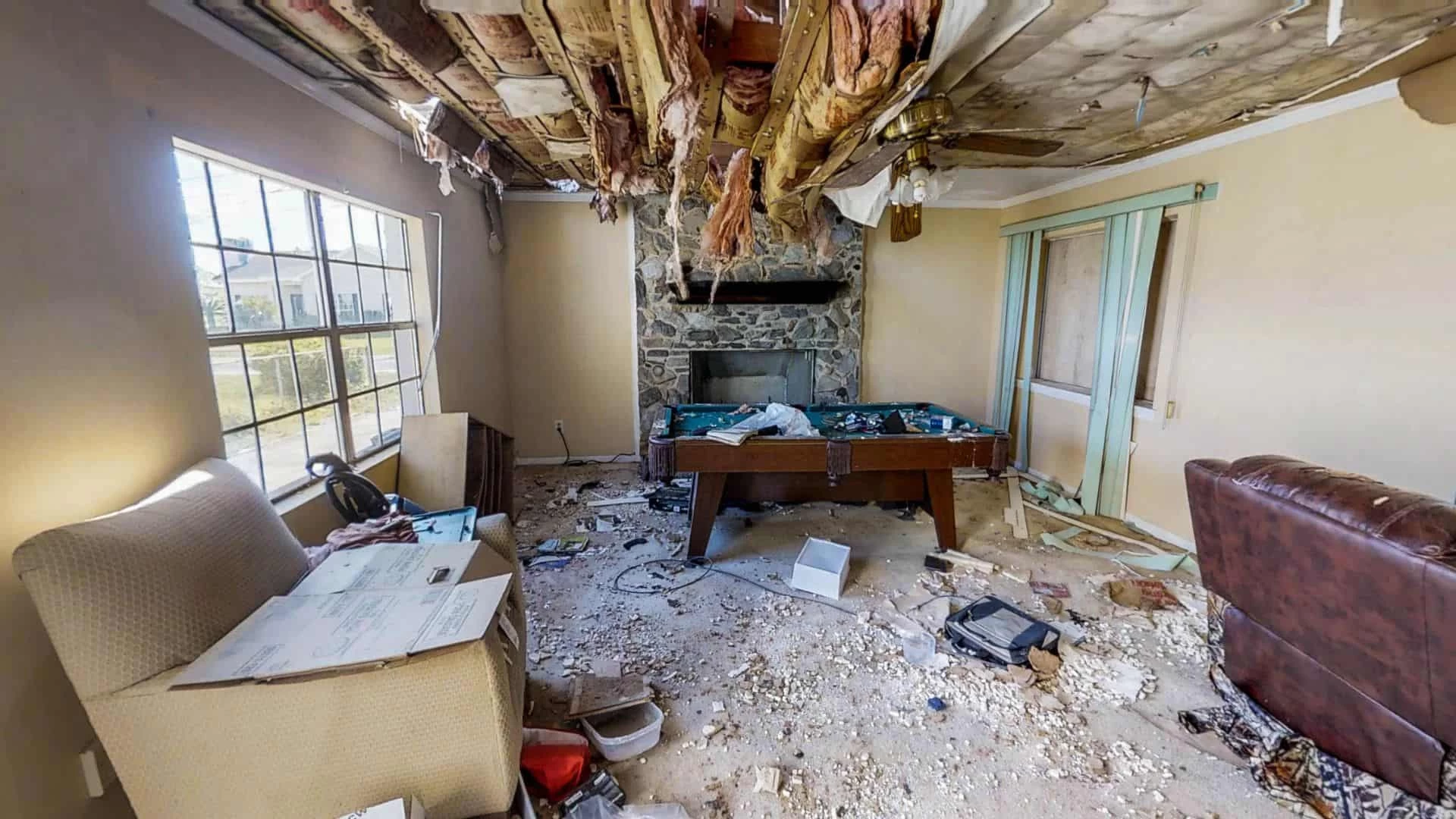
In a neighborhood full of mid-century homes sitting near Canaan Lake, water damage hides deeper than it looks and waits for no one. We find it, stop it, and bring your home back.
I needed a professional consultation explanation of procedure for safe removal of Asbestos in my apartment complex. Without having an account yet, I was very impressed with the caring, knowledgeable and generous advice offered by Jessica, and will look forward to doing business in the future. Thank you so much! I feel much more informed about a sometimes scary endeavor. Peace. Nancy Silva Mineola, NY.
Mia Munoz
Used this company to clean up some water flood in my house. They were fast and easy to work with.very professional, Would recommend to anyone!
Nini Valle
Great company, had a flood and they responded quickly and efficiently. Billed my insurance company directly. I highly recommend this company!
joe colapietro, jr
I had pipe freeze in my basement right before a snow storm and they made to within an hour to help start the clean up process. They we by our side throughout the entire process and even helped with the insurance company. They did such a great job with the cleanup, repair, remidiation, I contracted them to perform the repairs and finishes in the basement. They came with enough manpower and material to get the job done. Leo and Jessica were nothing but a pleasure to deal with!!
Cristian Arredondo c
I had some water damage in my home and Green Island was able to take care of my issue quickly and effectively. I am very pleased with the work they did. They responded quickly and were very professional.
Michael M
Outstanding service! From the office to the field crew everyone was friendly, helpful and responsive. I highly recommend Green Island Group.
What Staying Ahead of the Damage Actually Gets You
Most homeowners in North Patchogue don’t realize how much is happening inside the walls until it’s already a bigger problem. You call because you see water. What you don’t see is what’s soaking into the plaster, sitting under the hardwood, and settling into the insulation of a home that was built to last but not built to shed moisture quietly. That gap between what’s visible and what’s actually wet is where the real cost lives.
The homes along this stretch of Brookhaven are largely mid-century builds. Plaster walls, original subfloors, older framing these materials hold moisture in ways that modern construction doesn’t. A consumer dehumidifier running in the corner isn’t going to reach what’s trapped two inches behind the wall. Professional moisture detection does. And when you catch the full extent of the damage early, you’re looking at a manageable restoration instead of a mold situation that guts a finished basement or a bedroom wall.
Then there’s the groundwater reality in North Patchogue. The area sits in the Patchogue River watershed, and properties near Canaan Lake deal with a water table that rises fast after heavy rain or a hard snowmelt. When that water comes up through a slab or overwhelms a sump pump, the damage spreads quickly across floors and into wall bases. Getting the right team in fast with commercial extraction equipment and the ability to actually dry the structure, not just the surface is what determines whether you’re dealing with a repair or a gut job.
We’re a Long Island-based environmental and restoration company not a franchise, not a call center, not a crew dispatched from three counties away. When you call the 631 number, you’re reaching people who actually work in North Patchogue and know what water damage looks like in the specific housing stock that makes up this community’s neighborhoods.
That matters more than it sounds. Knowing that a home near the Canaan Lake drainage area has different groundwater exposure than a home further inland, or that a pre-1980 build in this part of Brookhaven may have asbestos-containing materials behind the walls you’re about to open that’s the kind of local context that changes how a job gets done. A national brand reading off a script doesn’t carry that.
We handle water damage, mold remediation, asbestos abatement, lead testing, and air quality clearance all in-house. So when the restoration uncovers something more, there’s no waiting on a second contractor. One call, one accountable team, start to finish.
No Guesswork Here's Exactly What the Process Looks Like
It starts with a thorough assessment. Before anything gets extracted or dried, we use professional moisture meters and thermal imaging to map where the water actually is not just where it’s visible. In older North Patchogue homes, that often means checking inside wall cavities, under original hardwood, and behind plaster that looks fine on the surface but is holding moisture against the framing. That first step shapes everything that follows.
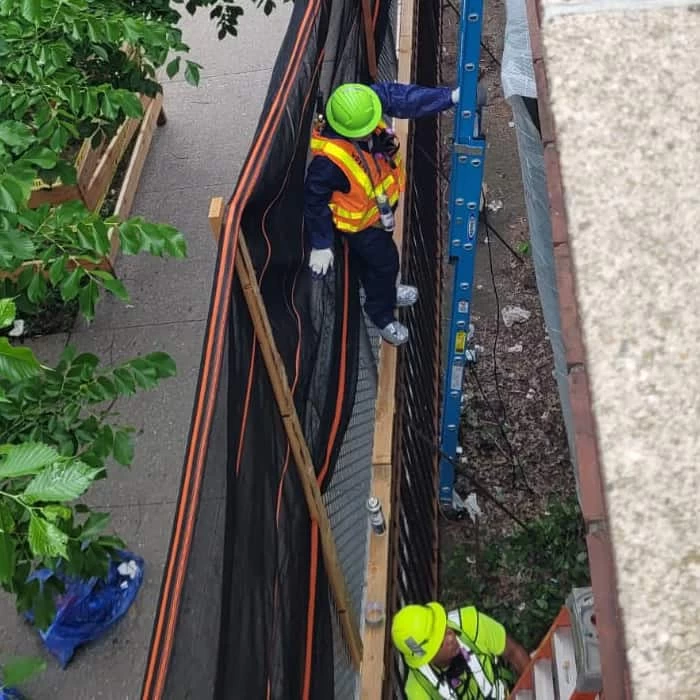
Once the scope is clear, extraction and structural drying begin. Commercial-grade equipment not the kind you rent from a hardware store pulls moisture out of materials and spaces that surface drying can’t reach. The drying process is monitored over time, with readings tracked until the structure hits safe levels. If the damage is near original building materials that may contain asbestos or lead, that gets identified and handled correctly before demo begins which matters in a community where a significant portion of homes were built before those materials were phased out.
After the structure is dry and any hazardous materials are addressed, restoration work begins: drywall, flooring, painting, structural repair whatever it takes to bring the space back to what it was. If a permit is required through the Town of Brookhaven for the scope of work involved, we navigate that as part of the process. And throughout all of it, we work directly with your insurance company handling documentation, adjuster communication, and billing so you’re not stuck managing a claim on top of everything else.
Water Damage Restoration Service in North Patchogue
Everything the Job Needs Under One Roof
Water damage restoration isn’t one thing. It’s extraction, structural drying, moisture monitoring, material removal, mold prevention, and full rebuild and in North Patchogue’s older housing stock, it often involves more layers than homeowners expect going in. We handle all of it without subcontracting pieces out to separate companies.
For homes in this area, that integrated scope is genuinely important. A pre-1970 home near the Sunrise Highway corridor may have galvanized plumbing that’s been failing slowly for years, original floor tiles that contain asbestos, and plaster walls that have been quietly absorbing moisture from a slow leak behind a bathroom fixture. When restoration requires opening those walls, you need a company that’s equipped to handle what’s inside them not one that stops work and calls someone else. We carry the certifications to handle asbestos abatement and lead paint in compliance with New York State Department of Labor requirements, so the job doesn’t stall when those materials turn up.
Our service also includes direct insurance billing and adjuster coordination. Water damage is one of the most common homeowner insurance claims and one of the most commonly underdocumented ones. We make sure the full scope of the damage is captured and communicated to your insurer, so the claim reflects what actually happened in your home, not just what was easy to photograph. Available 24 hours a day, seven days a week because a burst pipe on a January night near Canaan Lake doesn’t wait until morning.
How quickly can mold develop after water damage in my North Patchogue home?
Mold can begin to grow within 24 to 48 hours of water exposure that’s the IICRC standard, and it’s not an exaggeration. In North Patchogue’s older homes, where plaster walls, original wood framing, and cavity insulation are common, the conditions for mold are even more favorable. These materials are porous and hold moisture in ways that modern drywall and synthetic insulation don’t, which means mold has more to feed on and more places to hide.
The practical implication is that the clock starts the moment water touches your structure. A slow leak behind a bathroom wall that went unnoticed for two weeks is a very different situation than a pipe that burst this morning but both require fast action once discovered. Getting a professional assessment done quickly, with moisture detection equipment that can find water inside wall cavities, is what separates a contained restoration from a mold remediation job that pulls apart finished rooms and runs into the tens of thousands of dollars.
Does homeowner's insurance cover basement flooding from a sump pump failure?
This is one of the most common and most frustrating questions homeowners in North Patchogue face after a flooding event. The short answer is: it depends on your policy, and the distinction matters a lot. Standard homeowner’s insurance typically covers sudden and accidental water damage like a burst pipe but does not automatically cover flooding caused by groundwater intrusion or sump pump failure. That type of damage usually requires a separate water backup or sump pump rider, which many homeowners in this area don’t realize they need until after it happens.
That said, policy language varies significantly, and the way the damage is documented and described in a claim can affect what gets covered. Homes near the Canaan Lake drainage area or in low-lying parts of North Patchogue are particularly exposed to groundwater-driven basement flooding during heavy rain events and spring snowmelt exactly the scenarios that standard policies tend to exclude. Before assuming you’re not covered, it’s worth having a professional assess and document the damage thoroughly. We work directly with insurance adjusters and can help make sure the claim accurately reflects the source and scope of the damage, which sometimes changes the outcome.
My North Patchogue home was built in the 1960s does that affect the restoration process?
Yes, and it’s something worth understanding before work begins. Homes built in North Patchogue between the 1940s and 1970s frequently contain materials that require special handling during restoration specifically asbestos in floor tiles, pipe wrap, ceiling tiles, and certain types of siding, as well as lead paint in homes built before 1978. These materials are common in the housing stock throughout this part of Brookhaven, and they don’t always announce themselves. You can’t tell by looking at a floor tile whether it contains asbestos.
When water damage restoration requires opening walls, removing flooring, or disturbing original building materials, those materials need to be tested and handled in compliance with New York State Department of Labor regulations. A restoration company that isn’t equipped to do that legally and safely has to stop work and bring in a separate abatement contractor which means delays, additional coordination, and more time with open walls and active moisture in your home. We handle asbestos abatement and lead paint work in-house, so the job moves forward without that interruption. For a home in this area, that’s not a niche capability it’s a practical necessity.
How much does professional water damage restoration typically cost?
The range is wide because the scope varies so much from job to job. A straightforward water extraction and structural drying job say, a washing machine hose failure caught within a few hours might run in the $2,000 to $5,000 range. A more involved restoration that includes material removal, mold remediation, and structural repair in a finished basement can reach $15,000 to $40,000 or more, depending on how far the damage spread and how long the moisture was present before it was addressed.
For North Patchogue homeowners, the most important cost factor is timing. Water damage that gets addressed within the first 24 hours is significantly less expensive to restore than damage that sat for days or weeks. The older construction in this area plaster walls, original subfloors, older insulation absorbs and holds moisture in ways that accelerate deterioration and create ideal conditions for mold. What costs $3,000 to remediate today can easily become a $20,000 problem if left alone. Professional restoration also tends to save 40 to 60 percent compared to full material replacement, and if your damage is covered under your homeowner’s policy, the out-of-pocket cost may be significantly lower than the total restoration figure.
What's the difference between water mitigation and water damage restoration?
Mitigation is the emergency phase stopping the damage from getting worse. That means extracting standing water, removing saturated materials that can’t be saved, and getting commercial drying equipment running to pull moisture out of the structure before mold sets in. It’s the immediate response, and it’s what determines how much of your home is salvageable. Mitigation alone doesn’t put anything back it just stops the bleeding.
Restoration is everything that comes after. Once the structure is dry and any hazardous materials have been handled, restoration means rebuilding: replacing drywall, repairing or replacing flooring, repainting, and addressing any structural damage. For a North Patchogue homeowner dealing with a flooded finished basement or a burst pipe that soaked a first-floor room, restoration is what actually gives you your home back not just a dried-out shell with missing walls and bare subfloor. We handle both phases, which matters because companies that only do mitigation will hand you off to a separate contractor for the rebuild, and that handoff creates delays, inconsistencies, and gaps in accountability.
How do I know if the water damage in my home is fully dry before repairs start?
You can’t tell by touch or by sight and that’s exactly the problem with relying on fans and consumer dehumidifiers to dry a water-damaged space. Materials like plaster, wood framing, and older insulation hold moisture deep inside, well past the point where the surface feels dry. A wall that looks and feels fine can still be holding enough moisture to grow mold within days. The only way to know what’s actually happening inside the structure is with professional moisture meters and thermal imaging equipment that reads conditions below the surface.
We monitor moisture levels throughout the drying process and don’t sign off on a space as dry until the readings confirm it not based on how many days the equipment has been running or how the surface feels. In North Patchogue’s older homes, where wall assemblies and floor systems are more complex than modern construction, that monitoring phase is especially important. Rushing into repairs over a structure that still holds moisture is one of the most common reasons homeowners end up dealing with mold months after a restoration was supposedly finished. The drying documentation also matters for your insurance claim it creates a verifiable record that the work was done to standard, which protects you if questions come up later.