When Your Northwest Harbor Home Can't Wait Until You Get Here
Water damage in a seasonally vacant home doesn’t pause for your schedule. We respond 24/7 so the damage stops before it compounds into something far more expensive.
I needed a professional consultation explanation of procedure for safe removal of Asbestos in my apartment complex. Without having an account yet, I was very impressed with the caring, knowledgeable and generous advice offered by Jessica, and will look forward to doing business in the future. Thank you so much! I feel much more informed about a sometimes scary endeavor. Peace. Nancy Silva Mineola, NY.
Mia Munoz
Used this company to clean up some water flood in my house. They were fast and easy to work with.very professional, Would recommend to anyone!
Nini Valle
Great company, had a flood and they responded quickly and efficiently. Billed my insurance company directly. I highly recommend this company!
joe colapietro, jr
I had pipe freeze in my basement right before a snow storm and they made to within an hour to help start the clean up process. They we by our side throughout the entire process and even helped with the insurance company. They did such a great job with the cleanup, repair, remidiation, I contracted them to perform the repairs and finishes in the basement. They came with enough manpower and material to get the job done. Leo and Jessica were nothing but a pleasure to deal with!!
Cristian Arredondo c
I had some water damage in my home and Green Island was able to take care of my issue quickly and effectively. I am very pleased with the work they did. They responded quickly and were very professional.
Michael M
Outstanding service! From the office to the field crew everyone was friendly, helpful and responsive. I highly recommend Green Island Group.
What Getting Ahead of Water Damage Actually Saves You
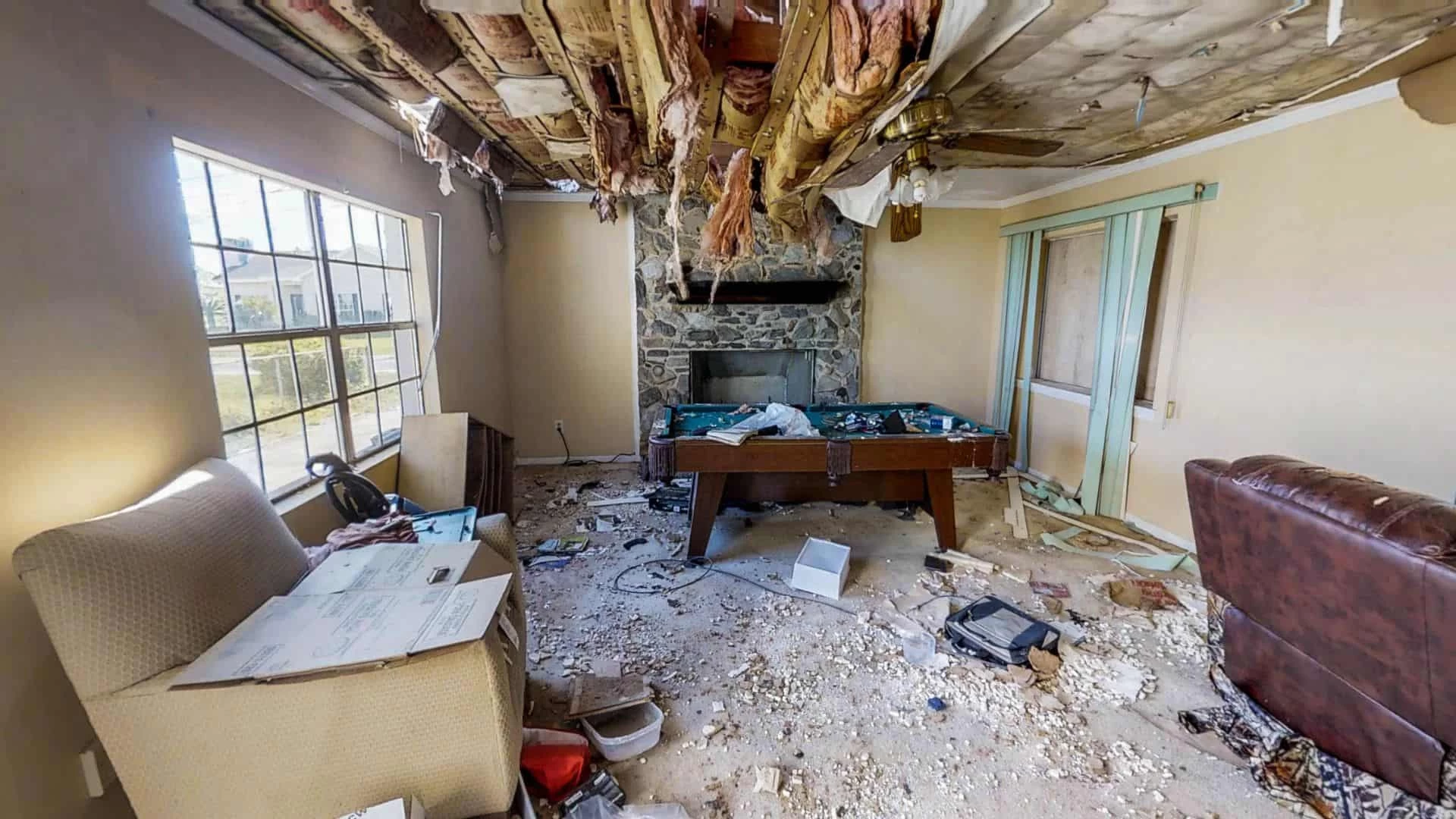
The moment water enters your Northwest Harbor home, a clock starts. Mold can begin growing within 24 to 48 hours of exposure and in a home that’s been closed since October, that clock may have been running for weeks before anyone walked through the door. The difference between catching it early and catching it late isn’t just money. It’s the difference between a drying job and a gut renovation.
A lot of the homes throughout Northwest Harbor particularly in the areas around Three Mile Harbor Road and the surrounding neighborhoods were built between the 1950s and the 1980s. That means there’s a real chance that any demolition required to address water damage will uncover asbestos-containing materials or lead paint. Most restoration companies aren’t licensed to handle that. When that happens mid-job, work stops, timelines blow up, and you’re suddenly coordinating between multiple contractors while your home sits open. That’s a situation you don’t want to be in.
Getting ahead of water damage in Northwest Harbor means having a company that can handle the full scope extraction, drying, mold prevention, and if needed, licensed hazardous material abatement without handing you off to someone else. One call, one team, one accountable outcome.
Water Restoration Companies Serving Northwest Harbor
Local Enough to Know What's at Stake in Northwest Harbor
We’re a Long Island-based environmental and restoration company not a national franchise routing calls through a 1-800 number. When you call, you’re reaching a real local team that knows Northwest Harbor, understands the seasonal dynamics of this market, and has worked in homes across East Hampton, Springs, and the surrounding hamlets.
What sets us apart in a market like Northwest Harbor isn’t just the response time it’s the range of what we’re licensed to do. Water damage, mold remediation, asbestos testing and abatement, lead paint work, air quality testing it’s all handled in-house. For property managers overseeing multiple homes across the South Fork, that means one trusted contact instead of four separate contractors.
This is a community where a home can sit empty for months and a small leak can quietly become a $30,000 problem. We’re built for exactly that kind of job the ones that require more than a dehumidifier and a handshake.
Water Damage Restoration Service in Northwest Harbor
From the First Call to a Fully Restored Northwest Harbor Home
It starts with a call and that call gets answered, whether it’s 2pm on a Tuesday or 11pm on a Saturday during a nor’easter. From there, a crew is dispatched to assess the damage in person. The first priority is stopping the source if it’s still active, then understanding the full scope of what’s been affected. In homes that have been vacant, this step matters more than most people realize. Water travels. It moves through subfloors, along framing, into wall cavities and none of it is visible without thermal imaging and professional moisture meters. That’s standard equipment on every job, not an upsell.
Once the assessment is complete, extraction and structural drying begin. We use commercial-grade equipment to pull moisture out of the structure itself, not just the surface. Drying times vary depending on the extent of the damage and the materials involved, but the process is monitored throughout not set and forgotten. If your home was built before 1978 and demolition is needed, materials are tested for asbestos and lead before any walls come down. That’s a legal requirement in New York State, and it’s one that a lot of restoration companies quietly skip.
After drying is confirmed complete, restoration begins drywall, flooring, finishes, whatever the job requires. The goal isn’t to get close to what it looked like before. It’s to get it back exactly.
Water Restoration and Repair in Northwest Harbor, NY
The Full Scope, Not Just the Surface
Water damage restoration done right isn’t just about removing standing water. By the time you can see the damage, moisture has already moved into places you can’t see. Our process covers the complete picture water extraction, structural drying, moisture mapping, mold prevention, and full material restoration. For homes near the waterfront along Three Mile Harbor or in the lower-lying areas throughout Northwest Harbor, that often includes assessing for saltwater or contaminant exposure, which carries a different remediation protocol than a standard pipe burst.
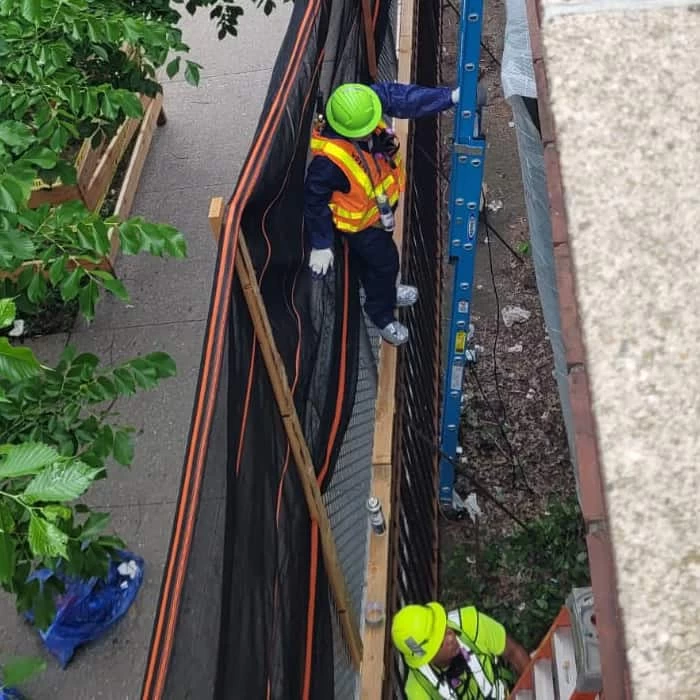
For older homes in the Northwest Harbor area, the process also includes pre-demolition testing for asbestos and lead when structural work is required. We hold the New York State Department of Labor licensing for asbestos abatement and EPA RRP certification for lead paint work which means the job doesn’t stop halfway through because a hazardous material was found behind a wall. It keeps moving, legally and safely, under one roof.
If your property is insured whether through a standard homeowners policy, a separate flood policy through the NFIP, or both we work directly with adjusters to document the damage thoroughly and support the claims process. For absentee owners managing this from the city, that matters. You shouldn’t have to be on-site to get this handled correctly.
How quickly can you respond to water damage at my Northwest Harbor property?
We offer 24/7 emergency response, and that applies to Northwest Harbor and the broader East Hampton area year-round including weekends and off-season months when most of the South Fork slows down. Response time depends on where the crew is dispatched from and current demand, but the goal is always to get someone on-site as fast as possible, because every hour matters when water is actively spreading through a structure.
For property managers or homeowners who aren’t local, remote coordination is something we handle regularly. You don’t need to be at the property for the assessment to begin or for work to get started. Our crew can meet a property manager, a neighbor with a key, or a caretaker on-site and begin the process while you’re still on the Long Island Expressway or in the city. Clear communication throughout is part of how this works you’ll know what’s happening without having to be there to manage it yourself.
My Northwest Harbor home was vacant all winter and I found water damage is mold already a problem?
Possibly, yes and that’s not meant to alarm you, it’s just the honest answer. Mold can begin colonizing within 24 to 48 hours of water exposure under the right conditions. If a pipe burst in December and your Northwest Harbor home wasn’t opened again until April, there’s a real chance that mold has already established itself somewhere in the structure even if you can’t see it yet.
The good news is that a thorough moisture assessment can tell you exactly what you’re dealing with before any assumptions are made. We use thermal imaging and calibrated moisture meters to map the full extent of moisture in the structure, including areas behind walls and under floors that aren’t visible. If mold is present, we handle remediation in-house you don’t need to bring in a separate company. If it’s not present but conditions are right for growth, the drying and treatment process is designed to make sure it stays that way.
Does water damage restoration require a permit from the Town of East Hampton?
It depends on the scope of the work. Basic water extraction and structural drying typically don’t require a permit. But if the damage is significant enough to require structural repairs replacing framing members, rebuilding walls, restoring mechanical systems then yes, a permit from the Town of East Hampton Building Department is likely required. The Town of East Hampton adopted the NYStretch Energy Code-2020 for building permit applications submitted from January 1, 2023 onward, which applies to substantial reconstruction and alterations.
We factor this into the job from the beginning, not something that gets discovered halfway through. Knowing what the local permitting requirements are before demolition or reconstruction starts prevents delays and keeps the project on track. If your property is in a coastal or bluff-adjacent area near Northwest Harbor Bay or Gardiners Bay, there may also be additional setback and coastal erosion regulations that apply to exterior or foundation work those are worth flagging early.
What if my Northwest Harbor home was built in the 1960s or 1970s does that affect the restoration process?
Yes, and it’s one of the most important questions you can ask before any restoration work begins. Homes built before 1980 which describes a significant portion of the housing stock throughout Northwest Harbor and the broader East Hampton area commonly contain asbestos in floor tiles, pipe insulation, ceiling textures, and roofing materials. Homes built before 1978 may also have lead paint throughout. These aren’t rare edge cases in this part of East Hampton; they’re standard construction materials from that era.
When water damage requires opening walls, removing flooring, or demolishing ceilings, New York State law requires that these materials be tested before the work proceeds. If asbestos or lead is found, it must be abated by a licensed contractor before restoration continues. We hold the required New York State Department of Labor licensing for asbestos abatement and EPA RRP certification for lead paint work, so the job doesn’t stop when these materials are found. It continues, legally and safely, without you having to locate a separate licensed abatement contractor on short notice.
Will my homeowners insurance cover water damage restoration in Northwest Harbor?
Most standard homeowners insurance policies cover sudden and accidental water damage a burst pipe, an appliance failure, a roof leak from storm damage. What they typically don’t cover is damage that resulted from long-term neglect or a slow leak that went unaddressed over time. For seasonally vacant homes in Northwest Harbor, this distinction matters, because a pipe that burst in January and wasn’t discovered until May could be characterized differently by an adjuster than one discovered the same day.
If your property is in a flood zone which applies to a number of homes near Three Mile Harbor, Sammy’s Beach, and other low-lying waterfront areas in the hamlet flood damage is generally covered under a separate NFIP flood insurance policy, not your standard homeowners policy. We work directly with insurance adjusters and provide thorough photographic and written documentation of all damage to support your claim, regardless of which policy applies. Having that documentation done correctly from the start significantly reduces disputes and delays in the claims process.
Can you handle water damage in a home that also needs mold remediation and asbestos work?
Yes and in Northwest Harbor specifically, that combination comes up more than you might expect. Older homes throughout the East Hampton area, particularly those built in the 1950s through the 1970s, frequently have asbestos-containing materials in the areas most likely to be affected by water damage: basement pipe insulation, floor tiles, ceiling materials. When water damage leads to mold growth in those same areas, you’re dealing with a job that requires licensed abatement work, mold remediation, and structural restoration all in the right sequence.
We handle all three in-house. Water extraction and drying come first to stop the active damage. If mold is present, we handle remediation using containment and treatment protocols that prevent cross-contamination. If demolition is required and hazardous materials are identified, abatement is completed under the appropriate state and federal licensing before reconstruction begins. For homeowners and property managers in Northwest Harbor who don’t want to coordinate between three different contractors on a single job, this is exactly the kind of situation where having one licensed, full-service company makes a real difference in how smoothly and how quickly everything gets resolved.