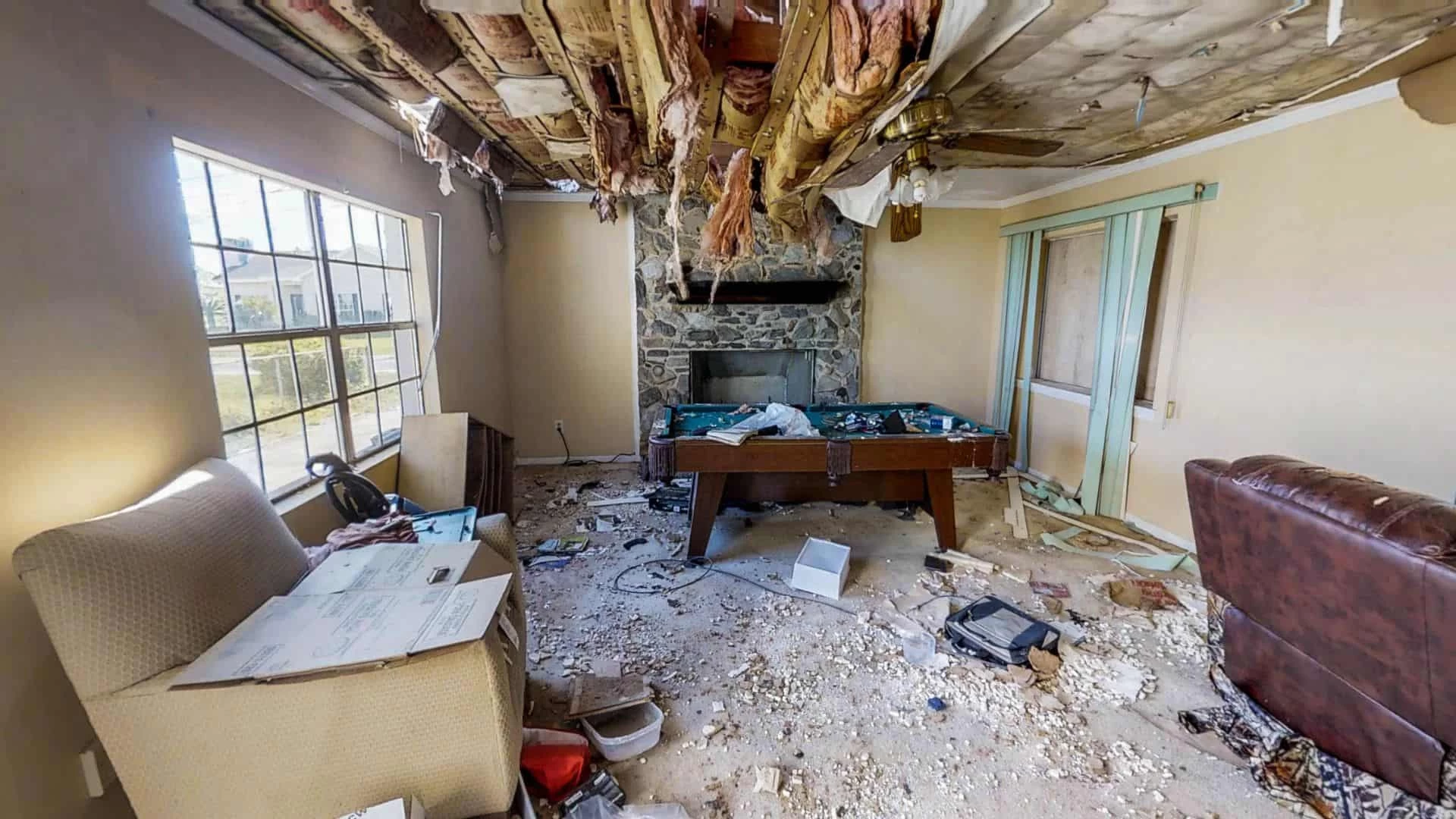
Mold starts growing within 48 hours of water exposure. For a seasonal home sitting empty on Noyac Bay, that window closes fast and nobody’s there to catch it. We respond around the clock so the damage stops where it started.
I needed a professional consultation explanation of procedure for safe removal of Asbestos in my apartment complex. Without having an account yet, I was very impressed with the caring, knowledgeable and generous advice offered by Jessica, and will look forward to doing business in the future. Thank you so much! I feel much more informed about a sometimes scary endeavor. Peace. Nancy Silva Mineola, NY.
Mia Munoz
Used this company to clean up some water flood in my house. They were fast and easy to work with.very professional, Would recommend to anyone!
Nini Valle
Great company, had a flood and they responded quickly and efficiently. Billed my insurance company directly. I highly recommend this company!
joe colapietro, jr
I had pipe freeze in my basement right before a snow storm and they made to within an hour to help start the clean up process. They we by our side throughout the entire process and even helped with the insurance company. They did such a great job with the cleanup, repair, remidiation, I contracted them to perform the repairs and finishes in the basement. They came with enough manpower and material to get the job done. Leo and Jessica were nothing but a pleasure to deal with!!
Cristian Arredondo c
I had some water damage in my home and Green Island was able to take care of my issue quickly and effectively. I am very pleased with the work they did. They responded quickly and were very professional.
Michael M
Outstanding service! From the office to the field crew everyone was friendly, helpful and responsive. I highly recommend Green Island Group.
Water damage isn’t just what you can see. It’s what’s sitting inside the wall cavity, soaking into the subfloor, or quietly growing behind the baseboard while the house sits locked up until Memorial Day weekend. By the time you open the front door and smell it, the problem is weeks old. That’s the reality for a lot of Noyack homeowners and it’s why fast, thorough water damage restoration matters more here than almost anywhere else on Long Island.
When the job is done right, you’re not just drying out a room. You’re getting a full picture of where moisture traveled, what it touched, and whether anything needs to come out. In Noyack’s older housing stock mid-century cottages and converted summer homes that were never built for year-round exposure water has a way of finding paths that newer construction doesn’t have. Aging plumbing, original subfloors, and decades-old insulation all absorb and hold moisture differently than modern materials.
The outcome you’re looking for isn’t just “dry.” It’s documented, verified, and cleared so your insurance claim is supported, your property value is protected, and you’re not dealing with a mold call six months from now.
We’re a Long Island-based environmental and restoration company not a national franchise routing your call through a call center in another state. When you call, you reach a real local team that operates across Suffolk County and understands the specific conditions that come with coastal properties near Noyac Bay and Little Peconic Bay in and around Noyack.
What sets us apart isn’t just response time. It’s that we handle the full scope water extraction, structural drying, mold remediation, asbestos abatement, and lead paint removal all under one roof. For a Noyack home built in the 1960s where a burst pipe has disturbed original floor tiles, that matters. You’re not coordinating three different contractors while your property sits wet.
Our technicians are IICRC-certified, which means the process follows the industry’s actual technical standard not whatever a subcontractor decides to do when they show up. That certification, combined with New York State environmental licensing, is the baseline you should expect from anyone working on a property like yours.
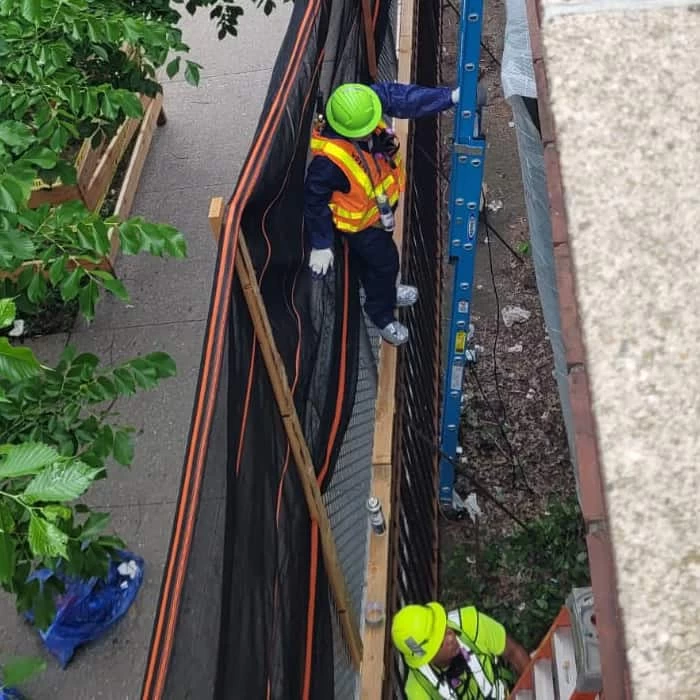
The first call triggers an immediate response 24 hours a day, seven days a week. If you’re calling from the city because your property manager found standing water in your Noyack home, you don’t need to be there. We can dispatch, assess, and begin mitigation with photo documentation from the moment we arrive, so you have a clear record of what was found and what was done.
On-site, our team uses thermal imaging cameras and calibrated moisture meters to map exactly where water has traveled not just where it’s visible. In bay-adjacent properties with high ambient humidity and older building assemblies, moisture hides in places a visual inspection won’t catch. That diagnostic step drives everything: what equipment gets placed, where it goes, and how long the drying phase runs.
Once the structure is dry and verified, the scope expands to whatever the damage uncovered. If there’s mold, we remediate it in-house. If the restoration work crosses into Southampton Town permit territory which it can, especially for properties in or near a FEMA flood zone we’re familiar with the local building division’s requirements and can help you navigate that process. The job isn’t done until the documentation is complete and the property is cleared.
Everything a Noyack Water Damage Job Actually Requires
Water damage restoration in Noyack isn’t a one-size service. A seasonal home on Long Beach Road that’s been closed since October has different needs than a year-round residence off Noyack Road with a sump pump failure. Our process adapts to what the property actually presents not a fixed package applied the same way every time.
The core service covers emergency water extraction, industrial drying equipment, moisture mapping, and structural assessment. But in Noyack specifically, that baseline frequently expands. Homes near the bay sit in or adjacent to AE and VE flood zones under Southampton Town Code Chapter 169, which means significant restoration work can trigger the town’s substantial improvement threshold where repairs reaching 50% of the structure’s pre-damage market value require full flood-resistant construction compliance. Understanding that before work begins protects you from a compliance problem mid-project.
Beyond structure, our environmental licensing covers the full range of what older Noyack properties may contain: asbestos in original floor tiles and pipe insulation, lead paint in pre-1978 walls, and mold that develops when water damage goes undetected in a vacant home. All of it is handled in-house, with direct insurance billing and adjuster coordination included so you’re not managing the claim on top of managing the damage.
What should I do if my Noyack vacation home floods while I'm away?
Call a restoration company immediately you don’t need to be there for the process to start. We can dispatch to your Noyack property, assess the damage, and begin water extraction and drying without requiring you to be on-site. We’ll document everything with photos and moisture readings from the moment we arrive, which protects your insurance claim and keeps you informed remotely.
The bigger risk with vacant properties isn’t the initial flooding it’s the time that passes before anyone notices. Mold can begin colonizing saturated materials within 24 to 48 hours. If your home has been closed since the fall and a pipe let go during a winter cold snap, the damage by the time it’s discovered may already involve secondary mold growth. Acting fast, even from a distance, is the most important thing you can do.
How do I know if my Noyack property is in a FEMA flood zone?
You can check your property’s flood zone designation using FEMA’s Flood Map Service Center at msc.fema.gov using your address or the 11963 ZIP code. Properties near Noyac Bay and Little Peconic Bay particularly along Long Beach Road and the bay-facing stretches of Noyack are frequently designated AE or VE zones under the Town of Southampton’s flood insurance rate maps.
Why this matters for water damage restoration: if your property is in a flood zone and the cost of restoration reaches 50% or more of your home’s pre-damage market value, Southampton Town’s substantial improvement rule kicks in. That threshold can require the entire structure to be brought into current flood-resistant construction compliance including elevation standards. With Noyack’s median property values above $1 million, the dollar threshold is high, but it’s still a real consideration for significant damage events. A restoration company familiar with Southampton Town’s building division can help you understand where your project stands before work begins.
Does water damage restoration in Noyack require a building permit?
It depends on the scope of the work. Mitigation activities water extraction, drying equipment, moisture monitoring typically don’t require a permit on their own. But once restoration moves into structural repair territory replacing drywall, repairing subfloors, rebuilding framing you’re generally in permit-required territory under the Town of Southampton Building Division.
For Noyack properties in flood zones, the permitting process has an added layer. Southampton Town Code Chapter 169 governs flood zone construction, and any work classified as a substantial improvement triggers compliance with current flood-resistant construction standards. That’s not a reason to avoid the work it’s a reason to make sure your restoration contractor understands the local regulatory environment before they start. We know how to coordinate with the building division and keep your project compliant from start to finish.
Can water damage in Noyack lead to asbestos or lead paint exposure?
Yes, and it’s more common than most homeowners expect. A significant portion of Noyack’s residential properties were built in the mid-20th century originally as summer cottages, many of which have since been converted to year-round or high-value vacation homes. Construction from that era routinely included asbestos in floor tiles, pipe insulation, and joint compound, as well as lead paint on interior and exterior surfaces.
When water damage restoration involves tearing out walls, pulling up flooring, or disturbing pipe insulation, those materials can become a hazard if they’re not handled properly. New York State and federal EPA regulations require licensed abatement for asbestos and compliance with RRP rules for lead paint work. We hold the environmental licensing to handle both in-house, which means the job doesn’t stop at drying it continues through safe removal and clearance of any hazardous materials disturbed by the damage.
How long does water damage restoration typically take for a Noyack home?
The drying phase alone getting structural materials to acceptable moisture levels typically takes three to five days with professional equipment in place. But the full timeline depends on how long the water was present before mitigation started, how far it traveled through the structure, and what secondary issues it uncovered.
For Noyack’s seasonal properties, where water damage is often discovered weeks after it started, the timeline frequently extends beyond a straightforward drying job. If mold is present, remediation adds time. If the damage involves older building materials that require abatement, that process runs on its own regulatory timeline. If Southampton Town permits are required for structural repairs, inspections add additional steps. The honest answer is that a thorough job takes as long as the damage requires and cutting that timeline short is exactly how a remediation becomes a gut renovation two years later.
Will my homeowner's insurance cover water damage restoration in Noyack, NY?
Most standard homeowner’s insurance policies cover sudden and accidental water damage a burst pipe, an appliance failure, a roof leak from a storm. What they typically don’t cover is flooding caused by rising water from outside the home, which requires a separate flood insurance policy through FEMA’s National Flood Insurance Program or a private flood carrier. For Noyack homeowners in designated flood zones along Noyac Bay, that distinction is critical.
The other thing to know: documentation drives claims. The more thoroughly the damage is recorded with photos, moisture meter readings, and a written scope of loss from the moment mitigation begins, the stronger your claim. Hamptons-area properties are frequently insured through premium carriers like Chubb or PURE, which have specific documentation expectations. We work directly with insurance adjusters and handle billing coordination, so you’re not managing the paperwork on top of managing the property from a distance.