When Water Moves Through Your Oceanside Home, Speed Matters
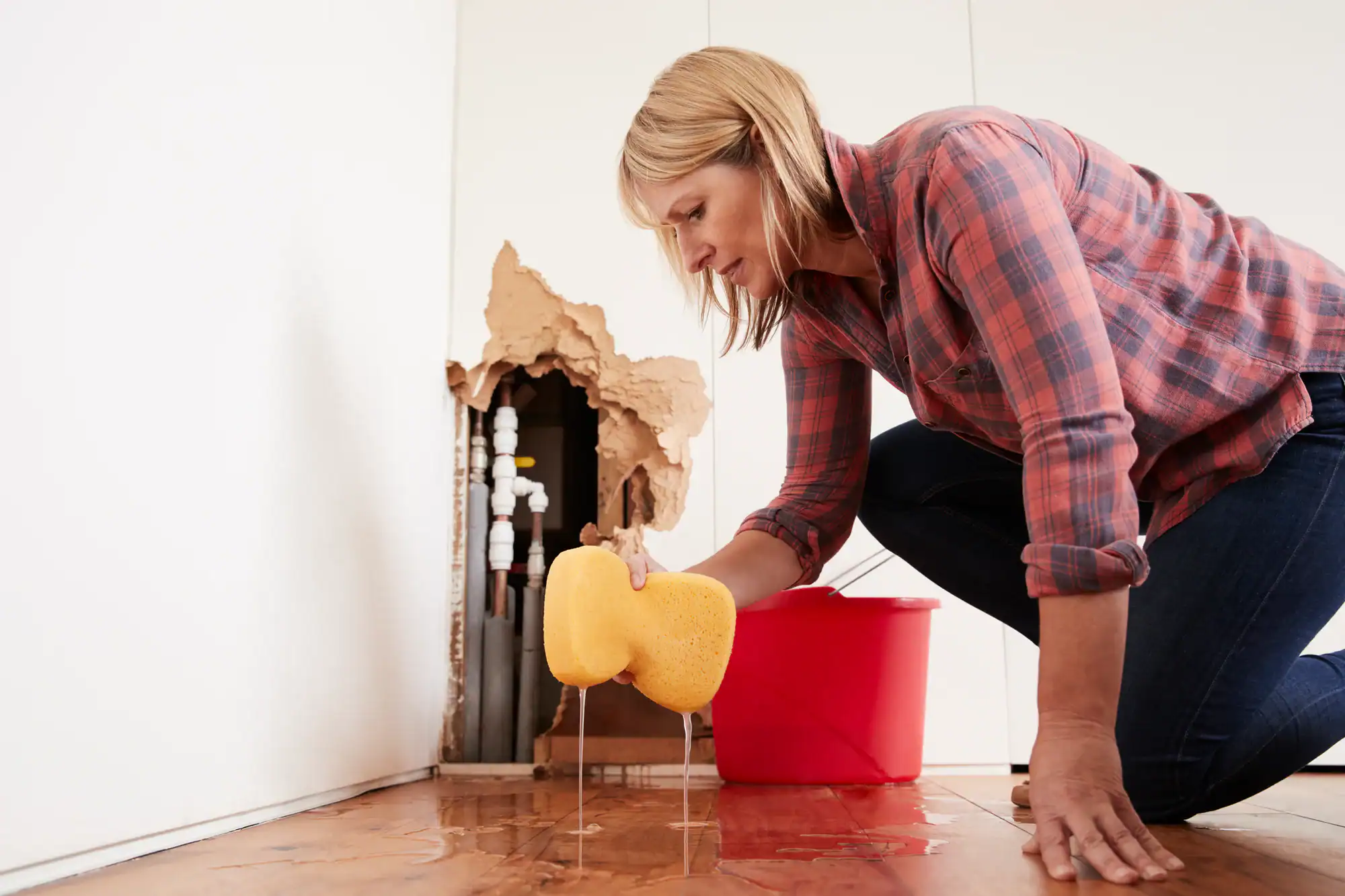
When water is moving through your home, every hour it sits is an hour mold gets closer to your walls. We respond fast to Oceanside with a local crew that already knows what South Shore water damage looks like — and what it can become if it’s not addressed completely.
I needed a professional consultation explanation of procedure for safe removal of Asbestos in my apartment complex. Without having an account yet, I was very impressed with the caring, knowledgeable and generous advice offered by Jessica, and will look forward to doing business in the future. Thank you so much! I feel much more informed about a sometimes scary endeavor. Peace. Nancy Silva Mineola, NY.
Mia Munoz
Used this company to clean up some water flood in my house. They were fast and easy to work with.very professional, Would recommend to anyone!
Nini Valle
Great company, had a flood and they responded quickly and efficiently. Billed my insurance company directly. I highly recommend this company!
joe colapietro, jr
I had pipe freeze in my basement right before a snow storm and they made to within an hour to help start the clean up process. They we by our side throughout the entire process and even helped with the insurance company. They did such a great job with the cleanup, repair, remidiation, I contracted them to perform the repairs and finishes in the basement. They came with enough manpower and material to get the job done. Leo and Jessica were nothing but a pleasure to deal with!!
Cristian Arredondo c
I had some water damage in my home and Green Island was able to take care of my issue quickly and effectively. I am very pleased with the work they did. They responded quickly and were very professional.
Michael M
Outstanding service! From the office to the field crew everyone was friendly, helpful and responsive. I highly recommend Green Island Group.
There’s a difference between a home that looks dry and a home that is dry. In Oceanside, where much of the housing stock dates back to the 1940s and 1950s, water doesn’t just sit on the surface — it moves into plaster walls, old-growth wood framing, and subfloor materials that were never designed to shed moisture the way modern construction does. By the time a surface feels dry to the touch, moisture can already be working its way through cavities you can’t see without the right equipment.
That matters more here than in most places on Long Island. The southern sections of Oceanside border tidal canals that connect directly to the bay system. When a nor’easter pushes water up through those channels — or when an aging pipe finally gives out in a Cape Cod that’s been standing since Eisenhower was president — the water intrusion isn’t a minor inconvenience. It’s a structural event. And if it’s not addressed completely, the follow-on problem is mold, which can begin growing inside wall cavities within 24 to 48 hours of the initial intrusion.
When restoration is done right, you get your home back — not just a dry floor. You get confirmed moisture readings throughout the structure, documentation we can actually provide to your insurance company, and the confidence that nothing is hiding behind your walls waiting to become a bigger problem six weeks from now. That’s the outcome worth paying for.
Local Ownership in Oceanside Means Actual Accountability
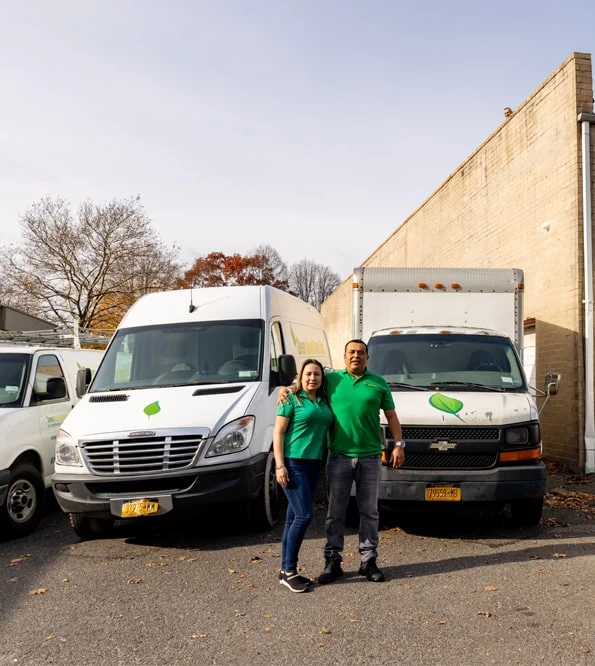
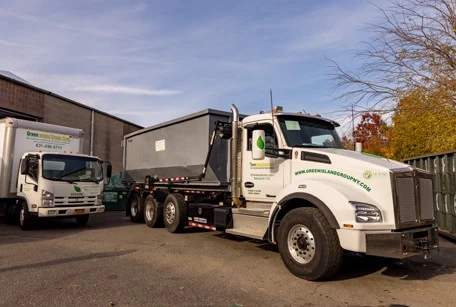
Green Island Group is a Long Island company — not a franchise unit, not a call center routing your emergency to whoever’s available. When you call us in Oceanside, you’re reaching a team that operates here, dispatches from here, and has worked in homes across Nassau County’s South Shore, including throughout Oceanside’s residential neighborhoods.
The national brands that show up in search results are independently owned franchise operations. That means the name is national, but the crew, the accountability, and the consistency are variables. We don’t work that way. The team that arrives on day one is the team that sees the job through. In a community like Oceanside, where neighbors talk and word travels fast down Long Beach Road, that consistency isn’t optional — it’s the whole point.
We carry IICRC certification and full licensing under New York’s 2016 Mold Law, which requires separate state credentials for mold remediation. Not every operator in Nassau County has both. We do.
The first thing that happens when we arrive is assessment — not assumptions. We use thermal imaging cameras and calibrated moisture meters to map every affected area, including the ones that aren’t visible to the eye. In Oceanside’s older homes, water rarely stays where it started. It follows the path of least resistance through wall cavities, under original hardwood floors, and into structural framing. We find it before it becomes a mold problem.
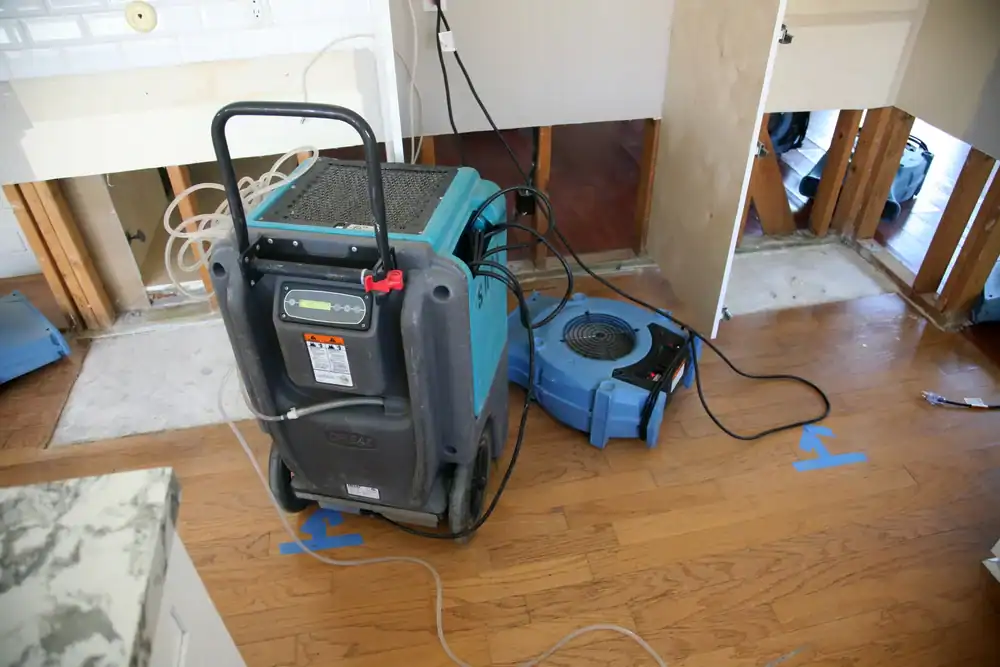
Once we have a full picture of what’s affected, we extract standing water and begin structural drying using industrial-grade equipment — not consumer fans and a rented dehumidifier. The drying process is monitored daily with logged moisture readings, which matters for two reasons: it tells us when the structure is actually dry, and it gives your insurance company the documentation they need to process your claim without pushback. In Nassau County, where homes were frequently built on land that was historically low-lying or wetland, getting to true structural dryness takes longer than it looks on the surface.
When moisture readings confirm the structure is dry — not just surface-dry, actually dry — we move into restoration. That means repairing or replacing damaged materials, coordinating any required permits through the Town of Hempstead where applicable, and leaving you with a complete record of everything that was done. If mold remediation is needed, we handle that under our separate NYS mold remediation license, so you’re not managing two different contractors.
Water damage restoration in Oceanside isn’t a one-size situation. A finished basement that took on water during a storm surge event off the canal system requires a different approach than a burst pipe in a second-floor bathroom. What stays consistent across every job is our process: thermal imaging assessment, full moisture mapping, water extraction, structural drying with daily monitoring, and final clearance readings before we close out the job.
Insurance documentation is built into every step. That means photographic evidence of all affected areas before work starts, moisture logs throughout the drying process, equipment records, and a final report in the format adjusters actually use. Oceanside homeowners who dealt with insurance claims after Hurricane Sandy know how quickly a claim can stall when the documentation isn’t right. We make sure yours isn’t one of them.
For jobs where mold is present or suspected — which is common in homes along the southern canal streets after any significant water event — we handle mold remediation under our NYS-licensed mold remediation credentials, as required under New York’s 2016 Mold Law. We also work with homeowners in the older residential sections near Sunrise Highway and Merrick Road where aging plumbing is the more common culprit, and the damage profile is different but no less serious. Whatever the source, the goal is the same: a fully restored home with nothing left behind.
How quickly can water damage lead to mold in an Oceanside home?
Mold can begin growing within 24 to 48 hours of water intrusion — and that window applies directly to the materials common in Oceanside’s post-war housing stock. Drywall, wood lath, original plaster, and old-growth lumber all absorb moisture quickly and hold it longer than modern materials. The problem is that surface drying doesn’t reflect what’s happening inside the wall cavity or beneath the subfloor, where conditions can stay wet for days or weeks without any visible sign.
In homes along the southern sections of Oceanside — particularly those near the canal system that connects to the bay — water intrusion events tend to be more significant than a single pipe failure. Storm surge and tidal flooding push water into multiple areas of a home simultaneously, which means the moisture load is higher and the drying timeline is longer. Professional structural drying with daily moisture monitoring is the only way to confirm that the 24 to 48 hour window hasn’t already been crossed somewhere inside your walls.
Does homeowners insurance cover water damage from a basement flood in Oceanside, NY?
It depends on the source of the water, and the distinction matters a lot. Standard homeowners insurance in New York typically covers sudden and accidental water damage — a burst pipe, an appliance failure, a roof leak during a storm. What it generally does not cover is flooding from an external source, like storm surge or rising groundwater, which requires separate flood insurance through the National Flood Insurance Program (NFIP) or a private flood policy.
For Oceanside homeowners, this is a real and practical concern. Properties in the southern sections of the hamlet near the tidal canal system may be in designated FEMA flood zones, which affects both coverage requirements and claim processing. If you’re not sure what your policy covers, the documentation we provide — moisture mapping, thermal imaging results, equipment logs, and a full written scope — gives your adjuster everything needed to evaluate the claim accurately. We also communicate directly with carriers on your behalf, which can make a significant difference in how quickly and completely a claim is resolved.
What should I do immediately after my basement floods before the crew arrives?
The most important thing is to stop adding risk while you’re waiting. If it’s safe to do so, shut off the main water supply if the flood is from an internal source like a burst pipe. Don’t run fans or open windows in an attempt to dry things out — moving air through a wet space without proper equipment can actually spread moisture into areas that weren’t affected and accelerate mold conditions inside wall cavities.
Document everything before anything is moved or removed. Photos and video of the water level, the affected materials, and the visible damage create a baseline that supports your insurance claim. Don’t throw anything away yet — even damaged materials may need to be assessed before disposal for claim purposes. If the water is from a sewage backup or has any discoloration, treat it as a contamination event and keep people and pets out of the area entirely. When we arrive, we’ll take it from there with a full assessment before any work begins.
How long does water damage restoration typically take in an Oceanside, NY home?
The drying phase alone — just getting the structure to confirmed dry readings — typically takes three to five days for a standard water damage event. That timeline can extend depending on the size of the affected area, the materials involved, and how long the water was present before remediation started. In Oceanside’s older Cape Cod and ranch-style homes, original plaster walls and wood subfloors retain moisture longer than modern drywall and engineered flooring, which means the drying phase sometimes runs longer than it would in a newer build.
After structural drying is confirmed, the restoration phase — repairing or replacing damaged materials — varies based on scope. A contained pipe failure in a finished basement might be resolved in a week. A more significant event involving multiple rooms, structural materials, or mold remediation will take longer. We give you a realistic timeline after the initial assessment, not a number pulled from a brochure. If permits are required through the Town of Hempstead for any structural repairs, we factor that into the schedule upfront so there are no surprises.
Is mold remediation covered under the same service, or is it a separate process in New York?
In New York, mold assessment and mold remediation are legally separate services that require their own state licenses under the 2016 NY Mold Law, administered by the NYS Department of Labor. This isn’t a technicality — it’s a law that was enacted specifically because unlicensed mold work was producing incomplete and sometimes harmful results, a problem that became highly visible across Long Island’s South Shore communities in the aftermath of Hurricane Sandy.
What this means practically is that any company performing mold remediation in Oceanside needs to hold a valid NYS mold remediation license — separate from their general contractor or restoration license. We hold this license, which means if mold is identified during or after water damage restoration, we can handle it as part of the same engagement rather than handing you off to a second contractor. It also means the work is performed to the legal standard required in New York, which matters for both your health and your insurance claim.
Why does water damage in Oceanside tend to be more severe than in other Nassau County towns?
A few things converge in Oceanside that don’t apply to most inland Nassau communities. The southern half of the hamlet borders a tidal canal system that connects directly to the bay, which means storm events and heavy rainfall don’t just produce surface flooding — they can push water up through drainage systems and into homes at ground level. Much of the residential development in Oceanside was built on land that was historically swampland or low-lying coastal terrain, which affects how groundwater behaves during and after rain events.
On top of that, the majority of the housing stock was built between the 1940s and 1960s. Plumbing systems in those homes are now 60 to 80 years old, and cast-iron or galvanized steel pipes don’t fail gradually — they fail suddenly. When they do, the water moves through original building materials that absorb and retain moisture very differently than modern construction. Add in the community’s direct experience with Hurricane Sandy in 2012 — when floodwaters reached as far north as Long Beach Road and left hundreds of homes with damage that took months to fully surface — and you have a town where water damage carries a different weight than it does in other parts of Nassau County. Treating it with that level of seriousness is the only approach that actually works in Oceanside.