When the North Fork's Weather Gets Inside Your Walls
Orient’s coastal exposure, aging homes, and long winters create water damage situations that most restoration companies aren’t equipped to handle. We are.
I needed a professional consultation explanation of procedure for safe removal of Asbestos in my apartment complex. Without having an account yet, I was very impressed with the caring, knowledgeable and generous advice offered by Jessica, and will look forward to doing business in the future. Thank you so much! I feel much more informed about a sometimes scary endeavor. Peace. Nancy Silva Mineola, NY.
Mia Munoz
Used this company to clean up some water flood in my house. They were fast and easy to work with.very professional, Would recommend to anyone!
Nini Valle
Great company, had a flood and they responded quickly and efficiently. Billed my insurance company directly. I highly recommend this company!
joe colapietro, jr
I had pipe freeze in my basement right before a snow storm and they made to within an hour to help start the clean up process. They we by our side throughout the entire process and even helped with the insurance company. They did such a great job with the cleanup, repair, remidiation, I contracted them to perform the repairs and finishes in the basement. They came with enough manpower and material to get the job done. Leo and Jessica were nothing but a pleasure to deal with!!
Cristian Arredondo c
I had some water damage in my home and Green Island was able to take care of my issue quickly and effectively. I am very pleased with the work they did. They responded quickly and were very professional.
Michael M
Outstanding service! From the office to the field crew everyone was friendly, helpful and responsive. I highly recommend Green Island Group.
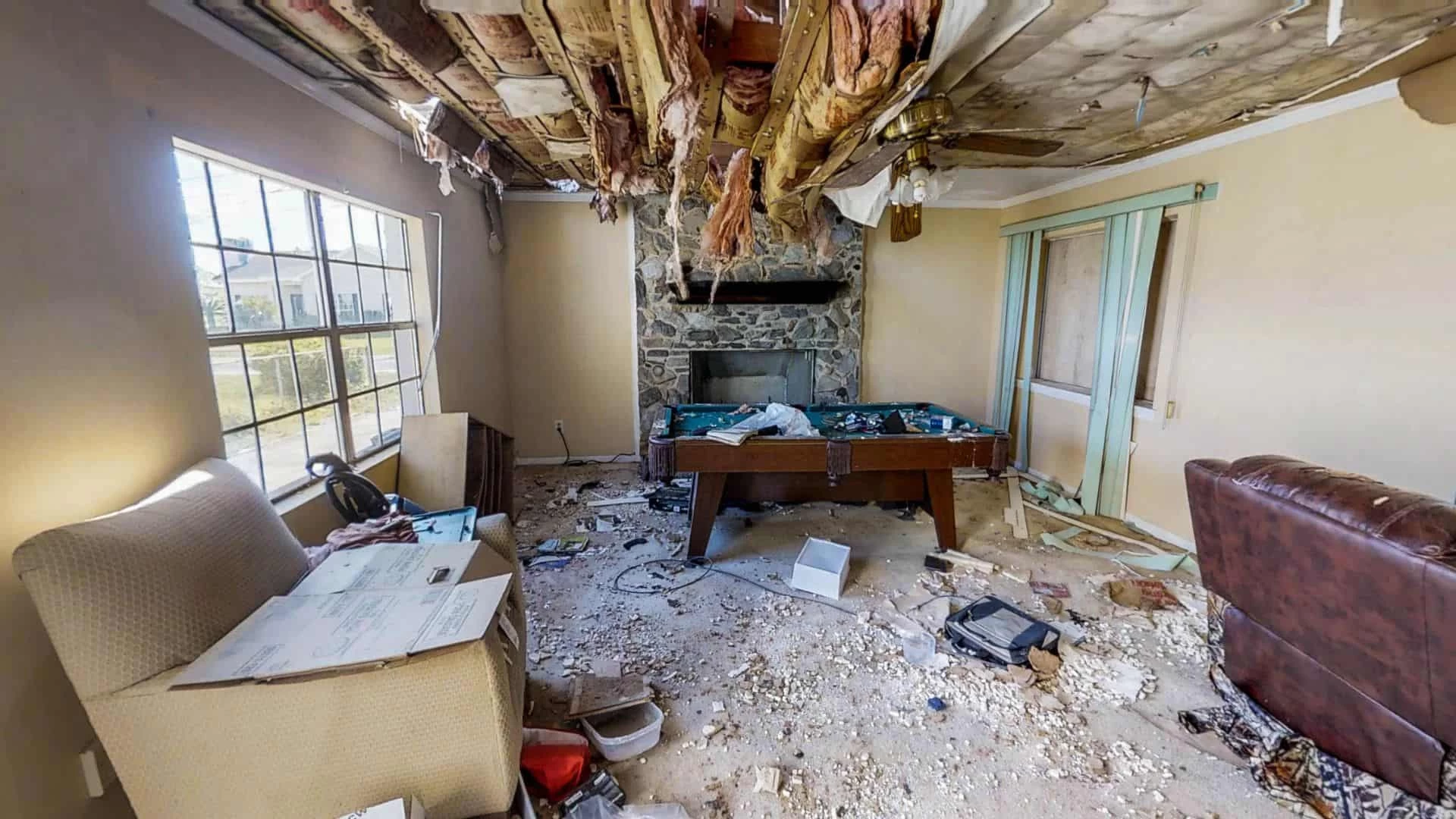
Water damage in Orient rarely stops at the surface. These homes are old many built in the 18th and 19th centuries and original plaster walls, wide-plank floors, and hand-cut framing hold moisture far longer than modern materials. When water gets in, it travels deep, and what looks dry on the outside can still be saturated inside structural members for weeks.
The bigger concern is what comes next. Mold begins colonizing within 24 to 48 hours of a water event and for the significant number of Orient homeowners who aren’t on-site full-time, that window closes long before anyone even knows there’s a problem. A pipe that bursts in January in an unoccupied seasonal home on Village Lane or along Orient Harbor isn’t discovered until spring. By then, you’re not dealing with water damage anymore. You’re dealing with water damage and an established mold problem.
What you actually want when this is over is a home that’s been fully dried, tested, and cleared not patched and handed back. That means addressing the moisture you can see and the moisture you can’t, treating mold where it’s already started, and restoring materials in a way that respects what your home is made of. That’s the difference between a real restoration and a temporary fix.
Local Knowledge of the North Fork, Multi-Service Depth, One Point of Contact
We serve Long Island, Queens, and the NYC metro area as a full-service environmental and property restoration company not a franchise, not a call center, not a crew dispatched from a territory map. When you call about a property in Orient, you’re reaching people who actually know the North Fork, understand what’s in these homes, and have the licensing to handle whatever we find.
That licensing matters more in Orient than almost anywhere else on Long Island. Homes throughout the hamlet including those in and around the Village Lane Historic District predate modern construction standards by a century or more. Asbestos in insulation, floor tiles, and plaster, and lead paint on original woodwork, are not hypothetical concerns here. They’re real. We hold New York State Department of Labor asbestos abatement licensing and EPA RRP certification for lead paint, in addition to IICRC certification for water damage and mold. Most water-only restoration operators don’t carry all of that.
When your property is at the end of a 40-mile road and you can’t always be there, you need a company that shows up, documents everything, communicates clearly, and does the job right without you standing over us. That’s what we do.
What Actually Happens From First Call to Finished Job
It starts with an honest assessment. When we arrive whether you’re there or not we document everything before we touch anything. Photos, moisture readings, scope notes. If you’re managing this from Manhattan or Connecticut while your Orient property sits at the end of Route 25, you’ll know exactly what we found and what it means before any work begins.
From there, we extract standing water and begin the structural drying process. In Orient’s older homes, this takes longer than it does in a modern build. Original materials absorb moisture differently, and we monitor drying progress with calibrated equipment rather than guessing. If mold is already present which it often is when discovery has been delayed mold remediation is integrated into the same project scope, not handed off to a separate company on a separate timeline.
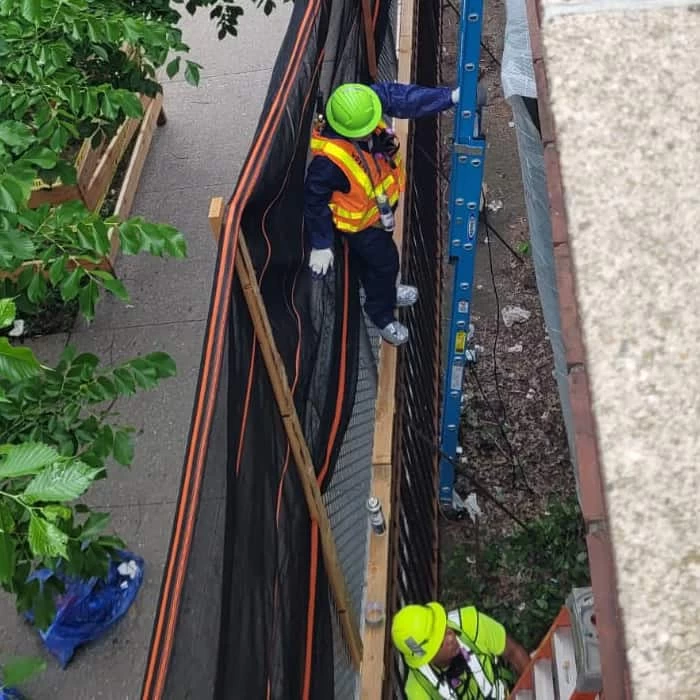
If the scope of work involves demolition of original materials plaster, flooring, insulation we test for asbestos and lead before anything gets disturbed. Any structural repairs that follow require permits through the Town of Southold, and properties in Orient’s historic district may also involve review by the Southold Town Historic Preservation Commission for exterior work. We know how that process works, and we handle it. When the job is finished, we don’t just hand it back and leave air quality testing confirms the space is safe before you’re asked to reoccupy it.
Built for Orient's Homes, Not Generic Long Island Jobs
Orient’s water damage risk profile is unlike most of Long Island. You have coastal flooding from three sides Long Island Sound, Gardiner’s Bay, and Orient Harbor a housing stock that spans three centuries, a significant seasonal-vacancy situation, and a single road in and out that can take two hours to travel in summer. The restoration service that works in a 1990s Hauppauge colonial is not the same service that works here.
We provide water damage restoration in Orient covering emergency water extraction, structural drying, moisture mapping, mold assessment and remediation, asbestos testing and abatement, lead paint handling, air quality testing, and full structural and finish restoration. That’s not a list of upsells it’s the realistic scope of what a water event in an older Orient home often requires, handled by one company under one project.
Coastal flooding events, like the nor’easters that pushed two feet of water above ground level into Orient’s waterfront areas in late 2025, involve saltwater intrusion which is classified as Category 3 contaminated water under IICRC standards. That requires a different protocol than a burst pipe, and it’s something we’re equipped to handle. Whether your damage came from a storm, a failed pipe, a roof leak, or a slow moisture problem that went undetected through a winter of vacancy, the response is thorough, documented, and built around what your specific property actually needs.
My Orient home was vacant all winter how bad could the damage actually be?
Honestly, it depends on how long the water was present and what it touched but in an older Orient home, the answer is often: more than it looks. Original plaster walls, wood lath, wide-plank subfloors, and uninsulated crawl spaces absorb and hold moisture for extended periods. What appears dry on a visual inspection can still be saturated inside the wall cavity or beneath the floor.
The more pressing issue is mold. Mold colonization begins within 24 to 48 hours of a water event. If a pipe burst in January and you’re discovering it in April, you’re not just dealing with water damage mold has had months to establish itself in areas you may not be able to see. The scope of restoration in that scenario is significantly larger than a same-day discovery, and it requires integrated water and mold remediation handled together, not sequentially by two different companies. That’s exactly the kind of job we handle regularly for Orient homeowners who aren’t on-site year-round.
Does homeowners insurance cover water damage from a burst pipe in Orient, NY?
Standard homeowners insurance typically covers sudden and accidental water damage a burst pipe, a failed appliance, an ice dam that forces water through the roof. What it generally doesn’t cover is flooding from an external source, like storm surge or coastal flooding from Long Island Sound or Gardiner’s Bay. For that, you’d need a separate flood policy through the National Flood Insurance Program, which many Orient homeowners with waterfront or low-elevation properties carry.
The complication in Orient is that a single storm event can produce both types of damage simultaneously water coming in from outside through storm surge, and a pipe that failed because the home was unheated and unoccupied during the same storm. Documenting which damage came from which source, and matching it to the correct policy, requires careful scope separation and clear communication with your adjuster. We handle direct billing and adjuster coordination with all major carriers, including NFIP documentation, so you’re not navigating that process alone.
My Orient home is over 100 years old do I need to worry about asbestos during restoration?
Yes, and it’s not something to skip over. Homes built before 1980 may contain asbestos-containing materials, and in Orient, where a large portion of the housing stock predates 1940 and many structures predate the 20th century entirely asbestos in pipe insulation, floor tiles, plaster, and ceiling materials is a realistic finding, not a remote possibility.
Under New York State law, asbestos abatement requires a licensed contractor certified through the New York State Department of Labor’s Asbestos Safety Program. This isn’t optional, and it’s not something a general contractor or an unlicensed restoration crew can legally perform. If water damage restoration involves demolition of original materials which it often does in older Orient homes and those materials contain asbestos, disturbing them without proper abatement creates a health hazard and a legal liability that far exceeds the original water damage. We hold full NYSDOL asbestos abatement licensing. We test before we touch, and we handle it correctly.
How long does water damage restoration take for a home in Orient, NY?
For a relatively straightforward water event a single burst pipe discovered quickly in an occupied home structural drying alone typically takes three to five days with professional equipment running continuously. Full restoration of affected materials, including any drywall or flooring replacement, can add another one to two weeks depending on scope.
In Orient, timelines often run longer for a few reasons. Older homes with original materials take more time to dry thoroughly than modern construction. If mold remediation is required which it frequently is when damage has gone undetected through a period of vacancy that adds time to the process. Permit requirements through the Town of Southold for structural repairs add a scheduling layer that doesn’t exist in all municipalities. And if the property is in or near Orient’s historic district, exterior restoration work may require review by the Southold Town Historic Preservation Commission before it can proceed. We factor all of that into the project timeline upfront so there are no surprises.
What's the difference between water damage and flood damage and why does it matter in Orient?
The distinction matters because it affects your insurance coverage, the restoration protocol, and the health risk involved. Water damage in insurance terms typically refers to water that originates inside the home a burst pipe, an overflowing appliance, a roof leak. Flood damage refers to water that enters from an external natural source, like storm surge, rising groundwater, or coastal inundation.
In Orient, this distinction is especially relevant. The hamlet sits at the end of the North Fork surrounded by Long Island Sound, Gardiner’s Bay, and Orient Harbor, and documented nor’easters have pushed coastal flooding of up to two feet above ground level into waterfront areas. Saltwater from storm surge is classified as Category 3 contaminated water under IICRC standards the same category as sewage. It requires full biohazard remediation protocols, not standard water extraction. Treating a saltwater flood event like a burst pipe is a serious mistake that leaves contamination behind. Knowing which type of water event you’re dealing with and handling it accordingly is something we assess from the moment we arrive.
Can you handle water damage restoration if I'm not able to be at my Orient property in person?
Yes, and this is one of the most common situations we work with on the North Fork. A significant portion of Orient’s homeowners are seasonal residents or second-home owners who aren’t on-site when damage occurs or is discovered. You may be in the city, you may be out of state and your property is at the end of a 40-mile stretch of Route 25 that you can’t just drive down on short notice.
Our process is built around keeping you fully informed without requiring you to be physically present. We document all damage with photos and written assessments before work begins, provide clear scope communication before anything is authorized, and update you throughout the project. Insurance documentation including adjuster coordination and any NFIP flood claim paperwork is handled on our end. When the job is complete, you receive a full record of what was found, what was done, and the air quality results confirming the space is safe. You don’t have to be standing in the room for this to be done right. That’s the point.