I needed a professional consultation explanation of procedure for safe removal of Asbestos in my apartment complex. Without having an account yet, I was very impressed with the caring, knowledgeable and generous advice offered by Jessica, and will look forward to doing business in the future. Thank you so much! I feel much more informed about a sometimes scary endeavor. Peace. Nancy Silva Mineola, NY.
Mia Munoz
Used this company to clean up some water flood in my house. They were fast and easy to work with.very professional, Would recommend to anyone!
Nini Valle
Great company, had a flood and they responded quickly and efficiently. Billed my insurance company directly. I highly recommend this company!
joe colapietro, jr
I had pipe freeze in my basement right before a snow storm and they made to within an hour to help start the clean up process. They we by our side throughout the entire process and even helped with the insurance company. They did such a great job with the cleanup, repair, remidiation, I contracted them to perform the repairs and finishes in the basement. They came with enough manpower and material to get the job done. Leo and Jessica were nothing but a pleasure to deal with!!
Cristian Arredondo c
I had some water damage in my home and Green Island was able to take care of my issue quickly and effectively. I am very pleased with the work they did. They responded quickly and were very professional.
Michael M
Outstanding service! From the office to the field crew everyone was friendly, helpful and responsive. I highly recommend Green Island Group.
Dry Walls, No Hidden Moisture, No Mold Surprise Later
Water damage in Oyster Bay isn’t the same as water damage anywhere else on Long Island. You’re dealing with a tidal harbor that feeds directly into Long Island Sound, a water table that sits unusually high across Nassau County, and housing stock that in many cases predates World War II. That combination — harbor exposure, groundwater pressure, and aging construction — means moisture finds its way into places that a surface-dry floor will never tell you about.
What you actually need after a water event isn’t just fans running for a day. You need someone with thermal imaging equipment confirming that the moisture inside your walls, beneath your original hardwood floors, and behind your plaster is gone — not just the moisture you can see. For a home in Oyster Bay that may have stone foundation walls, original wood framing, or plaster ceilings, “looks dry” and “is dry” are two very different things.
When the job is done right, you’re not thinking about it six weeks later. No musty smell creeping back. No discoloration showing up on a wall you thought was fine. No call to a mold remediation company because the first restoration left moisture trapped where no one checked. That’s the actual outcome — not just a dry basement, but confidence that your home is genuinely restored.
Not a Franchise. Not Based in Jericho. Actually in Oyster Bay.
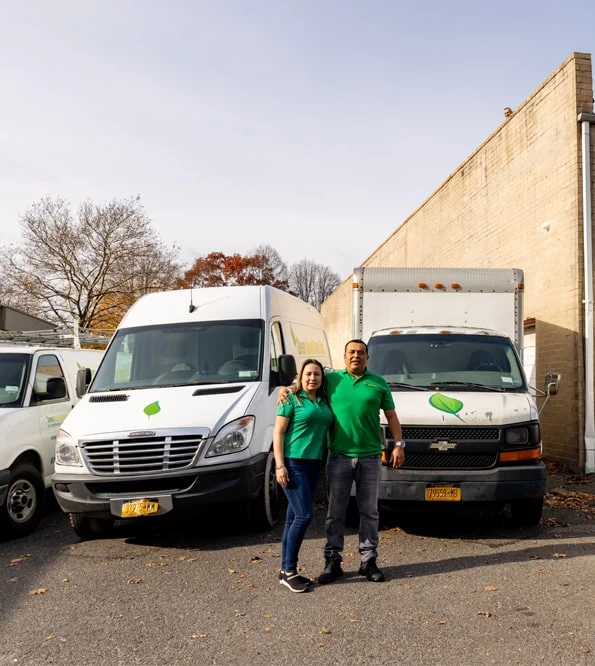
We’re independently owned and operated, which means the person making decisions about your job isn’t answering to a corporate franchise agreement — they’re answerable to you and to this community. When you call us after a nor’easter has pushed harbor water into your basement at midnight, you’re reaching someone local, not a call center routing your information somewhere else.
We’ve worked on homes throughout the North Shore — from harbor-adjacent properties in Oyster Bay to older colonials near Locust Valley and flood-prone streets in Bayville. We know what Nassau County’s groundwater does to basements in March. We know what freeze-thaw cycling does to pipes in homes built before modern plumbing standards. And we know that a home near Oyster Bay Harbor requires a different level of attention than a post-war split-level in a drier part of the county.
That local knowledge isn’t a marketing line. It’s the difference between a restoration that holds and one that doesn’t.
What Happens From Your First Call to a Fully Dry Home
When you call, you reach a real person — not a call center routing your information somewhere else. We’ll ask a few quick questions about what happened, where the water is, and what your home looks like, and we’ll get a crew moving toward Oyster Bay. Response time matters here more than in a lot of places because older homes absorb moisture faster than newer construction. Plaster walls, original wood framing, and stone foundations don’t give you the same buffer that modern materials do.
Once on-site, the first priority is stopping any active water source and assessing the full scope of damage — not just what’s visible. We use thermal imaging cameras to find moisture hidden inside walls and beneath flooring before it becomes a mold problem. In Oyster Bay’s older homes, this step isn’t optional. Moisture trapped inside a 1920s colonial doesn’t announce itself until the damage is already significant.
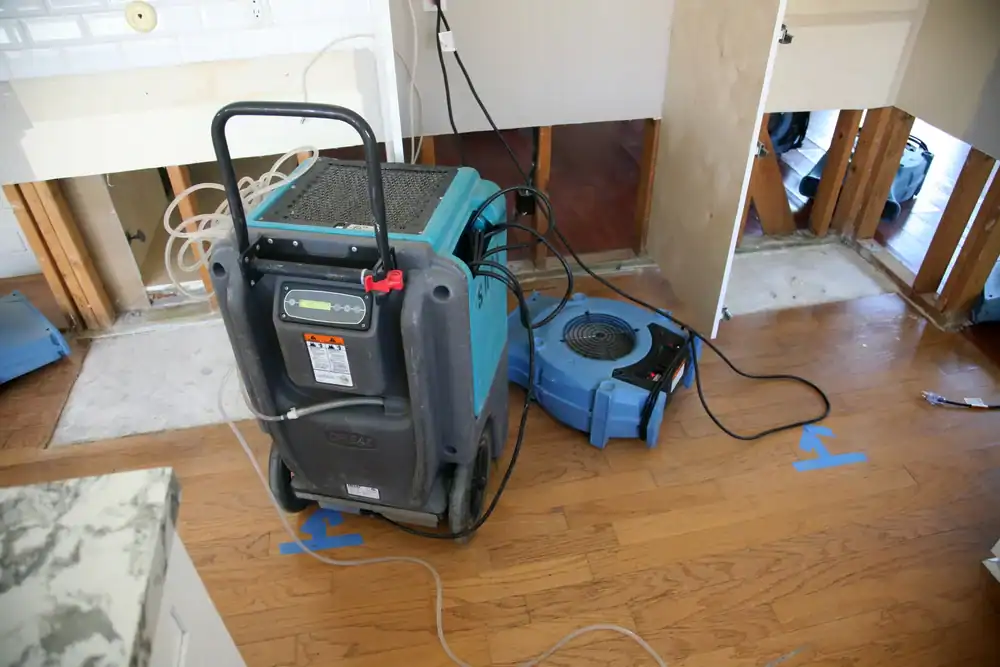
From there, we set industrial-grade drying equipment and monitor moisture readings throughout the process. We don’t call the job done when the floor feels dry — we call it done when the instruments confirm it. If your damage involves an insurance claim, we handle the documentation and work directly with your carrier so you’re not managing that process on top of everything else. Any structural restoration work requiring permits through the Town of Oyster Bay Building Department gets handled properly, with no shortcuts on the compliance side.
Water damage restoration isn’t a single task — it’s a sequence of connected steps, and skipping any one of them is how jobs fail. What we provide starts with a thorough assessment using thermal imaging and moisture meters, so the full picture is documented before any equipment goes down. That documentation matters for your insurance claim, and it matters for making sure nothing gets missed in a home with the kind of construction complexity common in Oyster Bay.
Extraction, drying, and dehumidification follow — sized to the actual job, not a one-size-fits-all setup. For homes near Oyster Bay Harbor or in lower-lying areas where Nassau County’s high water table makes groundwater intrusion a recurring issue, we account for the source of the moisture, not just the symptom. There’s a meaningful difference between drying out a basement that flooded from a burst pipe and addressing one that’s pulling in groundwater through a foundation that’s been doing it for years.
If mold is present or at risk of developing, our team is fully licensed under New York State’s Mold Law — which requires separate state licensing for both mold assessment and mold remediation. A lot of operators in this market don’t carry that license. For a homeowner in an older North Shore property, that distinction is not minor. It’s the difference between a legally compliant job that your insurance company will stand behind and one that creates complications down the road.
How quickly can we respond to water damage in Oyster Bay?
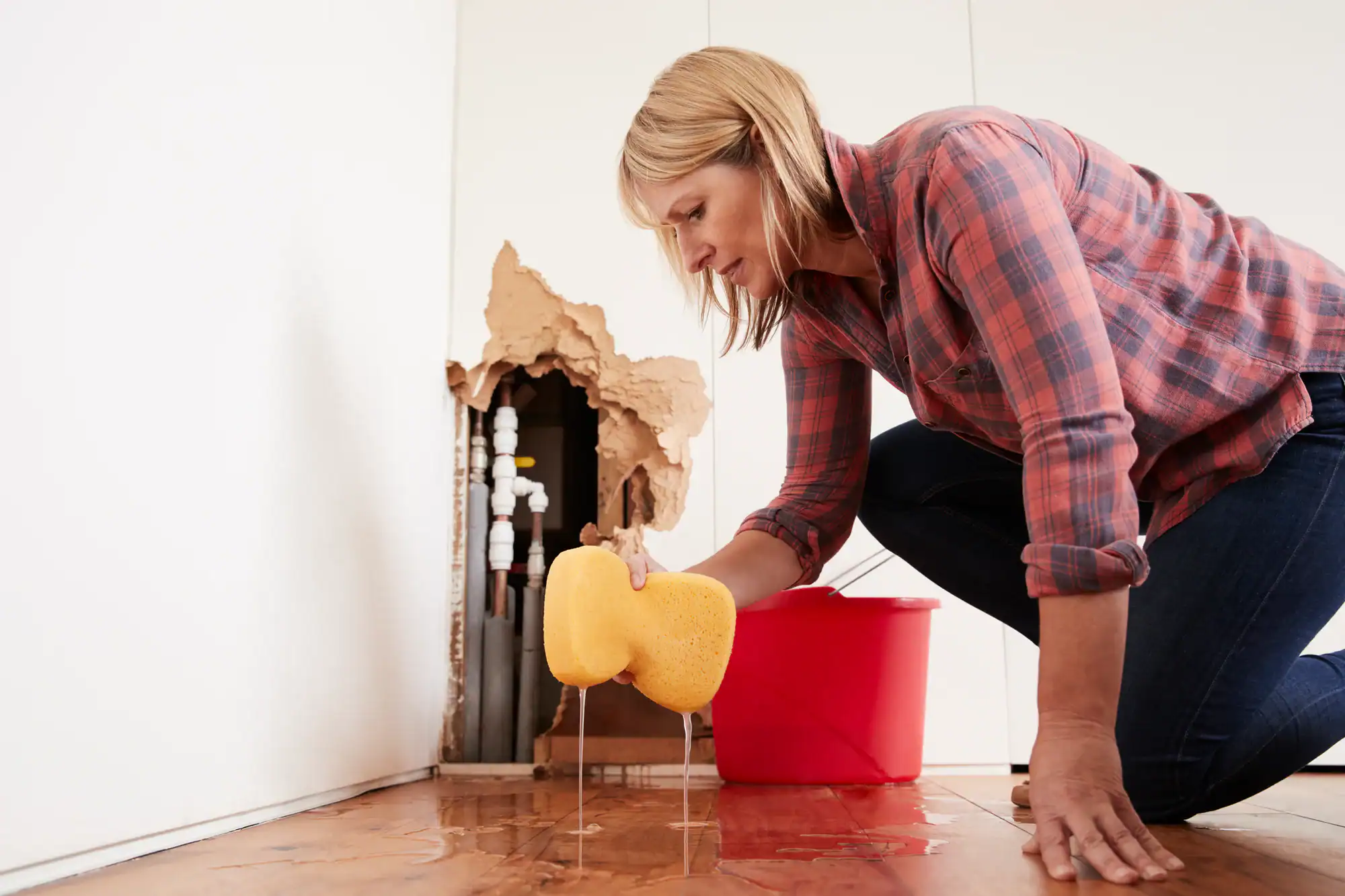
We respond to emergency water damage calls in Oyster Bay around the clock. When you call, you’re talking to someone who can dispatch a crew — not a voicemail or an overnight answering service. For a community on the North Shore where a nor’easter can push water into a basement within hours of a storm making landfall, that response window isn’t just a convenience — it’s the difference between a contained water event and one that’s migrated into your walls, your framing, and your subfloor.
The 24 to 48-hour window for mold growth is real, and it’s documented by both the EPA and the IICRC. In Oyster Bay’s older housing stock — where plaster walls and original wood framing absorb and hold moisture differently than modern drywall — that window can feel even shorter. The faster moisture extraction begins, the smaller the overall restoration scope tends to be. Getting there fast isn’t just about service — it directly affects what your home looks like when the job is done.
Does homeowners insurance cover water damage restoration in Oyster Bay, NY?
Most standard homeowners insurance policies cover sudden and accidental water damage — a burst pipe, a washing machine supply line failure, or a roof leak from a nor’easter, for example. What they typically don’t cover is damage from flooding caused by surface water or storm surge, which in Oyster Bay’s case would include harbor flooding events. That type of damage generally requires a separate flood insurance policy, often through FEMA’s National Flood Insurance Program.
If your home is near Oyster Bay Harbor or in a lower-lying area of the hamlet, it’s worth knowing exactly what your policy covers before a weather event makes the question urgent. When we arrive on-site, we document the damage in a way that supports your claim — photos, moisture readings, scope of loss — and we work directly with your carrier through the process. You don’t need to become an expert in insurance documentation while also dealing with a damaged home. That’s our job.
What makes water damage in older Oyster Bay homes more complicated to restore?
Oyster Bay’s housing stock includes homes that predate modern construction standards by decades — in some cases, by a century or more. The hamlet’s settlement dates to 1653, and many of its residential streets are lined with colonials, Victorians, and early 20th-century construction that were built with materials and methods that behave very differently from what you’d find in a post-war development. Stone foundations without modern waterproofing membranes, original plaster walls, galvanized steel pipes that have been corroding from the inside for decades, and old-growth wood framing that absorbs moisture deeply — these are not rare features in Oyster Bay. They’re common ones.
The practical implication for restoration is that moisture travels differently in these homes. It moves deeper into materials faster, it hides more effectively behind thick plaster and inside wall cavities, and it takes longer to fully extract. Thermal imaging is essential in this context — not optional. A restoration company that treats an Oyster Bay colonial the same way it would treat a 1980s ranch is going to miss things. We don’t. We adjust the assessment, the drying approach, and the timeline to match what the home actually is, not what a standard checklist assumes.
How does Nassau County's high water table affect basement flooding in Oyster Bay?
Nassau County sits on a geology that keeps the water table unusually close to the surface in many areas, and Oyster Bay is no exception. What this means practically is that basement water intrusion here isn’t always caused by a storm or a plumbing failure — it can happen during periods of heavy rain, rapid snowmelt, or seasonal groundwater rise when the table climbs high enough to push through foundation walls or floor joints. It’s a structural condition of living in this part of Nassau County, not just a weather problem.
This matters for restoration because addressing the moisture you can see is only part of the job. If groundwater pressure is the source, the basement will continue to take in water until that pressure equalizes — and a crew that doesn’t account for that will leave you with the same problem in a few months. We assess the source of the intrusion, not just the standing water, and we make sure the drying approach accounts for what’s actually driving the moisture into your home. For Oyster Bay homeowners who’ve dealt with recurring basement dampness, that distinction is usually the key to finally resolving it.
When is water damage from a burst pipe most likely to happen in Oyster Bay?
January and February are the peak months for burst pipe calls on the North Shore, and Oyster Bay’s older housing stock makes it more vulnerable than most. Long Island winters don’t bring sustained deep freezes — they bring repeated freeze-thaw cycles, which are actually harder on older plumbing than a single prolonged cold snap. Water expands when it freezes, and every cycle stresses pipe joints and connections a little more. In a home with galvanized steel pipes — which are common in pre-war Oyster Bay construction and have a typical lifespan of 40 to 70 years — that stress adds up fast.
The areas of a home most at risk are unheated spaces: basements, crawlspaces, attic plumbing runs, and pipes running through exterior walls. If you’re in an older home near the harbor and you haven’t had your plumbing assessed recently, the winter season is worth taking seriously. When a pipe does fail, the speed of the response matters enormously — water from a burst supply line can saturate flooring, walls, and framing in a matter of hours. Calling immediately gives you the best chance of limiting the damage to what’s already happened.
Is Green Island Group licensed for mold remediation work in New York State?
Yes. New York State’s Mold Law, which took effect in 2016 and is administered by the NY Department of Labor, requires separate state licensing for both mold assessment and mold remediation. This isn’t a general contractor’s license — it’s a specific credential that many restoration operators in the Oyster Bay market simply don’t hold. We carry the required licensing for both.
For homeowners in Oyster Bay, this matters more than it might in other communities. Older homes with plaster walls, stone foundations, and original wood framing create more opportunities for mold to establish itself in hidden spaces — inside wall cavities, beneath original flooring, within framing members that stayed damp longer than they should have. When mold is found or suspected during a water damage restoration, having a licensed remediation team already on-site means the process doesn’t stop and restart with a different company. It also means your insurance documentation reflects work performed by a legally qualified operator, which protects your claim and your coverage. In a community where homes carry significant value and history, that’s not a small thing.