When water gets into your Patchogue home near the Great South Bay, every hour counts. We respond fast, dry it right, and handle the insurance so you don’t have to.
I needed a professional consultation explanation of procedure for safe removal of Asbestos in my apartment complex. Without having an account yet, I was very impressed with the caring, knowledgeable and generous advice offered by Jessica, and will look forward to doing business in the future. Thank you so much! I feel much more informed about a sometimes scary endeavor. Peace. Nancy Silva Mineola, NY.
Mia Munoz
Used this company to clean up some water flood in my house. They were fast and easy to work with.very professional, Would recommend to anyone!
Nini Valle
Great company, had a flood and they responded quickly and efficiently. Billed my insurance company directly. I highly recommend this company!
joe colapietro, jr
I had pipe freeze in my basement right before a snow storm and they made to within an hour to help start the clean up process. They we by our side throughout the entire process and even helped with the insurance company. They did such a great job with the cleanup, repair, remidiation, I contracted them to perform the repairs and finishes in the basement. They came with enough manpower and material to get the job done. Leo and Jessica were nothing but a pleasure to deal with!!
Cristian Arredondo c
I had some water damage in my home and Green Island was able to take care of my issue quickly and effectively. I am very pleased with the work they did. They responded quickly and were very professional.
Michael M
Outstanding service! From the office to the field crew everyone was friendly, helpful and responsive. I highly recommend Green Island Group.
There’s a difference between a basement that looks dry and one that actually is. In Patchogue’s older homes many built in the 1950s and 60s, some dating back before 1940 water doesn’t just sit on the surface. It soaks into plaster walls, wood subfloors, and block foundations. Consumer fans move air. They don’t pull moisture out of a structure. What looks fine in 48 hours can smell like mold in two weeks.
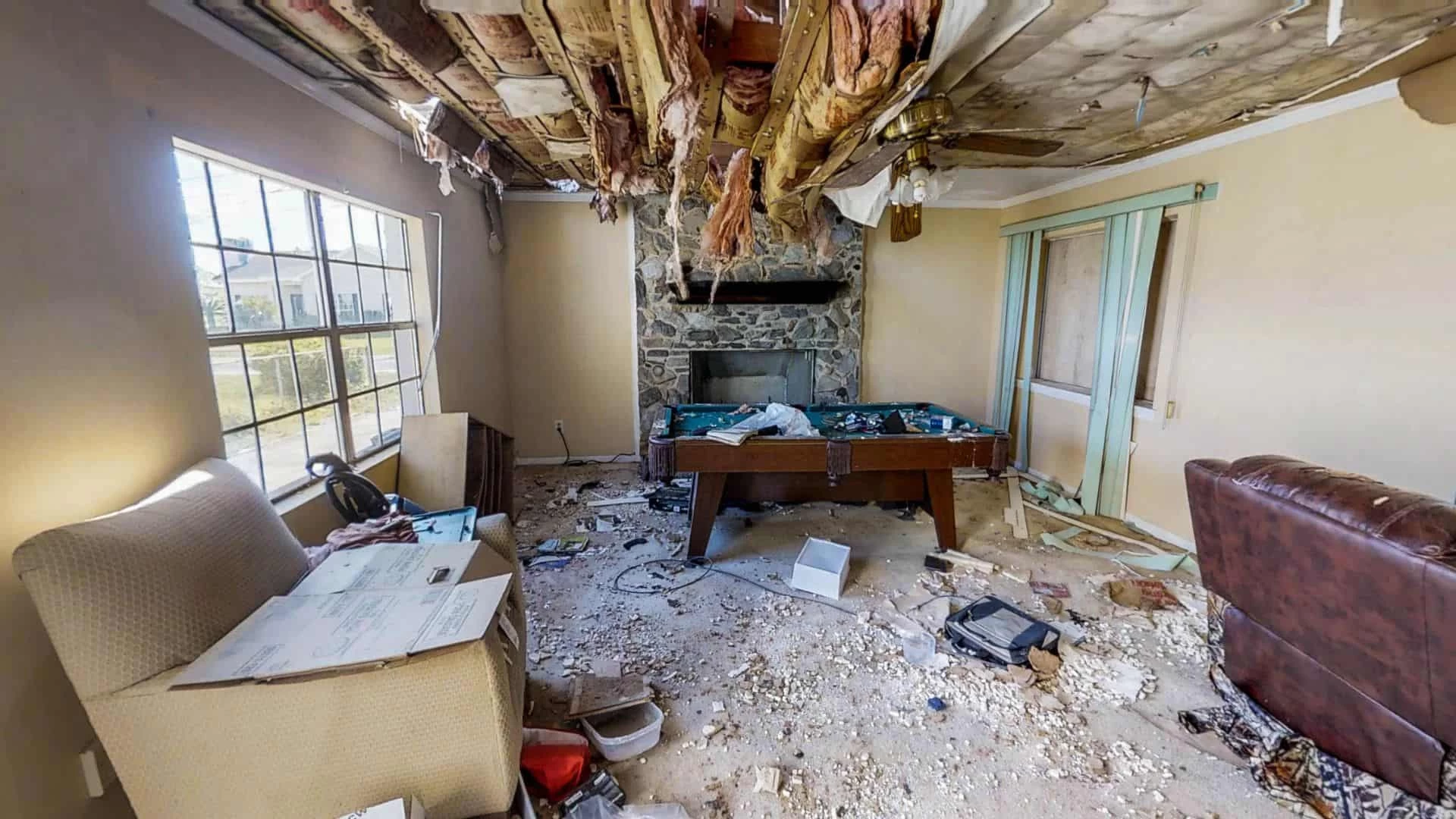
The bigger risk here isn’t the water you can see it’s what it does behind the walls before you realize anything’s wrong. The IICRC documents that mold can begin growing within 24 to 48 hours of water exposure. In a home with older materials and less airflow, that window is tight. Getting the structure genuinely dry not surface dry is the only thing that stops mold before it starts.
Patchogue’s proximity to the bay and its network of canal-adjacent streets also means the water coming into your home isn’t always clean. Storm surge, drainage backup, and groundwater intrusion carry contaminants that require a different level of response than a simple appliance leak. Knowing what type of water you’re dealing with changes everything about how the job gets done and how safe your home is when it’s finished.
Local Roots, Not a Franchise Answering From Somewhere Else
We’re a Long Island company not a national brand managing a territory from a call center three states away. When you call us, you reach a local team that actually serves the South Shore, knows Suffolk County’s housing stock, and has worked in homes just like yours throughout Patchogue, North Patchogue, East Patchogue, Blue Point, and the surrounding area.
That matters more than it sounds. The homes in this part of Brookhaven have specific characteristics older construction, canal-adjacent foundations, pre-1978 materials that require licensed handling. A company that doesn’t know the difference between a 1940s Patchogue cape and a newer build isn’t going to approach the job the same way.
We also hold the credentials that actually matter for this work: IICRC certification, NY State contractor licensing, and the environmental credentials required for asbestos and lead paint handling which becomes relevant more often than homeowners expect when water damage opens up walls in older Patchogue homes.
From Standing Water to Dry Structure Here's the Process
The first call sets everything in motion. When you reach out whether it’s 2 a.m. during a nor’easter or the middle of a Tuesday after a pipe lets go a real local team gets dispatched. No routing through a national answering service. Our goal on arrival is simple: stop the source if it’s still active, assess the full scope of what’s wet, and start extraction immediately.
After extraction, the real work begins. We use thermal imaging cameras and professional moisture meters to map the saturation throughout the structure not just what’s visible, but what’s hiding in the framing, insulation, and subfloor. This step is especially important in Patchogue’s older homes, where water travels further and faster through porous materials than it would in newer construction. Based on that assessment, we place commercial-grade drying systems strategically and monitor them daily until moisture readings confirm the structure is genuinely dry.
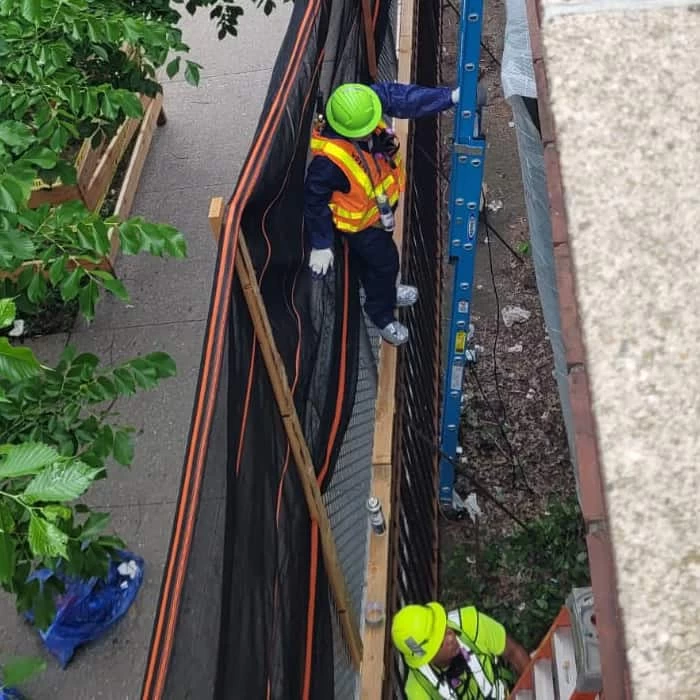
If the job involves walls or flooring in a pre-1978 home, we test materials before anything is removed. Patchogue has a significant share of homes that predate modern construction standards, and disturbing asbestos-containing materials or lead paint without proper protocols isn’t just a health risk it’s a legal one. We handle that in-house, which means no work stoppages waiting on a separate contractor. Once the structure is dry and any environmental concerns are cleared, we package the documentation for your insurance claim and begin the restoration phase.
One Company Handles What Most Others Have to Hand Off
Most water damage restoration companies do one thing: dry the structure. That works fine when the job is straightforward. But in a village like Patchogue where a quarter of the housing stock predates 1940 and canal-adjacent flooding can introduce contaminated water jobs rarely stay simple. Water damage here frequently surfaces secondary issues that a water-only company isn’t licensed or equipped to handle.
We cover the full scope: water extraction and structural drying, mold remediation, asbestos testing and abatement, lead paint removal, sewage cleanup, and fire and smoke damage restoration. If your job starts as a flooded basement and turns into a mold and asbestos situation once the walls come open, you don’t need to find a second company and start over. That continuity saves time, reduces cost, and keeps your insurance documentation clean and consistent.
For Patchogue homeowners near the bay or on canal streets where flooding events can involve gray or black water the contamination protocols matter as much as the drying process. For landlords and property managers overseeing the village’s significant rental inventory, the ability to document everything through one licensed contractor simplifies both the insurance claim and the tenant communication. And for commercial property owners on Main Street or near the LIRR corridor, faster turnaround means fewer days of lost revenue.
Does homeowner's insurance cover water damage from flooding in Patchogue?
It depends on the source of the water, and this is one of the most misunderstood distinctions in the entire claims process. Standard homeowners insurance typically covers sudden, accidental water damage a burst pipe, an appliance failure, a roof leak from a storm. It does not cover flooding from an outside water source, which includes storm surge from Patchogue Bay, canal overflow, or groundwater intrusion. That type of damage falls under flood insurance, which is a separate policy issued through the National Flood Insurance Program (NFIP) or a private carrier.
Many Patchogue homeowners near the bay or on canal-adjacent streets carry both policies, but the coverage boundaries aren’t always clear when you’re filing a claim after a storm. We work directly with both homeowners insurance adjusters and flood insurance adjusters, help document the damage in a way that supports your claim, and can clarify which portions of the loss fall under which policy. You don’t have to figure that out alone while your basement is still wet.
How quickly does mold actually start growing after water damage?
The IICRC’s standard is 24 to 48 hours from the time of water exposure and that clock starts the moment the water touches your walls, floor, or framing, not when you discover it. In Patchogue’s older housing stock, where plaster walls and wood subfloors absorb moisture quickly and hold it for a long time, mold can establish in areas that look completely dry on the surface. That’s what makes hidden moisture the real risk.
The reason professional moisture detection matters here isn’t just thoroughness it’s that the materials common in mid-century South Shore construction behave differently than modern drywall. Water migrates further, dries slower, and creates the kind of sustained damp environment that mold needs. A proper structural drying job with daily moisture monitoring until readings confirm the structure is dry is the only reliable way to stop mold before it becomes its own remediation project.
What's the difference between water mitigation and water damage restoration?
Mitigation is the emergency phase stopping the damage from getting worse. That means water extraction, removing saturated materials that can’t be saved, and getting commercial drying equipment in place as fast as possible. Restoration is what comes after: repairing or replacing what was damaged, rebuilding drywall, replacing flooring, and returning the space to its pre-loss condition. Most companies do one or the other. We handle both, which matters because the handoff between two separate contractors is where delays and documentation gaps tend to happen.
For Patchogue homeowners filing an insurance claim, having one licensed contractor manage the full scope from the first extraction through the final rebuild keeps the paperwork consistent and makes the adjuster’s job easier. It also means there’s one point of contact throughout the process, which is a lot less stressful when you’re already dealing with a damaged home.
My basement flooded in Patchogue how do I know if it's safe to go in?
If the flooding involved water from outside your home storm surge, canal overflow, a backed-up drain treat it as contaminated until it’s been assessed. Category 3 water, which is what storm-related flooding typically involves, can carry sewage, bacteria, and other pathogens that aren’t visible. Going in without protective gear, or letting kids or pets in before the space has been cleaned and tested, carries real health risk.
If the flooding came from a clean source a burst supply line, a water heater failure the immediate safety concern is lower, but you still want to shut off electricity to the affected area before entering if there’s standing water near any outlets, panels, or appliances. Either way, the faster you get professional extraction started, the better. In Patchogue’s older homes with concrete block foundations and wood subfloors, water moves into the structure quickly, and the damage compounds with every hour it sits.
Can water damage in a Patchogue home uncover asbestos or lead paint?
Yes and it happens more often than most homeowners expect. Patchogue has a significant share of homes built before 1940, and nearly all of the village’s housing stock predates 1978. In homes of that age, asbestos was commonly used in floor tiles, pipe insulation, ceiling materials, and joint compound. Lead paint was standard on interior and exterior surfaces until it was banned for residential use in 1978. When water damage requires opening walls, pulling up flooring, or removing damaged materials, there’s a real chance those materials contain regulated substances.
New York State requires licensed contractors for asbestos abatement work, and EPA RRP certification is required for lead paint disturbance in pre-1978 homes. If your restoration company isn’t equipped to handle those situations, they have to stop work and wait for a separate contractor which extends your timeline and complicates your insurance claim. We’re licensed for both, so if testing reveals an issue mid-job, the work continues without interruption.
How much does water damage restoration typically cost in Patchogue, NY?
The range is wide because the scope varies so much. A straightforward burst pipe in a finished basement clean water, caught quickly, limited structural involvement might run $3,000 to $6,000. A storm flooding event involving contaminated water, saturated framing, and mold remediation can reach $15,000 to $25,000 or more, especially in an older Patchogue home where the materials absorb more and dry slower. The national average for a homeowners insurance water damage claim runs between $11,000 and $13,000, which gives you a rough baseline for mid-range events.
What drives cost up most is delay. Every hour water sits in a structure, it migrates further and causes more damage which means a job that could have been $5,000 on day one can become a $15,000 job by day three. In Patchogue, where the housing stock is older and materials are more porous, that escalation happens faster than it would in a newer build. We provide a free on-site assessment so you know the actual scope before any work begins, and we work directly with your insurance carrier to make sure covered losses are documented and submitted correctly.