I needed a professional consultation explanation of procedure for safe removal of Asbestos in my apartment complex. Without having an account yet, I was very impressed with the caring, knowledgeable and generous advice offered by Jessica, and will look forward to doing business in the future. Thank you so much! I feel much more informed about a sometimes scary endeavor. Peace. Nancy Silva Mineola, NY.
Mia Munoz
Used this company to clean up some water flood in my house. They were fast and easy to work with.very professional, Would recommend to anyone!
Nini Valle
Great company, had a flood and they responded quickly and efficiently. Billed my insurance company directly. I highly recommend this company!
joe colapietro, jr
I had pipe freeze in my basement right before a snow storm and they made to within an hour to help start the clean up process. They we by our side throughout the entire process and even helped with the insurance company. They did such a great job with the cleanup, repair, remidiation, I contracted them to perform the repairs and finishes in the basement. They came with enough manpower and material to get the job done. Leo and Jessica were nothing but a pleasure to deal with!!
Cristian Arredondo c
I had some water damage in my home and Green Island was able to take care of my issue quickly and effectively. I am very pleased with the work they did. They responded quickly and were very professional.
Michael M
Outstanding service! From the office to the field crew everyone was friendly, helpful and responsive. I highly recommend Green Island Group.
Water damage doesn’t just ruin what you can see. It soaks into subfloors, hides inside walls, and creates the exact conditions mold needs to take hold often within 24 to 48 hours. By the time things look dry on the surface, the real problem may already be spreading behind it. Fast, thorough restoration isn’t just about cleanup. It’s about stopping the chain reaction before it turns a manageable situation into a structural one.
Pawling’s geography makes this especially important. The town sits in the Harlem Valley, flanked by ridgelines that funnel stormwater directly toward the village and surrounding neighborhoods. Properties near the Great Swamp deal with elevated groundwater year-round, which means hydrostatic pressure on foundations is a constant not just a storm-season concern. When heavy rain hits, or when a pipe lets go during a January freeze, the conditions here accelerate damage faster than most homeowners expect.
Older homes throughout Pawling and out toward Quaker Hill add another layer of complexity. Original plaster walls, century-old hardwood floors, and foundations that predate modern waterproofing don’t respond to water the way newer construction does. Getting the moisture out completely not just surface-dry is what keeps a restoration from becoming a recurring problem.
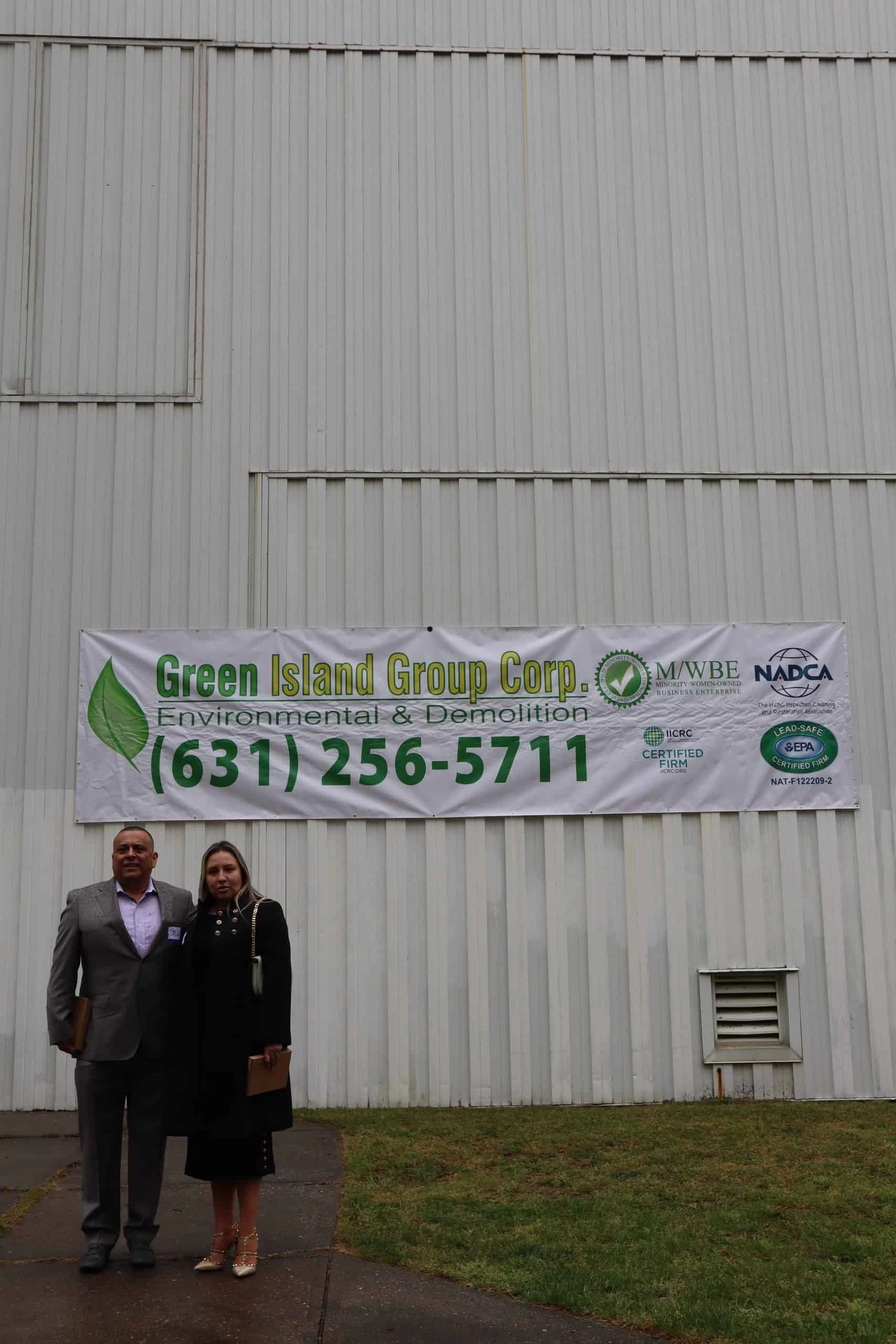
We’ve been doing this for over 12 years across the Hudson Valley and greater New York region. That’s not a tagline it’s a track record. We hold NYS and NYC M/WBE certification, carry full General Liability and Workers’ Compensation insurance, and have worked directly with the NYS Office of General Services. These aren’t things a lead-generation site or out-of-state operator can replicate.
Pawling sits in Dutchess County, and we understand what that means in practice older housing stock, Dutchess County building permit requirements, and properties ranging from historic village Colonials to large estate homes on Quaker Hill. Every job gets the same level of documentation, care, and follow-through regardless of size or location.
We also back every project with a 100% Satisfaction Guarantee. If something isn’t right, we make it right. That’s the standard, not the exception.
What Happens From Your First Call to a Dry, Safe Home
The moment you call, the clock stops working against you. We dispatch around the clock no answering service, no “we’ll get back to you in the morning.” A crew gets moving toward your property, whether you’re in the village off Route 22, out near the Appalachian Trail corridor, or on a rural lot above Quaker Hill.
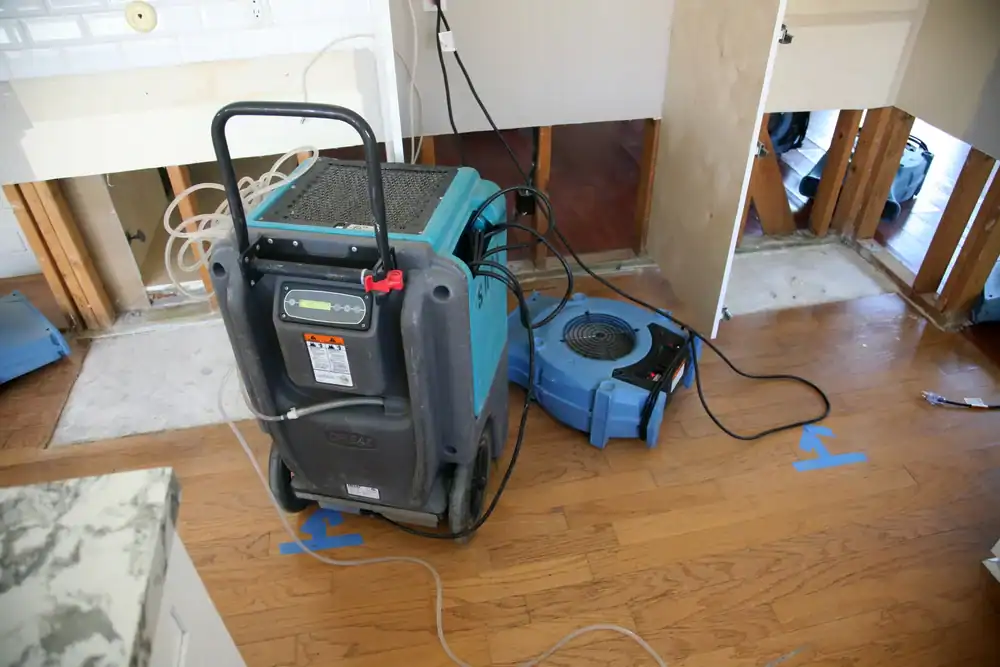
On arrival, our first priority is stopping active water intrusion and assessing the full scope of damage not just what’s visible. Industrial extraction equipment pulls standing water fast. Then commercial-grade drying equipment and dehumidifiers go to work on the structural materials underneath: subfloors, wall cavities, framing. In Pawling’s older homes, this step takes longer and requires more attention than it would in newer construction, because original materials absorb and retain moisture differently.
Once the structure is dry and verified with moisture readings, the remediation phase addresses any mold growth that developed during the event. If your home contains pre-1980 materials common in Pawling’s historic housing stock we handle asbestos abatement in-house before any structural work begins, so you don’t have to coordinate a separate contractor. From there, reconstruction brings everything back to pre-loss condition. We also handle all documentation for your insurance claim, so the process stays organized from start to finish. If restoration costs exceed your coverage, we offer financing up to $200,000 at 0% APR no delays, no waiting on a settlement to get started.
Full Restoration Built for Pawling's Homes and History
Water damage restoration in Pawling isn’t one-size-fits-all. The town’s housing stock spans Victorian-era village homes, early 20th-century farmhouses, and estate properties with complex drainage situations and each type responds to water damage differently. Our full-service model covers the complete scope: emergency water extraction, structural drying, mold remediation, asbestos abatement for older materials, and complete reconstruction to pre-loss condition. We handle all of it under one roof, which means no gaps between contractors and no delays waiting on a specialist to become available.
For properties near the Great Swamp or in lower-lying areas along the Harlem Valley floor, recurring moisture and groundwater pressure are part of the picture not just isolated events. Our restoration process accounts for that, including thorough moisture mapping to identify hidden saturation that standard visual inspection would miss. Any structural work requiring a permit is coordinated with the Town of Pawling Building Department at 160 Charles Colman Blvd, so the project stays compliant with New York State Uniform Fire Prevention and Building Code requirements from day one.
For second-home owners managing a Pawling property remotely a real scenario for many who use the Metro-North Harlem Line as their connection to the city we handle the full process, document everything for insurance, and keep you informed without requiring you to be on-site for every step. The goal is a property that’s fully restored, properly documented, and ready to live in again.
How quickly can water damage cause mold in a Pawling home?
Mold can begin growing on wet building materials within 24 to 48 hours of a water event and in Pawling, the ambient humidity from the surrounding Harlem Valley and the Great Swamp wetland system means conditions are already favorable for mold growth before any damage occurs. That timeline isn’t a worst-case scenario. It’s the standard expectation, especially in older homes where original plaster, wood framing, and subfloor materials absorb moisture deeply and dry slowly.
This is why the speed of the initial response matters more than almost anything else. Getting extraction and drying equipment running within the first few hours dramatically reduces the likelihood that mold becomes a secondary problem on top of the water damage itself. If mold does develop which happens when a property sits unattended, as is common with Pawling’s second-home and seasonal residents we handle remediation as part of the same restoration process, not as a separate job requiring a separate contractor.
Does homeowner's insurance typically cover water damage restoration costs?
In most cases, yes but the specifics depend on the cause of the damage and the terms of your policy. Sudden, accidental water damage like a burst pipe or appliance failure is generally covered. Flooding from an outside water source which is a real risk in Pawling given the town’s valley geography and documented flood history typically requires separate flood insurance through the National Flood Insurance Program, and many homeowners don’t carry it.
Older homes in Pawling can also complicate claims. If an adjuster determines that damage resulted from a long-standing maintenance issue rather than a sudden event, coverage can be disputed. Having thorough, professional documentation from the moment restoration begins is one of the most important things you can do to support your claim. We handle that documentation process directly, work with your insurance carrier, and manage billing so you’re not navigating the paperwork on your own while also dealing with a damaged property.
What happens if water damage is found in walls or under floors in Pawling?
Hidden moisture is actually the more common scenario in Pawling’s older housing stock than visible standing water. Original plaster walls, hardwood floors laid over board subfloors, and timber framing absorb water and hold it long after the surface appears dry. A home that looks fine after a few days may have active moisture levels inside the wall cavities that will feed mold growth for weeks.
We use moisture meters and thermal imaging to find saturation that visual inspection would miss entirely. Once identified, affected materials are dried in place where structurally sound, or removed and replaced where damage has compromised them. In homes with original materials which describes a significant portion of Pawling’s housing stock this step requires more care and more time than it would in a newer build, but it’s what separates a real restoration from a surface fix that comes back as a bigger problem six months later.
Do I need a permit for water damage repairs in the Town of Pawling?
For basic cleanup and drying, no permit is required. But once the work moves into structural repair replacing drywall, repairing framing, reconstructing damaged areas the Town of Pawling requires a building permit under New York State Uniform Fire Prevention and Building Code. The Building Department is located at 160 Charles Colman Blvd, and permits must be obtained before structural work begins, not after.
This is a detail that matters more than most homeowners realize. Unpermitted structural work can create complications when you sell the property, and in some cases it can affect your insurance claim if the carrier determines work was done outside of code. We handle permit coordination as part of our full-service restoration process, so you don’t have to manage that separately while also dealing with the damage itself. If your property is near a wetland or waterway relevant for homes adjacent to the Great Swamp there may be additional environmental permit requirements under the town’s freshwater wetlands and watercourse protection code, and we address those as well.
What should I do if I discover water damage at my Pawling property while I'm not there?
Call immediately. The longer water sits, the more it spreads and in a property that’s been sitting unattended, you may already be past the 24 to 48 hour mold window by the time you find out. This is a genuinely common situation in Pawling, where a meaningful portion of residents own properties they use on weekends or seasonally, commuting in from New York City via the Harlem Line. A pipe that freezes and bursts on a Tuesday in January may not be discovered until Saturday.
We can dispatch to your Pawling property without you needing to be present. Our team assesses the damage, begins extraction and drying, documents everything for your insurance carrier, and keeps you updated throughout the process. You don’t need to take time off work or make an emergency trip from the city to get restoration started. We manage the full process from initial response through final reconstruction on your behalf, with complete documentation provided at every stage.
Does Green Island Group handle both water damage and mold in the same job?
Yes, and in most water damage situations, that’s exactly how it should be handled. Treating water damage and mold as separate jobs with separate contractors, separate timelines, and separate billing creates gaps in the process and often leaves moisture behind that the mold remediation contractor then has to work around. We do both under one roof, which means the drying phase and the remediation phase are coordinated, not sequential guesses.
In Pawling specifically, this matters because the town’s environment the humidity of the Harlem Valley, the proximity to the Great Swamp, the age of the housing stock creates conditions where mold is a realistic outcome of almost any significant water event, not an edge case. Homes with older materials hold moisture longer, which extends the window during which mold can establish itself. Our integrated approach handles extraction, structural drying, moisture verification, and mold remediation as a single continuous process, so nothing falls through the cracks between one phase and the next. We also handle asbestos abatement for pre-1980 materials in-house, so if your home has older pipe insulation, floor tiles, or ceiling materials, that’s addressed before any structural work begins no separate contractor required.