Water damage doesn’t wait for business hours and in a coastal hamlet like Peconic, where nor’easters roll in off the bay and older homes hide decades of vulnerability, the window between manageable and catastrophic closes fast. We respond 24/7 with the equipment, certifications, and local knowledge to stop the damage before it compounds.
I needed a professional consultation explanation of procedure for safe removal of Asbestos in my apartment complex. Without having an account yet, I was very impressed with the caring, knowledgeable and generous advice offered by Jessica, and will look forward to doing business in the future. Thank you so much! I feel much more informed about a sometimes scary endeavor. Peace. Nancy Silva Mineola, NY.
Mia Munoz
Used this company to clean up some water flood in my house. They were fast and easy to work with.very professional, Would recommend to anyone!
Nini Valle
Great company, had a flood and they responded quickly and efficiently. Billed my insurance company directly. I highly recommend this company!
joe colapietro, jr
I had pipe freeze in my basement right before a snow storm and they made to within an hour to help start the clean up process. They we by our side throughout the entire process and even helped with the insurance company. They did such a great job with the cleanup, repair, remidiation, I contracted them to perform the repairs and finishes in the basement. They came with enough manpower and material to get the job done. Leo and Jessica were nothing but a pleasure to deal with!!
Cristian Arredondo c
I had some water damage in my home and Green Island was able to take care of my issue quickly and effectively. I am very pleased with the work they did. They responded quickly and were very professional.
Michael M
Outstanding service! From the office to the field crew everyone was friendly, helpful and responsive. I highly recommend Green Island Group.
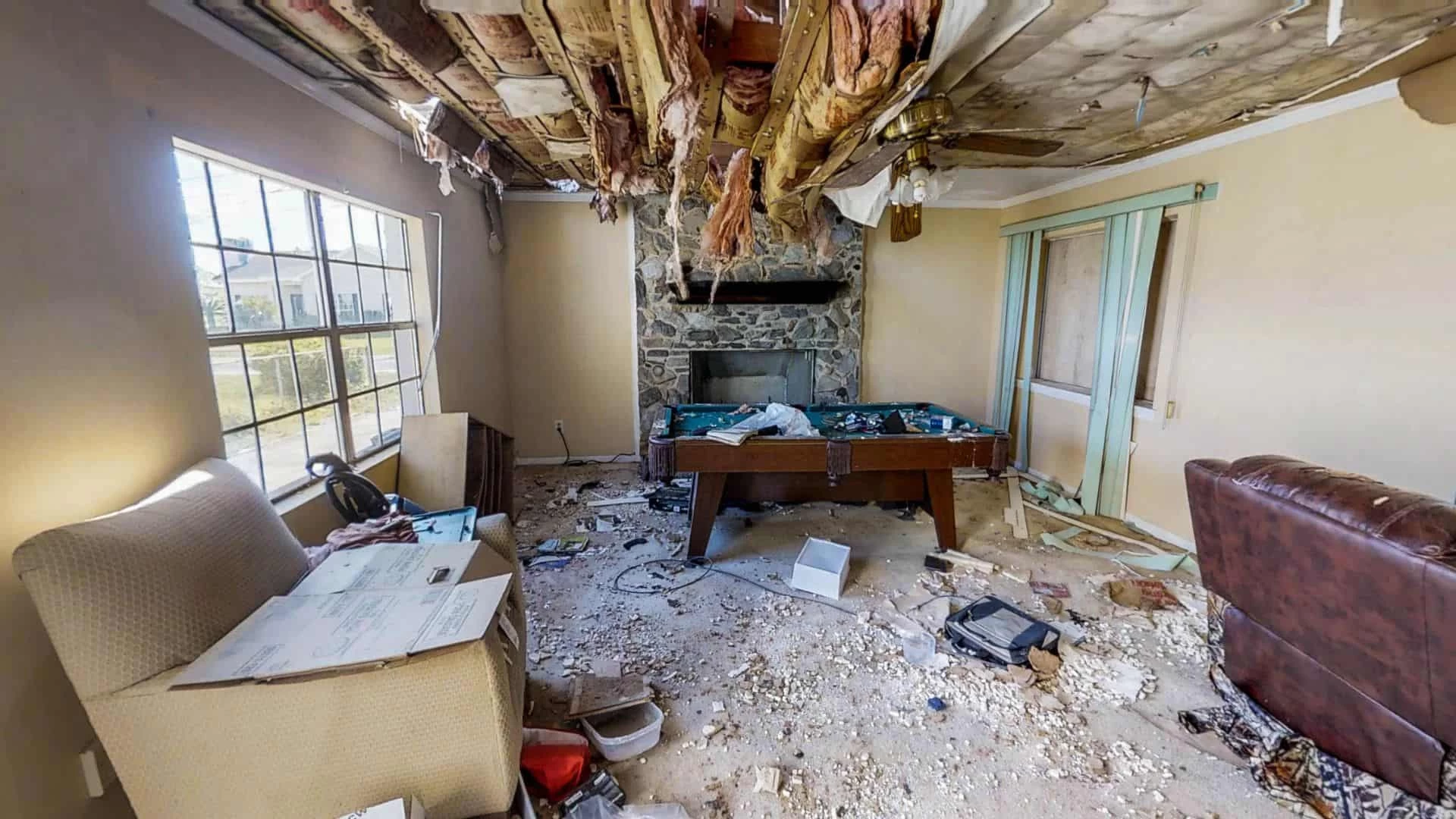
There’s a difference between a home that looks dry and a home that is dry. In Peconic’s older housing stock most of it built before 1940 water doesn’t just pool on the surface. It migrates into original-growth lumber framing, saturates plaster walls, collects in crawl spaces, and sits behind subfloor layers that haven’t been touched in decades. What feels like a contained problem is often much deeper than it appears, and surface drying without professional moisture mapping leaves the conditions for mold growth fully intact.
Mold can begin colonizing porous materials within 24 to 48 hours of water exposure. In a bay-adjacent environment like Peconic, where ambient humidity runs consistently higher than inland Long Island, that window is functionally shorter. A damp wall cavity near the water doesn’t dry on its own it absorbs more moisture from the surrounding air. Professional structural drying, using commercial-grade dehumidifiers and air movers calibrated to the specific moisture load of your space, is the only way to actually interrupt that cycle.
When the job is done right, you’re not just looking at dry floors. You’re looking at documented moisture readings that confirm every affected cavity has been addressed, a mold-free environment confirmed by testing, and a property that’s structurally sound not one that’s quietly growing a problem behind the walls you can’t see.
One Call Handles Everything the Walls Might Be Hiding
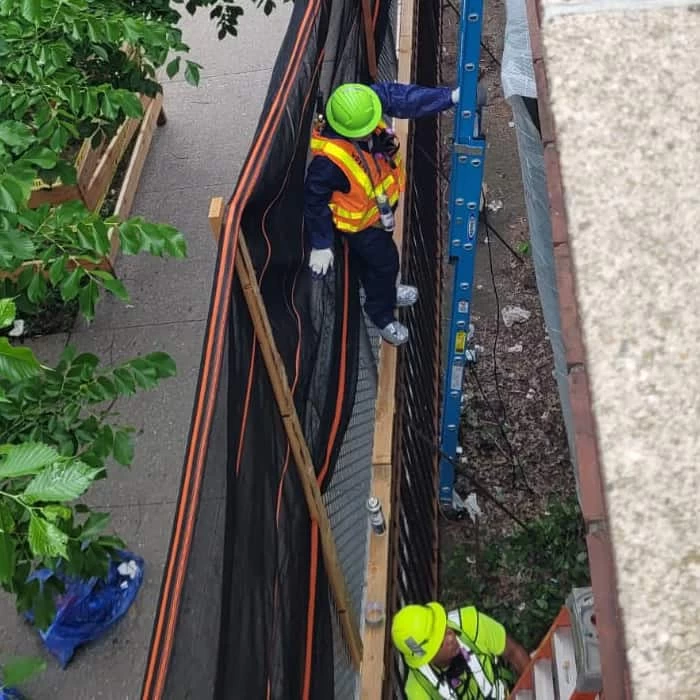
We are a full-service environmental and property restoration company serving Long Island and the New York metro area. What sets us apart in a community like Peconic isn’t just the 24/7 availability it’s the scope of what we can handle under one roof. Water damage, mold remediation, asbestos abatement, lead paint removal, sewage cleanup, and air quality testing are all handled in-house, without subcontracting or handoffs.
That matters in Peconic more than most places. The majority of homes along the side streets off Main Road and throughout the Town of Southold were built before 1940. When water damage requires opening walls or pulling up flooring in a home that old, there’s a real chance of encountering asbestos-containing materials or lead paint both of which are regulated under New York State and EPA rules. A company that can only handle the water portion will stop work the moment they find something, adding days of delay and a second contractor to an already stressful situation. We don’t stop there.
From the First Call to a Fully Documented Dry Home
When you call, the first thing that happens is a real conversation not a call center script. You describe what you’re dealing with, and a team member helps you understand what the next steps look like before anyone shows up. From there, a crew is dispatched with the equipment needed for your specific situation, whether that’s a flooded basement from a nor’easter, a burst pipe in a seasonal home that sat undetected through winter, or active water intrusion from a failing roof.
On-site, the first priority is stopping the source and extracting standing water. After that comes the moisture mapping using professional-grade meters and thermal imaging to find every pocket of saturation that isn’t visible to the eye. This step is where most DIY and under-equipped restoration attempts fall short. In Peconic’s older homes, water travels in ways that newer construction doesn’t allow: through original plaster, along original framing, and into crawl spaces that haven’t been properly sealed in years.
Once the full scope is mapped, structural drying begins with commercial equipment sized to the actual moisture load not a hardware store dehumidifier. If the assessment uncovers anything that requires a floodplain development permit from Southold Town’s Building Department which applies to properties in designated Special Flood Hazard Areas along the bay we can walk you through what that process requires before work proceeds. Throughout everything, you get clear updates, documentation for your insurance claim, and a final moisture reading that confirms the job is complete.
Built for North Fork Homes, Not a Generic Checklist
Water damage restoration in Peconic isn’t a one-size job. Our service is built around what’s actually happening in this specific area coastal flood exposure from Peconic Bay, pre-1940 construction with aging plumbing and original materials, and a seasonal occupancy rate that means water damage in a lot of these homes goes undetected for weeks or months before anyone walks through the door.
The full scope of what we handle here includes emergency water extraction, structural drying with commercial dehumidification, professional moisture mapping with documented readings, mold testing and remediation, and critically for the North Fork’s older housing stock asbestos testing and abatement and lead paint removal when the restoration uncovers regulated materials. These aren’t add-ons. They’re part of the same process, handled by the same company, without bringing in a second crew and starting the coordination process over.
For seasonal homeowners managing a property remotely which describes a significant share of Peconic’s housing we communicate clearly throughout the process, handle insurance documentation directly, and provide the kind of written scope and photo documentation that makes a claim move faster. Whether you’re dealing with a single-family home off Main Road, a waterfront property on the bay, or a commercial building along the vineyard corridor, the process starts with an honest assessment and ends with a fully documented, verified dry structure.
How quickly can water damage lead to mold in a Peconic home?
Mold can begin growing on wet porous materials drywall, wood framing, insulation within 24 to 48 hours of water exposure. In Peconic specifically, the coastal environment accelerates the problem. Ambient humidity near Peconic Bay runs consistently higher than inland Suffolk County, which means a saturated wall cavity or wet crawl space isn’t drying on its own between the time the damage happens and the time a crew arrives.
This is why response time matters so much, and why surface-only drying isn’t enough. If moisture is left behind in wall cavities, under flooring, or in a crawl space even in small amounts mold colonization will follow. Professional moisture mapping after extraction and drying is the only way to confirm that the conditions for mold growth have actually been eliminated, not just reduced. If you’re dealing with water damage in a home that’s been closed up for any period of time, assume the mold clock started the moment the water did.
Does homeowner's insurance typically cover water damage restoration costs?
It depends on the source of the water, and this is where a lot of homeowners get caught off guard. Standard homeowner’s insurance policies generally cover sudden and accidental water damage a burst pipe, an appliance failure, a roof leak from a storm but they typically exclude gradual damage, meaning a slow leak that’s been developing for months. They also exclude flooding from outside the home, which is where NFIP flood insurance comes in.
For Peconic property owners in designated coastal flood zones along Peconic Bay, NFIP flood insurance is a separate policy with its own coverage rules, claim procedures, and documentation requirements. Navigating both policies simultaneously while also managing an active restoration situation is genuinely complicated. We handle the documentation, communicate directly with adjusters, and provide the written scope and photo record that makes claims move. Whether your damage falls under a standard policy or an NFIP flood claim, having that support in place from the start saves time and reduces the risk of a claim being underpaid or denied on a technicality.
What happens if water damage restoration uncovers asbestos or lead paint?
In a pre-1940 home which describes the majority of the housing stock in and around Peconic this is a real and common scenario, not a remote possibility. Asbestos was used in pipe insulation, floor tiles, plaster, roofing materials, and joint compound throughout the first half of the twentieth century. Lead paint was standard in residential construction until 1978. When water damage requires opening walls, pulling up flooring, or removing damaged insulation, there’s a meaningful chance of disturbing one or both of these regulated materials.
Under New York State and EPA rules, work that disturbs asbestos or lead paint has to stop until the materials are properly tested and, if confirmed, abated by a licensed contractor. A water-only restoration company will stop work at that point and tell you to find someone else adding days of delay and a second contractor to an already stressful situation. We handle asbestos testing and abatement, lead paint testing and removal, and water damage restoration in-house. The process doesn’t stop. It continues under the same team, with the proper licensing, without the coordination gap.
Do I need a permit for water damage repairs in Peconic, NY?
Possibly, and it’s worth knowing before work starts rather than after. The Town of Southold, which governs Peconic, has adopted a Flood Damage Prevention ordinance under New York State and FEMA requirements. Under that ordinance, any repair or reconstruction within a designated Special Flood Hazard Area which includes properties in FEMA flood zones along Peconic Bay requires a floodplain development permit from the Town’s Building Department before work begins.
This applies even to restoration work, not just new construction. Property owners who start rebuilding without the required permit can face code violations, complications with their insurance claim, and potential issues when the property is eventually sold. The permit process isn’t necessarily slow Southold Town can issue expedited permits for minor repairs in some cases but it has to happen in the right sequence. We are familiar with Southold Town’s regulatory framework and can advise you on whether your property and the scope of damage triggers the permit requirement before the restoration process moves forward.
My seasonal home in Peconic sat closed all winter how bad could the damage be?
Potentially significant, and the scope depends entirely on what caused the damage and how long it’s been developing. A burst pipe in a home that sits unheated or minimally heated through January and February doesn’t produce a small repair bill it produces weeks of standing water, saturated framing, soaked insulation, and active mold growth by the time anyone walks through the door in spring. What might have been a $3,000 to $5,000 remediation in November can become a $20,000 to $40,000 project by April, depending on how far the moisture has migrated and how advanced the mold colonization is.
Peconic’s seasonal occupancy rate is one of the highest in the country roughly 27% of housing units here are seasonally occupied which means this scenario is not unusual. The first step when you arrive at a property that’s been closed is to not assume the damage is limited to what you can see. Water travels, and in older homes it travels in ways that aren’t visible from the surface. A professional assessment with moisture mapping will tell you the actual scope before any restoration decisions are made, and that assessment is the starting point for a realistic insurance claim.
How long does water damage restoration typically take for a home in Peconic?
The honest answer is that it varies, and anyone who gives you a firm timeline before assessing the actual moisture load is guessing. For a straightforward water intrusion event a burst pipe caught quickly, a contained appliance leak the structural drying process typically takes three to five days using commercial dehumidification and air movement equipment. The extraction and initial setup happen in the first visit; drying continues over several days with monitoring to confirm moisture levels are dropping on schedule.
Where timelines extend is when the damage has been developing undetected which, given Peconic’s seasonal home population, is a common scenario. A home that took on water in February and wasn’t discovered until April isn’t a three-to-five-day job. Mold remediation, potential asbestos or lead paint abatement in the older construction common to this area, and more extensive structural drying all add time. If Southold Town’s floodplain development permit is required for properties in designated flood zones near the bay, that adds a step before reconstruction can begin. The goal is always to give you an accurate scope and timeline upfront not a number that sounds good and then changes.