When the Hudson Highlands Flood, You Need Someone There Fast
Philipstown homes face a flood risk most towns don’t mountain runoff, aging infrastructure, and a river on the western border. We respond 24/7 with certified water damage restoration that goes all the way through reconstruction.
I needed a professional consultation explanation of procedure for safe removal of Asbestos in my apartment complex. Without having an account yet, I was very impressed with the caring, knowledgeable and generous advice offered by Jessica, and will look forward to doing business in the future. Thank you so much! I feel much more informed about a sometimes scary endeavor. Peace. Nancy Silva Mineola, NY.
Mia Munoz
Used this company to clean up some water flood in my house. They were fast and easy to work with.very professional, Would recommend to anyone!
Nini Valle
Great company, had a flood and they responded quickly and efficiently. Billed my insurance company directly. I highly recommend this company!
joe colapietro, jr
I had pipe freeze in my basement right before a snow storm and they made to within an hour to help start the clean up process. They we by our side throughout the entire process and even helped with the insurance company. They did such a great job with the cleanup, repair, remidiation, I contracted them to perform the repairs and finishes in the basement. They came with enough manpower and material to get the job done. Leo and Jessica were nothing but a pleasure to deal with!!
Cristian Arredondo c
I had some water damage in my home and Green Island was able to take care of my issue quickly and effectively. I am very pleased with the work they did. They responded quickly and were very professional.
Michael M
Outstanding service! From the office to the field crew everyone was friendly, helpful and responsive. I highly recommend Green Island Group.
When water gets into your home, the clock starts immediately. Mold begins developing within 24 to 48 hours, and in an older Philipstown home the kind with original plaster walls, wood framing, and a foundation that’s been through decades of freeze-thaw cycles that window matters more than it would in a newer build. Getting the right crew in fast isn’t just about drying things out. It’s about stopping the secondary damage before it compounds the first.
Cold Spring sits, as its own mayor has described it, “trapped between the slopes and the river.” That’s not a quaint description it’s a real drainage problem. When a storm rolls through, water pours down from Bull Hill and the surrounding highlands directly into the village and surrounding areas. The stormwater infrastructure in parts of Cold Spring dates to the mid-1800s and simply wasn’t designed for what modern storms deliver. That’s the environment your Philipstown home is sitting in, and it’s why thorough drying, mold testing, and structural assessment after a water event aren’t optional extras here they’re the baseline.
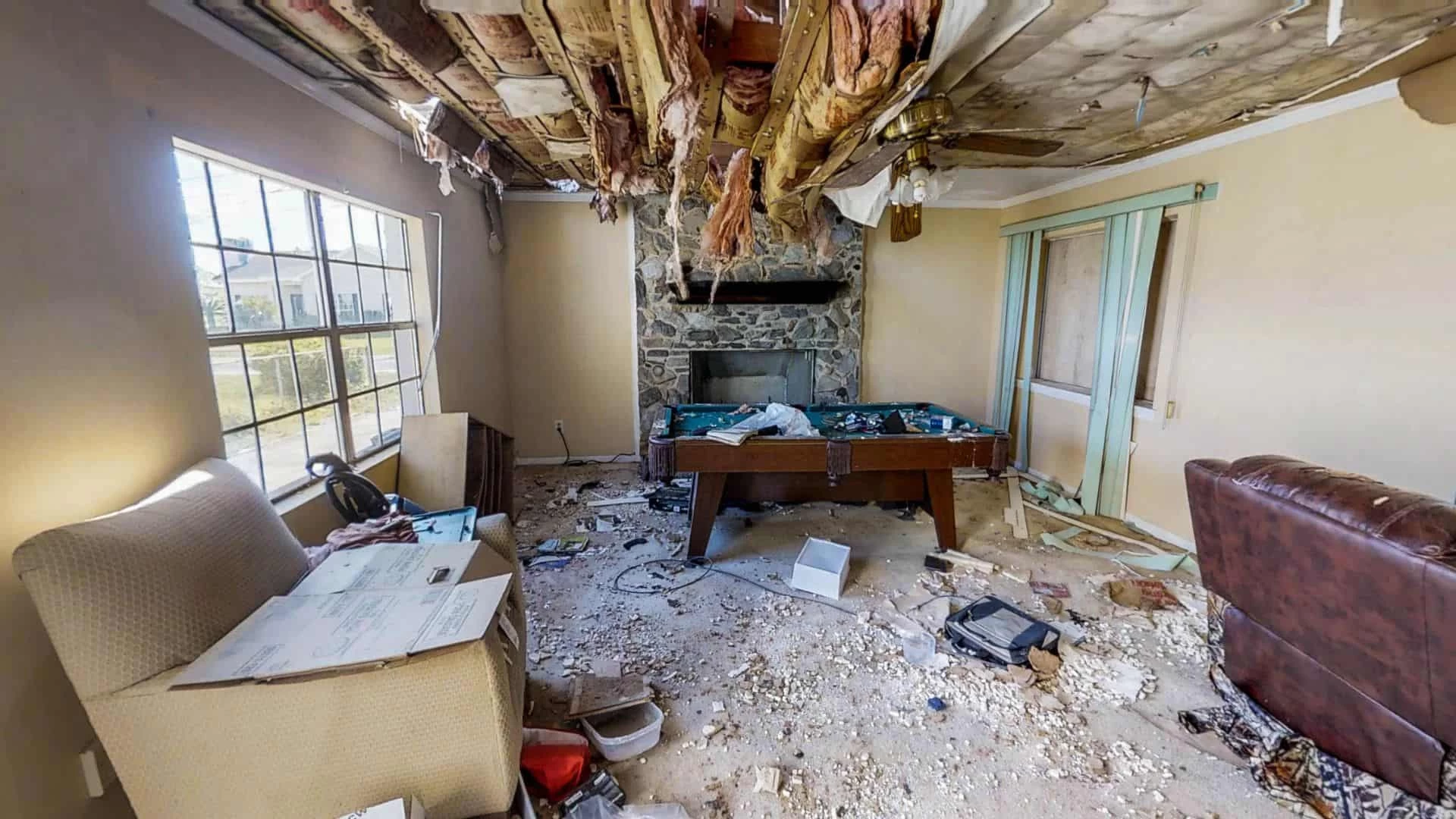
For Garrison homeowners, especially those managing a second property or estate along the Hudson River corridor, the risk compounds when no one is on-site to catch a problem early. A burst pipe during a winter freeze or a sump pump failure during a spring rain can go undetected for days. By the time you find it, you’re not dealing with water damage anymore you’re dealing with mold, structural deterioration, and a significantly larger restoration scope. We handle the whole picture, from emergency extraction through final reconstruction, so you’re not coordinating three different contractors while your property continues to sit wet.
We’ve been doing environmental restoration work in New York for over 12 years. We hold IICRC certification the standard that insurance adjusters actually look for when reviewing whether a restoration claim will be accepted along with NYS and NYC M/WBE certification, full liability insurance, and workers’ compensation coverage. These aren’t just credentials to list. They’re the reason a Philipstown homeowner with a $580,000 property doesn’t have to wonder whether the contractor working on their home is qualified to be there.
We work directly with insurance carriers and handle billing on your behalf, which matters considerably in a town where the July 2023 storm left residents simultaneously managing emergency repairs, damage documentation, and SBA disaster loan applications. Our relationship with the NYS Office of General Services further signals the kind of institutional accountability that Putnam County homeowners educated, property-conscious, and not easily impressed actually respond to.
Whether you’re a full-time Cold Spring resident or managing an estate property in Garrison from the city, the process is the same: one point of contact, full scope of work, and a restoration that meets the documentation standards your insurer requires.
Emergency Water Damage Restoration Process Philipstown
From First Call to Final Walkthrough Here's What Happens
The first call triggers an immediate response. We operate 24/7, which means whether your basement flooded at 2 a.m. on a Sunday during a storm the same way the July 9, 2023 event hit Cold Spring or you’re getting a call from a neighbor about your Garrison property mid-week, a certified team is dispatched without delay. Response time in a rural-suburban town like Philipstown isn’t a minor detail. The winding roads, the distance from major contractor hubs, and the older building stock all mean that every additional hour of standing water is doing measurable damage.
On arrival, our team assesses the full scope: where the water came from, how far it’s traveled, what materials are affected, and whether there are any hazardous materials involved. In Philipstown, that last point is not a formality. With nearly 25% of homes built before 1940 and significant additional housing stock from the mid-20th century, asbestos-containing materials pipe insulation, floor tiles, plaster, roofing are a realistic finding in any restoration project that requires opening walls or disturbing structural materials. We handle asbestos abatement in-house, which means work doesn’t stop while you wait for a separate contractor to clear the site.
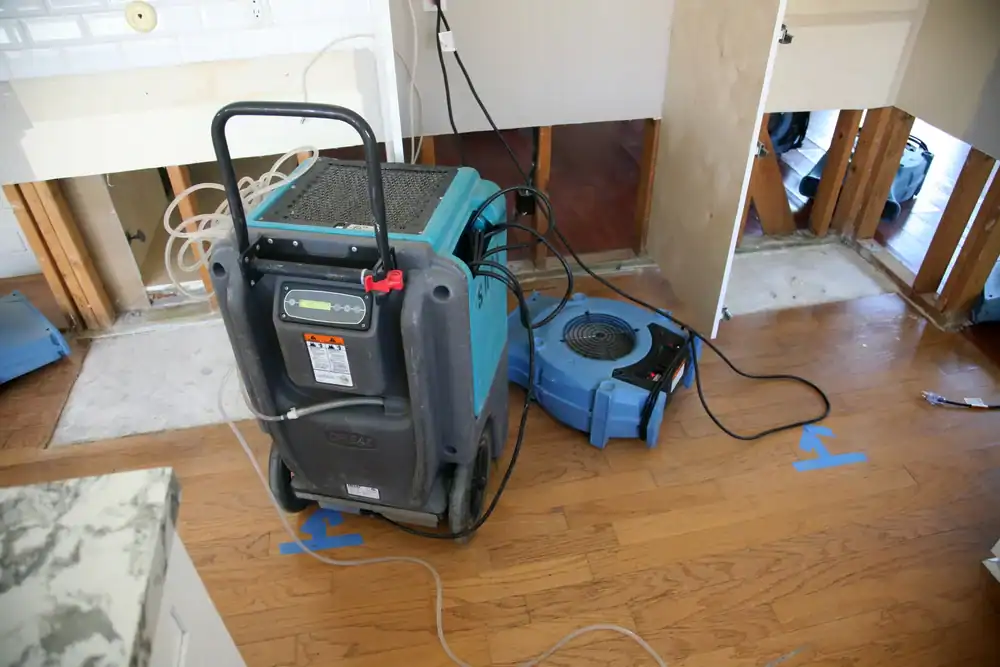
After extraction and abatement (if needed), industrial drying equipment is deployed and monitored until moisture readings confirm the structure is genuinely dry not surface dry. Mold testing follows, and if remediation is needed, it’s handled as part of the same project. From there, reconstruction brings the space back to pre-loss condition. Throughout the process, we document everything in the format insurance companies require, and handle the billing directly so you’re not left managing that piece on top of everything else.
Water Damage Restoration Services Near Cold Spring NY
Full-Scope Restoration Built for Philipstown's Specific Conditions
Water damage restoration in Philipstown isn’t a one-size situation. The town’s geography, building stock, and infrastructure create a specific set of conditions that affect how restoration work gets done here. Homes along Route 9D and in the Cold Spring Historic District often have historic materials, original wood framing, and masonry foundations that require careful assessment before any demolition or drying work begins. Properties in Garrison particularly estate-level homes and second residences along the Hudson River corridor may sit unoccupied for extended periods, which changes both the damage profile and the documentation requirements for insurance purposes.
Our full service scope covers emergency water extraction, structural drying, mold testing and remediation, asbestos abatement, and complete reconstruction. For Philipstown homeowners on private wells and septic systems which is the majority of the town flood events can also involve contaminated water intrusion, and the remediation process accounts for that. The Cold Spring Building Department requires permits for reconstruction and structural work, and we operate in full compliance with the NYS Uniform Fire Prevention and Building Code as administered locally through Putnam County. If your property is within the Cold Spring Historic District, material selection and exterior reconstruction work may carry additional preservation considerations, and we’re familiar with navigating those requirements.
Financing up to $200,000 at 0% APR is available for qualifying projects a real option for homeowners whose restoration scope exceeds what insurance covers, or for second-home owners who need to authorize work immediately without waiting on a settlement.
Does homeowner's insurance cover water damage restoration in Philipstown, NY?
It depends on the source of the water. Most standard homeowner’s insurance policies cover sudden and accidental water damage a burst pipe, an appliance failure, or water intrusion from a storm event that damages the structure. What they typically don’t cover is flooding from an external source, like the Hudson River or stormwater overflow, unless you carry a separate flood insurance policy through the National Flood Insurance Program (NFIP).
This distinction matters a lot in Philipstown. The July 2023 storm caused damage across the town from both categories some homeowners had structural water intrusion from roof damage or overwhelmed drainage systems, which may be covered, while others had direct stormwater flooding into basements, which often isn’t covered under a standard policy. After that storm, an SBA Disaster Loan Outreach Center was opened specifically because many residents found their standard coverage fell short of total restoration costs. We work directly with insurance carriers and document the damage in the format adjusters require, which helps ensure you’re getting the maximum covered amount and the financing options available can bridge any remaining gap.
How quickly does mold start growing after water damage in an older Philipstown home?
Mold can begin developing within 24 to 48 hours of water intrusion and in an older Philipstown home, the conditions often accelerate that timeline. Original plaster walls, wood framing, and older insulation materials hold moisture longer than modern construction, which gives mold more time to establish before it becomes visible. By the time you see discoloration or smell something off, the growth is already well underway behind the surface.
This is one of the reasons a fast response matters so much in this area. Homes in Cold Spring and Garrison weren’t built to modern moisture-resistance standards, and many have crawl spaces, stone foundations, or basement configurations that retain humidity even after visible water is removed. Proper drying means using calibrated industrial equipment and monitoring moisture readings in the structure not just running fans and calling it done. We include mold testing as part of the restoration assessment, so if growth is present, it’s identified and remediated as part of the same project rather than discovered months later.
My Garrison property is a second home what happens if water damage goes undetected for days?
It’s one of the more common scenarios in Garrison, and the damage scope compounds quickly. A burst pipe during a winter freeze or a sump pump failure during a spring rain event can go undetected for several days in an unoccupied property. Within the first 48 hours, mold begins developing. Within a week, depending on the volume of water and the materials affected, you may be looking at structural deterioration in wood framing, subfloor damage, and contamination that requires full remediation rather than simple drying.
The practical impact is a significantly larger restoration scope and a more complicated insurance claim, because insurers often scrutinize delayed-discovery claims more carefully and may question whether the damage was preventable. Our documentation process is designed to establish a clear timeline and cause-of-loss record, which is important for protecting your claim. For Garrison second-home owners specifically, the ability to authorize work remotely with one contractor managing extraction, drying, mold remediation, and reconstruction removes the coordination burden that makes these situations harder to manage from a distance.
Does water damage restoration in Cold Spring require a building permit?
For the extraction and drying phase, no permit is typically required. But once the work moves into reconstruction replacing drywall, flooring, structural components, or any work that affects the building’s systems a building permit is required through the Town of Philipstown Building Department, located at Town Hall on Route 301 in Cold Spring. The work must comply with the NYS Uniform Fire Prevention and Building Code as administered locally by the Putnam County Building Inspector.
If your property is within the Cold Spring Historic District, which is listed on the National Register of Historic Places, there are additional considerations for exterior work and material selection. The Historic District covers much of the original 19th-century building stock in the village structures originally built to house workers from the West Point Foundry and preservation standards may affect what materials can be used in reconstruction. We’re familiar with operating under these requirements and handle permit compliance as part of the project, so you’re not left navigating that process independently while your home is mid-restoration.
What does it mean that we handle asbestos abatement in-house?
It means the restoration process doesn’t have to stop while you wait for a separate licensed contractor to come in, test for asbestos, and clear the site before work can resume. In New York State, asbestos abatement requires licensed contractors and specific notification and disposal protocols it’s not something a general restoration crew can handle without the proper credentials. When a restoration project requires opening walls, replacing flooring, or disturbing any structural materials, asbestos testing may be legally required before that work can proceed.
In Philipstown, this is a practical consideration on a significant number of jobs. Nearly 25% of homes in the town were built before 1940, and a substantial additional portion was built before 1980 the year asbestos use in construction materials became heavily restricted. Pipe insulation, floor tiles, textured plaster, and roofing materials from that era frequently contain asbestos. Having abatement handled in-house means the timeline stays intact, the documentation is consolidated, and you’re working with one accountable contractor from start to finish rather than coordinating multiple vendors during an already stressful situation.
How does the 0% APR financing work for water damage restoration projects?
We offer financing up to $200,000 at 0% APR for qualifying restoration projects. The application process is straightforward, and it’s designed to let homeowners authorize the full scope of necessary work without waiting on insurance settlements or depleting savings to cover out-of-pocket costs upfront.
This option is particularly relevant in Philipstown, where median home values are close to $580,000 and restoration costs for a historic property especially one that involves mold remediation, asbestos abatement, and structural reconstruction can reach well into the tens of thousands of dollars. Insurance coverage helps, but it rarely covers everything, and the gap between what a policy pays and what full restoration actually costs is real. For Garrison second-home owners who may carry limited coverage on a seasonal property, or for Cold Spring residents dealing with damage to a pre-war home with complex materials, having access to financing that doesn’t accrue interest means you can make the right decision for your property rather than the financially constrained one.