When Water Finds Your Plainedge Basement, Hours Matter
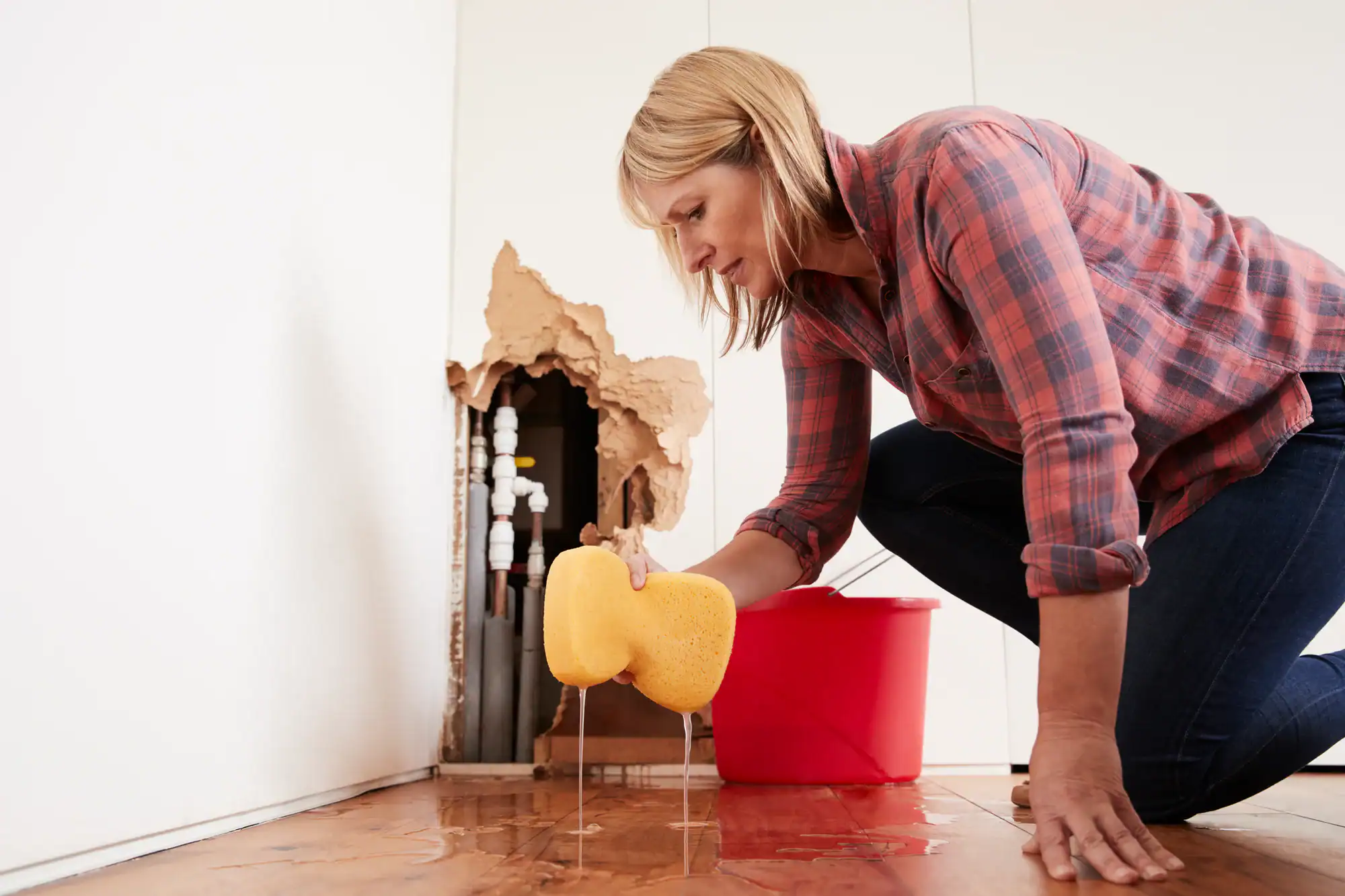
When water gets into your home, every hour matters. We respond fast to water damage restoration calls across Plainedge, NY — stopping the damage before it becomes something far worse.
I needed a professional consultation explanation of procedure for safe removal of Asbestos in my apartment complex. Without having an account yet, I was very impressed with the caring, knowledgeable and generous advice offered by Jessica, and will look forward to doing business in the future. Thank you so much! I feel much more informed about a sometimes scary endeavor. Peace. Nancy Silva Mineola, NY.
Mia Munoz
Used this company to clean up some water flood in my house. They were fast and easy to work with.very professional, Would recommend to anyone!
Nini Valle
Great company, had a flood and they responded quickly and efficiently. Billed my insurance company directly. I highly recommend this company!
joe colapietro, jr
I had pipe freeze in my basement right before a snow storm and they made to within an hour to help start the clean up process. They we by our side throughout the entire process and even helped with the insurance company. They did such a great job with the cleanup, repair, remidiation, I contracted them to perform the repairs and finishes in the basement. They came with enough manpower and material to get the job done. Leo and Jessica were nothing but a pleasure to deal with!!
Cristian Arredondo c
I had some water damage in my home and Green Island was able to take care of my issue quickly and effectively. I am very pleased with the work they did. They responded quickly and were very professional.
Michael M
Outstanding service! From the office to the field crew everyone was friendly, helpful and responsive. I highly recommend Green Island Group.
Water damage in Plainedge rarely looks like what you see on the news. There’s no coastline here, no storm surge maps, no evacuation zones. What there is — and what catches a lot of homeowners off guard — is a water table that sits just a few feet below your foundation. After a few days of steady rain, that groundwater doesn’t need a burst pipe to find its way in. It rises through floor joints, seeps through foundation cracks, and saturates the finished basement you’ve spent years building out. By the time you notice it, the clock on mold growth has already started.
The homes in Plainedge were mostly built between the 1950s and 1970s. That era of construction means original plumbing, aging drainage systems, and foundations that weren’t engineered for the storm intensity this area sees today. A galvanized pipe that’s been corroding from the inside for 60 years doesn’t announce itself before it fails. A sump pump that’s been working fine for a decade can give out at the worst possible moment — during the exact storm that needs it most. What you get after proper restoration isn’t just a dry floor. It’s confidence that the moisture inside your walls and under your subfloor has actually been found and removed, not just dried on the surface.
Mold can begin colonizing within 24 to 48 hours of water intrusion — and in Nassau County’s humid summers, that window can be even shorter. A finished basement with drywall and carpet is exactly the kind of environment mold establishes itself in fastest. Getting the right team in quickly isn’t about being cautious. It’s about protecting a home that, in Plainedge’s current market, is worth somewhere in the range of $800,000. That’s not a number you want to gamble with.
We Know Plainedge Homes Better Than Any Franchise Can
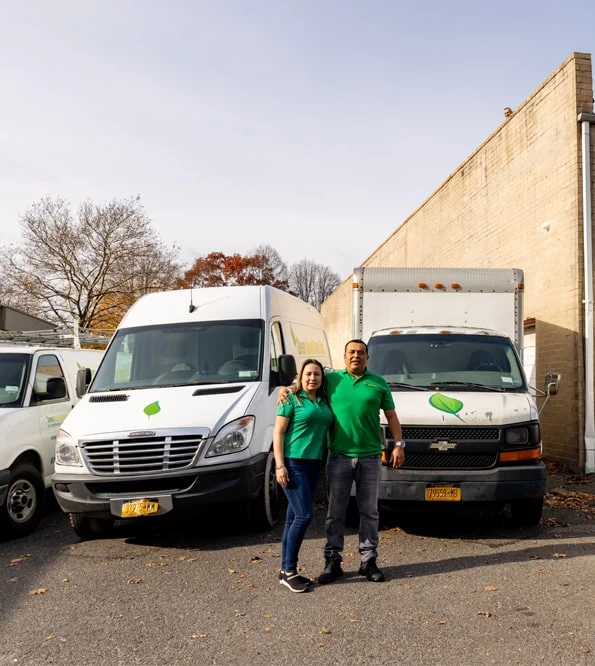
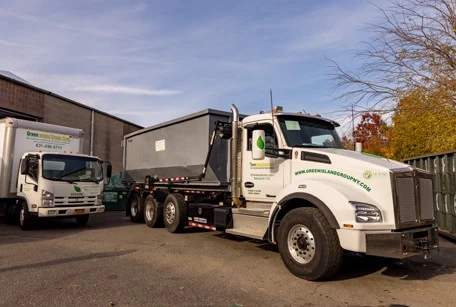
We’re a Long Island-based water restoration company — not a franchise routing your call through a regional call center before dispatching whoever’s available. When you call us, you’re reaching a team that already knows Nassau County, already understands the housing stock in Plainedge and the surrounding Bethpage and North Massapequa corridor, and can be at your door faster because we’re not managing a territory that stretches across three counties.
That local knowledge matters more than it sounds. The split-levels and Cape Cods that line Plainedge’s streets have specific moisture pathways — water behaves differently in a 1960s slab-on-grade ranch than it does in a basement-equipped colonial. We’ve worked in these homes. We know where moisture hides, which wall assemblies hold water longest, and what a proper dry-out actually looks like in a house built before vapor barriers were standard.
We’re also fully licensed under New York State’s 2016 Mold Law, which requires separate state licensure for mold assessment and remediation. Not every company showing up in a Plainedge search result can say that — and for you, that distinction matters both legally and for your insurance claim.
Emergency Water Damage Restoration Service Plainedge
From Your First Call to Final Clearance — What Actually Happens
When you call, we’re not putting you on hold to figure out who’s closest. We move fast because we know what’s happening inside your home while you wait. The first thing we do on arrival is find the source — not assume it. In Plainedge, that’s critical. Water intrusion here can come from a failed sump pump, a burst pipe in an exterior wall, groundwater rising through a foundation crack, or storm drain backup pushing water back through floor drains. Each one requires a different response, and misdiagnosing the source is how restoration jobs fail.
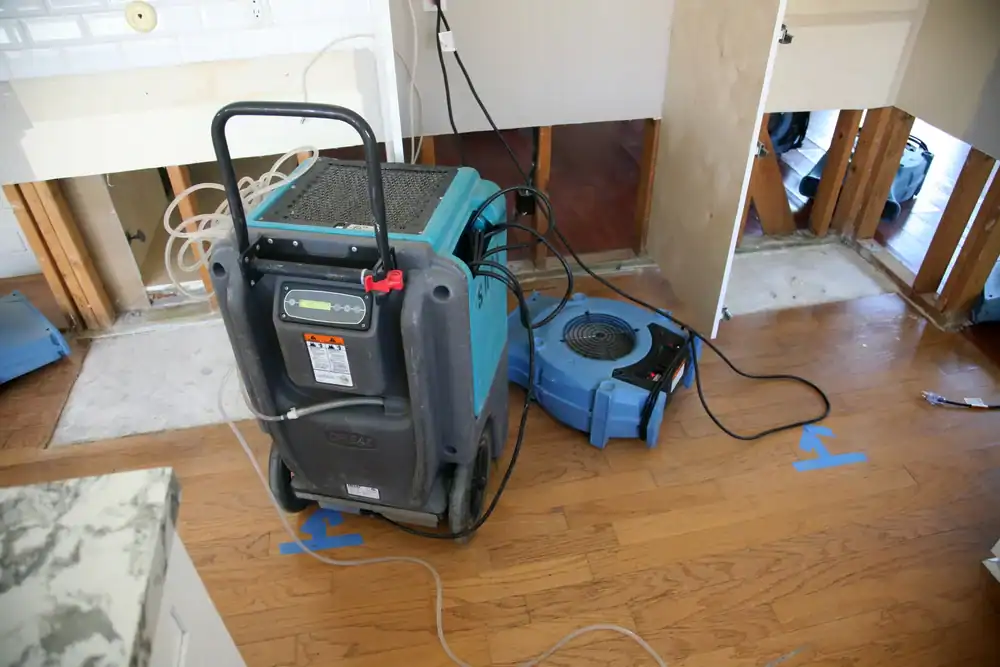
Once we’ve identified where the water came from, we use thermal imaging cameras and calibrated moisture meters to map exactly where it went. In a postwar home with finished basement walls, that moisture can travel far from where the water visibly appeared. We don’t declare a job done based on how the floor looks — we declare it done when the readings confirm it. From there, we set up industrial drying equipment, monitor the drying progress over the following days, and document everything for your insurance claim.
Speaking of insurance — we handle that process directly. We document the damage before, during, and after, communicate with your adjuster, and make sure the scope of work is accurately represented. If the restoration requires structural repairs that need a permit through the Town of Oyster Bay, we coordinate that too. You shouldn’t have to become an expert in insurance claims and municipal permitting on top of dealing with a flooded home.
Water damage restoration isn’t one thing — it’s a sequence of connected steps that only works when every one of them is done right. What we provide in Plainedge covers the full scope: water extraction, structural drying, moisture mapping with thermal imaging, mold prevention treatment, content documentation for your insurance claim, and coordination with your adjuster from start to finish. If mold has already established — which is possible if there was any delay between the intrusion event and your call — we handle licensed mold remediation separately, as required under New York State law.
For Plainedge homeowners specifically, a few things come up consistently. Finished basements are common here, and they require more careful drying than open concrete spaces — drywall, insulation, and flooring all need to be evaluated individually. Homes with original plumbing also tend to have more complex water pathways, because aged pipe joints and corroded fittings can send water in directions that newer construction wouldn’t. We account for both when we build your restoration plan.
We also work with all major insurance carriers operating in Nassau County — Allstate, State Farm, and others — and we know how local adjusters approach water damage claims. That familiarity shortens the process and reduces the chance of your claim being underdocumented. Every job we do is IICRC S500 compliant, which is the same standard your insurance company uses to evaluate whether the work was done correctly. That alignment matters when it’s time to settle.
Does homeowners insurance cover basement flooding in Plainedge, NY?
It depends on what caused the flooding — and that distinction is more important than most people realize. Standard homeowners insurance typically covers sudden and accidental water damage, like a burst pipe or a washing machine supply line that fails. What it usually does not cover is flooding caused by surface water or groundwater rising from outside — that falls under flood insurance, which is a separate policy through the National Flood Insurance Program or a private carrier.
In Plainedge, this matters because the water table is high and groundwater intrusion after heavy rain is a real and common scenario. If the source of your basement water is groundwater rising through a foundation crack rather than an internal plumbing failure, you may be looking at a flood insurance claim rather than a homeowners claim — or potentially no coverage at all if you don’t carry a flood policy. The best thing you can do is call a restoration company before you call your insurer, so the source is properly documented from the start. That documentation is what determines how your claim gets categorized and how much gets covered.
How quickly can mold grow after a water damage event in my home?
The standard answer is 24 to 48 hours, and that’s accurate under normal conditions. But in Nassau County’s summer months, when ambient humidity is consistently elevated and finished spaces like basements have limited airflow, mold can begin establishing in structural cavities faster than that. The materials common in Plainedge’s postwar homes — paper-faced drywall, fiberglass insulation, carpet padding — are exactly what mold colonizes most readily.
What makes this especially important is that mold doesn’t always show itself right away. It can be actively growing inside a wall cavity or under a subfloor while the surface looks and smells fine. By the time you see visible mold or notice an odor, remediation is already more involved than it would have been with faster response. The single most effective thing you can do after any water intrusion event is get professional drying equipment running as quickly as possible. Surface fans and dehumidifiers from a hardware store are not the same as industrial drying equipment, and in a Plainedge home with finished walls, the difference between the two is often the difference between a drying job and a mold remediation job.
What's the difference between water damage restoration and water damage repair?
Restoration is the process of extracting water, drying the structure, and returning the affected area to a dry, safe, pre-damage condition. Repair is what happens after — replacing drywall, refinishing floors, repainting, or rebuilding anything that couldn’t be saved. Most water damage jobs in Plainedge involve both, but they’re separate phases and sometimes handled by different contractors depending on the scope.
The restoration phase has to be completed correctly before any repair work starts. If you patch drywall or lay new flooring over a structure that hasn’t been fully dried and cleared, you’re sealing moisture into the building envelope. In a home with the kind of wall assemblies common in 1960s Nassau County construction, that trapped moisture will cause structural rot and mold growth over time — problems that cost significantly more to fix than the original water damage would have. We complete the full restoration and moisture clearance before any repair work begins, and we document the dry-out thoroughly so the repair contractors — whether that’s us or someone else — are starting from a clean baseline.
How long does water damage restoration take for a Plainedge home?
For most residential jobs in Plainedge, the active drying phase runs between three and five days. That’s the period when industrial air movers and dehumidifiers are running continuously, and when we’re returning daily or every other day to monitor moisture readings and adjust equipment placement. Larger losses — a finished basement that took on significant standing water, or a multi-room event from a burst pipe — can run longer, sometimes seven to ten days before the structure reaches the dry standard required for clearance.
The variables that affect timeline most in Plainedge homes are the age of the construction and whether the affected space is finished or unfinished. A finished basement with insulated walls holds moisture longer than an open concrete space, and original plaster or older drywall assemblies behave differently than modern construction. We give you a realistic timeline after the initial assessment — not a number designed to make you feel better. What matters is that the drying is complete, not that it’s fast.
Do I need a permit for water damage restoration work in Plainedge?
For basic water extraction and structural drying, no permit is required. But if the restoration involves replacing drywall beyond a certain threshold, making repairs to electrical systems that were affected by the water, or any work touching plumbing — which is common in Plainedge homes with aging pipe systems — then yes, a permit is required through the Town of Oyster Bay Department of Planning and Development. Because Plainedge is an unincorporated CDP within the Town of Oyster Bay, that’s the permitting authority for any structural work on your property.
This is something a lot of homeowners don’t think about until it becomes a problem — either during the insurance claim process or when they go to sell the home and a buyer’s inspector asks about unpermitted work. We coordinate the permitting process when it’s required, so you’re not navigating Town of Oyster Bay building department paperwork on top of everything else. It’s part of doing the job correctly, not an add-on.
How do I know if the water damage in my home has been fully dried and is safe?
You can’t know by looking at it — and that’s the honest answer. A wall that feels dry to the touch and looks fine can still have moisture readings inside the cavity that indicate active risk. The only way to confirm a structure is genuinely dry is with calibrated moisture meters and, in many cases, thermal imaging that shows temperature differentials caused by wet materials behind finished surfaces. In Plainedge homes specifically, where finished basements and older wall assemblies are common, visual inspection alone misses a significant amount of what’s actually happening inside the structure.
When we complete a restoration job, we provide documentation of the final moisture readings taken at multiple points throughout the affected area. Those readings are compared against the established dry standard for each material type — wood framing, drywall, concrete — and the job isn’t considered complete until every reading is within the acceptable range. That documentation also goes into your insurance file, which matters if there’s ever a question later about whether the work was done to standard. You should never accept a “looks good” verbal sign-off on a water damage job. Ask for the numbers.