When the Harbor Comes Inside, Act Before the Clock Runs Out
Poquott’s peninsula location means water doesn’t just fall from the sky it comes from every direction. We respond 24/7 with certified water damage restoration built for coastal homes on the North Shore.
I needed a professional consultation explanation of procedure for safe removal of Asbestos in my apartment complex. Without having an account yet, I was very impressed with the caring, knowledgeable and generous advice offered by Jessica, and will look forward to doing business in the future. Thank you so much! I feel much more informed about a sometimes scary endeavor. Peace. Nancy Silva Mineola, NY.
Mia Munoz
Used this company to clean up some water flood in my house. They were fast and easy to work with.very professional, Would recommend to anyone!
Nini Valle
Great company, had a flood and they responded quickly and efficiently. Billed my insurance company directly. I highly recommend this company!
joe colapietro, jr
I had pipe freeze in my basement right before a snow storm and they made to within an hour to help start the clean up process. They we by our side throughout the entire process and even helped with the insurance company. They did such a great job with the cleanup, repair, remidiation, I contracted them to perform the repairs and finishes in the basement. They came with enough manpower and material to get the job done. Leo and Jessica were nothing but a pleasure to deal with!!
Cristian Arredondo c
I had some water damage in my home and Green Island was able to take care of my issue quickly and effectively. I am very pleased with the work they did. They responded quickly and were very professional.
Michael M
Outstanding service! From the office to the field crew everyone was friendly, helpful and responsive. I highly recommend Green Island Group.
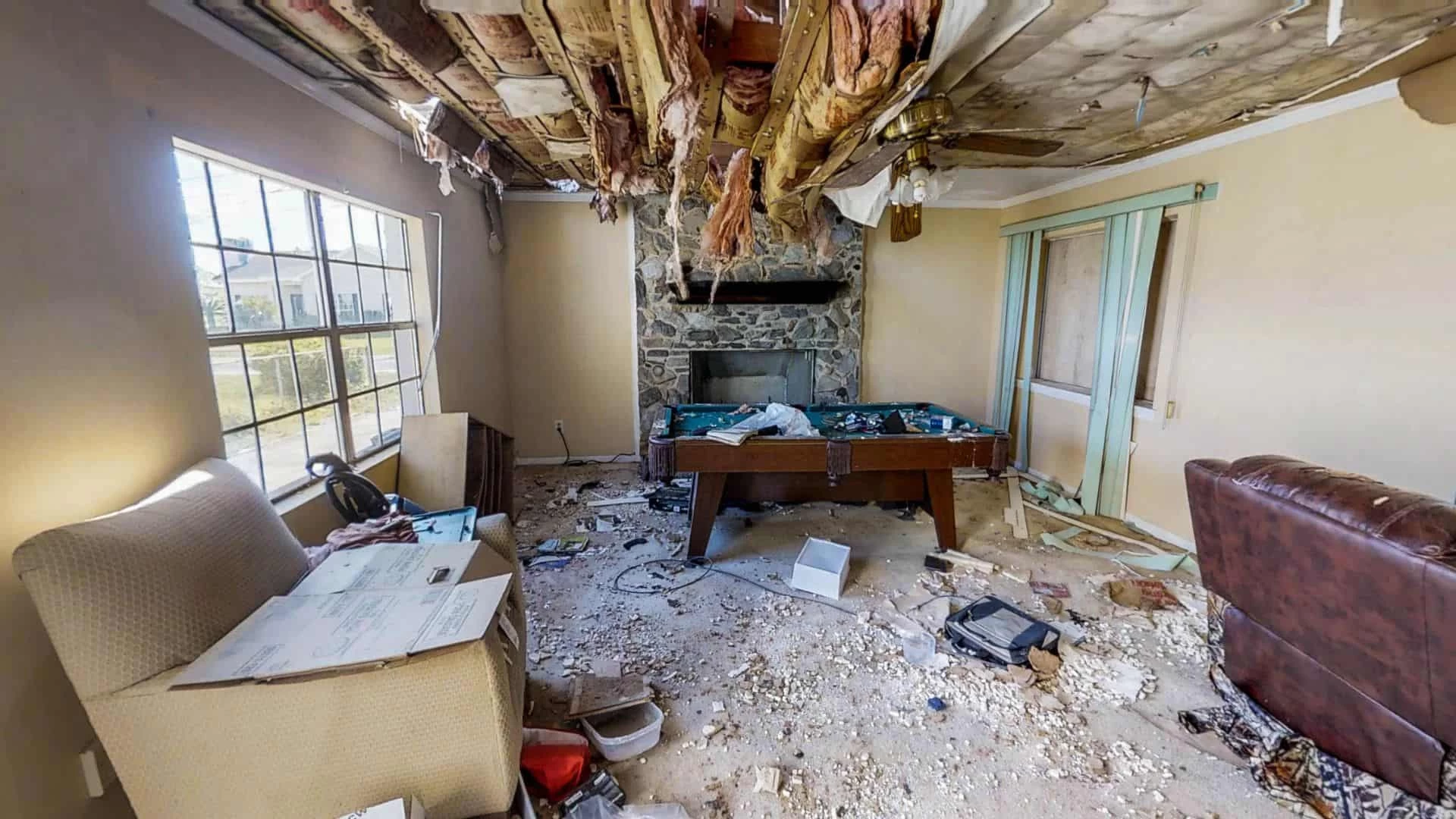
The moment water gets in, the damage starts moving through your subfloor, behind your walls, into the insulation you can’t see. Most homeowners don’t realize how far it’s spread until the mold shows up two weeks later. By that point, what could have been a straightforward cleanup has turned into a much bigger project.
In Poquott, that risk is amplified. The village sits on a peninsula flanked by Conscience Bay and Port Jefferson Harbor, and the ambient humidity that comes with that coastal exposure gives mold exactly the conditions it needs to take hold faster than it would inland. Older homes on Cedar Avenue, Shore Drive, and throughout the Tinker Bluff area often have original plumbing and building materials that absorb moisture quickly and hold it longer.
Professional restoration done right means your home is actually dry not surface dry, but structurally dry, verified with thermal imaging and moisture meters that find what you can’t see. It means your air quality is tested, your materials are assessed for secondary hazards, and your insurance documentation is handled correctly. You get your home back. Not a version of it the actual thing.
Local to Poquott and the North Shore, Built for Exactly This
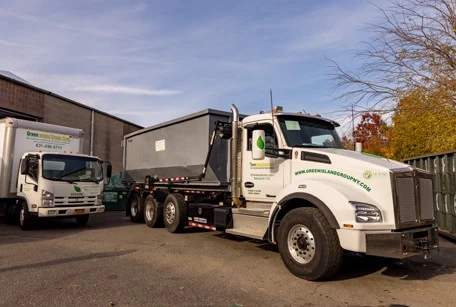
We’re a Long Island-based environmental and restoration company not a national franchise with a call center and rotating crews. When you call, you reach a real local team that knows Poquott, knows the Three Villages area, and has worked in homes just like yours.
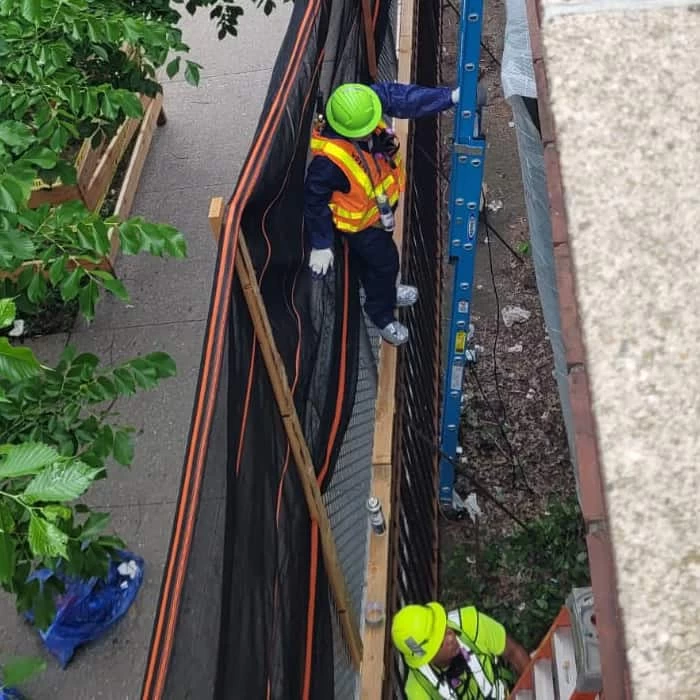
What makes the difference here isn’t just speed, it’s capability. Water damage in older Poquott homes especially those built before the 1980s frequently uncovers complications: mold behind walls, asbestos in floor tiles or pipe insulation, materials that require licensed handling before any drywall comes down. We handle all of it in-house. Water extraction, structural drying, mold remediation, asbestos abatement, and air quality testing one company, one point of contact, no handoffs.
In a village like Poquott where people know their neighbors and reputation travels fast, that accountability matters. You’re not a work order number here.
It starts with a call. You reach a real person, not a voicemail, and within the hour a certified technician is on the way. The first thing we do when we arrive isn’t grab equipment it’s assess. Thermal imaging cameras and calibrated moisture meters map exactly where the water has traveled, including places that look dry on the surface but aren’t. That assessment drives everything that follows.
From there, we extract standing water, set up commercial-grade drying systems, and begin the structural drying process according to IICRC S500 standards the same protocols used by the best restoration companies in the country. In Poquott’s coastal environment, where elevated humidity slows the drying process, the equipment we use isn’t optional. Consumer-grade fans and hardware store dehumidifiers simply don’t move enough air or pull enough moisture to do the job correctly.
As drying progresses, we monitor daily and adjust. If the assessment turns up mold, asbestos in older materials, or other hazards which happens in a meaningful number of pre-1980 homes in this area we handle that in-house rather than handing you a list of other contractors to call. Restoration work that requires permits through the Village of Poquott is something we’re familiar with navigating. When the job is done, you get a full documentation package useful for your insurance claim and for your own records.
Water damage restoration isn’t just extraction and a few fans. In a coastal village like Poquott where homes range from historic colonials to mid-century ranches to the 1980s Tinker Bluff builds the scope of what needs to happen after a water event varies significantly by property. Our restoration service covers the full picture: emergency water extraction, structural drying, moisture mapping, mold assessment and remediation, asbestos abatement for older materials, lead testing where applicable, and air quality verification once the work is complete.
For Poquott homeowners carrying both standard homeowners insurance and separate flood coverage which is common given the village’s direct exposure to Port Jefferson Harbor the documentation side of a claim can get complicated fast. We work directly with insurance adjusters, photograph and document damage thoroughly, and make sure the claim reflects the actual scope of what happened. You shouldn’t have to fight your insurance company while also managing an emergency in your home.
Whether you’re dealing with a burst pipe in the middle of a January nor’easter, a flooded basement after a spring storm off Conscience Bay, or storm surge damage from a summer hurricane, the response is the same: fast, thorough, and handled from start to finish by a single certified team that knows what they’re doing in this specific environment.
How quickly can mold develop after water damage in a Poquott home?
Mold can begin colonizing within 24 to 48 hours of water exposure that’s the documented window according to IICRC S500 standards, and it applies everywhere. But in Poquott, the timeline is tighter than it would be in an inland community. The village’s peninsula location between Conscience Bay and Port Jefferson Harbor means ambient humidity is consistently elevated, and higher baseline humidity gives mold spores exactly the environment they need to take hold faster.
That’s why the first 24 hours after a water event matter so much. If you’re waiting to see whether things dry out on their own, or hoping a box fan handles it, you’re likely already in the mold window. Professional extraction and commercial-grade drying equipment don’t just remove water faster they pull moisture out of wall cavities, subfloors, and insulation where mold actually starts. Getting a certified team in immediately is the single most effective thing you can do to keep a water damage event from becoming a mold remediation project.
Does homeowners insurance cover water damage restoration in Poquott, NY?
It depends on the source of the water. Standard homeowners insurance typically covers sudden and accidental water damage a burst pipe, an appliance failure, a roof leak from a storm. It generally does not cover flooding from an external source, which is where a separate flood insurance policy (through the NFIP or a private insurer) comes in.
For Poquott homeowners, this distinction is especially important. Because the village sits on a peninsula with direct exposure to Port Jefferson Harbor, storm surge events are a real and recurring risk and storm surge is typically classified as flooding, not covered under standard homeowners policies. If you’re in a designated flood zone, your mortgage lender may already require flood coverage. If you’re not sure what you have or what it covers, the best time to figure that out is before you need it. When you do file a claim, thorough documentation of the damage photos, moisture readings, scope of work is what determines how smoothly the process goes. That’s something we handle as part of the job.
What causes the most water damage calls in Poquott during winter months?
Burst pipes are the leading cause, and Poquott’s coastal wind chill accelerates the problem. When a nor’easter pushes cold air off Port Jefferson Harbor, pipes running through exterior walls or unheated crawl spaces in older homes can freeze and burst faster than they would in a more sheltered inland location. The village has a significant number of homes built in the mid-20th century, and many of those properties have original plumbing that wasn’t designed with modern insulation standards in mind.
The other common winter scenario is a sump pump failure during a prolonged rain or snowmelt event. Basements in low-lying areas near the waterfront are particularly vulnerable when the water table rises and the sump pump can’t keep up or loses power during a storm. In both cases, the response window is short. Water that sits in a basement or inside a wall cavity for more than a day or two starts creating secondary problems that are significantly more expensive to address than the original pipe repair.
Can water damage restoration uncover asbestos or lead paint in older Poquott homes?
Yes, and it happens more often than most homeowners expect. Poquott has a housing stock that spans multiple eras original colonials, mid-century ranches, and postwar Capes, many of which were built before 1978. Homes built before that year may contain lead paint, and homes built before 1980 may have asbestos in floor tiles, pipe insulation, or certain types of drywall compound. When water damage remediation requires opening walls, removing flooring, or disturbing insulation, those materials can become a hazard if they’re not handled correctly.
This is one of the clearest reasons why hiring a multi-certified restoration company matters in an older community like Poquott. A water-only operator who opens a wall and encounters asbestos-containing material either has to stop the job and bring in a licensed abatement contractor adding days to your timeline and another vendor to coordinate or, worse, continues without the proper licensing. We hold the certifications to handle asbestos abatement and lead paint testing in-house, which means the job keeps moving and you’re not left managing multiple contractors while moisture continues to sit in your walls.
How do I know if my home is actually dry after water damage restoration?
You can’t know by looking at it and that’s exactly the problem with relying on visual inspection or touch. Materials like drywall, subfloor sheathing, and wall insulation can feel dry on the surface while holding significant moisture inside. That trapped moisture is what leads to mold growth, wood rot, and structural deterioration weeks after the visible water is gone.
Professional moisture verification uses thermal imaging cameras and calibrated moisture meters to measure what’s actually inside the material, not just what’s on the surface. IICRC S500 protocols define specific dryness standards for different material categories concrete, wood framing, drywall, and others and restoration isn’t complete until those benchmarks are met and documented. In Poquott’s coastal environment, where ambient humidity slows the drying process, reaching those benchmarks takes the right equipment running long enough to do the job. We monitor moisture levels daily throughout the drying process and don’t close out a job until the readings confirm the structure is genuinely dry not just dry enough.
Why should I call Green Island Group instead of a national franchise for water damage in Poquott?
The honest answer is that national franchise operators do serve Poquott they’ll show up when you call. The question is what happens after they show up. Franchise models often mean variable crew quality, intake through a national call center, and a process that treats your home like a work order moving through a queue. When something unexpected comes up asbestos in a floor tile, a permit question with the Village of Poquott, a secondary mold issue behind a wall the handoffs start.
We’re a Long Island-based company with a local 631 number, consistent certified crews, and the in-house capability to handle the full scope of what water damage uncovers in an older coastal home. In a community as tight-knit as Poquott, that accountability shows up in how the work gets done, not just in how it’s described on a website. You get one team, one point of contact, and a company that has a real stake in doing the job right the first time.