When a Lake-Community Home Floods, Every Hour Counts
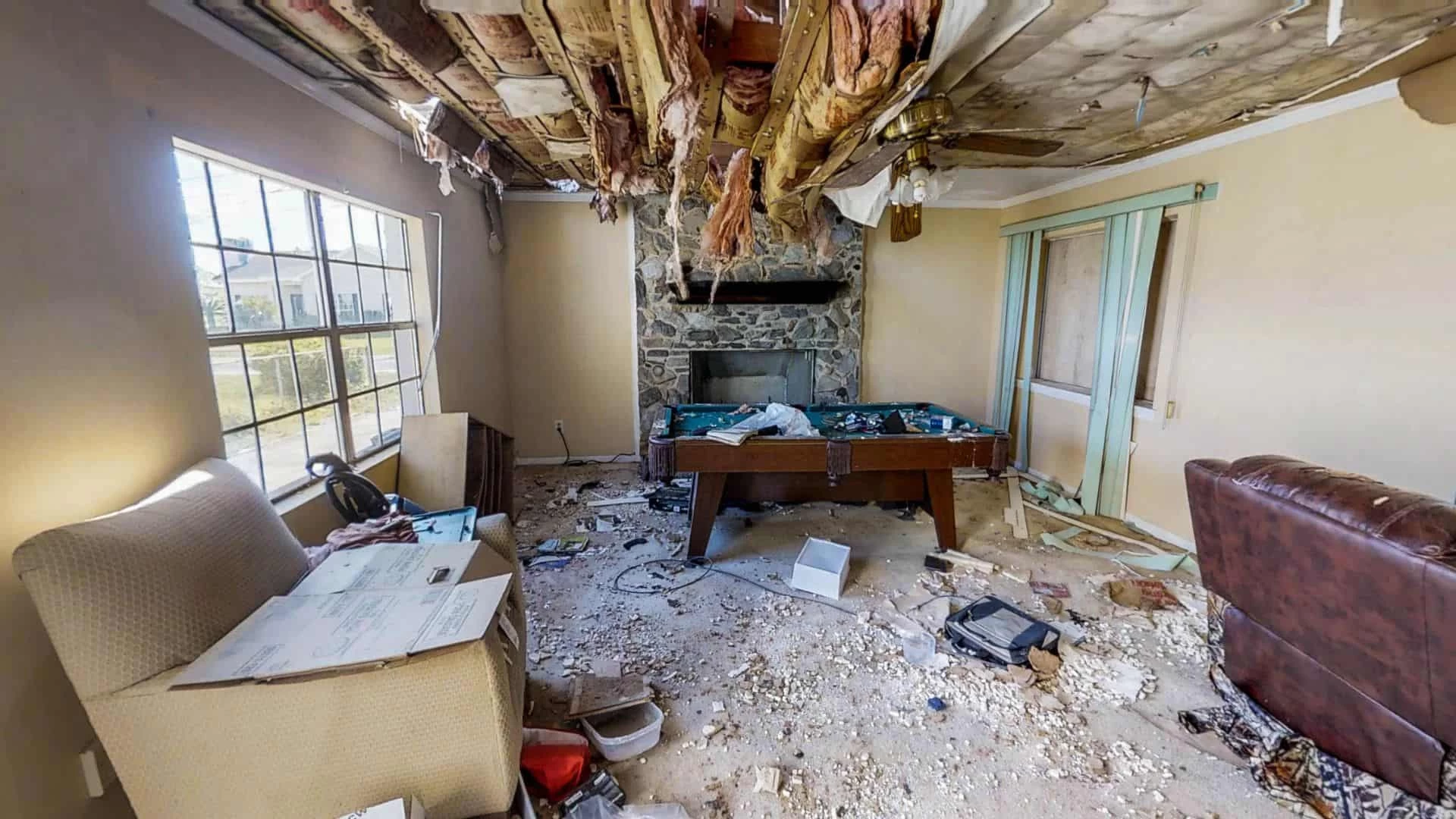
Putnam Lake’s older cottage-era homes weren’t built to take on a burst pipe or a flooded basement quietly and water damage restoration in Putnam Lake, NY means working fast before the real damage sets in.
I needed a professional consultation explanation of procedure for safe removal of Asbestos in my apartment complex. Without having an account yet, I was very impressed with the caring, knowledgeable and generous advice offered by Jessica, and will look forward to doing business in the future. Thank you so much! I feel much more informed about a sometimes scary endeavor. Peace. Nancy Silva Mineola, NY.
Mia Munoz
Used this company to clean up some water flood in my house. They were fast and easy to work with.very professional, Would recommend to anyone!
Nini Valle
Great company, had a flood and they responded quickly and efficiently. Billed my insurance company directly. I highly recommend this company!
joe colapietro, jr
I had pipe freeze in my basement right before a snow storm and they made to within an hour to help start the clean up process. They we by our side throughout the entire process and even helped with the insurance company. They did such a great job with the cleanup, repair, remidiation, I contracted them to perform the repairs and finishes in the basement. They came with enough manpower and material to get the job done. Leo and Jessica were nothing but a pleasure to deal with!!
Cristian Arredondo c
I had some water damage in my home and Green Island was able to take care of my issue quickly and effectively. I am very pleased with the work they did. They responded quickly and were very professional.
Michael M
Outstanding service! From the office to the field crew everyone was friendly, helpful and responsive. I highly recommend Green Island Group.
A flooded basement in a 1940s Putnam Lake cottage isn’t just wet floors and ruined furniture. It’s saturated insulation inside walls that were never designed for year-round freeze-thaw cycles, clay soil pressing moisture against a foundation that’s been doing that job for 80 years, and a 48-hour window before mold decides to move in permanently. Getting the water out fast matters but getting it all the way dry is what actually protects your home.
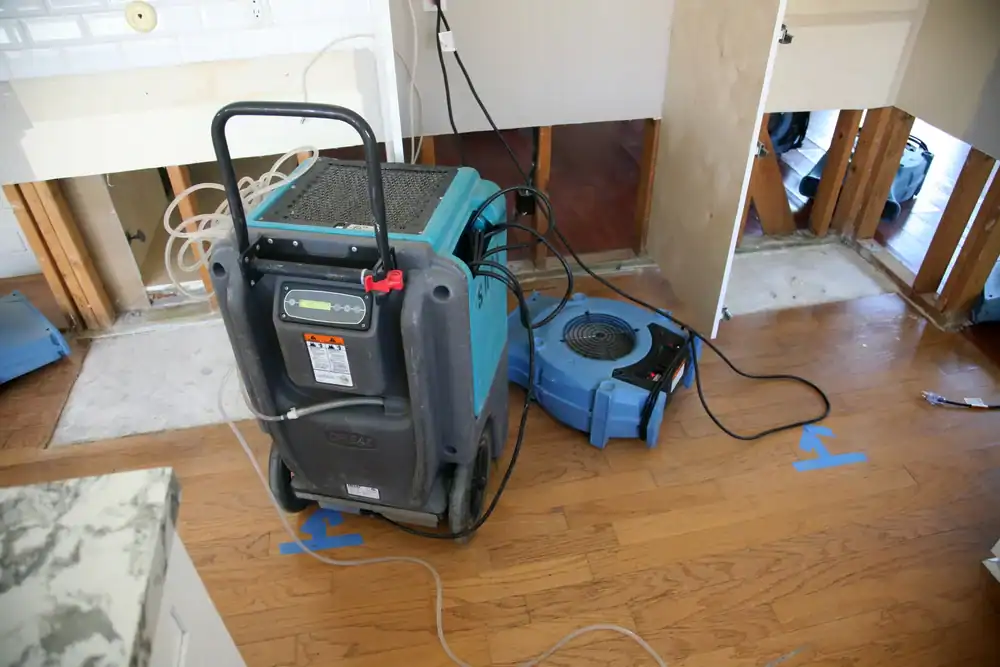
When professional-grade drying equipment is brought in early, you’re not just removing standing water. You’re pulling moisture out of the structural materials themselves: the subfloor, the framing, the wall cavities. That’s what stops a water event from becoming a mold event. And in a community where homes sit close to a 226-acre lake, where the water table rises every spring with snowmelt off the surrounding hills, that level of thoroughness isn’t optional it’s the difference between a resolved claim and a recurring problem.
For Putnam Lake homeowners, the outcome you’re after is simple: your home back to the condition it was in before the water showed up, with documentation we provide that your insurance carrier will accept and no hidden moisture left behind to surprise you in six months.
Green Island Group has been handling water damage, mold remediation, and full structural restoration for over 12 years across the Hudson Valley and surrounding counties. We’re IICRC-certified, fully insured liability and Workers’ Compensation and hold both NYS and NYC M/WBE certification. That last one isn’t a badge we hang on the wall. It means we’ve been vetted at the state level, which is the same standard required before a government agency hands us a contract.
We know Putnam Lake specifically. We know that most of the homes here were built as summer cottages in the 1930s and 1940s long before anyone was thinking about year-round plumbing or insulated crawl spaces. We know that the clay soil throughout the Putnam County watershed holds water longer than most people expect after a storm. And we know that when a water damage job in a pre-1980 home requires opening walls or pulling up flooring, there’s a real chance asbestos-containing materials are involved which is why we handle abatement in-house instead of stopping the job and telling you to find someone else.
One company, from the first call to the final walkthrough.
Emergency Water Restoration Process in Putnam Lake
No Guesswork Here's Exactly What Happens to Your Putnam Lake Home
When you call, we respond 24 hours a day, seven days a week. That’s not a marketing line it’s the operational reality for a community like Putnam Lake, where a pipe can burst in a vacant cottage on a Tuesday night in January and sit undetected until Wednesday morning. The first thing we do is stop the active damage: extract standing water, assess the full scope of intrusion, and set up industrial drying equipment calibrated to the actual moisture levels in your structure not just what’s visible on the surface.
From there, we conduct a full moisture mapping of the affected areas. In older Putnam Lake homes, water travels. It moves through original hardwood subfloors, into wall cavities insulated with materials from a different era, and down into crawl spaces that weren’t built with drainage in mind. We document everything with photos, moisture readings, and a detailed scope of loss because your insurance carrier is going to want that record, and we work directly with them so you don’t have to become your own claims adjuster.
If the restoration requires structural work replacing drywall, repairing framing, pulling up flooring we handle the permitting process through the Town of Patterson’s Building Department. If that work disturbs materials that may contain asbestos, which is a real possibility in any Putnam Lake home built before 1980, we test and abate before proceeding. The job doesn’t stop. It just gets done right.
Water Damage Restoration Services Near Putnam Lake
Full Restoration Built for Putnam Lake's Older Housing Stock
Most water damage companies will extract water, set up fans, and hand you a drying report. That’s fine for a newer home with modern materials. It’s not enough for a 1940s lake cottage in Putnam Lake where the foundation sits on clay soil, the plumbing has been retrofitted at least once, and the insulation in the walls may be original. We offer full-service restoration covering every phase: emergency water extraction, structural drying, mold assessment and remediation, asbestos testing and abatement, and complete reconstruction back to pre-loss condition.
The asbestos piece is worth understanding clearly. Homes built before 1980 and Putnam Lake has hundreds of them commonly contain asbestos in floor tiles, pipe insulation, ceiling tiles, and roofing materials. When water damage requires opening those materials, disturbing them without proper abatement is a health and liability risk. We’re certified to handle that work in-house, which means your project doesn’t get handed off to a second contractor mid-stream. It stays with us, on one contract, with one point of accountability.
We also offer financing up to $200,000 at 0% APR something no other water damage restoration company currently serving Putnam Lake advertises. If your deductible is higher than expected, or the scope of damage goes beyond what insurance covers, you shouldn’t have to choose between doing the job right and managing your cash flow. That option exists here, and it’s straightforward to access.
How quickly does mold start growing after water damage in a Putnam Lake home?
Mold can begin growing within 24 to 48 hours of water intrusion and in Putnam Lake’s lake-adjacent environment, that timeline is not theoretical. The area sits in a humid valley with clay soil that retains moisture long after a rain event, and many of the older homes here have crawl spaces, original wood framing, and wall cavities that hold moisture in ways that modern construction doesn’t. That combination creates ideal conditions for mold to establish itself quickly and quietly.
The reason this matters is that mold remediation after the fact is significantly more expensive and disruptive than preventing it through rapid, thorough drying. Industrial drying equipment reaches moisture levels in structural materials that household fans simply cannot. If you’re dealing with water damage right now, the most important thing you can do is get professional extraction and drying started within that first 24-hour window. Every hour after that narrows your options and increases your costs.
Does homeowner insurance cover water damage restoration in Putnam Lake, NY?
It depends on the source of the water. Most standard homeowner insurance policies in New York cover sudden and accidental water damage a burst pipe, a washing machine overflow, an ice dam that drives water through the roof. What they typically don’t cover is flooding from an external source, like the lake level rising or groundwater pushing through a foundation during a heavy spring rain. That type of flood damage usually requires a separate flood insurance policy through the National Flood Insurance Program (NFIP).
For Putnam Lake homeowners, this distinction is especially important. Properties near the lake shoreline or in low-lying areas around Morlock Brook are more exposed to groundwater intrusion during spring snowmelt than properties in communities built on higher ground. If you’re unsure what your policy covers, we can help you document the damage in a way that clearly identifies the source and scope which is exactly what your adjuster needs to process the claim accurately. We work directly with insurance carriers and handle the billing on our end so the process moves without you having to chase it.
What should I do immediately after discovering water damage in my home?
The first priority is stopping the water at its source if you can safely do so shut off the main water supply if it’s a pipe failure, or move valuables out of the affected area if it’s an intrusion from outside. Don’t run residential fans and assume the space is drying out. In older Putnam Lake homes with original wood subfloors and plaster walls, surface drying gives you a false sense of progress while moisture continues to sit inside the structure.
Call a professional water damage restoration company as quickly as possible ideally within the first few hours. Document everything with photos before anything is moved or cleaned up, because your insurance carrier will need that visual record. Avoid discarding damaged materials before the adjuster or restoration company has had a chance to assess them. And if the home was built before 1980, which covers a large portion of the Putnam Lake housing stock, don’t start pulling up flooring or opening walls yourself until the area has been evaluated for asbestos-containing materials. Disturbing those materials without proper protocols creates a health risk that compounds an already stressful situation.
My Putnam Lake home was built in the 1940s does that affect the restoration process?
Yes, in a few important ways. Homes built in the 1930s and 1940s which describes a significant portion of Putnam Lake’s original cottage-era housing stock were constructed with materials and methods that respond differently to water damage than modern construction. Original hardwood subfloors absorb and retain moisture in ways that engineered flooring doesn’t. Plaster walls take longer to dry than drywall. Older pipe systems, particularly those retrofitted when seasonal cottages were converted to year-round use, are more vulnerable to freeze-thaw stress and may have pre-existing weaknesses that a water event exposes.
The bigger issue is asbestos. Homes built before 1980 commonly contain asbestos in floor tiles, pipe insulation, ceiling tiles, and roofing materials. When water damage requires opening walls, replacing flooring, or disturbing pipe insulation, those materials need to be tested before any demolition work begins. A restoration company that isn’t certified for asbestos abatement will stop work at that point and tell you to hire someone else which delays the project and creates a gap in accountability. We handle abatement in-house, so the job continues without interruption and you’re not managing two contractors through a single event.
How does the 0% APR financing work for water damage restoration?
The financing is straightforward. We offer up to $200,000 in financing at 0% APR, which means you can proceed with a full, proper restoration without paying the entire cost out of pocket upfront. There’s no interest accruing while you pay it down, and it’s available for the full scope of work water extraction, drying, mold remediation, asbestos abatement, and reconstruction.
This matters in a practical way for Putnam Lake homeowners. Insurance deductibles have increased significantly in recent years, and not every element of a restoration is always covered under a standard policy. For a homeowner dealing with a major water event in an older home where the scope of damage often extends beyond what’s visible on the surface the gap between what insurance pays and what the full job costs can be substantial. The financing option means you don’t have to choose between doing the job right and protecting your cash flow. No other water damage restoration company currently serving Putnam Lake offers this. It’s available here, and it’s worth asking about when you call.
Are there specific times of year when water damage is most common in Putnam Lake?
Spring is consistently the highest-risk season for water intrusion in Putnam Lake. When winter snowpack melts across the surrounding hills and combines with March and April rainfall, the water table rises and in a community built around a man-made lake created by damming Morlock Brook, that means the groundwater beneath lakefront and near-lakefront properties rises with it. Sump pumps get overwhelmed. Foundation cracks that were dormant all winter start letting water through. Basements that seemed fine in November are suddenly taking on water in April.
Winter is the second major risk window, specifically for pipe bursts. A large number of Putnam Lake homes were originally built as summer cottages, and even those that have been converted to year-round use often have plumbing running through uninsulated spaces exterior walls, crawl spaces, or areas that weren’t designed with winter occupancy in mind. When temperatures drop hard in January or February, those pipes are vulnerable. The risk is compounded for properties that sit vacant during the week or aren’t heated consistently. Summer brings its own exposure through severe thunderstorms and flash flooding Putnam County has seen Federal emergency declarations tied to major storm events and fall nor’easters can drive rain through aging roofs and into wall cavities. Essentially, every season carries a real risk in this community, which is why 24/7 availability isn’t a feature here it’s a necessity.