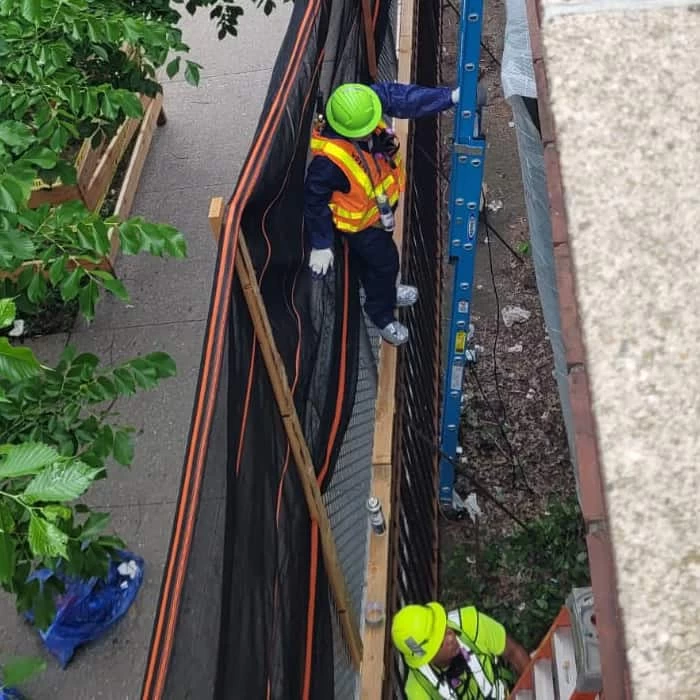
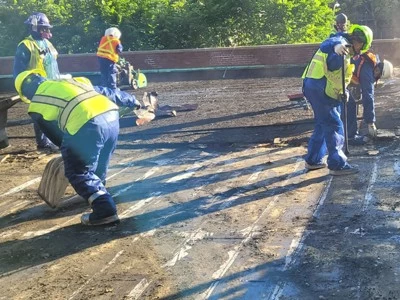
When water is spreading through your Roosevelt Island apartment, every hour counts and you need someone who can actually get here, licensed to handle whatever they find.
I needed a professional consultation explanation of procedure for safe removal of Asbestos in my apartment complex. Without having an account yet, I was very impressed with the caring, knowledgeable and generous advice offered by Jessica, and will look forward to doing business in the future. Thank you so much! I feel much more informed about a sometimes scary endeavor. Peace. Nancy Silva Mineola, NY.
Mia Munoz
Used this company to clean up some water flood in my house. They were fast and easy to work with.very professional, Would recommend to anyone!
Nini Valle
Great company, had a flood and they responded quickly and efficiently. Billed my insurance company directly. I highly recommend this company!
joe colapietro, jr
I had pipe freeze in my basement right before a snow storm and they made to within an hour to help start the clean up process. They we by our side throughout the entire process and even helped with the insurance company. They did such a great job with the cleanup, repair, remidiation, I contracted them to perform the repairs and finishes in the basement. They came with enough manpower and material to get the job done. Leo and Jessica were nothing but a pleasure to deal with!!
Cristian Arredondo c
I had some water damage in my home and Green Island was able to take care of my issue quickly and effectively. I am very pleased with the work they did. They responded quickly and were very professional.
Michael M
Outstanding service! From the office to the field crew everyone was friendly, helpful and responsive. I highly recommend Green Island Group.
Water damage in a high-rise building doesn’t stay in one place. A pipe that lets go on the eighth floor of a Northtown tower can work its way through ceilings, walls, and subfloors before anyone realizes what’s happening. By the time you call, the visible damage is rarely the whole story.
What you actually need is someone who can find the moisture that isn’t visible yet inside the wall cavity, beneath the flooring, behind the baseboard and eliminate it before mold takes hold. On Roosevelt Island, that window is shorter than most people expect. With the East River on both sides of the island, ambient humidity runs consistently higher than interior neighborhoods. Mold doesn’t need much of an invitation here.
When the job is done right, you’re not just looking at dry surfaces. You’re looking at documented moisture readings that confirm the job is finished, materials that are structurally sound, and air quality that isn’t quietly building a problem for next month. That’s the difference between a real restoration and someone showing up with fans and calling it done.
Licensed Water Restoration Companies, Roosevelt Island
Every License the Job Actually Requires
We are a New York-based environmental remediation and restoration contractor serving residential, commercial, and institutional clients across New York City and the surrounding boroughs. We hold a NYC General Contractor license, NYC BIC Trade Waste permit, NYS DOL Mold certification, NYS DOL Asbestos certification, and USEPA Lead and RRP certifications all under one roof.
That matters specifically on Roosevelt Island. Northtown’s Phase I buildings were completed in the late 1970s, and water damage in those units can uncover asbestos-containing materials or lead-based paint that require licensed handling before any reconstruction begins. Most restoration companies stop there and refer out. We don’t we hold the credentials to handle it all without bringing in a second contractor or losing days to coordination.
We access the island the same way every service vehicle does across the Roosevelt Island Bridge from Queens and we respond 24 hours a day. When your building management needs documentation, your insurance adjuster needs a report, or RIOC has compliance questions, the paperwork is already handled.
Water Restoration Service Process, Roosevelt Island
What Actually Happens From First Call to Final Clearance
The first call triggers an emergency dispatch day or night. Because Roosevelt Island has one vehicular access point, the Roosevelt Island Bridge from Queens, our crews come prepared with all equipment on board. There’s no back-and-forth for supplies. When we arrive, the first priority is stopping the source if it’s still active, then assessing the full scope of moisture intrusion using thermal imaging and moisture meters. What you see on the surface is rarely the complete picture.
Once the assessment is mapped, extraction begins. Industrial-grade equipment removes standing water and pulls moisture from porous materials drywall, insulation, subfloor, framing. In a high-rise building like the ones in Southtown’s Riverwalk development or Northtown’s older rental towers, that often means coordinating with building management across multiple affected units. We handle that communication directly so you’re not stuck in the middle.
Drying continues over the following days with regular monitoring. Moisture readings are logged at each visit. If the assessment reveals mold, asbestos, or lead common in pre-1980 construction those materials are handled under the appropriate NYS and USEPA certifications before any reconstruction starts. When clearance readings confirm the space is dry and clean, reconstruction begins. Everything is documented for your insurance carrier from day one.
Water Damage Restoration Services, Roosevelt Island, NY
Built for High-Rise Buildings, Not Just Houses
Most water damage restoration companies are built around single-family homes. Roosevelt Island is almost entirely high-rise and mid-rise residential and those are fundamentally different jobs. Shared plumbing stacks, building-wide mechanical systems, and units stacked directly above and below each other mean one event can affect multiple floors simultaneously. Our restoration process is designed for that environment.
The full scope of service we offer includes emergency water extraction, structural drying, moisture mapping, mold testing and remediation, asbestos abatement where required, lead-safe work practices, odor removal, and complete reconstruction. For residents in Northtown’s older buildings some now 45 to 50 years old that last part matters. Aging galvanized pipes and original building materials from the 1970s carry real risk of secondary hazards once water damage opens up wall cavities. Having a contractor who is licensed for all of it means the job doesn’t stall.
For condo owners in Riverwalk Place or Riverwalk Court, renters in Eastwood or Manhattan Park, or institutional residents in Cornell Tech or Weill Cornell Medicine housing, the documentation we produce is built to satisfy building management, insurance adjusters, and RIOC’s oversight requirements at the same time. One contractor. One clean engagement. No gaps in the paper trail.
How do water damage restoration companies actually get to Roosevelt Island?
Every service vehicle that comes to Roosevelt Island uses the Roosevelt Island Bridge, which connects the island to Queens at 36th Avenue in Long Island City. There is no road bridge to Manhattan so any contractor traveling from the Manhattan side still has to cross into Queens first and come over the bridge. The tram is passenger-only, and the F train obviously doesn’t accommodate equipment.
We serve Queens and New York City as part of our regular service area, so the bridge route is familiar territory. When you call for an emergency, the crew comes fully loaded there’s no staging area on the island to return to for supplies. That preparation matters when you’re dealing with active water intrusion in an apartment building where every hour of delay increases the damage scope.
My upstairs neighbor's pipe burst and flooded my apartment who is responsible?
In New York City, liability for water damage caused by a neighboring unit depends on the specific cause and the building’s ownership structure. In a rental building which covers most of Northtown’s older towers on Roosevelt Island the landlord or building management is typically responsible for plumbing within the building’s shared infrastructure. If the source was a fixture or appliance that the upstairs tenant was responsible for maintaining, the picture gets more complicated.
For condo owners in Southtown or Riverwalk, the condo association’s master policy generally covers damage to common elements and building structure, while your HO-6 policy covers your personal property and interior finishes. The practical reality is that you shouldn’t wait for liability to be sorted before starting remediation mold doesn’t pause for insurance negotiations. Document everything, call a licensed restoration contractor immediately, and let the insurance carriers work out the coverage question while the drying is underway. We can produce the documentation both carriers will need.
How quickly does mold actually start growing after water damage in an apartment?
Mold can begin germinating within 24 to 48 hours of water exposure, and in Roosevelt Island’s environment, that timeline is not generous. The island sits in the East River with water on both sides, and the ambient humidity along the perimeter especially in lower-floor units on the east and west facades runs consistently higher than interior Manhattan or Queens neighborhoods. That elevated baseline humidity means wet materials don’t need much additional moisture to become a hospitable environment for mold.
The other factor specific to Roosevelt Island’s high-rise buildings is that water damage often travels through concealed spaces inside wall cavities, beneath flooring, through ceiling assemblies before it becomes visible. By the time you notice water staining on your ceiling, the moisture may have been sitting in the structure for hours. That’s why moisture mapping with thermal imaging and meters is the first step, not a visual inspection. Finding the hidden moisture is what separates a complete remediation from one that looks finished but isn’t.
Does water damage restoration in Roosevelt Island require special permits or NYC approvals?
The permit requirements depend on the scope of work. Emergency mitigation water extraction, drying, and mold remediation generally doesn’t require a NYC Department of Buildings permit on its own. But once you move into reconstruction, any structural repairs, electrical work, or plumbing modifications in a New York City building require proper NYC DOB permitting, and the contractor performing that work must hold a valid NYC General Contractor license.
This is where a lot of property owners on Roosevelt Island run into problems. A contractor licensed only in Nassau or Suffolk County cannot legally perform reconstruction work in New York County. Roosevelt Island is administratively part of Manhattan, which means NYC jurisdiction applies in full. Beyond DOB requirements, work in Northtown’s pre-1980 buildings may also require compliance with NYS DOL asbestos and lead regulations before reconstruction begins. We hold the NYC General Contractor license, NYS DOL Mold and Asbestos certifications, and USEPA Lead credentials so the regulatory compliance side is covered without bringing in separate licensed subcontractors.
What does water damage restoration typically cost in a Roosevelt Island apartment?
The national average for a water damage insurance claim is around $12,514, but that number doesn’t tell the full story for Roosevelt Island’s building environment. In a single-family home, water damage tends to stay contained to one area. In a high-rise apartment building, one event can affect multiple units across several floors and the total remediation scope scales accordingly. A burst pipe in a Northtown building that runs through three floors before it’s caught is a fundamentally different job than a dishwasher overflow in a standalone house.
The cost also depends on what the assessment finds once work begins. In buildings constructed before 1980, water damage that opens up wall cavities can reveal asbestos-containing materials or lead-based paint that require licensed abatement before reconstruction. That adds cost and time, but it’s not optional it’s a legal requirement. The best way to get an accurate number is a proper assessment after extraction begins, not an estimate based on what’s visible from the doorway. We provide documented estimates that your insurance carrier can work from directly.
Can a Roosevelt Island renter file an insurance claim for water damage, or is that only for owners?
Renters insurance absolutely covers water damage to your personal belongings and, depending on your policy, additional living expenses if your unit becomes uninhabitable during restoration. What it typically doesn’t cover is damage to the building structure itself walls, ceilings, flooring which falls under the building owner’s or condo association’s policy. If you’re renting in one of Northtown’s buildings on Roosevelt Island and a pipe failure damages your furniture, electronics, clothing, or other personal property, your renters policy is what you’d file against.
Roosevelt Island has a genuinely mixed-income, mixed-tenure residential population long-term residents in affordable Northtown units, market-rate renters in Southtown and Riverwalk, condo owners, and institutional housing residents affiliated with Cornell Tech or Weill Cornell Medicine. The insurance picture looks different for each of those situations. What stays consistent is the documentation requirement: your carrier will want moisture readings, a scope of damage, and a restoration log regardless of which policy applies. We produce that documentation from the first day on-site, which keeps the claim process moving rather than stalling while adjusters wait for paperwork.