Rye floods fast from the Sound, from the surface, from the brook. We respond 24/7 with full water damage restoration services built for exactly this kind of emergency.
I needed a professional consultation explanation of procedure for safe removal of Asbestos in my apartment complex. Without having an account yet, I was very impressed with the caring, knowledgeable and generous advice offered by Jessica, and will look forward to doing business in the future. Thank you so much! I feel much more informed about a sometimes scary endeavor. Peace. Nancy Silva Mineola, NY.
Mia Munoz
Used this company to clean up some water flood in my house. They were fast and easy to work with.very professional, Would recommend to anyone!
Nini Valle
Great company, had a flood and they responded quickly and efficiently. Billed my insurance company directly. I highly recommend this company!
joe colapietro, jr
I had pipe freeze in my basement right before a snow storm and they made to within an hour to help start the clean up process. They we by our side throughout the entire process and even helped with the insurance company. They did such a great job with the cleanup, repair, remidiation, I contracted them to perform the repairs and finishes in the basement. They came with enough manpower and material to get the job done. Leo and Jessica were nothing but a pleasure to deal with!!
Cristian Arredondo c
I had some water damage in my home and Green Island was able to take care of my issue quickly and effectively. I am very pleased with the work they did. They responded quickly and were very professional.
Michael M
Outstanding service! From the office to the field crew everyone was friendly, helpful and responsive. I highly recommend Green Island Group.
When water gets into your home, the clock starts immediately. Mold can take hold within 24 to 48 hours, and in a coastal city like Rye where humidity off Long Island Sound doesn’t let up that window closes faster than most people expect. Getting the right crew in quickly isn’t just about drying walls. It’s about stopping a manageable situation from becoming a months-long ordeal.
Rye homeowners deal with a flood risk profile that most of Westchester doesn’t face. You’ve got Blind Brook to the north, surface stormwater that overwhelmed streets during Ida that had never flooded in living memory, and tidal intrusion from the Sound on top of that. A restoration company that doesn’t understand all three of those sources isn’t going to catch everything and what they miss, you’ll find later in the form of mold behind drywall or rot under flooring.
What you get on the other side of a properly handled restoration is a home that’s dry, tested, documented, and rebuilt to current code including the City of Rye Building Department’s requirements for construction in FEMA flood zones. No lingering moisture. No hidden damage. No second round of this six months from now.
Certified, Insured, and Accountable Not a Franchise
We’ve been doing this work for over 12 years across Westchester County, and Rye is a market we know well. The homes here are older, the flood risk is real and recurring, and the stakes with median home values around $2.2 million are about as high as they get in New York. That’s not a market where you want to gamble on a company you’ve never heard of.
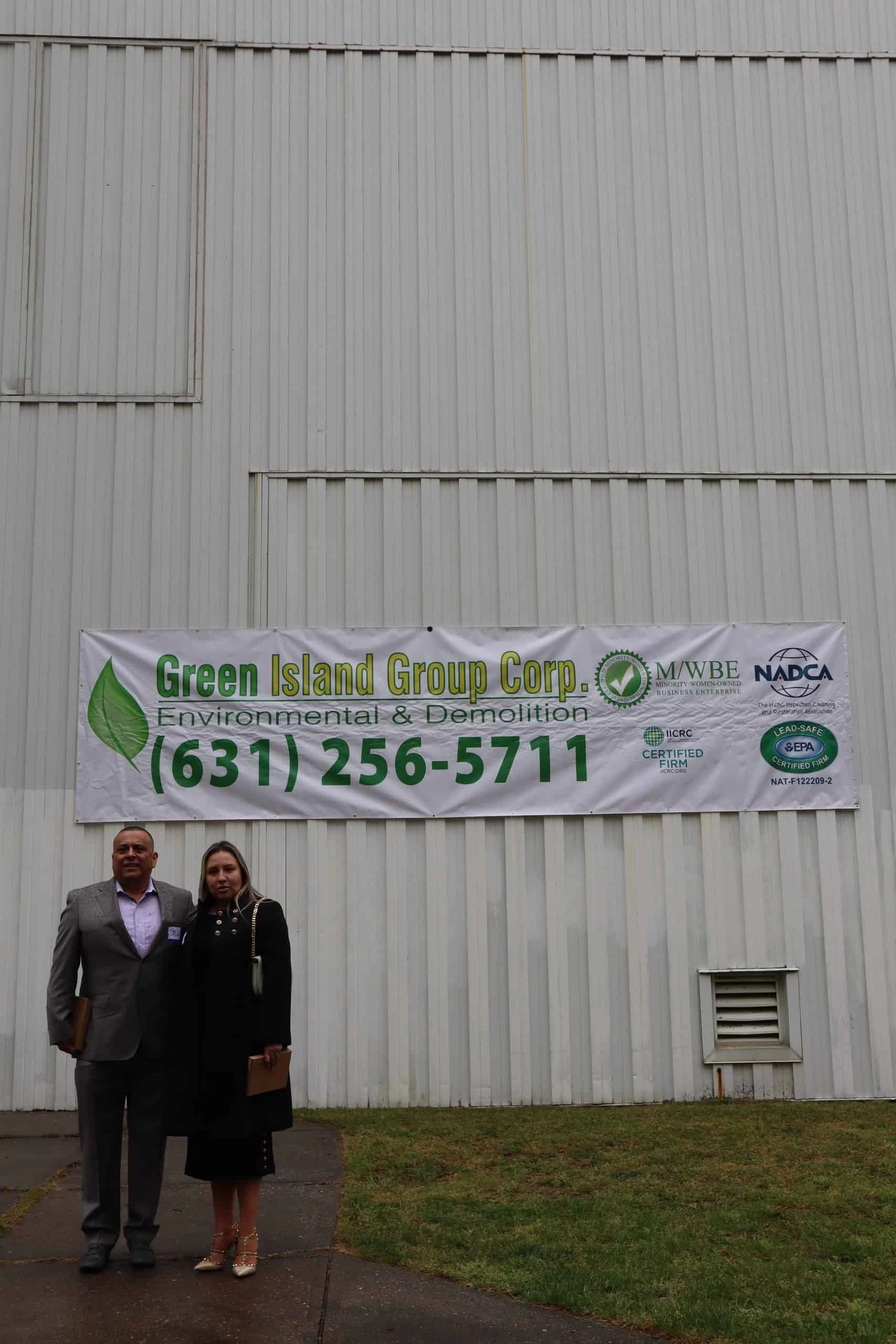
We hold NYS and NYC M/WBE Certification, carry full liability insurance and workers’ compensation, and work directly with the NYS Office of General Services. Those aren’t marketing checkboxes they’re the credentials that tell you this company has been vetted at a level most restoration contractors never reach.
From Indian Village to the historic homes along Boston Post Road, we’ve seen what Rye’s flood conditions do to properties. We understand the local building requirements, the insurance landscape for homes in Special Flood Hazard Areas, and what it actually takes to bring a Rye home back to full condition not just surface-level dry.
From First Call to Final Walkthrough Here's What Happens
When you call, we move. A crew is dispatched immediately day or night because water damage doesn’t pause while you wait for business hours. On arrival, we assess the full scope of the intrusion: where the water came from, how far it’s traveled, what materials are affected, and whether there are any immediate safety concerns. In older Rye homes particularly those built before 1980 that assessment includes checking for asbestos-containing materials in flooring, pipe insulation, or ceiling tiles before any demolition begins. That’s not a step most restoration companies take, and skipping it in a pre-1980 home can create a serious problem.
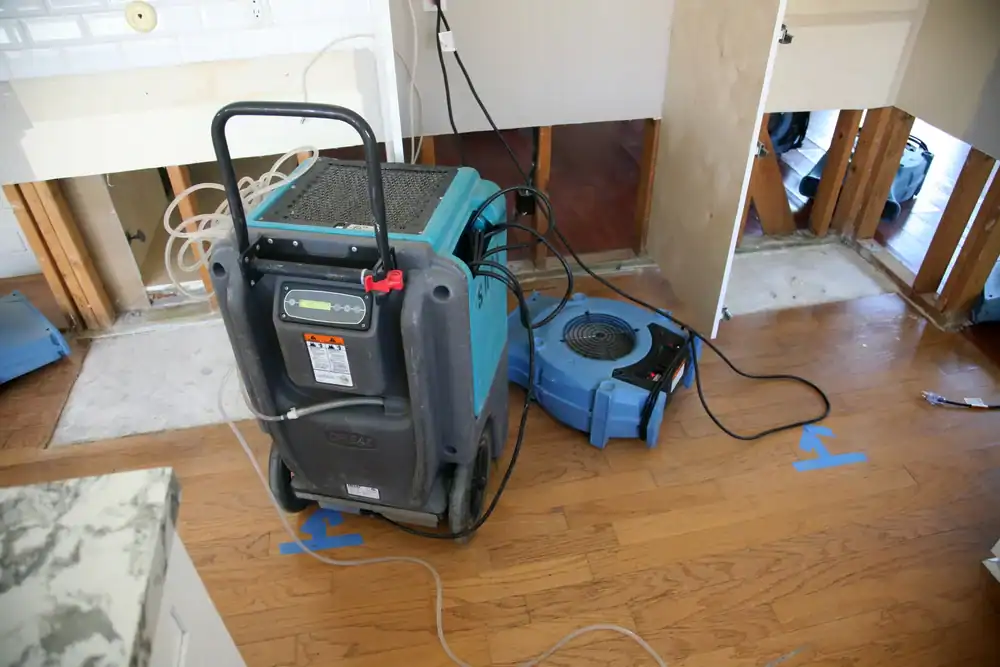
Once the assessment is done, extraction and drying begin. We use industrial-grade equipment to pull standing water and embedded moisture out of the structure. We monitor drying progress with moisture meters not guesswork until readings confirm the structure is genuinely dry, not just surface-dry. From there, any mold remediation is handled in-house, and reconstruction follows the same permit and code requirements enforced by the City of Rye Building Department, including any FEMA flood zone construction standards that apply to your address.
Throughout the process, we handle documentation and direct billing to your insurance carrier. Whether you’re working through a standard homeowner’s policy or an NFIP flood policy which FEMA now requires permanently for Rye homeowners in Special Flood Hazard Areas who received Ida disaster assistance we manage the paperwork so you don’t have to.
Most restoration companies hand you off. They extract and dry, then tell you to find someone else for mold, someone else for asbestos, someone else for reconstruction. In a city like Rye, where a single flood event can trigger all of those needs simultaneously, that approach costs you time, money, and coordination headaches you don’t have capacity for.
We cover the full scope under one roof. Water extraction and drying. Mold testing and remediation. Licensed asbestos abatement critical for the significant number of pre-1980 homes throughout Rye, including properties in and around the Boston Post Road Historic District. Structural repairs and full reconstruction, permitted and code-compliant with the City of Rye Building Department. And direct insurance billing from start to finish, so the claim process doesn’t fall entirely on your shoulders.
For jobs where the insurance settlement takes time or the scope runs beyond your policy limits, we offer financing up to $200,000 at 0% APR. That means the work starts when you need it to start not when a check clears. No competitor currently advertising in the Rye market offers that. The 100% satisfaction guarantee backs everything we do, and our 24/7 availability means that when the next storm rolls through and Blind Brook does what it’s done before, you have one number to call.
How quickly can you respond to a water damage emergency in Rye, NY?
We respond 24 hours a day, 7 days a week including nights, weekends, and holidays. When you call, a crew is dispatched immediately. We don’t route you to an answering service or promise a callback window. In Rye, where flooding can arrive from three directions at once Blind Brook, surface stormwater, and coastal intrusion from Long Island Sound the speed of the first response directly affects how much of your home can be saved and how much has to be rebuilt.
The faster extraction begins, the lower your overall restoration costs tend to be. Mold begins developing within 24 to 48 hours of water exposure, and in Rye’s coastal humidity, that timeline can be compressed further. Every hour matters, and our 24/7 emergency response exists specifically because water damage doesn’t wait for a convenient time.
Does homeowner's insurance cover water damage restoration costs in Rye?
It depends on the source of the water. Most standard homeowner’s policies cover sudden and accidental water damage a burst pipe, an appliance failure, a roof leak from a storm. They typically do not cover flooding from an external source like an overflowing brook or coastal surge. That’s where a separate NFIP flood insurance policy comes in, and it’s worth knowing that FEMA now requires Rye homeowners in designated Special Flood Hazard Areas who received Ida disaster assistance to carry flood insurance permanently.
We work directly with both types of carriers standard homeowner’s policies and NFIP flood policies and handle the documentation and billing on your behalf. If your coverage has gaps or your settlement takes time, our financing up to $200,000 at 0% APR means restoration can begin immediately rather than waiting on a check. We’ll help you understand what your policy covers before work begins so there are no surprises.
My Rye home was built in the 1950s does that affect the restoration process?
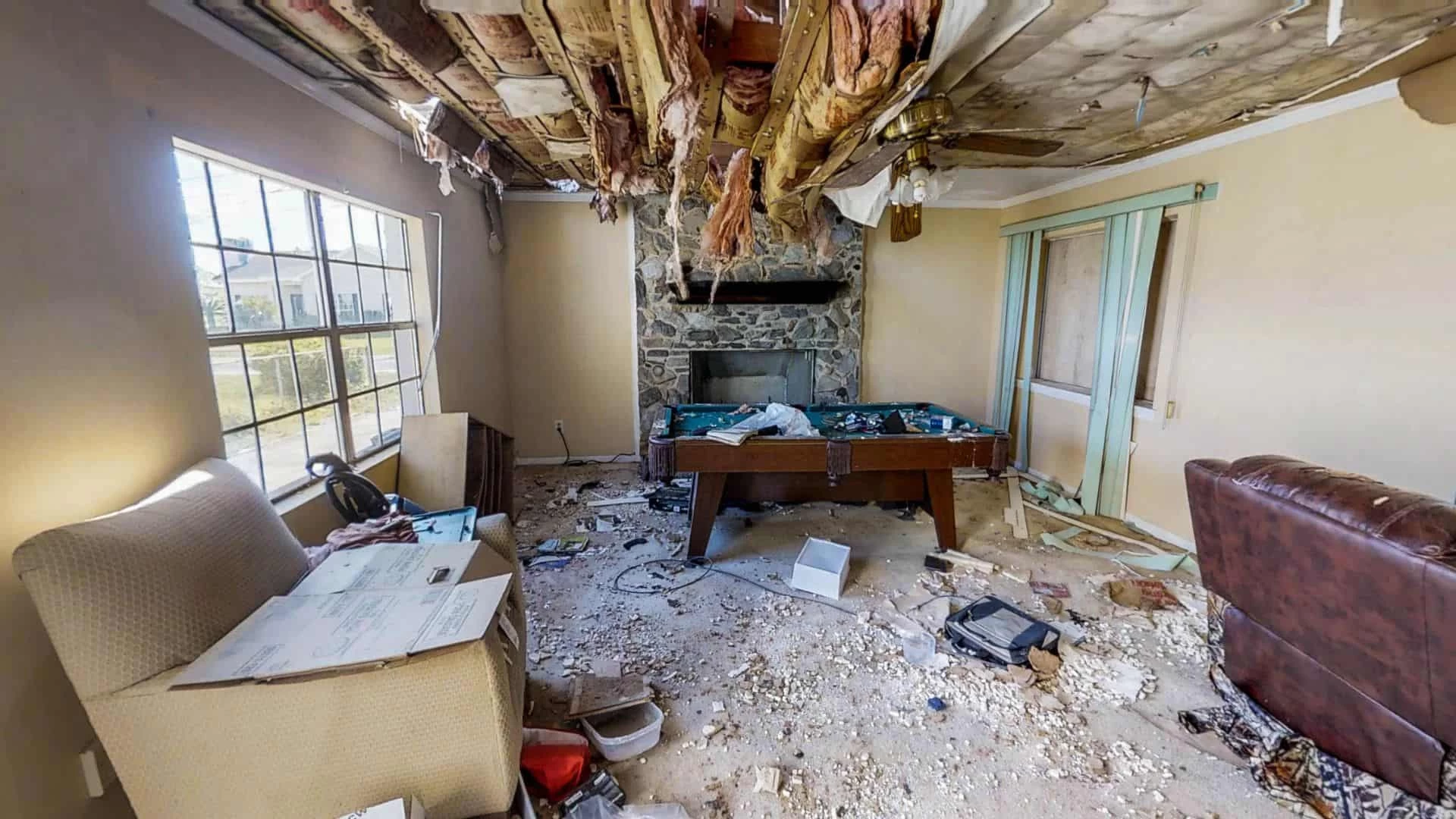
Yes, and it’s something that needs to be addressed before any demolition or material removal begins. Homes built before 1980 which includes a large portion of Rye’s housing stock, particularly in neighborhoods like Indian Village and along the historic Boston Post Road corridor commonly contain asbestos in floor tiles, pipe insulation, ceiling tiles, and drywall joint compound. When water damage requires opening walls or removing flooring, those materials can be disturbed, which creates a regulatory and health issue if not handled correctly.
Most restoration companies are not licensed to handle asbestos abatement and will stop work mid-project while you scramble to find a separate contractor. We hold asbestos abatement capability in-house, which means we identify the issue during our initial assessment, handle abatement as part of the restoration process, and keep the project moving without a costly and time-consuming handoff. For older Rye homes, this is not a hypothetical edge case it’s a real and common part of the job.
How long does a full water damage restoration typically take?
The honest answer is that it depends on the scope, and scope in Rye can vary significantly. A localized pipe burst in a finished basement might be fully resolved dried, remediated, and reconstructed in one to two weeks. A flood event like what Indian Village and Brook Lane experienced during Hurricane Ida, where some families faced hundreds of thousands of dollars in damage, can take considerably longer when structural repairs, mold remediation, asbestos abatement, and full reconstruction are all involved.
The drying phase alone typically takes three to five days with industrial equipment, and moisture readings have to confirm the structure is genuinely dry before reconstruction begins. Cutting that phase short is one of the most common mistakes in restoration work, and it leads to mold problems months later. We don’t move to the next phase until the numbers say it’s ready. If permits are required and for significant reconstruction in Rye, they often are the City of Rye Building Department’s review timeline factors in as well.
What's the difference between water damage restoration and mold remediation?
Water damage restoration covers everything involved in stopping the damage, removing the water, drying the structure, and rebuilding what was affected. Mold remediation is a specific phase within that process or sometimes a separate job entirely if mold is discovered after the fact. The two are closely connected because mold is almost always a downstream consequence of water damage that wasn’t fully addressed.
In Rye, where coastal humidity is a year-round factor and many homes have finished basements that sit below grade, mold can develop in places that aren’t immediately visible inside wall cavities, under flooring, behind baseboards. A restoration process that dries the surface without checking for hidden moisture will miss it. We test for mold as a standard part of the restoration process and handle remediation in-house, so it’s addressed as part of the same project rather than discovered six months later when someone starts having respiratory symptoms.
Can you work directly with my insurance adjuster so I don't have to manage the claim myself?
Yes and for most Rye homeowners dealing with a significant water event, this is one of the most valuable things we do. Insurance claims for water damage involve documentation, moisture readings, scope of loss reports, and ongoing communication with adjusters who are managing dozens of claims at once. Navigating that process while also managing your family and your home is genuinely overwhelming, and errors or gaps in documentation can result in a lower settlement than you’re entitled to.
We handle direct billing and adjuster coordination from the start of the job. We document everything extraction, drying readings, mold testing results, scope of repairs in the format insurers require. For Rye homeowners carrying both a standard homeowner’s policy and a separate NFIP flood policy, that coordination becomes even more involved, and having one company managing both sides of the documentation keeps things from falling through the cracks. You stay informed throughout the process, but you’re not the one chasing paperwork.