I needed a professional consultation explanation of procedure for safe removal of Asbestos in my apartment complex. Without having an account yet, I was very impressed with the caring, knowledgeable and generous advice offered by Jessica, and will look forward to doing business in the future. Thank you so much! I feel much more informed about a sometimes scary endeavor. Peace. Nancy Silva Mineola, NY.
Mia Munoz
Used this company to clean up some water flood in my house. They were fast and easy to work with.very professional, Would recommend to anyone!
Nini Valle
Great company, had a flood and they responded quickly and efficiently. Billed my insurance company directly. I highly recommend this company!
joe colapietro, jr
I had pipe freeze in my basement right before a snow storm and they made to within an hour to help start the clean up process. They we by our side throughout the entire process and even helped with the insurance company. They did such a great job with the cleanup, repair, remidiation, I contracted them to perform the repairs and finishes in the basement. They came with enough manpower and material to get the job done. Leo and Jessica were nothing but a pleasure to deal with!!
Cristian Arredondo c
I had some water damage in my home and Green Island was able to take care of my issue quickly and effectively. I am very pleased with the work they did. They responded quickly and were very professional.
Michael M
Outstanding service! From the office to the field crew everyone was friendly, helpful and responsive. I highly recommend Green Island Group.
Your Saddle Rock Home Dry, Safe, and Fully Documented for Your Insurer
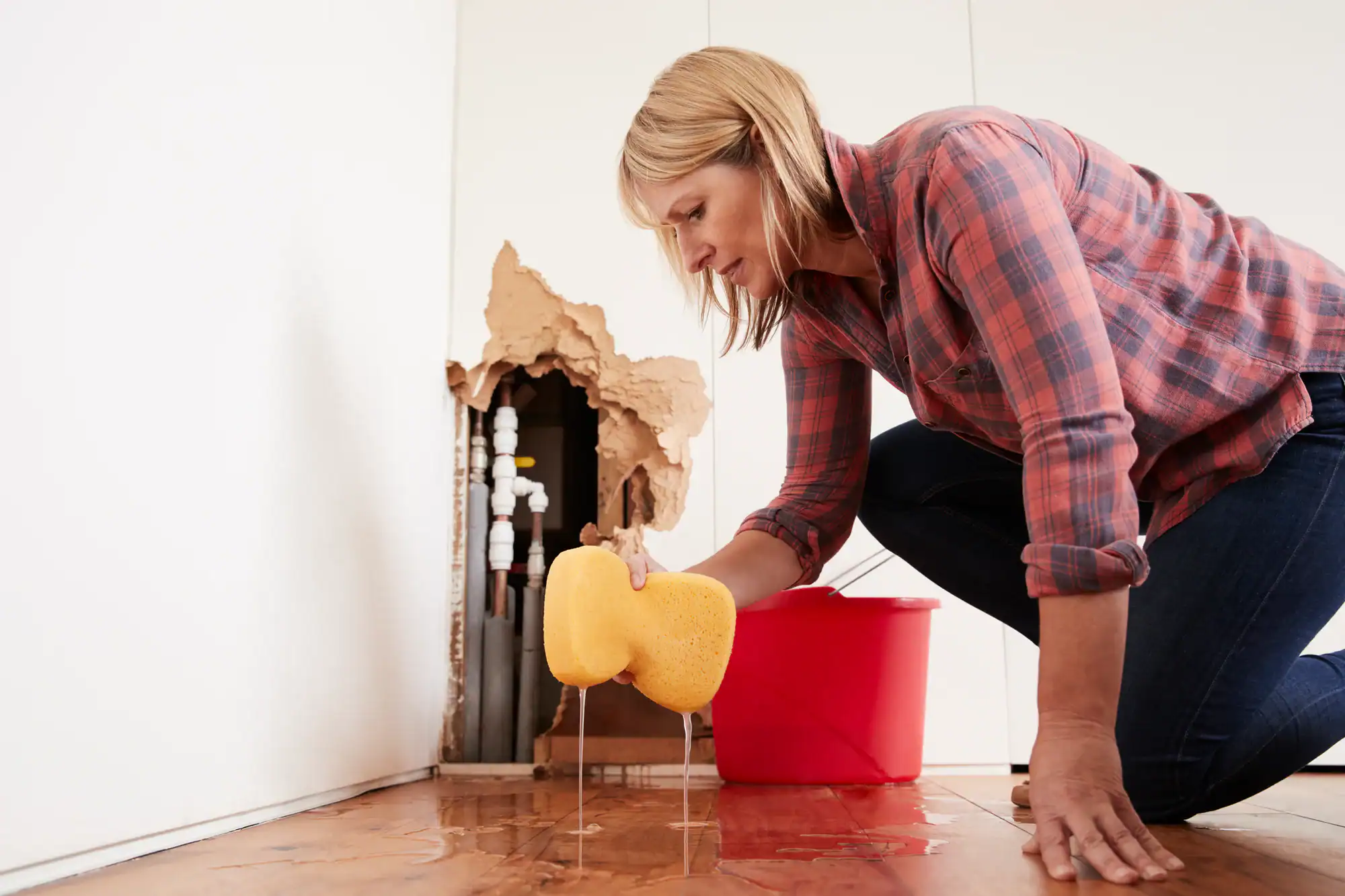
When water gets into a Saddle Rock home built in the 1950s, the problem runs deeper than it looks. Original plaster walls, wood subfloors, and aging insulation absorb moisture fast and hold it longer than modern materials. By the time you notice something is wrong, the damage behind the surface has often been building for days — and mold can start growing in as little as 24 to 48 hours.
Saddle Rock’s position on the northwest shore of the Great Neck Peninsula adds another layer. Coastal humidity off Little Neck Bay, nor’easters that push water up against older foundations, and a terrain that naturally channels runoff toward lower-lying properties — these are the conditions your home deals with year after year. A restoration company that doesn’t understand this geography is going to miss things.
What you get when this is handled correctly is a home where the moisture is actually gone — not just the visible water, but what’s inside the walls and under the floors. You get documentation our insurance carriers will accept. You get clear communication at every step, not a crew that shows up, runs some fans, and disappears. And you get a result you can verify, because every job ends with instrument readings, not guesswork.
Long Island-Based, Not a Franchise Routing Calls from Out of State
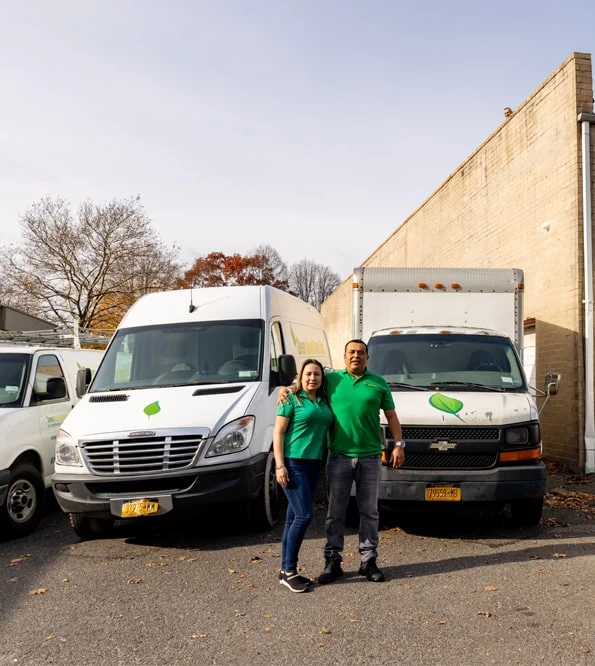
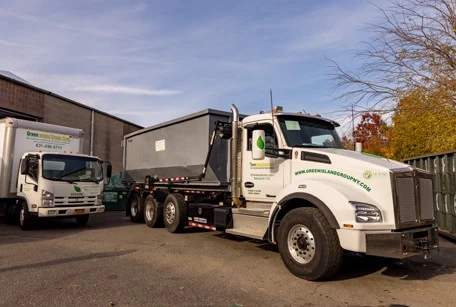
We’re a locally owned water restoration company based on Long Island, serving Nassau County communities including Saddle Rock and the surrounding Great Neck Peninsula. When you call, you reach a local team — not a national answering service dispatching whoever’s available in your area code.
That distinction matters more than it sounds. One of the competitors showing up in search results for Saddle Rock water damage carries a 520 area code — Arizona. Another is a templated lead generation page with no verifiable local presence. These companies don’t know that Bayview Avenue is how you get in and out of Saddle Rock, or that the homes along the water here have a fundamentally different set of risks than a newer subdivision in central Nassau.
We hold IICRC certification and operate fully licensed under New York State’s 2016 Mold Law — which requires separate licensing for mold assessment and remediation. We know what 1950s North Shore construction looks like from the inside, and we show up equipped to handle it correctly.
What Actually Happens From Your First Call to a Dry, Cleared Saddle Rock Home
When you call, you reach someone who can dispatch a crew to the Great Neck Peninsula within the hour — not a call center that puts you in a queue. The first thing we do on arrival is assess the full scope of the damage using thermal imaging cameras and industrial moisture meters. In a Saddle Rock home with original plaster walls, what you can see on the surface is rarely the whole story. We find the moisture that isn’t visible before we do anything else.
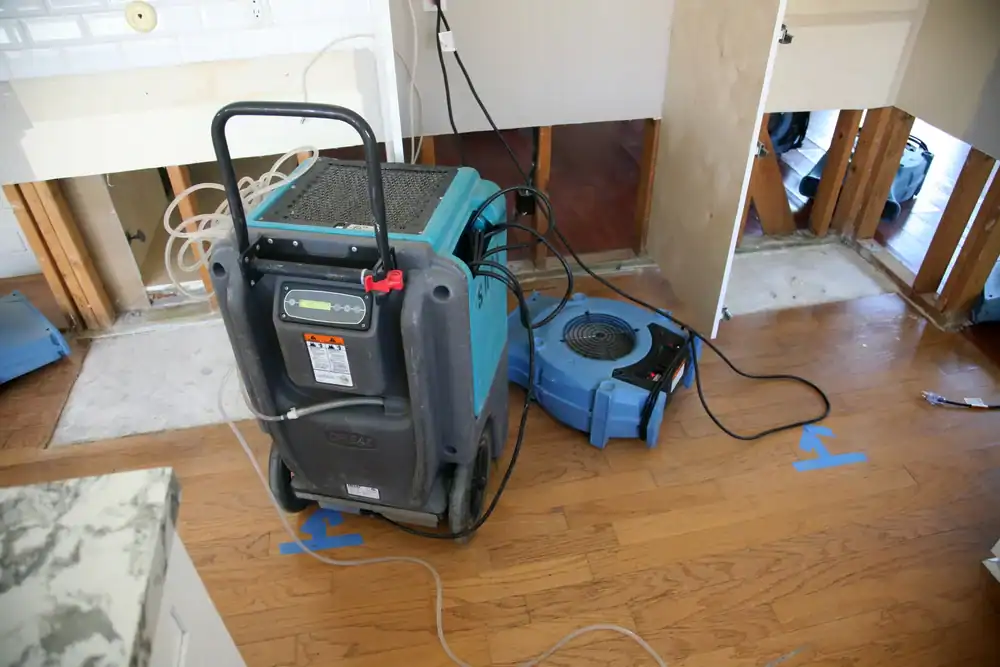
From there, we extract standing water, set up commercial drying equipment, and begin the structural drying process. This isn’t a set-it-and-forget-it step. Moisture readings are tracked daily, and equipment is adjusted based on what the instruments show — not on how many days the fans have been running. In older homes with dense plaster construction, drying takes longer than in modern drywall builds, and we account for that from the start.
If mold is present or at risk of developing — which in a coastal environment like Saddle Rock is a real and common concern — we handle remediation under full New York State licensing. Any structural repairs that require permits go through the appropriate local authority. Throughout the entire process, we document everything your insurance carrier needs, and we communicate directly with your adjuster so you don’t have to manage that conversation on top of everything else.
Water Damage Restoration Service near Saddle Rock, NY
Everything Covered, From Water Extraction to Insurance Settlement
Water damage restoration isn’t a single service — it’s a sequence of steps that have to happen in the right order, with the right equipment, and with enough local knowledge to anticipate what this specific type of home and this specific environment will throw at you. In Saddle Rock, that means being prepared for coastal humidity, aging infrastructure, and construction materials that respond to moisture differently than what you’d find in a newer build.
Every job we perform includes full moisture mapping with thermal imaging, water extraction, structural drying, and clearance testing before any equipment leaves your property. If there’s mold — or if conditions are right for it to develop — we handle assessment and remediation under New York State’s 2016 Mold Law licensing requirements. That’s not optional in New York, and it’s not something every company operating in Nassau County can legally provide.
For Saddle Rock homeowners navigating a claim on a property valued at $1.5 million or more, the documentation piece is not a minor detail. We build a complete damage record from day one — photos, moisture logs, equipment records, and written scope — and we work directly with your insurance carrier through the settlement process. You shouldn’t have to fight for a fair payout on your own while also managing a home that’s out of commission.
How quickly does mold actually grow after water damage in a Saddle Rock home?
Mold can begin growing within 24 to 48 hours of water intrusion — it’s an EPA-documented fact. In a Saddle Rock home built in the 1950s, that window is especially unforgiving. Original plaster walls, wood framing, and older insulation are highly porous materials that absorb moisture quickly and hold it deep inside the wall cavity. The surface can feel dry while the interior is still saturated and actively supporting mold growth.
Saddle Rock’s coastal position along Little Neck Bay compounds this. Ambient humidity off the water keeps indoor moisture levels elevated, which accelerates mold development even after visible water is removed. This is why extraction and surface drying alone are not enough — you need instrument-verified dryness throughout the structural materials before the job is actually done. If there’s any question about mold presence, a licensed assessment under New York State’s 2016 Mold Law is the only legally compliant way to confirm clearance.
Does homeowners insurance typically cover water damage and restoration costs in Nassau County?
It depends on the source of the water, and the distinction matters a great deal. Standard homeowners insurance policies in New York generally cover sudden and accidental water damage — a burst pipe, a washing machine overflow, an appliance failure. What they typically do not cover is flooding from an external source, like storm surge or groundwater backup, unless you have a separate flood policy through the National Flood Insurance Program or a private carrier.
For Saddle Rock homeowners, this is a meaningful distinction. The village sits directly on Little Neck Bay, and coastal flooding from nor’easters or tropical systems is a real and recurring risk — not a hypothetical. If your basement takes on water during a storm event, the coverage question depends on whether that water came from inside the structure or pushed in from outside. We document the source and cause of damage thoroughly from the moment we arrive, which protects your ability to make the strongest possible claim under whichever policy applies. On a home valued at $1.5 million or more, that documentation is not something you want to leave incomplete.
What's the difference between water damage restoration and just drying things out with fans?
Drying things out with fans addresses surface moisture. Water damage restoration addresses what’s actually happening inside your walls, under your floors, and within the structural materials of your home. Those are two very different outcomes, and in a 1950s Saddle Rock home, the gap between them can be significant.
Professional restoration uses industrial drying equipment — not box fans — calibrated to move the right volume of air at the right temperature and humidity levels to draw moisture out of dense building materials. It also uses thermal imaging cameras and moisture meters to find water that isn’t visible and track drying progress inside the structure over time. The job isn’t finished when the floor feels dry underfoot. It’s finished when the moisture readings inside the wall cavities, subfloor, and framing are within IICRC S500 acceptable ranges. In an older home with original plaster construction, that process takes longer and requires more monitoring than a modern drywall build — and skipping or shortcutting it is how you end up with a mold problem three weeks later.
Do I need permits for water damage repairs in Saddle Rock, and who handles that?
It depends on the scope of the work. Extraction, drying, and mold remediation typically don’t require permits. But if the restoration involves structural repairs — replacing framing, opening walls, rebuilding portions of the home — permit requirements apply under Saddle Rock’s village building regulations and Nassau County codes. Skipping that step isn’t just a legal risk; it can create complications when you sell the home or file an insurance claim.
We handle the permit coordination as part of the restoration process. You don’t need to figure out whether a specific repair triggers a permit requirement or navigate Village Hall on your own — that’s part of what a full-service restoration company manages. Saddle Rock is an incorporated village with its own governance structure, and work done within the village is subject to its own zoning and building oversight in addition to county requirements. We know how that process works and build it into the project timeline from the start so it doesn’t become a surprise delay mid-job.
How long does water damage restoration take in an older Great Neck Peninsula home?
The honest answer is that it varies, and anyone who gives you a flat timeline before they’ve assessed the damage isn’t giving you an accurate picture. That said, for a typical water damage job in a 1950s Saddle Rock home — say, a burst pipe or a basement flood — the structural drying phase alone generally takes three to five days under professional equipment. If mold remediation is required, that adds time. If structural repairs are needed, the timeline extends further depending on scope.
What makes older Great Neck Peninsula homes take longer than newer construction is the building materials. Plaster walls are denser and more moisture-retentive than modern drywall. Original wood framing and subfloors hold water differently than engineered lumber. These materials dry more slowly, and they require more frequent monitoring to ensure the drying is progressing correctly throughout the structure — not just at the surface. We give you a realistic timeline at the start of the job based on actual moisture readings, and we update you as the process progresses so you’re never left guessing where things stand.
How do I know if a water damage company serving Saddle Rock is actually licensed in New York?
This is worth asking directly before you hire anyone. New York State’s 2016 Mold Law requires that any company performing mold assessment or mold remediation hold separate licenses issued by the New York State Department of Labor. These are not the same credential, and a company can’t legally perform both assessment and remediation on the same job — the law requires them to be done by separate licensed entities to prevent conflicts of interest.
The reason this matters specifically in Saddle Rock is that mold is rarely a hypothetical here. Homes built in the 1950s with aging waterproofing, sitting in a coastal environment with persistent humidity off Little Neck Bay, are exactly the conditions where mold develops — often in places you can’t see until it’s already a serious problem. Hiring an unlicensed company to handle remediation doesn’t just put your family’s health at risk; it can void your insurance coverage and create legal liability for you as the property owner. You can verify a company’s mold licensing through the New York State Department of Labor’s online license lookup. Our licensing is current and verifiable, and we’re glad to provide documentation before any work begins.