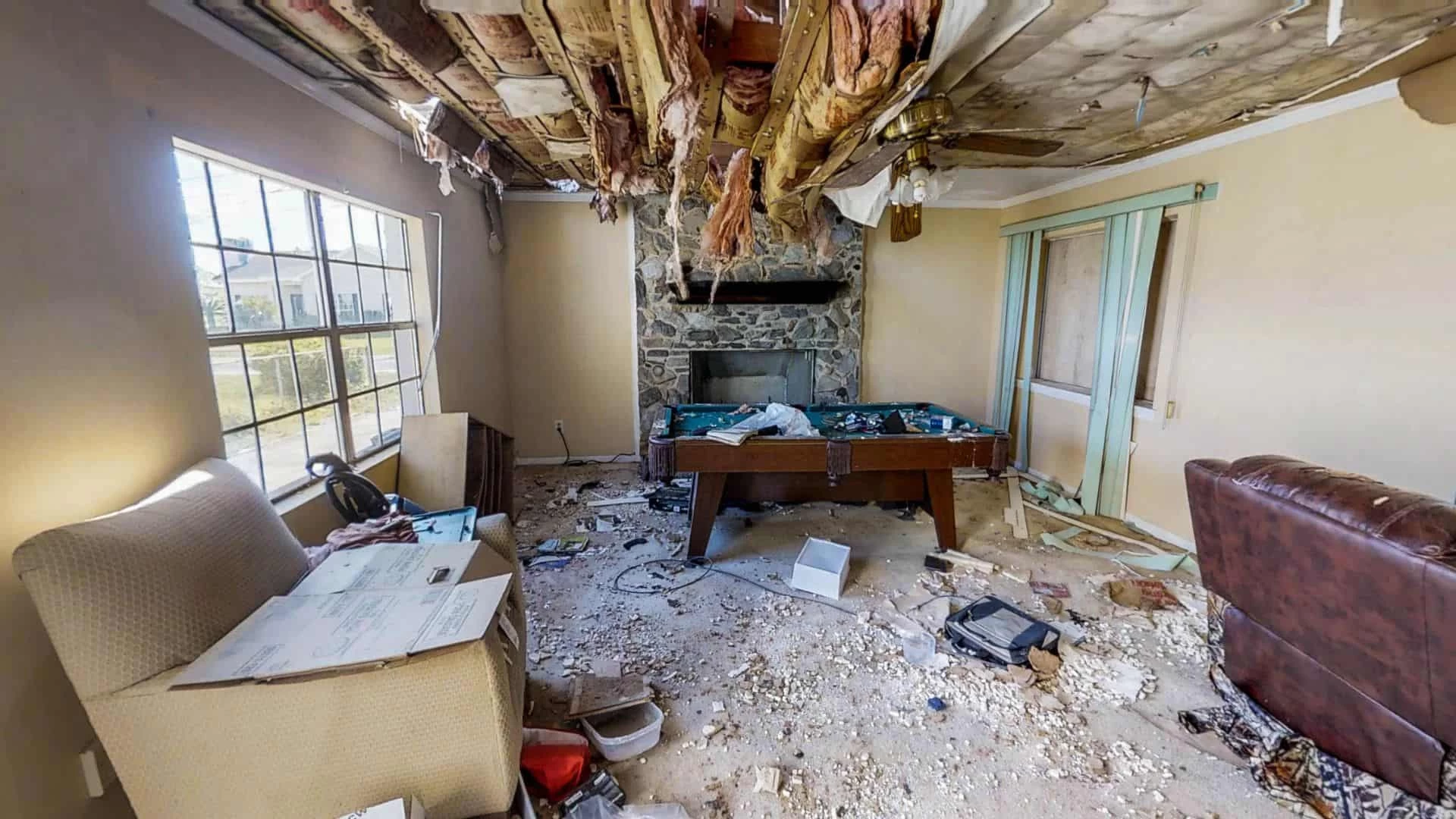
When water gets into a 150-year-old captain’s house off Main Street in Sag Harbor, the clock starts immediately and the margin for error is zero. We respond 24/7 with the equipment and expertise to stop the damage before it becomes a permanent loss.
I needed a professional consultation explanation of procedure for safe removal of Asbestos in my apartment complex. Without having an account yet, I was very impressed with the caring, knowledgeable and generous advice offered by Jessica, and will look forward to doing business in the future. Thank you so much! I feel much more informed about a sometimes scary endeavor. Peace. Nancy Silva Mineola, NY.
Mia Munoz
Used this company to clean up some water flood in my house. They were fast and easy to work with.very professional, Would recommend to anyone!
Nini Valle
Great company, had a flood and they responded quickly and efficiently. Billed my insurance company directly. I highly recommend this company!
joe colapietro, jr
I had pipe freeze in my basement right before a snow storm and they made to within an hour to help start the clean up process. They we by our side throughout the entire process and even helped with the insurance company. They did such a great job with the cleanup, repair, remidiation, I contracted them to perform the repairs and finishes in the basement. They came with enough manpower and material to get the job done. Leo and Jessica were nothing but a pleasure to deal with!!
Cristian Arredondo c
I had some water damage in my home and Green Island was able to take care of my issue quickly and effectively. I am very pleased with the work they did. They responded quickly and were very professional.
Michael M
Outstanding service! From the office to the field crew everyone was friendly, helpful and responsive. I highly recommend Green Island Group.
Water damage in Sag Harbor isn’t the same as water damage anywhere else on Long Island. A lot of homes here were built before World War II balloon-frame construction, plaster walls, original hardwood floors, stone foundations. Water doesn’t just sit on the surface in these structures. It travels vertically through open wall cavities, hides behind plaster, and pools under subfloors before you ever see a stain on the ceiling. By the time it’s visible, it’s already been moving for a while.
The coastal environment here makes the timeline tighter than most people realize. Sag Harbor sits on the water on three sides Sag Harbor Cove, Noyac Bay, Shelter Island Sound and the ambient humidity that comes with that geography slows the drying process and creates exactly the conditions mold needs to take hold. The 24 to 48-hour window before mold growth begins is a real threshold, and in a coastal village like Sag Harbor, that window closes faster than it does inland.
Getting the right team in quickly means original floors don’t have to be torn out unnecessarily. It means plaster walls get dried properly instead of demolished. It means the home you’ve invested in financially and otherwise comes back to what it was, not a version of it rebuilt with modern materials that don’t match.
We’re a Long Island-based environmental and restoration company not a franchise, not a call center routing jobs to whoever’s available. When you call, you’re reaching a team that actually serves Sag Harbor and the East End, understands what homes here are made of, and knows what it takes to work in an incorporated village with its own Building Department and its own permitting process.
That matters more in Sag Harbor than most places. The village has specific code requirements for properties in the Tidal Flood Hazard Overlay District, and restoration work on homes within the historic district can involve Architectural Review Board considerations that a generic franchise crew won’t know to account for. We do.
Beyond water damage restoration, we handle mold remediation, asbestos abatement, lead paint testing and removal, and air quality testing all under one roof. In a village where a significant share of homes predate 1978, that integrated capability isn’t a bonus feature. It’s often the difference between a complete remediation and one that misses something serious.
The first thing that happens when we arrive is a full assessment not a visual walkthrough, but an actual moisture mapping of the structure using thermal imaging cameras and professional-grade moisture meters. In a Sag Harbor home with balloon framing or plaster walls, this step is non-negotiable. Water migrates through these structures in ways you can’t see, and placing drying equipment without knowing where the moisture actually is means you’re guessing. We don’t guess.
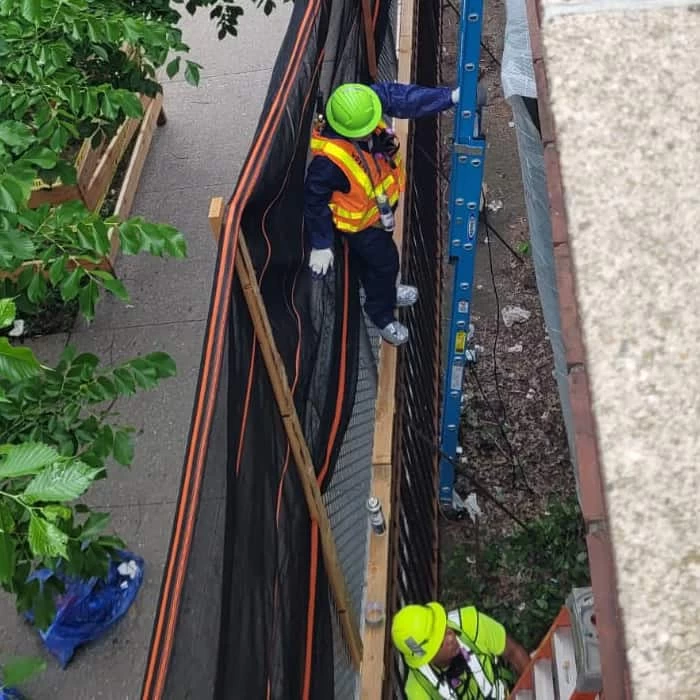
Once we know the full extent of the damage, we extract standing water, set commercial-grade air movers and dehumidifiers, and begin the structural drying process. We monitor moisture readings throughout not just on day one, but every day until the structure reaches its target dryness levels. If the assessment turns up asbestos-containing materials or lead paint that’s been disturbed which is common in pre-1978 homes throughout Sag Harbor we handle that within the same engagement, under the proper NYSDOL and EPA certifications, without requiring you to bring in a separate contractor.
For second-home owners or seasonal residents who aren’t on-site, we document everything photographically and keep you informed at every stage. We also work directly with your insurance carrier including NFIP flood insurance if your property carries it handling the documentation and adjuster communication so the claims process doesn’t become a second job for you.
Water Damage Restoration Services in Sag Harbor, NY
Built for Coastal Homes, Not Cookie-Cutter Remediation
Water damage restoration in Sag Harbor covers a wider scope than most homeowners expect going in. It starts with emergency water extraction and structural drying, but in a village with this kind of housing stock, it rarely ends there. Older homes here regularly present secondary issues mold growth behind plaster, asbestos floor tiles disturbed by flooding, lead paint on window trim that’s now saturated. A restoration company that only handles water leaves you coordinating multiple contractors to finish the job. We handle all of it.
For properties in Sag Harbor’s Tidal Flood Hazard Overlay District which covers a meaningful portion of the village given its position on the water the restoration process also has to account for floodproofing compliance under the village’s zoning code. Any structural repairs following flood damage need to meet current elevation and floodproofing standards. We know that process and can help you navigate it, rather than leaving you to figure it out after the fact.
The SANS neighborhoods Sag Harbor Hills, Azurest, and Ninevah Beach sit directly on the waterfront and are among the most flood-exposed areas in the village. Homes there face the full combination of tidal surge risk, mid-century construction complexity, and the new Historic Black Beach Communities Overlay District requirements enacted in 2023. If your property is in that area, you need a restoration team that’s aware of those layers. We are.
Does water damage restoration in Sag Harbor require a village building permit?
It depends on the scope of the work. Sag Harbor has its own Building Department, separate from Southampton Town and East Hampton Town, and building permits are typically required when restoration involves structural repairs not just drying and cleaning, but actual reconstruction of framing, subfloor, or wall assemblies. If your home is within Sag Harbor’s Tidal Flood Hazard Overlay District, there are additional requirements around floodproofing and elevation compliance that apply to any reconstruction following flood damage.
For homes within the historic district which covers much of the core residential area around Main Street, Church Street, and Garden Street certain exterior repairs may also require review by the village’s Architectural Review Board to ensure the work is compatible with the historic character of the district. This is something many out-of-area contractors don’t know to flag. We do, and we factor it into the scope of work from the beginning so you’re not dealing with a compliance problem after the fact.
How quickly does mold start growing after water damage in a coastal home?
The standard threshold is 24 to 48 hours from initial water exposure that’s when mold spores begin colonizing wet building materials under the right conditions. In Sag Harbor’s coastal environment, those conditions are almost always present. The village sits on the water on multiple sides, and ambient humidity levels here are consistently higher than they are inland. That elevated humidity slows the evaporation of moisture from building materials and creates a more favorable environment for mold growth.
The other factor specific to Sag Harbor’s older homes is construction type. Plaster walls, original hardwood subfloors, and balloon-frame wall cavities all hold moisture longer than modern drywall and engineered lumber. Mold doesn’t need much a consistently damp surface and a few days is enough. Getting extraction and drying equipment in place quickly is the only reliable way to stay ahead of it. If mold is already present when we arrive, we handle remediation as part of the same engagement.
What happens if my Sag Harbor home has asbestos and water damage at the same time?
This is one of the most common complications we encounter in Sag Harbor, and it’s one that a lot of general restoration companies aren’t equipped to handle properly. Homes built before 1978 which describes a large share of the village’s housing stock frequently contain asbestos in pipe insulation, floor tiles, ceiling tiles, and joint compound. When water damage occurs, these materials can become saturated, disturbed, or dislodged, which creates a hazardous material situation on top of the water damage situation.
Under New York State law, asbestos handling requires a licensed contractor with NYSDOL certification. You can’t legally or safely proceed with full water damage remediation in an affected area without addressing the asbestos first or at minimum, without a licensed professional assessing it. We hold the required certifications and can manage both issues within the same engagement. That means you’re not coordinating two separate contractors, waiting for one to finish before the other can start, or leaving a partially remediated space sitting open while you track down a licensed abatement company.
My Sag Harbor home is a second property how do I manage water damage restoration remotely?
This is a situation we handle regularly on the East End. A significant number of Sag Harbor properties are owned by seasonal residents or second-home owners who aren’t present year-round and the highest-risk periods for water damage (winter nor’easters, frozen pipes in inadequately winterized homes, spring flooding from snowmelt) are often exactly the months when those owners are somewhere else. Arriving in April to find a pipe burst in January is more common than most people realize.
When you’re not on-site, the most important things are fast response, thorough documentation, and consistent communication. We respond 24/7, document all damage photographically and with moisture readings from the start, and keep you informed throughout the process without requiring you to be physically present for every step. We also work directly with your insurance carrier including NFIP flood insurance policies, which many Sag Harbor properties carry given the village’s flood zone designations handling the paperwork and adjuster communication on your behalf. You don’t need to be here to stay in control of what’s happening.
How do nor'easters and coastal storms affect water damage risk in Sag Harbor?
Sag Harbor’s position at the end of the South Fork puts it directly in the path of nor’easters tracking up the Atlantic coast, and the village’s waterfront exposure Sag Harbor Cove to the east, Noyac Bay to the northwest, Shelter Island Sound to the north means storm surge and wind-driven rain are genuine, recurring risks rather than theoretical ones. The village formally acknowledges this through its Tidal Flood Hazard Overlay District and Waterfront Overlay District zoning designations, which apply specific floodproofing requirements to properties in affected areas.
Post-Hurricane Sandy awareness is high throughout the East End for good reason, and the pattern since then has been consistent: late fall through early spring brings the most significant nor’easter activity, and properties that haven’t been properly assessed for envelope vulnerabilities failing window seals, aging rooflines, compromised foundation waterproofing are the ones that end up with serious water intrusion. Storm-driven water damage also tends to be more extensive than a burst pipe or appliance failure because it often affects multiple entry points simultaneously. If you’ve had a significant coastal storm event, a full moisture assessment is worth doing even if you don’t see obvious damage yet.
Can original hardwood floors and plaster walls be saved after water damage in an older Sag Harbor home?
Often, yes but it depends entirely on how quickly drying begins and whether the right equipment is used. The instinct of some restoration crews is to pull materials first and ask questions later. In a Sag Harbor home with original wide-plank hardwood floors or plaster-and-lath walls, that approach destroys irreplaceable materials that don’t have modern equivalents. The goal should always be to preserve what can be preserved, and that requires professional moisture meters and targeted drying equipment placed based on actual moisture mapping not a visual assessment.
Original hardwood floors can often be dried in place if the moisture hasn’t been sitting long enough to cause cupping or delamination of the subfloor beneath. Plaster walls are more forgiving than drywall in some ways they’re denser and slower to absorb moisture, but they also hold it longer once saturated. The key is getting the assessment done quickly and placing drying equipment precisely. For homes in Sag Harbor’s historic district, where these original materials are part of what makes the property architecturally and financially valuable, the standard isn’t just “dry it out” it’s dry it correctly, preserve what’s there, and restore what can’t be saved to a standard that matches the rest of the home.