When Water Gets Into a Sea Cliff Victorian, Every Hour Counts
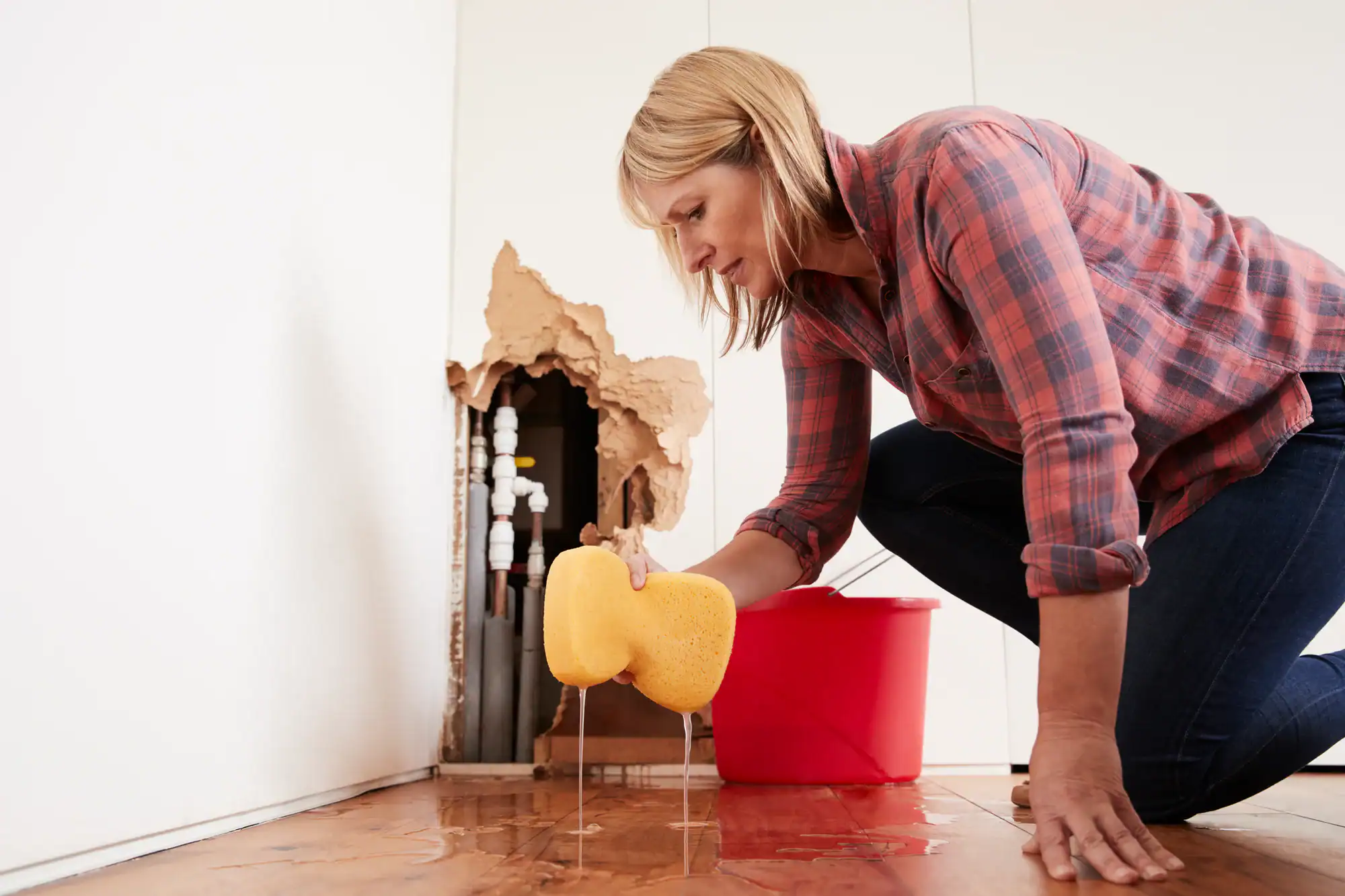
When water gets into a 100-year-old home on the North Shore, every hour it sits there costs more than the last. We respond fast, dry it right, and handle your insurance claim from start to finish.
I needed a professional consultation explanation of procedure for safe removal of Asbestos in my apartment complex. Without having an account yet, I was very impressed with the caring, knowledgeable and generous advice offered by Jessica, and will look forward to doing business in the future. Thank you so much! I feel much more informed about a sometimes scary endeavor. Peace. Nancy Silva Mineola, NY.
Mia Munoz
Used this company to clean up some water flood in my house. They were fast and easy to work with.very professional, Would recommend to anyone!
Nini Valle
Great company, had a flood and they responded quickly and efficiently. Billed my insurance company directly. I highly recommend this company!
joe colapietro, jr
I had pipe freeze in my basement right before a snow storm and they made to within an hour to help start the clean up process. They we by our side throughout the entire process and even helped with the insurance company. They did such a great job with the cleanup, repair, remidiation, I contracted them to perform the repairs and finishes in the basement. They came with enough manpower and material to get the job done. Leo and Jessica were nothing but a pleasure to deal with!!
Cristian Arredondo c
I had some water damage in my home and Green Island was able to take care of my issue quickly and effectively. I am very pleased with the work they did. They responded quickly and were very professional.
Michael M
Outstanding service! From the office to the field crew everyone was friendly, helpful and responsive. I highly recommend Green Island Group.
Water damage in Sea Cliff isn’t the same as water damage anywhere else on Long Island. Nearly 60% of homes in the village were built before 1940, which means plaster walls, original hardwood floors, and plumbing systems that can fail without warning. Moisture doesn’t just sit on the surface here — it travels into lath, framing, and foundation materials that have been absorbing things for decades. If it’s not found and pulled out completely, mold follows. Fast.
The other factor most restoration companies don’t account for is Sea Cliff’s coastal environment. Sitting on a 120-foot bluff above Hempstead Harbor, with nearly half the village’s total area classified as water, the ambient humidity here is consistently higher than inland Nassau County. That slows drying significantly. Consumer fans and box-store dehumidifiers don’t move the needle — industrial equipment calibrated to these conditions is the only way to actually get a structure dry before mold takes hold.
When the job is done right, you get a home that’s genuinely dry — confirmed with moisture readings, not just a visual check. Your original materials are preserved where possible. Your insurance claim is documented completely. And you’re not left wondering whether something was missed inside a wall you can’t see.
Local Crews, No Call Centers, No Franchise Middlemen
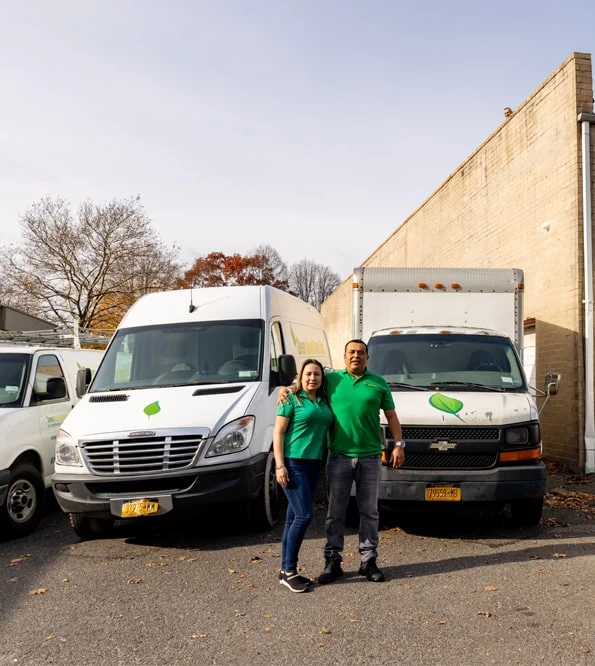
We’re a locally owned Long Island company — not a franchise, not a national brand with a local phone number. When you call, someone local picks up. The crew that shows up at your door is the same crew throughout your project. No subcontractors rotating in and out, no one starting from scratch on day three.
We’ve worked on homes across Nassau County’s North Shore, including the kind of pre-war construction that makes up most of Sea Cliff’s housing stock. We know how plaster walls behave when wet, how original hardwood floors need to be handled differently than engineered flooring, and how the drainage patterns around bluff-side properties create basement flooding situations that catch homeowners off guard.
In a village of 5,000 people where word travels fast, reputation isn’t something you can fake. We’re not here to close a ticket and move on — we’re here to make sure your home is actually right when we leave.
From First Call to Dry Home — Here's the Honest Walkthrough
The first thing that happens when you call is a real conversation — not a call center script. We ask the right questions to understand what you’re dealing with, and we get a crew moving toward Sea Cliff within 60 minutes. Water doesn’t wait, and neither do we.
When we arrive, the first step is a full assessment using thermal imaging cameras and calibrated moisture meters. In a Sea Cliff Victorian, this matters more than it does in a newer home. Moisture in plaster walls doesn’t always show on the surface — it migrates into the lath and framing behind it, and the only way to find it is with the right equipment. We map the full extent of the damage before we touch anything, so nothing gets missed and nothing gets over-treated.
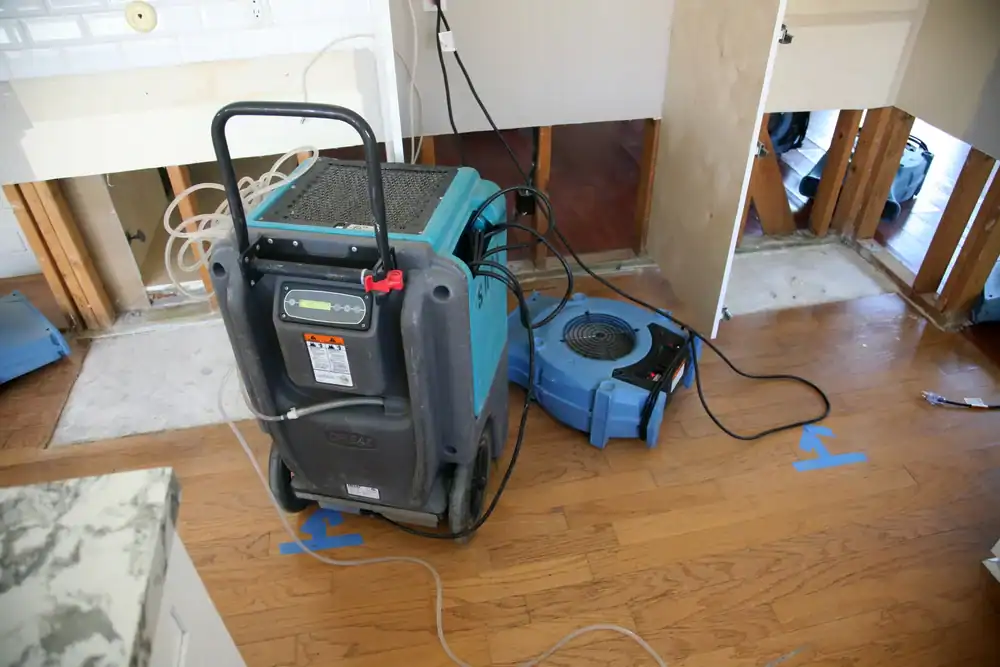
From there, we extract standing water, set industrial drying equipment, and monitor moisture levels daily until the structure hits dry standard. Because Sea Cliff’s coastal humidity slows the process, we don’t guess at timelines — we measure. Once the structure is confirmed dry, we document everything: photos, moisture readings at every stage, and a written scope of work formatted for your insurance adjuster. If your claim needs direct communication with your carrier, we handle that too. You shouldn’t have to fight for coverage on top of dealing with a damaged home.
Built for Old Homes, Coastal Conditions, and Real Claims
Water damage restoration in Sea Cliff covers a lot of ground depending on what failed and where. The most common situations we handle here are burst pipes in older plumbing systems — galvanized steel supply lines that have been corroding from the inside out for decades and finally let go — basement flooding from high water tables and stormwater runoff that channels downhill through the village’s hilly terrain, and roof and window infiltration from nor’easters driving rain sideways into aging Victorian facades.
Every job includes water extraction, structural drying with industrial-grade equipment, full moisture mapping, and documentation for your insurance claim. For homes in Sea Cliff with historically significant features — original millwork, plaster walls, period hardwood floors — we use drying protocols designed to preserve those materials rather than default to tear-out. We’re also fully licensed under New York State’s Mold Law, which requires separate licensing for mold assessment and remediation. That’s a legal requirement in this state, and not every company advertising in Nassau County actually holds it. If mold is found during the restoration process, we can address it under the same project — no need to start over with a different contractor.
For Sea Cliff homeowners with properties under the jurisdiction of the village’s Landmarks Preservation Commission, we document the work thoroughly and can coordinate with any additional requirements that come with a historically designated home.
How quickly does mold actually grow after water damage in a Sea Cliff home?
Mold can begin establishing in as little as 24 to 48 hours after water intrusion — and in Sea Cliff’s coastal environment, that window can feel even tighter. The elevated ambient humidity from Hempstead Harbor and Long Island Sound means the surrounding air is already carrying more moisture than it would inland. When you add wet plaster walls, original wood framing, and the organic lath material behind those walls, you have the conditions mold needs to take hold quickly.
The bigger issue in older Sea Cliff homes is that moisture doesn’t always stay visible. It moves into wall cavities and framing where it’s dark, still, and humid — exactly where mold colonies grow before anyone sees a single spot on the surface. That’s why response time matters so much here, and why drying needs to be confirmed with moisture readings rather than just a visual check. Waiting to see if it dries on its own in a pre-war home with plaster walls and no vapor barriers is a gamble that usually doesn’t pay off.
Will my homeowners insurance cover water damage restoration in Sea Cliff, NY?
Most standard homeowners insurance policies cover sudden and accidental water damage — a burst pipe, an appliance failure, a roof leak from a storm. What they typically don’t cover is gradual damage, meaning a slow leak that’s been going on for months and was never reported. The distinction matters, and it’s one of the first things an adjuster will look at when your claim comes in.
For Sea Cliff homeowners, the stakes on a claim are significant. With median home values approaching $900,000 and a housing stock full of historic materials that cost more to restore than standard modern finishes, getting the documentation right is critical. A poorly documented claim on a Victorian home can result in a settlement that doesn’t come close to covering the actual cost of proper restoration. We handle the documentation — photos, moisture readings, written scope of work — and communicate directly with your adjuster so the claim reflects the full picture of what the damage actually is.
Can water damage really ruin the original plaster walls in my older Sea Cliff home?
Yes, and it happens faster than most people expect. Plaster walls absorb water differently than modern drywall. Drywall becomes structurally compromised when wet and usually needs to be replaced. Plaster can sometimes be dried and preserved — but only if it’s addressed quickly and with the right equipment. If moisture sits in plaster long enough, it softens the base coat, causes the finish coat to crack and separate, and soaks into the wood lath behind it where it’s nearly impossible to dry without opening the wall.
The good news is that plaster preservation is possible with proper industrial drying, and it’s worth pursuing in a Sea Cliff home where original plaster is part of what makes the property historically significant and valuable. The approach requires daily moisture monitoring and patience — it’s not a 24-hour turnaround — but it’s far less invasive and expensive than full wall removal and replastering. We assess each wall individually and give you a straight answer about what can be saved and what can’t.
What causes basement flooding in Sea Cliff, and how do you fix it?
Sea Cliff’s topography is the main driver. The village sits on a bluff with significant elevation changes, and when it rains heavily, stormwater runs downhill through residential properties toward lower-lying areas and the harbor. Homes at the base of the bluff or in lower sections of the village are particularly vulnerable to water pushing in through foundation walls and floor joints. The high water table in parts of the village compounds this — during a wet spring, the ground simply can’t absorb water fast enough, and it finds the path of least resistance into basements.
Older foundations without modern waterproofing membranes — which describes most of Sea Cliff’s pre-war housing stock — don’t have much defense against hydrostatic pressure. When your sump pump fails during a storm, or you don’t have one at all, the result is often several inches of standing water in a basement that may contain original mechanicals, stored belongings, or finished living space. We extract the water, dry the structure completely, and document everything. If the underlying drainage issue needs to be addressed to prevent it from happening again, we’ll tell you that plainly rather than let you find out the hard way next season.
How do I know if there's hidden water damage inside the walls of my home?
The honest answer is that you often can’t tell without the right equipment. A wall can feel dry to the touch and look completely normal on the surface while holding significant moisture inside the cavity. This is especially true in Sea Cliff’s older homes, where plaster walls are thicker and denser than drywall, and where the wood lath and framing behind them can hold moisture for weeks without any visible sign.
What we use is a combination of thermal imaging cameras and calibrated moisture meters. Thermal imaging shows temperature differentials in walls — wet areas hold temperature differently than dry ones, and the camera picks that up as a visible pattern. Moisture meters give us specific readings at multiple points so we can map exactly where the moisture is and how deep it goes. This isn’t a bonus step — it’s the only reliable way to confirm that a structure is actually dry and not just dry on the surface. In a home worth $800,000 or more with irreplaceable original materials, skipping this step isn’t worth the risk.
Is Green Island Group licensed for mold remediation in New York State?
Yes. New York State passed the Mold Law in 2016, which requires separate licensing for mold assessors and mold remediators — and the same company cannot legally perform both assessment and remediation on the same project. We hold the appropriate New York State licenses for mold remediation work. This is a legal requirement that applies to anyone doing this work in Nassau County, but it’s one that not every company advertising water damage restoration in Sea Cliff actually meets.
It matters for a few reasons. If mold remediation is performed by an unlicensed contractor, your insurance carrier may deny the remediation portion of your claim entirely. Beyond the financial risk, unlicensed mold work in an older home — where organic materials like wood lath and plaster create ideal conditions for mold growth — can miss colonies that continue spreading inside wall cavities after the visible surface is cleaned. In Sea Cliff’s coastal humidity conditions, that’s not a hypothetical risk. Before hiring any restoration company here, ask for their NY Mold Law license number. If they hesitate or can’t provide one, that tells you what you need to know.