Your Searingtown Home Deserves More Than a Dry Surface
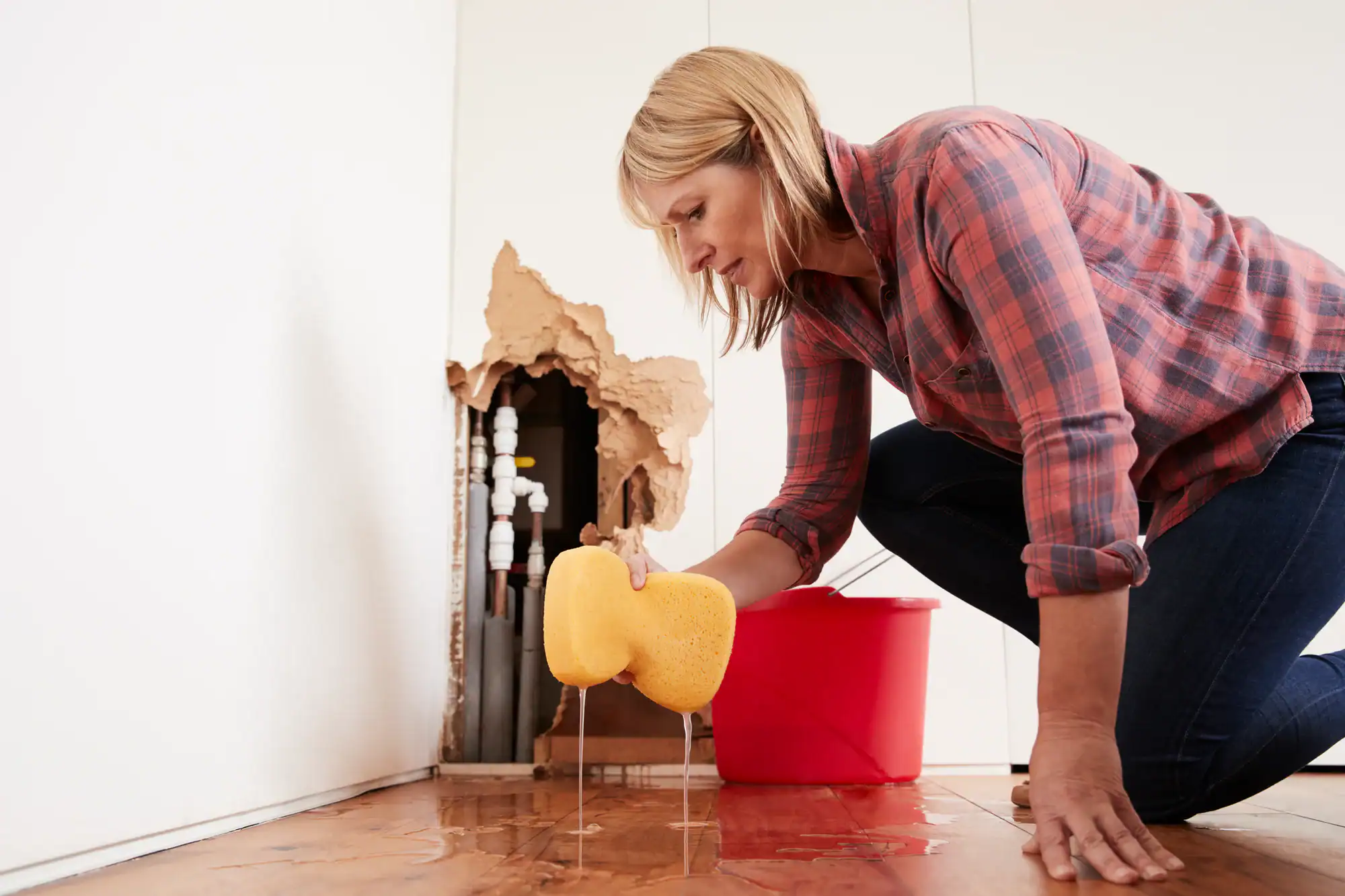
When water gets into a home built in the 1950s or 60s, it doesn’t stay where you can see it. We find it, remove it, and document everything — so your home and your investment are actually protected.
I needed a professional consultation explanation of procedure for safe removal of Asbestos in my apartment complex. Without having an account yet, I was very impressed with the caring, knowledgeable and generous advice offered by Jessica, and will look forward to doing business in the future. Thank you so much! I feel much more informed about a sometimes scary endeavor. Peace. Nancy Silva Mineola, NY.
Mia Munoz
Used this company to clean up some water flood in my house. They were fast and easy to work with.very professional, Would recommend to anyone!
Nini Valle
Great company, had a flood and they responded quickly and efficiently. Billed my insurance company directly. I highly recommend this company!
joe colapietro, jr
I had pipe freeze in my basement right before a snow storm and they made to within an hour to help start the clean up process. They we by our side throughout the entire process and even helped with the insurance company. They did such a great job with the cleanup, repair, remidiation, I contracted them to perform the repairs and finishes in the basement. They came with enough manpower and material to get the job done. Leo and Jessica were nothing but a pleasure to deal with!!
Cristian Arredondo c
I had some water damage in my home and Green Island was able to take care of my issue quickly and effectively. I am very pleased with the work they did. They responded quickly and were very professional.
Michael M
Outstanding service! From the office to the field crew everyone was friendly, helpful and responsive. I highly recommend Green Island Group.
What Changes When the Job Is Done Right in Searingtown
The biggest risk after water damage in a Searingtown home isn’t what you can see — it’s what’s sitting behind the finished walls of your basement or underneath the hardwood floors you spent years putting in. Moisture hides in places that look completely fine on the surface. And in homes built between the 1940s and 1960s, which make up most of the housing stock here, the wall assemblies and subfloor construction weren’t designed with modern moisture barriers. That’s where problems compound quietly.
When we handle water damage restoration correctly, you get more than a dry room. You get thermal imaging that confirms moisture is actually gone — not just visually absent. You get documentation that your insurance carrier accepts without pushback. And you get a clear record that protects your property’s value in a market where homes are selling at $1.3 million and above, and buyers and their attorneys look hard at disclosure history.
Families in Searingtown chose this community for a reason. The Herricks school district, the neighborhood, the home you’ve built here — that’s what’s at stake when water damage goes unaddressed or gets handled halfway. Getting it done right the first time isn’t just about the house. It’s about keeping everything that comes with it intact.
Local Knowledge Backs Every Job We Take in Searingtown
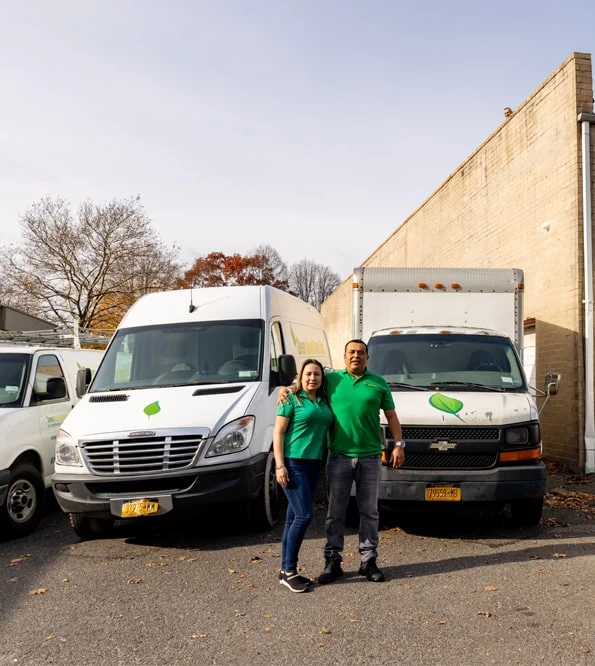
We’re a locally owned and operated restoration company serving Searingtown and the rest of Nassau County and Long Island. There’s no franchise layer here, no national call center routing your emergency to whoever’s available. When you call, you reach a local crew that knows North Shore homes — the split-levels off Searingtown Road, the colonials near the Northern State Parkway corridor, the finished basements that have been upgraded over decades and have a lot to lose.
We’re IICRC-certified and fully licensed under New York State’s 2016 Mold Law, which requires separate licensing for mold assessment and remediation — something a surprising number of contractors operating in Nassau County can’t say. That matters for your insurance claim, and it matters for the legal standing of the work done in your home.
We work directly with major insurance carriers, handle adjuster communication, and document every step of the restoration to the standard insurers actually require. You don’t have to become an expert in the claims process in the middle of a crisis. That part is on us.
The first thing we do when we arrive is assess — not assume. We use thermal imaging cameras and calibrated moisture meters to map where water has traveled, including inside wall cavities, under flooring, and behind finished surfaces. In a Searingtown home with a finished basement or hardwood floors, this step is what separates a real restoration from a surface-level dry-out that leaves hidden moisture behind.
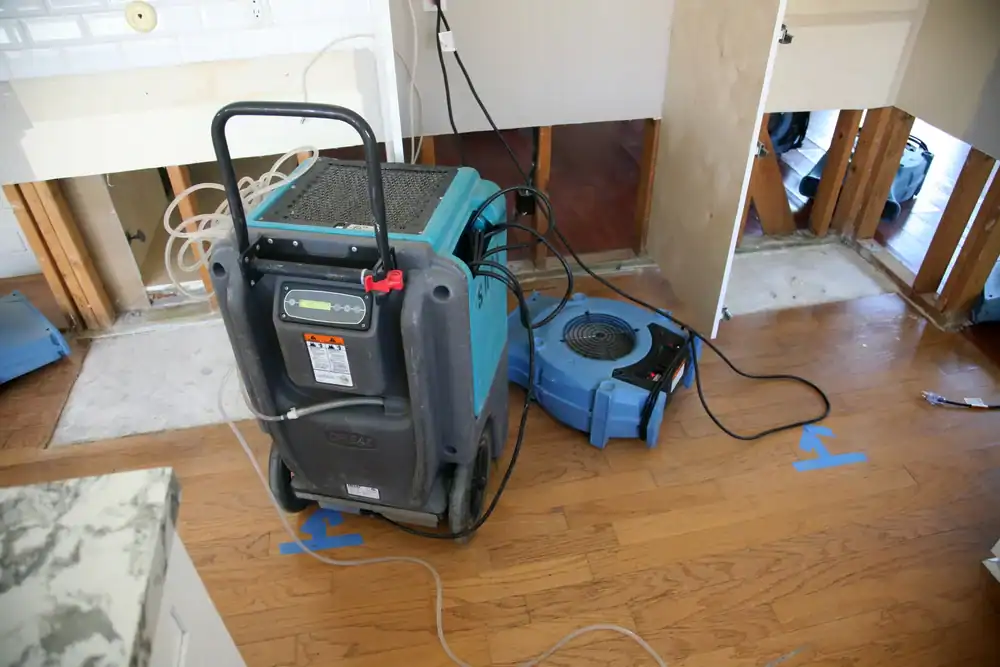
Once we know the full scope, we extract standing water and deploy industrial-grade drying equipment. This isn’t a dehumidifier from a hardware store — it’s commercial desiccant equipment that creates pressure differentials capable of pulling moisture out of structural assemblies. The difference matters in homes with older construction, where moisture gets into places that consumer equipment physically cannot reach.
Throughout the drying process, we take daily moisture readings and adjust equipment placement as conditions change. We don’t close out a job based on how long we’ve been there — we close it out when the readings confirm the structure is dry. All of that documentation gets compiled for your insurance claim, formatted the way adjusters need it. If your job requires a permit through the Town of North Hempstead Building Department — which applies to any work involving structural repairs or reconstruction — we handle that coordination as well.
Water Damage Restoration Service in North Hempstead
Everything Covered, Nothing Left to Chance
Our water damage restoration service covers the full scope — from emergency water extraction and structural drying to mold assessment, remediation, and final clearance testing. Every job follows IICRC S500 standards, which is the same protocol insurance companies use to evaluate whether restoration was performed correctly. That alignment matters when your claim is being reviewed.
For Searingtown homeowners specifically, the most common scenarios we handle are basement flooding from sump pump failures during nor’easters and heavy spring rain events, burst pipes in older plumbing systems during winter cold snaps, and moisture intrusion through foundation walls in homes where the original waterproofing is now 60 or more years old. These aren’t generic risks — they’re the specific conditions that come with living in a mid-century North Shore home on Nassau County’s elevated water table.
Mold remediation is handled under our NYS Department of Labor mold license, which is a legal requirement in New York State and a non-negotiable for insurance carriers. We work directly with all major homeowners insurance providers, managing documentation, scope communication, and adjuster contact from start to finish. If you’re in the middle of a water damage event right now, or trying to figure out what comes next after one, the fastest thing you can do is call. We’ll tell you exactly what you’re dealing with and what it takes to fix it.
How quickly can water damage turn into a mold problem in my Searingtown home?
Mold can begin growing within 24 to 48 hours of water intrusion — and that timeline doesn’t slow down because the damage looks minor. In a Searingtown home with finished basement walls, insulation, and drywall, moisture that enters through a foundation or a failed sump pump doesn’t announce itself. It moves into the wall assembly and sits there, invisible, while the clock runs.
The homes in Searingtown were built primarily between the 1940s and 1960s, before modern vapor barriers and ventilation standards were part of building code. That construction style creates enclosed cavities where trapped moisture has nowhere to go. By the time you notice a musty smell or a dark stain on drywall, remediation costs have already grown significantly compared to what early intervention would have cost. The window to act is narrow, and it’s the single most important reason not to wait.
Does homeowners insurance cover water damage restoration in Searingtown, NY?
It depends on the cause. Most standard homeowners insurance policies cover sudden and accidental water damage — a burst pipe, a failed appliance, or water damage from a roof leak during a storm. What they typically don’t cover is flooding from an outside water source, like groundwater rising during a heavy rain event, unless you have a separate flood insurance policy through FEMA’s National Flood Insurance Program.
For Searingtown homeowners, the distinction matters because some of the most common water damage scenarios here — sump pump failures during nor’easters, groundwater intrusion through aging foundation walls — can fall into gray areas depending on how the cause is documented. That’s why the documentation we provide is so important. We prepare claim documentation in the format insurance adjusters require, communicate directly with your carrier, and help ensure the covered portion of your damage is fully captured in the settlement. Getting that right from the start makes a real difference in what you recover.
What's the difference between water damage restoration and just drying things out?
Drying things out means removing visible moisture. Water damage restoration means confirming that moisture is gone from every part of the structure it reached — including the parts you can’t see. Those are very different outcomes, and the gap between them is where mold grows and structural damage compounds.
In a Searingtown home with finished walls, hardwood floors, or a renovated basement, water travels into assemblies that look completely dry on the surface within hours of the initial event. Professional restoration uses thermal imaging and calibrated moisture meters to find where water actually went, then uses industrial drying equipment — not consumer dehumidifiers — to extract it from structural cavities. The process ends when moisture readings confirm the structure is dry, not when the visible wetness is gone. That distinction is what separates a job that holds up over time from one that leads to a mold remediation call six weeks later.
Do I need a permit for water damage repairs in Searingtown?
It depends on the scope of the work. Basic water extraction and drying don’t require a permit. But if the restoration involves removing and replacing drywall, repairing or replacing framing, or any structural reconstruction, you’ll need a permit through the Town of North Hempstead Building Department — which is the governing authority for Searingtown as an unincorporated hamlet in North Hempstead.
This is a step that some contractors skip, either because they don’t know the local requirements or because they’re trying to move faster. Skipping it creates problems when you go to sell the home, because unpermitted work can surface during a buyer’s inspection and complicate or delay a transaction. In a market where Searingtown homes are selling at $1.3 million and above, that’s not a risk worth taking. We handle permit coordination with the Town of North Hempstead as part of the restoration process, so you don’t have to navigate that separately while you’re already managing a stressful situation.
My basement flooded after a heavy storm — what should I do first?
Before anything else, make sure it’s safe to enter. If there’s any chance the water has reached electrical outlets, your panel, or any wiring, don’t go in until the power to that area has been shut off. Once it’s safe, stop the source if you can — whether that’s a failed sump pump, a backed-up drain, or water still coming in through a window well or foundation crack.
After that, call a restoration company before you start pulling up carpet or running fans. The instinct to start cleaning up immediately is understandable, but moving things around before moisture mapping is done can spread contamination and make it harder to document the full scope for your insurance claim. In Searingtown, heavy rain events — especially the nor’easters and late-summer storms that push several inches of rain in a short window — are one of the most common triggers for basement flooding in older homes with aging sump systems. The faster you get a professional assessment, the more of your home and your claim you protect.
How do I know if a water damage company in Searingtown is actually licensed for mold work?
New York State’s 2016 Mold Law requires that anyone performing mold assessment or mold remediation hold a separate license issued by the NYS Department of Labor. The assessor and remediator must also be different entities — the same company can’t assess and remediate the same job. You can verify a contractor’s license directly through the NYS Department of Labor’s online license lookup before you hire anyone.
This matters in Searingtown and across Nassau County because not every company operating in this market holds the required licenses. Hiring an unlicensed contractor for mold work can void the mold-related portion of your insurance claim and leave you with no legal recourse if the work is done incorrectly. It can also create disclosure complications when you sell, since mold remediation performed by an unlicensed contractor may not be recognized as a proper remediation by a buyer’s inspector or attorney. We’re fully licensed under the NY Mold Law. If you want to verify that before you call, you’re welcome to — that’s exactly the kind of question a homeowner in this market should be asking.