When Water Gets Into a Setauket Home, the Clock Starts Immediately
When water gets into a North Shore home, the clock starts immediately. We respond 24/7 with the equipment, licensing, and local knowledge to stop the damage before it compounds.
I needed a professional consultation explanation of procedure for safe removal of Asbestos in my apartment complex. Without having an account yet, I was very impressed with the caring, knowledgeable and generous advice offered by Jessica, and will look forward to doing business in the future. Thank you so much! I feel much more informed about a sometimes scary endeavor. Peace. Nancy Silva Mineola, NY.
Mia Munoz
Used this company to clean up some water flood in my house. They were fast and easy to work with.very professional, Would recommend to anyone!
Nini Valle
Great company, had a flood and they responded quickly and efficiently. Billed my insurance company directly. I highly recommend this company!
joe colapietro, jr
I had pipe freeze in my basement right before a snow storm and they made to within an hour to help start the clean up process. They we by our side throughout the entire process and even helped with the insurance company. They did such a great job with the cleanup, repair, remidiation, I contracted them to perform the repairs and finishes in the basement. They came with enough manpower and material to get the job done. Leo and Jessica were nothing but a pleasure to deal with!!
Cristian Arredondo c
I had some water damage in my home and Green Island was able to take care of my issue quickly and effectively. I am very pleased with the work they did. They responded quickly and were very professional.
Michael M
Outstanding service! From the office to the field crew everyone was friendly, helpful and responsive. I highly recommend Green Island Group.
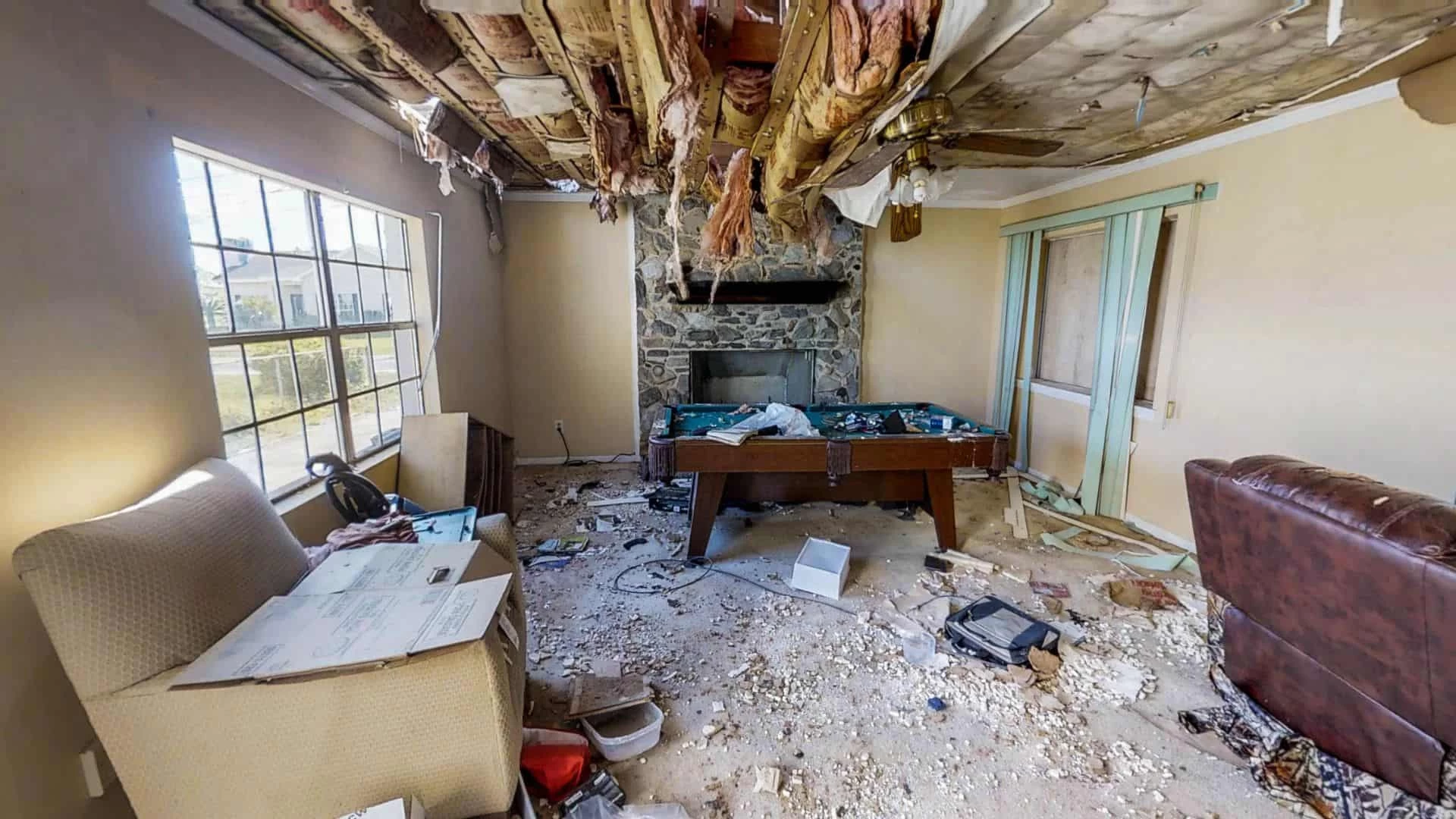
Standing water is the visible part. What happens after inside your walls, beneath your floors, behind your plaster is where the real damage lives. When water damage is handled correctly, you’re not just drying out a room. You’re stopping a chain reaction that, left unchecked, turns a manageable repair into a months-long remediation project.
For homeowners in Setauket’s northern neighborhoods near Conscience Bay and Setauket Harbor, that risk is especially real. Coastal proximity and a high water table mean water doesn’t just enter from above it pushes up from below, saturating subfloors and crawl spaces that can stay wet long after the surface looks dry. A proper restoration job finds all of it, not just what’s visible.
South of Route 25A, the Levitt-era homes near Nesconset Highway carry a different but equally serious concern: original plumbing systems that are now 60 to 70 years old. When those pipes fail, water travels fast and far before anyone notices. The outcome you want isn’t just a dry house it’s a fully documented, professionally restored home that your insurer recognizes, your family can safely return to, and your contractor can stand behind.
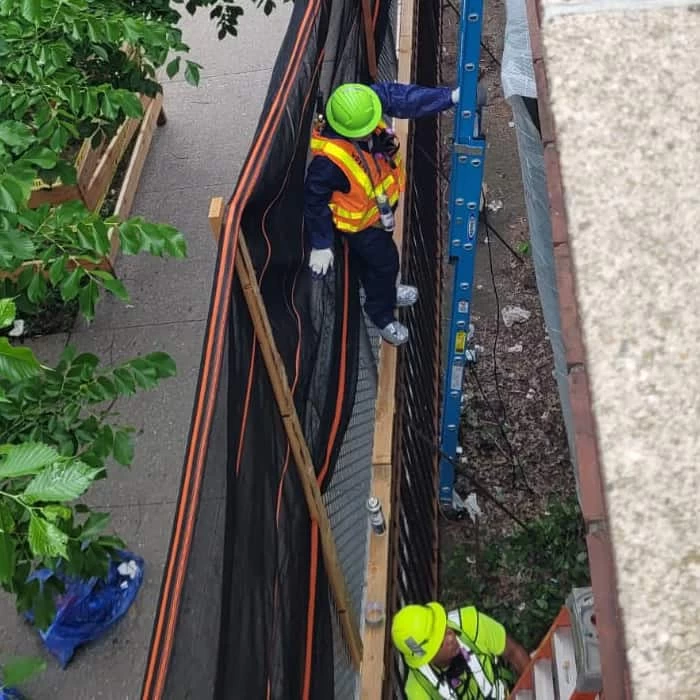
Most restoration companies handle water damage and hand the rest off to someone else. If your Setauket home needs mold remediation after the drying is done or if demo work uncovers asbestos in a pre-1980 wall you’re suddenly managing two or three contractors through an already stressful situation. We handle all of it in-house: water extraction, structural drying, mold remediation, asbestos testing and abatement, lead paint assessment, and air quality verification.
That matters more in Setauket than almost anywhere else on Long Island. A significant portion of homes here predate 1978 the federal lead paint threshold and many predate 1980, when asbestos-containing materials were still standard in construction. From the historic homes near the village green and Caroline Church to the mid-century ranches near Route 347, the housing stock in this community carries real environmental complexity. You deserve a restoration company that can handle that complexity without stopping work and sending you elsewhere.
When you call, you reach someone who can actually help not a call center routing your emergency through a national franchise system. We dispatch locally, which means response times to Setauket and the broader Three Villages area are real, not estimated. The first thing that happens on-site is a full assessment, not just a visual scan. Using thermal imaging cameras and calibrated moisture meters, our team maps exactly where water has traveled including behind walls, under flooring, and into structural framing that looks dry from the outside but isn’t.
From there, professional-grade extraction and drying equipment goes to work. Industrial air movers, dehumidifiers, and drying systems are placed strategically based on the moisture map, not guesswork. Progress is monitored and documented throughout which matters significantly for your insurance claim. In Suffolk County, any structural repairs that follow water damage restoration require Town of Brookhaven building permits, and in homes built before 1978, EPA Renovation, Repair and Painting rules apply if lead paint may be disturbed. We’re fully licensed to navigate all of it.
Once drying is complete and verified, we walk you through what was found, what was done, and what if anything needs follow-up. You don’t get a handshake and a bill. You get a clear picture of your home’s condition and what comes next.
Water damage restoration in Setauket isn’t a one-size job. The scope depends on your home’s age, construction type, the source of the water, and how long it sat before extraction began. Our process is built to address all of it not the minimum required to close the work order, but everything needed to return your home to a safe, dry, fully restored condition.
That includes emergency water extraction, structural drying, moisture mapping, mold assessment and remediation if needed, and for the older homes that make up a large portion of Setauket’s housing stock asbestos testing and abatement and lead paint assessment before any demo work begins. These aren’t add-ons. They’re part of responsible restoration in a community where homes routinely predate 1980. Working with a company that skips this step isn’t just cutting corners it’s creating liability.
We also work directly with your insurance company throughout the process. That means proper documentation from day one, direct communication with your adjuster, and billing handled on your behalf wherever possible. In a market where flood insurance penetration in northern Suffolk County communities is documented as low, having someone who understands what your policy covers and how to document the full scope of damage can make a significant difference in what you actually recover. We serve residential and commercial properties throughout Setauket, East Setauket, and the surrounding Three Villages area.
How quickly can water damage restoration begin for Setauket homeowners?
We operate 24 hours a day, seven days a week, and dispatch locally not from a regional franchise hub. For Setauket and the Three Villages area, that means a real response time, not an estimated window from a national call center. When you call, you reach someone who can actually dispatch a crew.
Speed matters here more than most places. Setauket’s high water table particularly in the northern neighborhoods near Conscience Bay and Setauket Harbor means that during heavy rainfall events, water can enter a home from multiple directions simultaneously. The longer it sits, the further it travels. Mold can begin colonizing within 24 to 48 hours of water exposure, and in older homes with porous plaster walls and original wood framing, that window closes even faster. Getting extraction and drying equipment on-site the same day isn’t a selling point it’s a necessity.
Does water damage restoration in Setauket also cover mold remediation?
Yes and in Setauket, that connection is especially important to understand. Water damage and mold are not separate problems. Mold is the direct consequence of water damage that wasn’t fully addressed, and in a community where a large portion of the housing stock was built before 1970, the risk of hidden mold growth inside wall cavities, beneath flooring, and in crawl spaces is significant. Older building materials absorb and retain moisture more readily than modern construction, which means mold can establish itself in places that look and feel dry on the surface.
We handle both services in-house. If mold is found during or after the drying process, there’s no need to find a separate remediation contractor or wait for a new project timeline to begin. The same team that extracted the water and mapped the moisture can assess, contain, and remediate the mold and verify air quality afterward. For Setauket homeowners, that continuity is not just convenient. It’s the difference between a complete restoration and a job that looked finished but wasn’t.
My home in Setauket was built in the 1960s does that affect the restoration process?
It does, and it’s one of the most important questions to ask before any restoration work begins. Homes built before 1978 may contain lead paint, and homes built before 1980 commonly contain asbestos-based materials in floor tiles, pipe insulation, drywall joint compound, ceiling textures, and more. When water damage requires removing or disturbing any of these materials, federal and New York State regulations require proper testing and handling before demo work proceeds.
This applies to a large portion of Setauket’s housing stock from the Levitt-era homes near Route 347 to the colonial and Cape Cod-style homes in the northern neighborhoods near the village green. A restoration company that isn’t licensed for asbestos abatement and lead paint assessment will either skip this step creating serious liability for you or stop work and tell you to find someone else. We’re licensed to handle the full scope in-house, which means no work stoppages, no contractor coordination, and no gaps in the documentation your insurance company will need.
Will my homeowner's insurance cover water damage restoration costs in Setauket?
It depends on the source of the water, and the distinction matters more than most homeowners realize. Standard homeowners insurance policies typically cover sudden and accidental water damage a burst pipe, an appliance failure, a roof leak from a storm. What they generally do not cover is flooding from an external source, like storm surge, rising groundwater, or overflow from a body of water. In Setauket, where properties near Conscience Bay, Setauket Harbor, and Long Island Sound sit in or near FEMA-designated flood zones, that exclusion is directly relevant.
Flood coverage requires a separate flood insurance policy, typically through the National Flood Insurance Program, and flood insurance penetration in northern Suffolk County communities is documented as low. Many homeowners in this area are underinsured for exactly the kind of flooding event that has already happened here including the August 2024 record rainfall that triggered a state disaster emergency for Suffolk County, with sinkholes and severe basement flooding reported in East Setauket. We work directly with your adjuster, document the full scope of damage from day one, and help you understand what your policy covers before the process begins.
What's the difference between water extraction and full water damage restoration?
Water extraction is one step in the process it’s the removal of standing water using pumps and wet vacuums. Restoration is everything that follows. After extraction, the structure itself is saturated: framing, subfloors, wall cavities, insulation, and in older homes, plaster and original hardwood. That moisture has to be located, measured, and systematically dried using professional-grade equipment industrial dehumidifiers, air movers, and drying systems placed based on a moisture map, not a visual guess.
In Setauket’s older housing stock, this distinction is particularly important. A company that extracts the visible water and leaves may miss saturation hidden behind walls or beneath flooring saturation that will feed mold growth for weeks before it becomes visible. Full restoration means the job isn’t done until moisture readings return to normal throughout the structure, everything is documented, and the space has been verified safe. That’s the standard we hold every job to, whether it’s a flooded basement near Frank Melville Memorial Park or a burst pipe in a home off Sheep Pasture Road.
How does water damage restoration work when multiple issues are involved water, mold, and asbestos?
This is exactly the situation many Setauket homeowners face, and it’s where working with a single, multi-licensed contractor makes the biggest practical difference. When water damage leads to mold, and mold remediation requires removing materials that may contain asbestos which is common in homes built before 1980 the job has layers that a water-only restoration company simply isn’t equipped to handle. They’ll stop work, refer you out, and leave you managing the coordination during an already difficult situation.
We hold licensing across all of these disciplines: water damage restoration, mold remediation, asbestos testing and abatement, lead paint assessment, and air quality verification. When a job in Setauket involves more than one of these issues which, given the age of the local housing stock, happens regularly our team works through the full scope without handoffs or delays. Every phase is documented, every clearance test is completed before the next phase begins, and the final walkthrough covers the entire job, not just the part that was easiest to address. For homeowners dealing with a complex loss in an older home, that continuity is what actually gets the job done right.