When Your Shelter Island Home Has Been Sitting With Water
Most water damage on Shelter Island isn’t caught the moment it happens it’s found weeks later, after a long winter away. We respond fast, cross the ferry ready to work, and handle everything from extraction to mold to asbestos in one call.
I needed a professional consultation explanation of procedure for safe removal of Asbestos in my apartment complex. Without having an account yet, I was very impressed with the caring, knowledgeable and generous advice offered by Jessica, and will look forward to doing business in the future. Thank you so much! I feel much more informed about a sometimes scary endeavor. Peace. Nancy Silva Mineola, NY.
Mia Munoz
Used this company to clean up some water flood in my house. They were fast and easy to work with.very professional, Would recommend to anyone!
Nini Valle
Great company, had a flood and they responded quickly and efficiently. Billed my insurance company directly. I highly recommend this company!
joe colapietro, jr
I had pipe freeze in my basement right before a snow storm and they made to within an hour to help start the clean up process. They we by our side throughout the entire process and even helped with the insurance company. They did such a great job with the cleanup, repair, remidiation, I contracted them to perform the repairs and finishes in the basement. They came with enough manpower and material to get the job done. Leo and Jessica were nothing but a pleasure to deal with!!
Cristian Arredondo c
I had some water damage in my home and Green Island was able to take care of my issue quickly and effectively. I am very pleased with the work they did. They responded quickly and were very professional.
Michael M
Outstanding service! From the office to the field crew everyone was friendly, helpful and responsive. I highly recommend Green Island Group.
What Getting Ahead of Water Damage Actually Looks Like on Shelter Island
When you walk into your Shelter Island home after months away and find the damage, the first thing you want to know is how bad it really is and whether it’s still spreading. The answer to both questions depends almost entirely on how fast you move from that moment forward. Mold doesn’t wait. It starts colonizing within 24 to 48 hours of moisture exposure, which means a burst pipe from January that nobody caught until March isn’t just a water problem anymore. It’s a mold problem. Possibly an air quality problem. And in a home built in Shelter Island Heights in the 1880s, it may be an asbestos problem too.
Getting this handled the right way means the structure gets dried completely not surface-dried with a rented dehumidifier, but structurally dried using professional equipment and moisture readings taken inside the walls, under the floors, and in the cavities where water hides in older plaster-and-wood construction. It means the mold that followed the water gets remediated, not just wiped down. And it means your insurance claim is documented properly from the start, which matters a lot when you’re filing on a seasonal Shelter Island property with a vacancy clause.
The outcome you’re working toward isn’t just a dry house. It’s your Shelter Island property restored to the condition it was in before any of this happened with a paper trail that protects you financially and a team that handled every layer of the problem, not just the visible one.
One Company That Handles the Whole Picture for Shelter Island Properties
We’re a Long Island-based environmental and property restoration company serving eastern Suffolk County, including Shelter Island. The reason property owners on the island call us and keep calling us is straightforward: we don’t hand off the complicated parts. Water damage, mold remediation, asbestos testing and abatement, lead paint, air quality it’s all under one roof. On an island where coordinating multiple contractors across a ferry crossing is a real logistical burden, that matters more than it would almost anywhere else.
We know the North Ferry schedule. We know how to load equipment onto the boat. We know the turn at Grand Avenue and Chase Avenue, and we know what we’re looking at when we walk into a Victorian-era cottage in Shelter Island Heights that’s been closed since October. That’s not something you get from a national franchise routing your call through a 1-800 number.
Our technicians are IICRC-certified, our company is licensed for asbestos and lead work under New York State requirements, and we’re available around the clock because water damage on a seasonal island doesn’t follow business hours.
Emergency Water Damage Restoration, Shelter Island
What Happens From Your First Call to a Restored Shelter Island Property
When you call, you reach a real person not a voicemail, not a call center. We talk through what you’re seeing, ask the right questions, and mobilize a response immediately. For Shelter Island, that means we’re planning the ferry crossing and equipment load at the same time we’re taking your call. We know which ferry route makes more sense depending on where you’re coming from and what time of day it is, and we don’t waste time figuring that out on the fly.
Once on-site, the first step is a full assessment not just the visible damage, but everything the moisture has reached. We use thermal imaging cameras and calibrated moisture meters to find water inside walls, under original hardwood floors, and in structural cavities that look fine on the surface but aren’t. In older Shelter Island homes, this step is especially important because water travels differently through plaster, old-growth wood framing, and uninsulated seasonal structures than it does through modern construction.
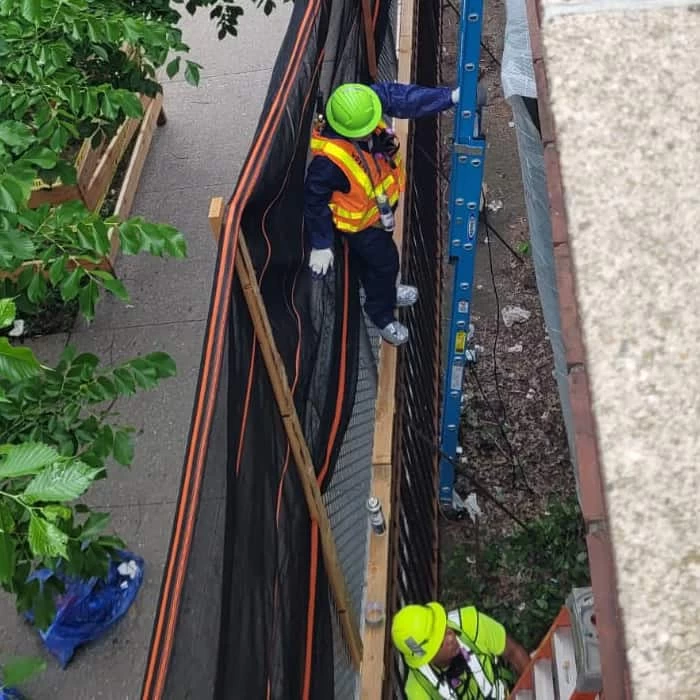
From there, we extract standing water, set industrial drying equipment, and begin the remediation process which may include mold treatment, asbestos testing if we’re opening walls in a pre-1980 structure, and air quality verification before we close anything back up. If permits are required through the Shelter Island Building Department, we handle that too. We don’t consider the job done until the moisture readings confirm it’s done and we document everything in a format your insurance adjuster can work with.
Built for the Specific Risks Shelter Island Properties Actually Face
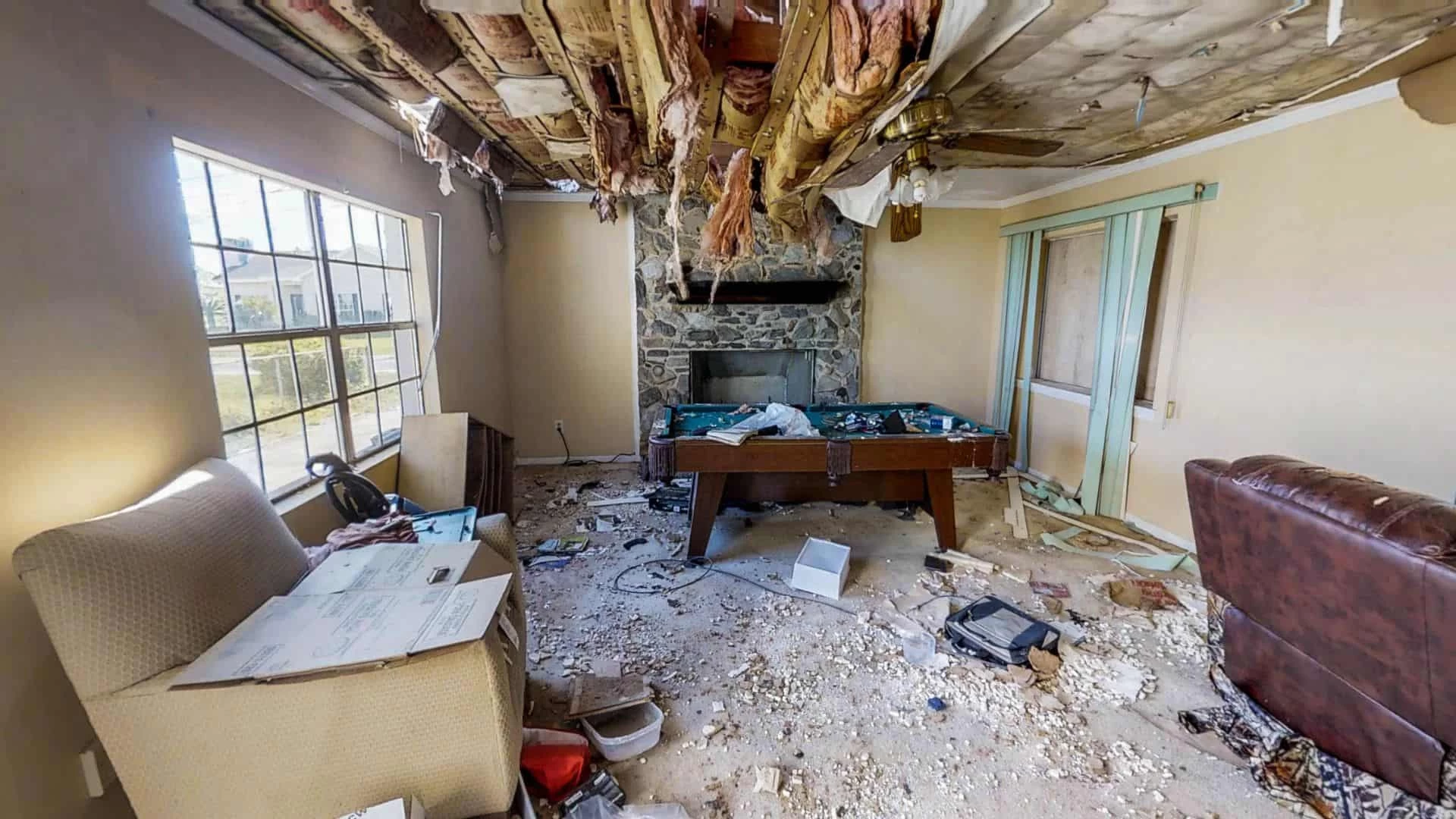
Shelter Island’s housing stock is older, more exposed to coastal weather, and more frequently unoccupied than almost any other community on Long Island. A large portion of the island’s homes sit empty for five to seven months a year which means frozen pipes, sump pump failures, and slow roof leaks go undetected until the owner returns. When that happens, you’re not dealing with fresh water damage. You’re dealing with damage that has had weeks or months to migrate, dry partially, and in many cases, grow mold in spaces you can’t see from the doorway.
Our water damage restoration service for Shelter Island properties covers the full scope of what that scenario actually requires: emergency water extraction, structural drying with industrial air movers and dehumidifiers, moisture mapping and documentation, mold assessment and remediation, asbestos and lead testing in pre-1980 structures where wall openings are involved, and air quality testing to verify the environment is safe before the property is reoccupied. For historic properties in Shelter Island Heights homes built in the 1870s and 1880s with original materials that can’t just be ripped out and replaced we work carefully to preserve what can be saved.
We also work directly with insurance carriers. We document damage thoroughly, communicate with adjusters, and help you navigate the specific complications that come with seasonal property claims including vacancy clause questions that catch a lot of Shelter Island homeowners off guard. One call covers all of it.
What should I do if I find water damage in my Shelter Island vacation home?
The first thing to do is call a restoration company immediately not after you’ve assessed it yourself, not after you’ve called your insurance agent, but right away. The reason is simple: every hour that passes after you discover standing water or saturated materials is an hour closer to active mold growth. On Shelter Island, where a lot of homes are discovered in this condition weeks or months after the damage actually happened, there’s no time to lose once you’re on-site.
When you call us, we’ll talk through what you’re seeing and get a crew moving toward the ferry. In the meantime, if it’s safe to do so, shut off the water supply to the affected area if the source is a burst pipe or appliance failure, and avoid running HVAC systems that could circulate mold spores if mold is already visible. Don’t try to dry things out yourself with fans or household dehumidifiers that approach can spread contamination and complicate the moisture mapping we need to do when we arrive. Let us come in, assess the full scope, and give you an honest picture of what you’re dealing with before any work begins.
How quickly can a water damage restoration company actually get to Shelter Island?
This is the question that matters most on Shelter Island, and the honest answer depends on which company you call. A contractor that has never worked on the island is going to spend time figuring out the ferry schedule, whether their equipment truck will fit on the boat, and how to navigate Route 114 once they arrive. That adds time you don’t have.
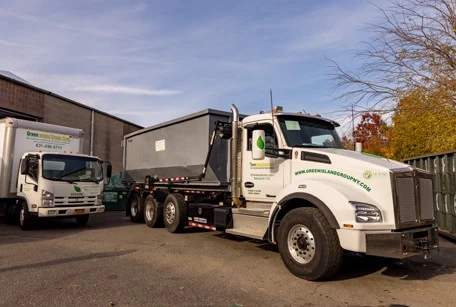
We’ve worked in eastern Suffolk County and on the East End long enough that the ferry logistics aren’t a learning curve they’re just part of the job. We know the North Ferry from Greenport and the South Ferry from North Haven, we know how to load a fully equipped restoration truck onto the boat, and we know Shelter Island’s road network well enough to get to your property without delay. Response time will always depend on time of day, ferry wait times, and where we’re coming from but we’re not wasting any of that time on logistics we haven’t figured out yet. We’re available 24/7, and when you call at 2am because your basement is flooding, that’s exactly the kind of call we’re set up to take.
My Shelter Island home is over 100 years old does that change how water damage is handled?
It does, and significantly. Homes in Shelter Island Heights and other parts of the island built in the 1870s through early 1900s were constructed with materials and methods that behave very differently from modern construction when they get wet. Plaster walls absorb and hold moisture differently than drywall. Old-growth wood framing is denser and dries more slowly. Original hardwood floors can often be saved if drying is done correctly and quickly but they require different equipment placement and more careful monitoring than engineered flooring.
There’s also the asbestos and lead question. In any pre-1980 structure, water damage that requires opening walls, disturbing floor tiles, or accessing pipe insulation creates a real risk of exposing asbestos-containing materials or lead paint. Under New York State law, that work requires licensed abatement not just a restoration crew pulling drywall. We hold the necessary licenses for both asbestos abatement and lead paint work, which means we can assess and handle those exposures in-house rather than stopping the job and waiting for a separate contractor to come across on the next ferry. For a historic Shelter Island property, that all-in-one capability isn’t a convenience it’s a necessity.
Will my homeowners insurance cover water damage in a seasonal home I don't occupy year-round?
Possibly but this is where Shelter Island homeowners run into complications that mainland property owners often don’t face. Many standard homeowners policies include vacancy clauses that limit or exclude coverage for damage that occurs while a property is unoccupied for an extended period, typically 30 to 60 days or more. Since a large portion of Shelter Island’s homes are closed for five to seven months a year, that clause can come into play directly.
Whether your claim is covered depends on your specific policy language, when the damage occurred, and how well the damage is documented. This is why the documentation we produce during our assessment matters so much. We photograph and record everything moisture readings, affected areas, visible damage, and the evidence that helps establish the timeline and scope of loss. We communicate directly with insurance adjusters and can help you understand what your policy is likely to cover before you’re deep into the process. We can’t guarantee a claim outcome, but we can make sure you’re walking into that conversation with the strongest possible documentation behind you. If you have a seasonal property policy or a second-home rider, pull that out before you call us and we can talk through what we’re likely to be working with.
How do I know if there's mold after water damage in my Shelter Island home?
The short answer is that you often can’t tell just by looking. Mold grows in the places water traveled to inside wall cavities, under flooring, in insulated spaces, behind baseboards and by the time it’s visible on a surface, it’s typically been growing for a while. In a Shelter Island home that was closed for the winter, mold from a November pipe leak might not show itself at all until you’re standing in a room that smells musty in April.
The right way to assess mold presence after water damage is through professional moisture mapping and, where indicated, air quality testing. Moisture meters and thermal imaging cameras identify where water traveled beyond the visible damage zone, and air sampling can detect elevated mold spore counts in spaces that look clean to the eye. If our assessment finds active mold growth, we remediate it using IICRC-standard protocols containment, removal of affected materials where necessary, treatment, and post-remediation air quality verification before the space is cleared for reoccupancy. We don’t just dry the water and leave you to wonder about the rest. The mold question gets answered as part of the same job.
Does Green Island Group handle water damage restoration for commercial properties on Shelter Island?
Yes. Shelter Island’s economy runs largely on its hospitality properties the inns, hotels, B&Bs, event venues, and retreat centers that fill the island every summer. A water damage event in one of those properties isn’t just a building problem; it’s a business interruption problem, especially if it happens close to or during peak season. We respond to commercial water damage with the same urgency and the same full-scope capability we bring to residential jobs.
That means extraction, structural drying, mold assessment, and any necessary asbestos or air quality work handled by one crew, under one roof, without the coordination delays that come from using multiple separate contractors. For a hospitality property on an island where getting any contractor on-site requires a ferry crossing, minimizing the number of separate vendors involved is a real operational advantage. Whether it’s a waterfront inn near Dering Harbor, a retreat facility, or a multi-unit rental property, we have the equipment capacity and the crew to handle the scale of a commercial restoration job and get the property back to operational as fast as the work responsibly allows.