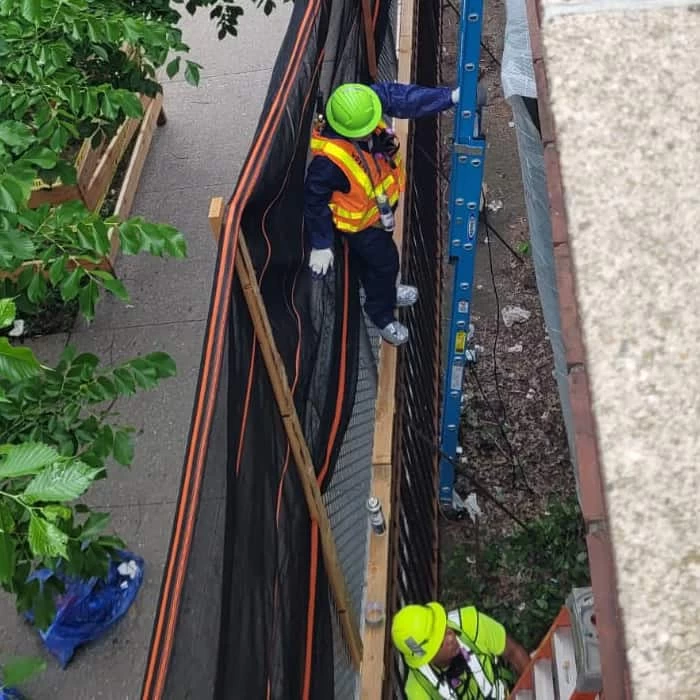
I needed a professional consultation explanation of procedure for safe removal of Asbestos in my apartment complex. Without having an account yet, I was very impressed with the caring, knowledgeable and generous advice offered by Jessica, and will look forward to doing business in the future. Thank you so much! I feel much more informed about a sometimes scary endeavor. Peace. Nancy Silva Mineola, NY.
Mia Munoz
Used this company to clean up some water flood in my house. They were fast and easy to work with.very professional, Would recommend to anyone!
Nini Valle
Great company, had a flood and they responded quickly and efficiently. Billed my insurance company directly. I highly recommend this company!
joe colapietro, jr
I had pipe freeze in my basement right before a snow storm and they made to within an hour to help start the clean up process. They we by our side throughout the entire process and even helped with the insurance company. They did such a great job with the cleanup, repair, remidiation, I contracted them to perform the repairs and finishes in the basement. They came with enough manpower and material to get the job done. Leo and Jessica were nothing but a pleasure to deal with!!
Cristian Arredondo c
I had some water damage in my home and Green Island was able to take care of my issue quickly and effectively. I am very pleased with the work they did. They responded quickly and were very professional.
Michael M
Outstanding service! From the office to the field crew everyone was friendly, helpful and responsive. I highly recommend Green Island Group.
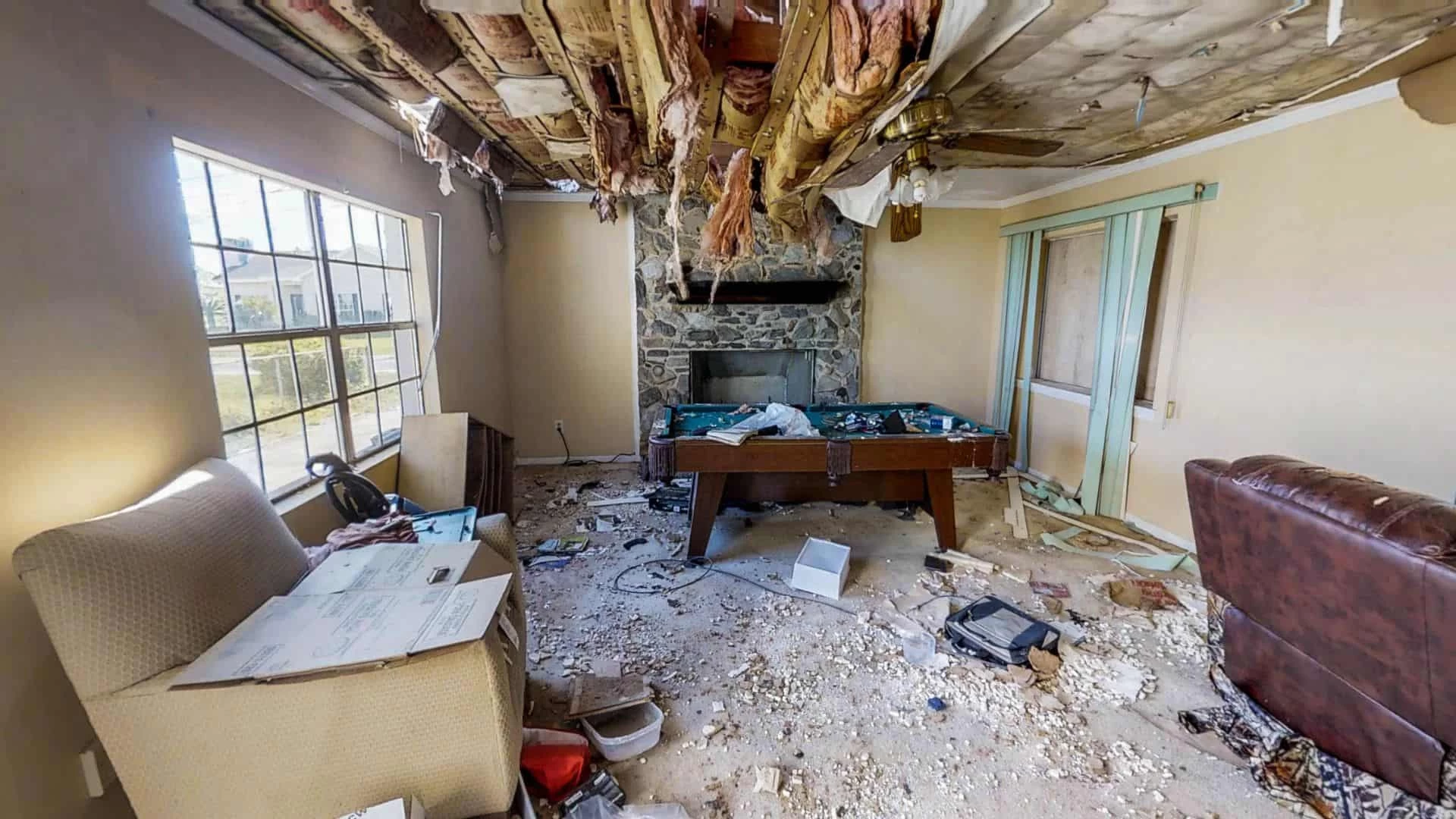
Water damage in Shirley doesn’t follow business hours. A nor’easter pushes bay water up from Great South Bay, a sump pump fails at 2am, or a pipe bursts in a 1960s Cape Cod that’s never had updated plumbing and suddenly you’re dealing with a problem that gets worse by the hour, not better. The difference between a manageable repair and a full-blown mold situation is often measured in hours, not days.
Most homeowners don’t realize this until it’s too late. Mold can begin growing within 24 to 48 hours of water exposure. In Shirley’s warm, humid South Shore climate especially during summer months when moisture levels stay elevated that window closes fast. Professional extraction and drying equipment isn’t overkill. It’s what actually stops the damage from compounding into something far more expensive and far more disruptive to your family.
Shirley’s housing stock adds another layer most restoration companies aren’t equipped to handle. The majority of homes here were built between the late 1940s and early 1970s which means asbestos in floor tiles, pipe insulation, and ceiling materials is a real possibility the moment you start tearing out water-damaged walls or flooring. We handle water damage, mold remediation, and asbestos abatement under one roof, so you’re never left coordinating between multiple contractors or hoping someone catches a hazard before it becomes a liability.
We’re a Long Island-based environmental and restoration company not a franchise, not a call center routing you to whoever’s available. When you call, you reach a real person who knows Shirley, knows the South Shore, and knows the flood patterns along the Mastic Peninsula. We can get a crew to your door fast.
Shirley has a documented history with water damage. The community sits in low-lying coastal terrain bordered by Great South Bay, with the Carmans River running through it and Fire Island accessible just down William Floyd Parkway. Homes here have seen Sandy, seen the August 2024 flash flooding, and many residents have filed multiple insurance claims over the years. That’s the environment our team works in not a generic suburb, but a specific community with specific risks.
Our customers name our staff in their reviews. That kind of accountability doesn’t happen at a franchise. It happens when a local team shows up, does the job right, and treats your home like it matters because to us, it does.
From the First Call to the Final Walkthrough Here's What to Expect
The first call is simple. You tell us what happened, we ask a few quick questions, and we dispatch a crew. For emergencies, that happens around the clock no waiting until Monday morning, no voicemail during a storm. In Shirley, where a nor’easter or a sump pump failure can do serious damage overnight, speed at that first step genuinely matters.
When our team arrives, the first priority is stopping the source and assessing the full scope of the damage including what you can’t see. We use moisture meters and thermal imaging to map saturation behind walls, under floors, and inside insulation cavities. In Shirley’s older homes, which often have finished or partially finished basements with drywall over concrete block foundations, water gets into wall cavities and stays there long after the visible surface appears dry. Missing hidden moisture is how a “dried out” basement turns into a mold problem three weeks later.
From there, we move into extraction, drying, and dehumidification using professional-grade equipment calibrated to the actual moisture levels in your space. If the job uncovers mold, asbestos, or lead paint all realistic possibilities in Shirley’s post-war housing stock we handle those in-house under full New York State licensing. We also document everything for your insurance claim and communicate directly with your adjuster, so you’re not left translating between a restoration company and an insurance company on your own.
Full-Scope Restoration Built for Shirley's Coastal Conditions
Water damage restoration in Shirley isn’t a one-size-fits-all job. The combination of aging housing stock, a high coastal water table, and recurring flood exposure from Great South Bay means the work here often goes deeper than a basic dry-out. Our service covers the full scope emergency water extraction, structural drying, moisture mapping, mold remediation, asbestos and lead abatement when required, air quality testing, and reconstruction all from one team, under one contract.
The asbestos and lead piece matters more in Shirley than most people expect. Under New York State Department of Labor regulations, asbestos abatement requires a licensed contractor and the majority of Shirley’s homes, built before 1980, fall into the category where disturbing floor tiles, pipe insulation, or ceiling materials during a water damage job could trigger that requirement. We’re licensed for it. Most water damage companies aren’t.
We also work directly with homeowners on insurance documentation. Water damage is the second most common homeowner insurance claim in the country, and the average claim runs $11,000 to $13,000. In a community like Shirley where many residents have navigated NFIP claims and post-storm insurance disputes before having a restoration company that knows how to document damage properly and communicate with adjusters isn’t a bonus. It’s part of the job.
How quickly can water damage lead to mold in a Shirley home?
Faster than most people expect. Mold can begin colonizing within 24 to 48 hours of water exposure and in Shirley’s coastal South Shore environment, where summer humidity stays elevated and older homes often have limited airflow in basements and crawl spaces, that window can close even faster. A Saturday night flood that isn’t professionally dried by Sunday can have active mold growth by Monday morning.
This is why the extraction and drying phase isn’t something to delay or attempt with a rented dehumidifier from Home Depot. Consumer-grade equipment doesn’t move enough air volume or measure moisture accurately enough to confirm a space is truly dry. Professional drying equipment is calibrated to the actual moisture content in your walls, floors, and framing not just the air in the room. Getting that step right the first time is what prevents a water damage job from turning into a mold remediation job on top of it.
Does homeowner's insurance cover water damage restoration in New York?
It depends on the cause, and the distinction matters. Most standard homeowner’s insurance policies in New York cover sudden and accidental water damage a burst pipe, an appliance failure, a roof leak from a storm. What they typically don’t cover is flooding from an external source, like storm surge from Great South Bay or groundwater intrusion during a heavy rain event. That type of damage generally requires a separate flood insurance policy through the National Flood Insurance Program.
In Shirley, this distinction is especially relevant. The community has a documented history of coastal flooding, and a significant number of homes in the area sit in FEMA-designated flood zones. If you’re not sure what coverage you have, we can help you work through the documentation. We handle direct communication with adjusters, prepare the damage reports insurers need, and make sure nothing gets missed in the claim.
My Shirley home was built in the 1960s does water damage restoration involve asbestos concerns?
Potentially, yes and it’s something you want to know before anyone starts tearing out materials. Homes built before 1980 commonly contain asbestos in floor tiles, pipe insulation, ceiling tiles, and certain drywall compounds. In Shirley, where the majority of the housing stock dates to the post-war development era of the late 1940s through early 1970s, this is a realistic consideration on almost any water damage job that involves removing saturated flooring, walls, or insulation.
Under New York State Department of Labor regulations, asbestos abatement must be performed by a licensed contractor. If a water damage company that isn’t licensed for asbestos disturbs those materials during a restoration job, you’re looking at a regulatory violation and a potential health hazard on top of the original water damage. We hold the required NYSDOL licensing for asbestos abatement and handle it in-house, so if we find it during a job, we deal with it properly without stopping work and handing you off to a separate contractor.
What's the difference between water mitigation and water damage restoration?
Mitigation is the emergency phase stopping the damage from getting worse. That means extracting standing water, removing saturated materials that can’t be saved, and setting up drying equipment to stabilize the environment. It’s the first response, and it’s time-sensitive. Restoration is everything that comes after repairing or replacing structural components, treating for mold, addressing any hazardous materials, and returning the space to its pre-damage condition.
Some companies only do one or the other, which means you end up coordinating between a mitigation crew and a separate restoration contractor. That handoff introduces delays, gaps in documentation, and situations where one company’s work affects the other’s scope in ways that aren’t always communicated clearly. We handle both phases under one roof, which means the team that assesses your damage on day one is the same team that sees the job through to completion and your insurance documentation reflects the full picture from start to finish.
How do I know if my basement is actually dry after water damage?
You can’t tell by looking at it or touching the walls and that’s the problem. Surface materials can feel dry to the touch while the framing, subfloor, and insulation behind them are still holding significant moisture. In Shirley’s post-war homes, which often have finished or partially finished basements with drywall over concrete block foundations, water gets into wall cavities and stays there long after the visible surface appears dry.
The only way to confirm a space is truly dry is with professional moisture meters and, in many cases, thermal imaging cameras that detect temperature differentials caused by moisture trapped inside building materials. Our technicians take readings at multiple points throughout the affected area not just the floor, but the wall framing, the subfloor above, and any adjacent spaces that may have been affected by wicking. We don’t call a job dry until the numbers confirm it, because a premature sign-off is how mold problems start.
How long does water damage restoration typically take for a Shirley home?
It varies depending on the extent of the damage, but most residential water damage jobs in Shirley follow a general timeline. The drying phase alone getting structural materials down to acceptable moisture levels typically takes three to five days when professional equipment is running continuously. Smaller, contained incidents like a single-room pipe leak on the shorter end, larger events like a basement flood from storm surge on the longer end.
If the job involves mold remediation, asbestos abatement, or structural repairs, the timeline extends accordingly. In Shirley’s older homes, it’s not unusual for what starts as a straightforward water damage job to reveal secondary issues once materials are opened up mold behind drywall, asbestos in floor tiles, deteriorated pipe insulation. Because we handle all of that in-house, those discoveries don’t stop the job or send you searching for a second contractor. They become part of the same scope, managed by the same team, on the same timeline.