When the Water Comes, Shoreham's Older Homes Need a Fast Answer
When a pipe lets go or the Sound pushes water where it doesn’t belong, the homes along Route 25A and the bluffs above Shoreham don’t forgive slow responses. We’re on call 24/7 local crew, real answers, no runaround.
I needed a professional consultation explanation of procedure for safe removal of Asbestos in my apartment complex. Without having an account yet, I was very impressed with the caring, knowledgeable and generous advice offered by Jessica, and will look forward to doing business in the future. Thank you so much! I feel much more informed about a sometimes scary endeavor. Peace. Nancy Silva Mineola, NY.
Mia Munoz
Used this company to clean up some water flood in my house. They were fast and easy to work with.very professional, Would recommend to anyone!
Nini Valle
Great company, had a flood and they responded quickly and efficiently. Billed my insurance company directly. I highly recommend this company!
joe colapietro, jr
I had pipe freeze in my basement right before a snow storm and they made to within an hour to help start the clean up process. They we by our side throughout the entire process and even helped with the insurance company. They did such a great job with the cleanup, repair, remidiation, I contracted them to perform the repairs and finishes in the basement. They came with enough manpower and material to get the job done. Leo and Jessica were nothing but a pleasure to deal with!!
Cristian Arredondo c
I had some water damage in my home and Green Island was able to take care of my issue quickly and effectively. I am very pleased with the work they did. They responded quickly and were very professional.
Michael M
Outstanding service! From the office to the field crew everyone was friendly, helpful and responsive. I highly recommend Green Island Group.
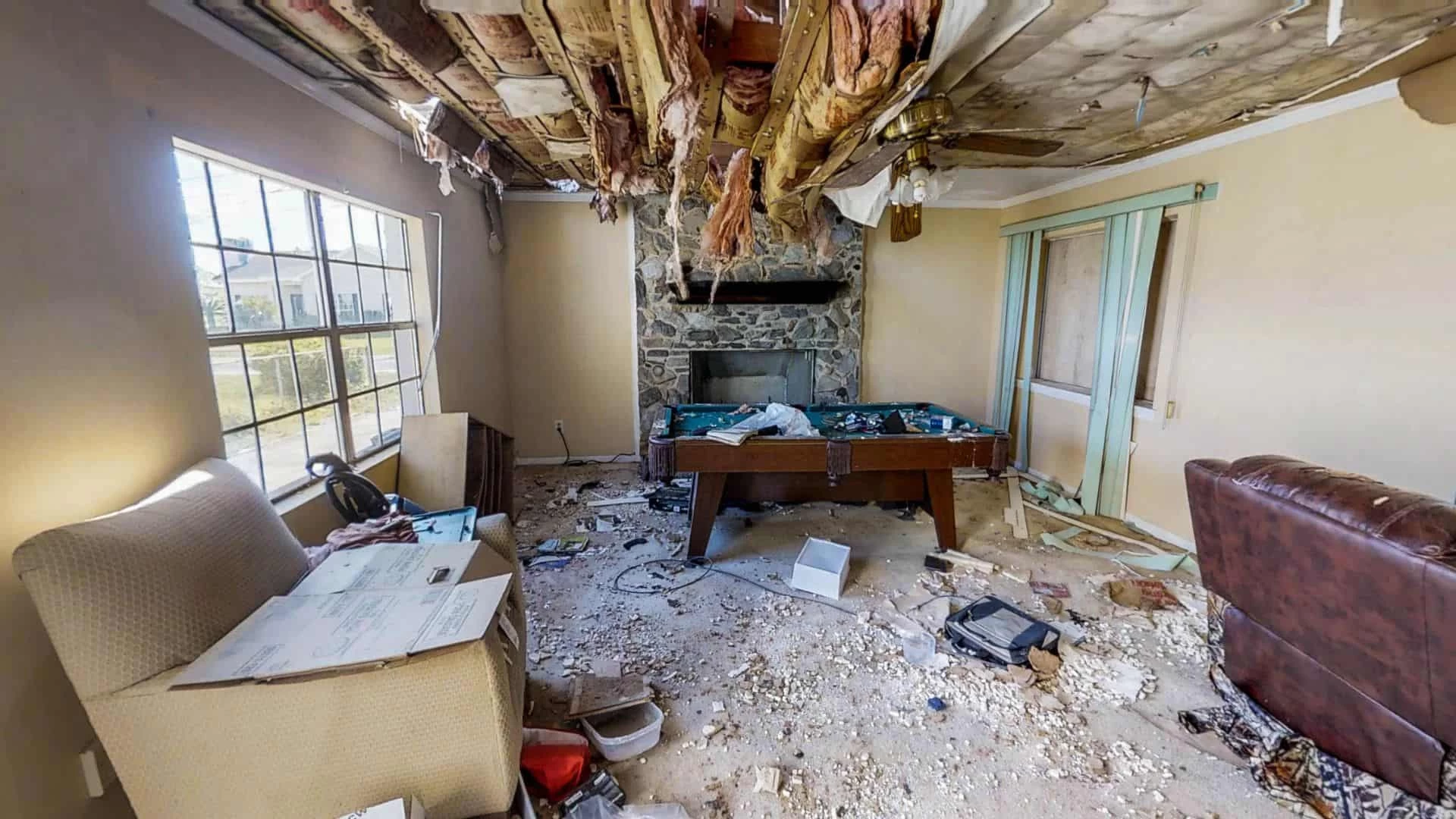
The visible water is the easy part. What stays behind soaked into the framing of a 1930s crawlspace, sitting inside a wall cavity under original plaster, quietly feeding mold in a corner you’ll never see that’s what turns a manageable problem into a much bigger one. Mold can start colonizing within 24 to 48 hours of water exposure. In Shoreham’s coastal environment, where humidity off Long Island Sound is already elevated year-round, that window closes faster than it does inland.
A large portion of homes in Shoreham were built before 1940 many as summer cottages that were later converted to year-round use. That means crawlspaces that weren’t designed for winter, plumbing that’s been in the walls for decades, and structural materials that absorb moisture quickly and dry slowly. When water gets into a home like that, surface drying isn’t enough. You need someone who understands what’s actually behind those walls and what it takes to get the structure genuinely dry.
That’s the difference between a home that’s restored and one that has a mold problem waiting six months down the road. We handle water extraction, structural drying, moisture mapping, and everything that follows including mold, asbestos, and lead if the work uncovers them so you’re not coordinating three different contractors while the damage keeps spreading.
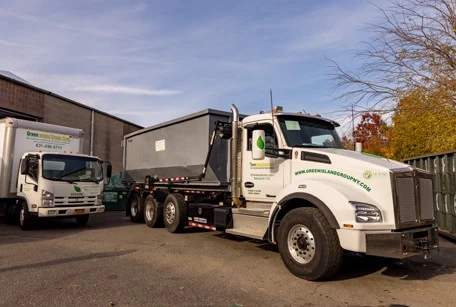
We’re a Long Island-based environmental and restoration company not a franchise, not a call center routing jobs to whoever’s available. When you call, you’re reaching a team that actually works on Long Island’s North Shore and knows what water damage looks like in the homes along Route 25A and the bluffs above the Sound in Shoreham.
What sets us apart in a community like Shoreham is the scope. Most restoration contractors handle the water and stop there. We’re licensed across water damage restoration, mold remediation, asbestos abatement, lead paint removal, and air quality testing. In a ZIP code where nearly two-thirds of the housing stock predates 1970, that matters. You shouldn’t have to call a second company when the work uncovers something in the walls.
Our reviews say it plainly people mention staff by name, describe honest conversations before any work was agreed to, and come back when something else comes up. That’s not an accident. It’s what happens when a company is genuinely accountable to the community it serves.
The first step is getting there fast and finding out what you’re actually dealing with. That means a thorough inspection not just of what’s visible, but of what the moisture meters and thermal imaging reveal inside walls, under floors, and in crawlspace framing. In Shoreham’s older homes, water travels. A burst pipe in a converted seasonal cottage can saturate subfloor joists and wall cavities that look completely dry from the surface. The inspection tells the real story.
Once the scope is clear, extraction and drying begin. We use commercial-grade equipment not the kind you rent from a hardware store that pulls moisture out of the structure, not just the air. Drying times vary depending on materials, but in a pre-war home with original hardwood floors and plaster walls, the process is monitored closely and adjusted as readings change. Nothing gets signed off until the moisture levels confirm the structure is genuinely dry.
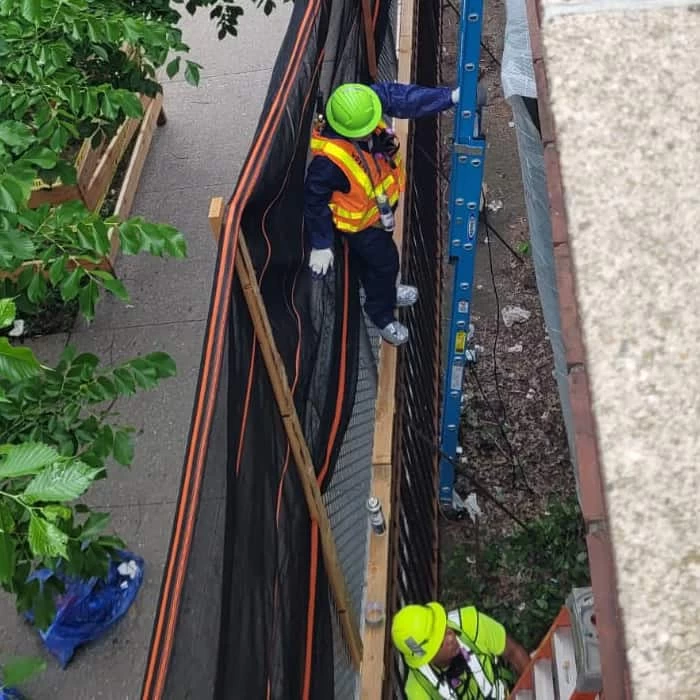
If the work uncovers asbestos-containing materials pipe insulation, floor tiles, ceiling texture or lead paint disturbed by the water or the demo, we handle that in-house under New York State licensing requirements. No stopping, no waiting for a second contractor to schedule an opening. Everything moves forward together, and you’re kept informed at every stage.
Built for North Shore Homes, Not Generic Checklists
Water damage restoration in Shoreham isn’t the same job it is in a newer suburban community. The homes here have history and that history comes with specific vulnerabilities. Crawlspaces without proper vapor barriers. Galvanized plumbing that’s been slowly corroding for decades. Seasonal construction that was never meant to handle a January nor’easter. Our approach accounts for all of it.
Every job includes moisture mapping with professional meters and thermal imaging, commercial extraction and structural drying, and a documented drying log that supports your insurance claim. We work directly with all major carriers and handle adjuster communication so you’re not fighting your own insurance company while your home is still wet. Shoreham homeowners many of whom carry both homeowners and flood policies given the coastal location have the right to choose their own restoration contractor. You don’t have to use whoever your insurer suggests.
For homes in the 11786 ZIP code where water damage has disturbed older building materials, we’re licensed to handle asbestos abatement and lead paint under New York State NYSDOL requirements. Air quality testing is available as a clearance step once remediation is complete. From the first call to the final clearance, it’s one company, one process, and one point of contact not a handoff chain.
How quickly can water damage restoration start for a Shoreham home?
We operate 24/7, which means you can reach a real person not a voicemail or a national call center any time a pipe bursts or a storm pushes water into your home. Response time matters more in water damage than almost any other home emergency. Every hour that passes allows moisture to move deeper into structural materials and brings you closer to the 24-to-48-hour window when mold can start taking hold.
For Shoreham specifically, the narrow wooded roads and village parking restrictions are something our crew accounts for when dispatching equipment. If your property is on or near the bluffs, or if access is limited by the terrain, that gets communicated upfront so the right equipment arrives on the first trip. The goal is to start extraction and drying as fast as possible not to schedule a consultation for three days from now.
Does homeowners insurance cover water damage restoration in Shoreham, NY?
It depends on the source of the water. Most standard homeowners policies cover sudden and accidental water damage a burst pipe, an appliance failure, a roof leak from a storm. What they typically don’t cover is flooding from an external source, like storm surge from Long Island Sound or groundwater coming up through the foundation. For that, you’d need a separate flood insurance policy through FEMA’s National Flood Insurance Program or a private carrier.
Given Shoreham’s location directly on the Sound, many homeowners here carry both. If you’re not sure what your policy covers, we can help you work through the documentation and communicate with your adjuster. We handle direct billing with all major carriers and document damage thoroughly from the start which makes a real difference when the claim is being reviewed. You also have the legal right in New York State to choose your own restoration contractor, regardless of who your insurer recommends.
What makes water damage in older Shoreham homes harder to restore than newer construction?
The age of the housing stock is the biggest factor. Homes built before 1940 and there are many in Shoreham were constructed with materials and methods that absorb moisture differently than modern construction. Original plaster walls, old-growth hardwood floors, and wood framing that’s been in place for 80-plus years all behave differently under moisture stress than drywall and engineered lumber. They can hold water longer, dry unevenly, and are more prone to warping and structural compromise if the drying process isn’t managed carefully.
There’s also the crawlspace factor. Many North Shore homes, including a significant number in Shoreham, have crawlspaces rather than full basements. Crawlspaces that lack proper vapor barriers and ventilation are already running at elevated moisture levels before any water event occurs the chronic humidity off Long Island Sound sees to that. When a water event adds to an already-saturated crawlspace environment, the drying process is more complex and takes longer. Professional moisture metering, not a visual check, is the only way to know when the job is actually done.
Should I be worried about mold after water damage in my Shoreham home?
Yes and the concern is legitimate. Mold can begin growing within 24 to 48 hours of water exposure under standard conditions. In Shoreham’s environment, where ambient humidity from Long Island Sound is chronically higher than it is inland, and where many homes have crawlspaces and older organic materials like wood framing and plaster that mold thrives on, that timeline can be even shorter.
The more important point is that mold doesn’t always show itself right away. It can establish in wall cavities, under flooring, and in crawlspace framing before it’s visible or detectable by smell. By the time you notice it, the remediation scope is larger and more expensive than it would have been with faster intervention. If your home has had any standing water or prolonged moisture exposure, a professional moisture assessment not just a visual inspection is the right next step. We offer mold remediation as part of the same process as water damage restoration, so if mold is found, you’re not starting over with a new contractor.
Can water damage in an old Shoreham home expose asbestos or lead paint?
It can, and in Shoreham it’s a realistic concern rather than a remote one. Approximately two-thirds of homes in the 11786 ZIP code were built before 1970 the era when asbestos was routinely used in pipe insulation, floor tiles, ceiling texture, and joint compound, and when lead paint was standard on interior woodwork and exterior surfaces. Water damage that requires demo work removing drywall, cutting into floors, exposing pipe runs can disturb these materials if they’re present.
The right response isn’t to ignore it or to assume the materials are fine. It’s to test before disturbing and to handle any confirmed hazardous materials under proper protocols. We’re licensed for asbestos abatement and lead paint work under New York State NYSDOL requirements, which means if the restoration work uncovers either material, it gets handled correctly in-house not set aside while you wait for a separate contractor. Air quality testing is available as a clearance step once the work is complete, which is particularly relevant for families with children in the Shoreham-Wading River school district who want confirmation before moving back into affected areas.
How do I know when my home is actually dry after water damage restoration?
You can’t know from a visual check alone and that’s the honest answer. Materials like wood framing, subfloor sheathing, and wall cavities can appear and feel dry on the surface while still holding significant moisture inside. The only way to confirm that a structure is genuinely dry is with calibrated moisture meters and, where appropriate, thermal imaging that reveals temperature differentials caused by retained moisture inside building assemblies.
We maintain a documented drying log throughout the process daily moisture readings at monitored points throughout the affected area. Drying is considered complete when readings reach the IICRC-standard acceptable range for each material type, not when the equipment has been running for a set number of days. This matters for two reasons: it protects you from a future mold problem caused by incomplete drying, and it gives you documentation that supports your insurance claim. In a Shoreham home with original hardwood floors, plaster walls, or a crawlspace with older framing, that documentation is worth keeping even after the job is done.