When Water Hits a 1950s Split-Level, Speed Matters More Than Anywhere Else
Shrub Oak’s older homes don’t forgive slow responses. When water gets into a 1950s split-level or a colonial built during the Sunnyside Estates era, the damage moves fast and so does mold. We respond 24/7 with the full capability to handle water damage restoration near Shrub Oak from the first call to the finished rebuild.
I needed a professional consultation explanation of procedure for safe removal of Asbestos in my apartment complex. Without having an account yet, I was very impressed with the caring, knowledgeable and generous advice offered by Jessica, and will look forward to doing business in the future. Thank you so much! I feel much more informed about a sometimes scary endeavor. Peace. Nancy Silva Mineola, NY.
Mia Munoz
Used this company to clean up some water flood in my house. They were fast and easy to work with.very professional, Would recommend to anyone!
Nini Valle
Great company, had a flood and they responded quickly and efficiently. Billed my insurance company directly. I highly recommend this company!
joe colapietro, jr
I had pipe freeze in my basement right before a snow storm and they made to within an hour to help start the clean up process. They we by our side throughout the entire process and even helped with the insurance company. They did such a great job with the cleanup, repair, remidiation, I contracted them to perform the repairs and finishes in the basement. They came with enough manpower and material to get the job done. Leo and Jessica were nothing but a pleasure to deal with!!
Cristian Arredondo c
I had some water damage in my home and Green Island was able to take care of my issue quickly and effectively. I am very pleased with the work they did. They responded quickly and were very professional.
Michael M
Outstanding service! From the office to the field crew everyone was friendly, helpful and responsive. I highly recommend Green Island Group.
Water Damage Restoration Services in Westchester County
Your Home Back to Normal Without the Runaround
A flooded basement or burst pipe is already stressful enough. What makes it worse is calling a company that handles the water extraction, then hands you off to someone else for mold, and someone else again for reconstruction. By the time you’ve coordinated three contractors, weeks have passed and the damage has compounded. That’s not how this works with us.
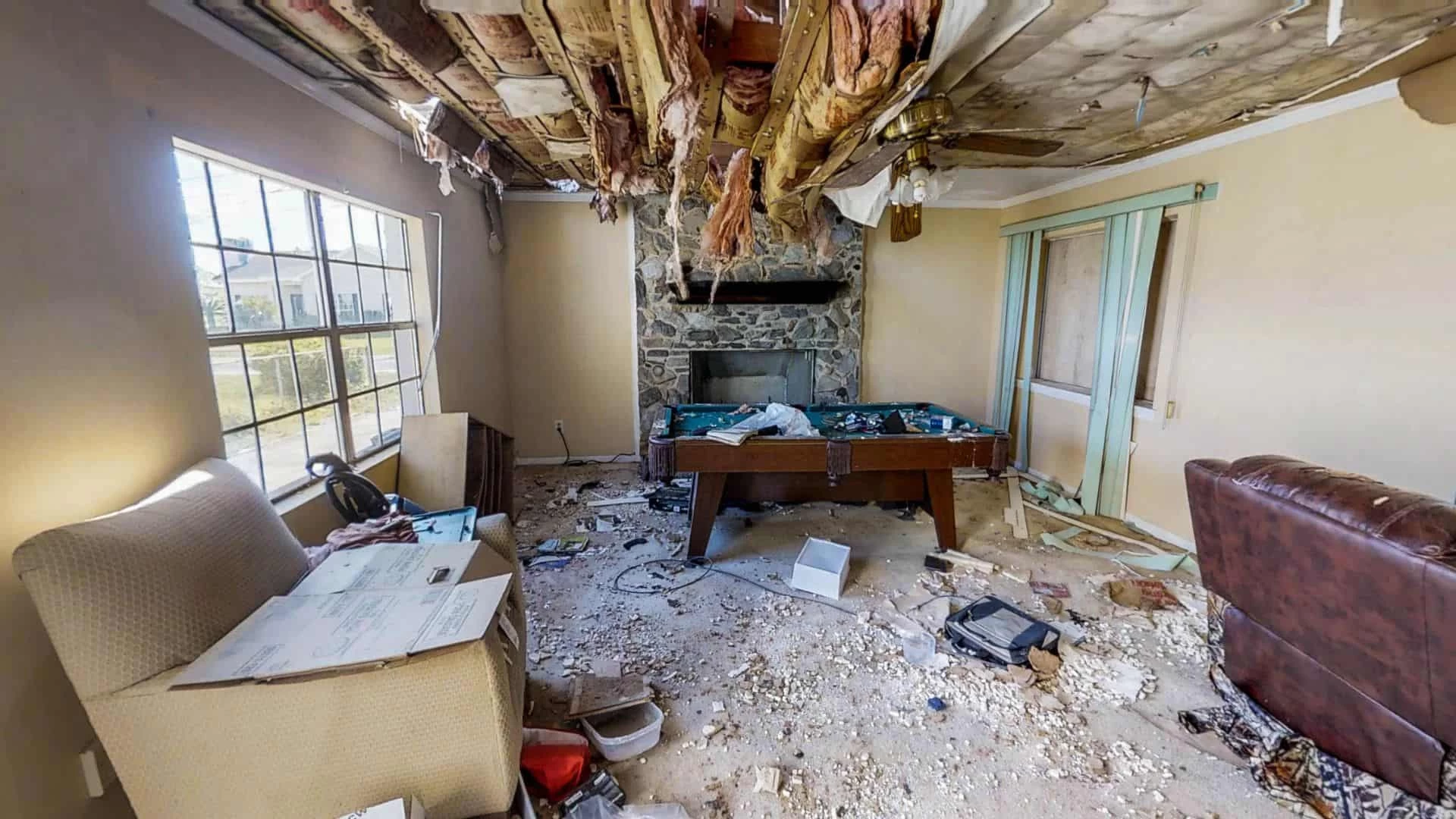
Shrub Oak’s housing stock is a big part of why full-service restoration matters here specifically. A large share of homes in this hamlet were built between the 1940s and 1970s the Sunnyside Estates era with original plumbing, stone or poured concrete foundations, and materials that were standard at the time but are now well past their service life. When water hits plaster walls or original wood framing in a Shrub Oak home like that, it doesn’t just sit on the surface. It absorbs deep, and it creates the exact conditions mold needs to take hold within 24 to 48 hours.
The other reality for pre-1980 homes in Shrub Oak is asbestos. Floor tiles, pipe insulation, and ceiling materials in homes built before 1980 commonly contain it. When a water event disturbs those materials, New York State law requires licensed abatement before restoration work can continue. Most water damage companies can’t do that in-house which means a stop-work gap that costs you time and money. We handle abatement directly, so the job keeps moving from day one.
Water Damage Restoration Company near Shrub Oak, NY
12 Years Serving Shrub Oak and Westchester We Still Answer the Phone at 2 A.M.
We’ve been doing this work for over 12 years across Westchester and Putnam County. That means real familiarity with Shrub Oak specifically the low-lying areas near the Taconic State Parkway, the drainage patterns in the older Sunnyside Estates neighborhoods, and the basement vulnerability of split-level homes that make up a significant portion of Shrub Oak’s residential streets.
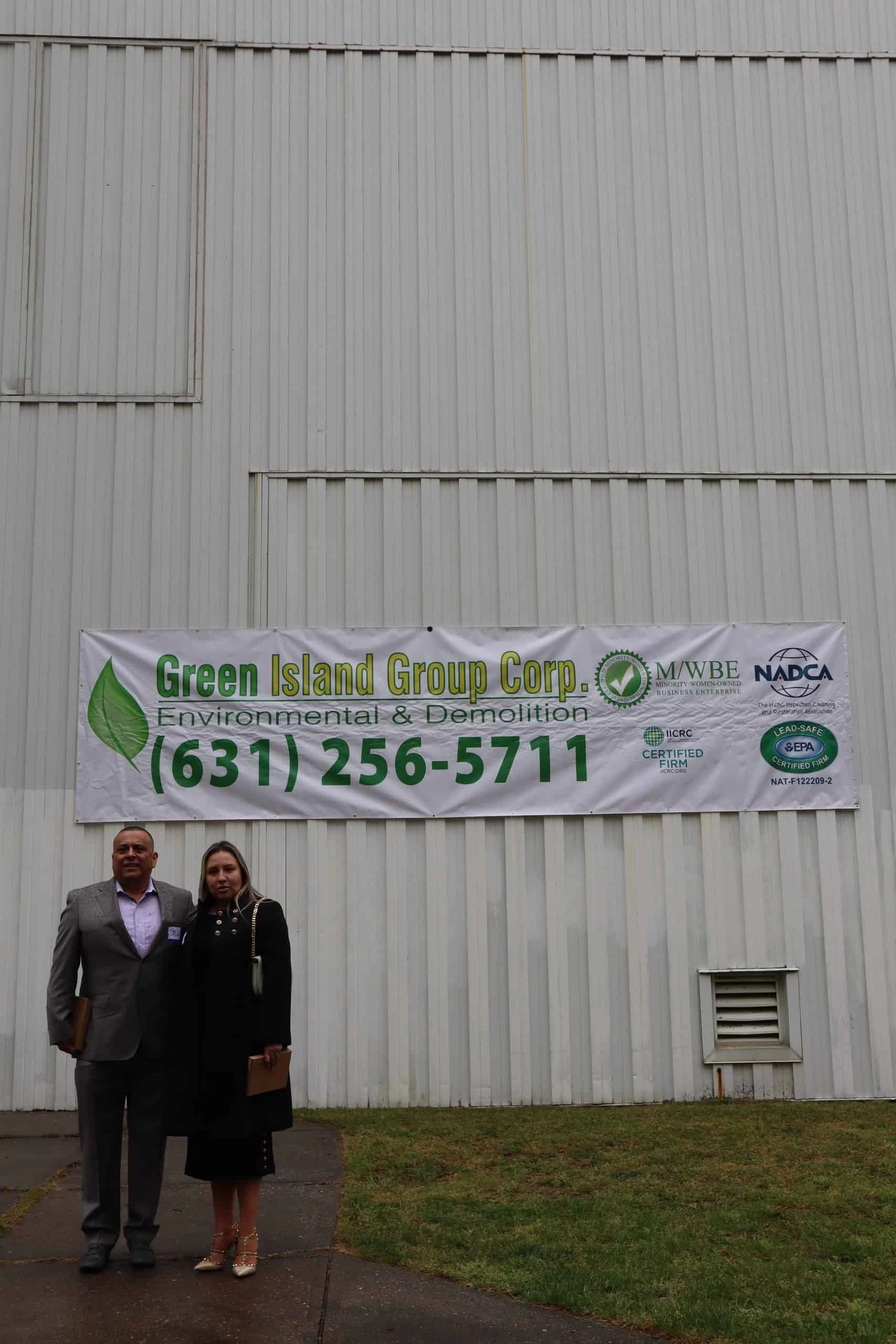
We hold NYS and NYC M/WBE certification, are IICRC-certified, and carry full liability and workers’ compensation insurance. Those aren’t just credentials to list they’re the baseline that protects you when someone is working inside your home. We also work directly with insurance companies, handling the documentation and adjuster communication so you don’t have to become your own claims manager while your basement is still wet.
The 100% satisfaction guarantee isn’t a formality either. In a community like Shrub Oak, reputation is everything. The job isn’t done until you say it is.
Emergency Water Removal and Restoration Process near Shrub Oak
From the First Call to the Last Nail Here's What to Expect
When you call, you reach a live person. Not a voicemail, not a call center routing you to a crew three states away. A team gets dispatched to your Shrub Oak address, and the first thing we do on arrival is assess the full scope moisture mapping, material testing if the home is pre-1980, and a clear picture of what’s affected and what isn’t.
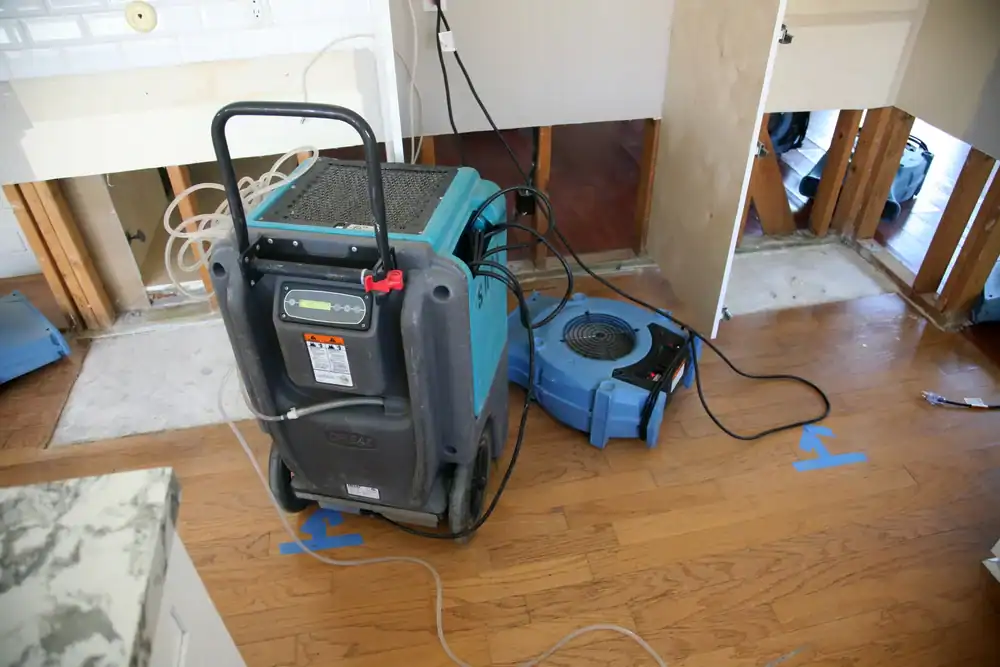
From there, water extraction and structural drying begin immediately. Industrial-grade equipment pulls moisture from walls, flooring, and framing, and air movers and dehumidifiers run until moisture readings confirm the structure is dry not just surface dry. For older homes in Shrub Oak with plaster walls and original wood framing, that drying process takes longer than it does in newer construction, and we account for that rather than rushing past it.
Once the structure is dry and any required abatement work is complete, reconstruction begins. Because we handle the full scope in-house, there’s no handoff delay between phases. All work that requires a Town of Yorktown building permit is coordinated properly inspections, documentation, and sign-off included. By the end, your home is back to pre-loss condition, and you have the paperwork your insurance company needs to close the claim.
One Company Handles Everything Extraction to Rebuild
Water damage restoration with us covers the complete scope: emergency water extraction, structural drying, mold remediation, asbestos abatement for pre-1980 homes, and full reconstruction back to pre-loss condition. For Shrub Oak homeowners, that last piece asbestos abatement is not a rare edge case. It’s a practical reality for a large portion of the hamlet’s housing stock, and having it handled in-house eliminates the gap that slows most restoration jobs down.
The financing option is worth understanding clearly. We offer up to $200,000 at 0% APR, which means you can authorize the full scope of work immediately before the insurance check arrives without tying up your own capital. For a restoration project that can run anywhere from $20,000 to $80,000 or more depending on the extent of damage and whether abatement is required, that flexibility is genuinely useful. It’s not a last resort it’s a smart way to move fast when timing matters most.
Every job also includes direct insurance coordination. We document the damage, prepare the scope-of-loss report, and communicate with your adjuster throughout the process. Shrub Oak’s median property tax bill exceeds $10,000 a year these are homeowners who understand the cost of maintaining older properties and who deserve a restoration company that handles the insurance side professionally, not one that leaves that burden entirely on you.
How quickly can water damage lead to mold in a Shrub Oak home?
Mold can begin growing on wet building materials within 24 to 48 hours of a water event and in Shrub Oak’s older homes, that window is even more critical. Homes built during the Sunnyside Estates era in the 1940s through 1960s typically have plaster walls and original wood framing, both of which absorb moisture more deeply than modern drywall. That deeper absorption means moisture lingers longer inside the wall cavity, even after the surface appears dry, creating ideal conditions for mold to take hold where you can’t see it.
This is why response time matters as much as it does. Waiting even a few hours to make calls or get quotes can push you past the window where drying alone solves the problem. If mold has already begun, the scope of the job and the cost increases significantly. Getting a team on-site the same day, with moisture mapping equipment that shows what’s actually happening inside the walls, is the difference between a drying job and a full mold remediation.
Does homeowners insurance cover water damage restoration in Shrub Oak, NY?
It depends on the source of the water, and the distinction matters more than most people realize. Sudden, accidental water damage like a burst pipe or an appliance failure is typically covered under a standard homeowners policy. Gradual damage from a slow leak that went unaddressed, or flooding from an external source like storm runoff, is usually not covered under standard coverage and requires a separate flood insurance policy.
For Shrub Oak homeowners, this is a relevant distinction because the hamlet has documented flooding history. The storm that flooded the Par 3 Golf Course at Valley Fields and affected residential properties in the area means many residents in Shrub Oak have experienced or are aware of the risk. If your basement took on water during a storm event rather than from an internal plumbing failure, the coverage question gets more complicated. We work directly with insurance companies and can help you understand what’s likely covered based on the cause and document the damage in the way adjusters need to see it. That documentation process is something most homeowners aren’t equipped to handle on their own, and getting it wrong can cost you a significant portion of your claim.
My Shrub Oak home was built in the 1960s do I need asbestos testing before restoration work starts?
If your home was built before 1980, testing is strongly recommended before any restoration work begins and in many cases, New York State regulations require it. Asbestos-containing materials were commonly used in residential construction through the late 1970s, including floor tiles, pipe insulation, ceiling tiles, and joint compound. These materials are not necessarily dangerous when left undisturbed, but a water damage event can disturb them and once that happens, you’re in regulated territory.
In Shrub Oak, where a substantial portion of the housing stock dates to the 1940s through 1970s, this comes up regularly. If asbestos-containing materials are found during the assessment, New York State law requires licensed abatement before restoration work can continue. We handle abatement in-house, which means no stop-work gap while you search for a separate abatement contractor. The assessment happens at the start of the job, the abatement is completed under proper protocol, and restoration proceeds without the delay that typically derails timelines when two separate companies are involved.
What's the difference between water mitigation and full water damage restoration?
Water mitigation refers to the emergency phase stopping the damage from getting worse. That includes water extraction, structural drying, and mold prevention measures. A lot of companies stop there and consider the job done. What you’re left with is a dry but unfinished space: missing drywall, exposed framing, pulled-up flooring, and a home that isn’t livable in the affected area.
Full water damage restoration takes the job through to completion rebuilding and restoring the affected areas back to pre-loss condition. That means replacing the drywall, reinstalling flooring, repainting, and returning the space to the way it was before the event. For Shrub Oak homeowners dealing with a flooded lower level in a split-level home a very common scenario given the hamlet’s housing stock that rebuild phase is often just as significant as the mitigation phase. We handle both under one roof, which means one point of contact, one consistent crew, and one warranty covering the entire scope of work.
How does the 0% APR financing work for water damage restoration jobs?
The financing is straightforward: we offer up to $200,000 at 0% APR, which means you can fund the full scope of the restoration job extraction, drying, abatement if needed, and complete reconstruction without paying interest. The practical reason this matters is timing. Insurance claims take time to process and pay out, but the restoration work needs to start immediately. Waiting for the insurance check before authorizing work is one of the most common ways water damage turns into a much larger and more expensive problem.
For Shrub Oak homeowners, where restoration projects on older homes can realistically run $20,000 to $80,000 or more depending on scope, this financing option means you’re not choosing between moving fast and managing your cash flow. You authorize the work, the team starts immediately, and you’re not paying interest while the claim resolves. It’s a practical tool for a situation where timing directly affects outcome.
How do I find a legitimate water damage restoration company near Shrub Oak, NY?
The short answer is to look past the first few search results carefully. Shrub Oak’s local search results for water damage restoration include several websites that appear local but are actually national lead-generation sites or template spam pages with out-of-state phone numbers you call, and the crew that shows up has no familiarity with Westchester County, Yorktown’s permit process, or the specific conditions of the home in front of them.
What separates a legitimate restoration company from a lead-gen operation is verifiable credentials and documented local history. IICRC certification means the technicians have been trained and tested on actual restoration science not just equipped with a wet vac and a dehumidifier. NYS contractor licensing, full liability insurance, and workers’ compensation coverage protect you if something goes wrong on your property. And a company that can name the Town of Yorktown’s building permit process, understands that many Shrub Oak homes require asbestos testing before work begins, and has been operating in Westchester and Putnam County for over 12 years is a company that will still be reachable after the job is done. That track record is worth more than a low quote from a company you can’t verify.