When the Hudson River and the Pocantico Don't Wait, Neither Do We
Sleepy Hollow’s waterfront location means water damage hits fast and hides longer we respond 24/7 and handle everything from extraction to full reconstruction.
I needed a professional consultation explanation of procedure for safe removal of Asbestos in my apartment complex. Without having an account yet, I was very impressed with the caring, knowledgeable and generous advice offered by Jessica, and will look forward to doing business in the future. Thank you so much! I feel much more informed about a sometimes scary endeavor. Peace. Nancy Silva Mineola, NY.
Mia Munoz
Used this company to clean up some water flood in my house. They were fast and easy to work with.very professional, Would recommend to anyone!
Nini Valle
Great company, had a flood and they responded quickly and efficiently. Billed my insurance company directly. I highly recommend this company!
joe colapietro, jr
I had pipe freeze in my basement right before a snow storm and they made to within an hour to help start the clean up process. They we by our side throughout the entire process and even helped with the insurance company. They did such a great job with the cleanup, repair, remidiation, I contracted them to perform the repairs and finishes in the basement. They came with enough manpower and material to get the job done. Leo and Jessica were nothing but a pleasure to deal with!!
Cristian Arredondo c
I had some water damage in my home and Green Island was able to take care of my issue quickly and effectively. I am very pleased with the work they did. They responded quickly and were very professional.
Michael M
Outstanding service! From the office to the field crew everyone was friendly, helpful and responsive. I highly recommend Green Island Group.
Your Sleepy Hollow Home Dry, Safe, and Back to Normal
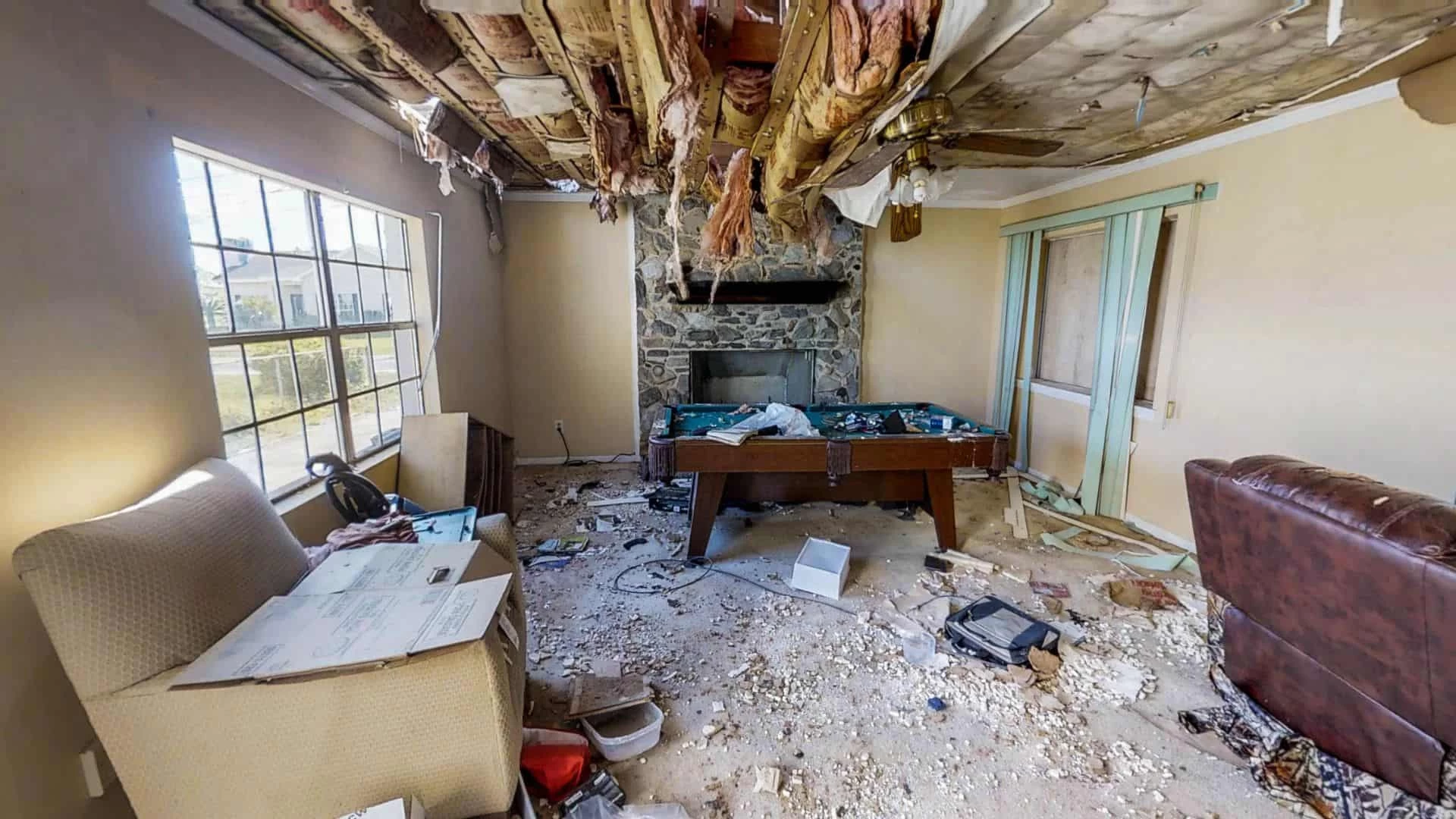
When water gets into your home, the clock starts immediately. Mold can begin growing inside walls, under floors, and behind baseboards within 24 to 48 hours of water intrusion and in Sleepy Hollow’s humid Hudson River microclimate, that window shrinks even further during the warmer months. What looks like a manageable leak on Monday can become a full mold remediation project by Wednesday if it isn’t addressed with the right equipment and the right process from the start.
For homeowners in Philipse Manor or along the Pocantico River corridor, water damage isn’t always a one-source problem. You’re dealing with a tidal river, an aging watershed, and in many cases, a home that was built over a century ago with original plumbing that was never designed to handle the demands of a modern household. When water finds its way in whether from a storm surge, a burst pipe in an uninsulated wall, or a backed-up drain it travels fast through old plaster, original hardwood, and decades of building materials stacked on top of each other.
What you get when the job is done right isn’t just a dry house. It’s the confidence that the moisture is actually gone not just on the surface, but inside the wall cavity, beneath the subfloor, and anywhere else it traveled before you noticed it. No hidden mold. No structural damage waiting to show up six months later. Just a home that’s genuinely restored.
Water Damage Restoration Company Sleepy Hollow, NY
Over a Decade Serving Sleepy Hollow Homeowners With Every Credential Earned
We’ve been handling water damage, mold remediation, and full-scale restoration for over 12 years, with deep roots in the Sleepy Hollow area. Our team is IICRC-certified, fully insured with both liability and workers’ compensation coverage, and holds NYS and NYC M/WBE certification credentials that aren’t self-declared, they’re government-verified. When you let someone into your home during a crisis, that distinction matters.
We work directly with insurance carriers and bill them on your behalf, which means you’re not stuck playing middleman between your adjuster and your contractor while water is still sitting in your basement. For Sleepy Hollow homeowners navigating both standard homeowners insurance and NFIP flood coverage which applies to external flooding from sources like the Hudson River or the Pocantico that kind of direct handling takes a significant weight off your plate.
We also carry financing up to $200,000 at 0% APR. For a village as economically mixed as Sleepy Hollow, where a Beekman Avenue household didn’t budget for a $20,000 emergency, that option means remediation can start before mold does without draining savings or putting a crisis bill on a high-interest card.
Emergency Water Removal Services Sleepy Hollow, NY
From Your First Call to a Fully Restored Sleepy Hollow Home
It starts with a call any hour, any day. We dispatch a crew to your location in Sleepy Hollow, and the first thing that happens on-site is a full assessment. That means moisture mapping, thermal imaging where needed, and a clear picture of how far the water actually traveled. In older homes and Sleepy Hollow has plenty of them, from the 1910-era Philipse Manor properties to the 1920s and 1930s construction in Sleepy Hollow Manor water moves through building materials differently than it does in newer construction. Old plaster absorbs differently than drywall. Original hardwood holds moisture in ways that aren’t always visible from the surface. The assessment accounts for all of that before any equipment goes down.
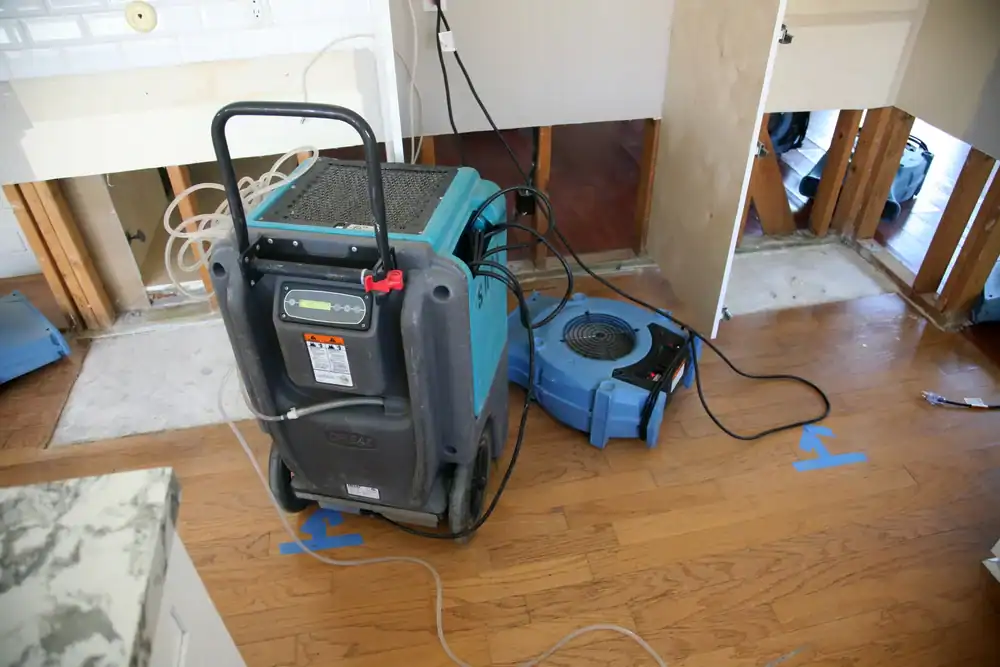
Once the scope is clear, extraction and structural drying begin. We deploy industrial-grade dehumidifiers, air movers, and drying equipment based on the specific materials and conditions in your home not a one-size approach. If the assessment reveals materials that may contain asbestos (common in pre-1980 Westchester County homes), that gets flagged and handled in-house before any demolition or opening of walls begins. That’s part of the process, and it keeps your restoration compliant with New York State Department of Labor regulations for asbestos abatement.
After drying is confirmed not assumed, confirmed with moisture readings reconstruction begins. Damaged drywall, flooring, framing, and finishes are restored to pre-loss condition. One company, one scope, start to finish. If permits are required through the Village of Sleepy Hollow Building Department, particularly for properties in designated FEMA Special Flood Hazard Areas, that gets handled as part of the job.
Water Damage Restoration Services Near Sleepy Hollow
Full Restoration, Not Just Drying Equipment and a Handoff
Most restoration companies do the mitigation they extract the water, run the drying equipment for a few days, and hand you off to a general contractor for everything that comes next. We cover the entire scope: water extraction, structural drying, mold remediation, asbestos abatement if needed, and full reconstruction. That matters most when the damage is significant, because coordinating between two or three different contractors while you’re displaced from your home is its own kind of problem.
For Sleepy Hollow specifically, our service accounts for conditions that are unique to this area. Homes in the Philipse Manor and Sleepy Hollow Manor neighborhoods were built between 1910 and the 1940s, which means the restoration work often involves original materials, aging infrastructure, and the real possibility of hazardous materials beneath the surface. We know what to look for and how to handle it without stopping the job and leaving you in limbo. For properties near the Pocantico River or the Edge-on-Hudson waterfront, where FEMA flood zone designations apply under Community Number 361515, the work is also done with awareness of local floodplain management requirements that govern reconstruction in those areas.
Our 100% satisfaction guarantee isn’t a tagline. It means if the outcome doesn’t meet expectations, we stand behind it fully insured, fully accountable, and not going anywhere.
Does homeowners insurance cover water damage from a burst pipe in Sleepy Hollow?
In most cases, yes standard homeowners insurance covers sudden and accidental water damage, which includes burst pipes, appliance failures, and overflow from fixtures inside the home. The key word is sudden. If the damage resulted from a slow leak that went unaddressed for weeks or months, insurers will often argue it was a maintenance issue and deny the claim. Documentation matters here, and the sooner you call us, the cleaner your claim timeline looks.
What gets more complicated in Sleepy Hollow is when the water source is external flooding from the Hudson River, storm surge pushing back through the municipal drain system, or overflow from the Pocantico River. Standard homeowners insurance does not cover that. That falls under the National Flood Insurance Program, which is a separate policy. Many Sleepy Hollow homeowners near the Philipse Manor corridor or the waterfront carry both, but not everyone knows which one applies in a given situation. We bill insurance directly and can help you understand which coverage is in play before the paperwork starts.
How quickly does mold start growing after water damage in my Sleepy Hollow home?
Mold can begin colonizing wet building materials within 24 to 48 hours of water intrusion and that’s under average conditions. In Sleepy Hollow, the Hudson River microclimate means ambient humidity is elevated year-round, and during the summer months, warm and humid indoor conditions after a water event can compress that window significantly. The biology is straightforward: mold spores need moisture, warmth, and organic material to colonize, and Sleepy Hollow’s waterfront location provides all three.
The bigger issue is that mold doesn’t always grow where you can see it. It colonizes inside wall cavities, beneath subfloors, and behind baseboards places that look fine from the outside but are actively developing a problem. By the time you smell it or see discoloration on a surface, the colony is already established. That’s why response time matters so much. A job that’s addressed within hours is a drying and extraction job. The same job addressed four days later may also be a mold remediation job which means more time, more disruption, and a larger bill.
What's the difference between water mitigation and full water damage restoration?
Water mitigation is the emergency phase extracting standing water, deploying drying equipment, and stopping the damage from spreading further. It’s critical, and it has to happen fast. But mitigation alone doesn’t restore your home. Once the water is out and the structure is dry, you’re still left with damaged drywall, ruined flooring, compromised framing, and whatever else the water affected on its way through. That’s the restoration phase the rebuilding.
A lot of companies in the Westchester County market handle mitigation and then hand you off to someone else for reconstruction. That creates a gap in accountability and adds weeks to your timeline while you find a general contractor, get estimates, and coordinate schedules. We handle both phases under one roof, which means the transition from drying to rebuilding is seamless. For older Sleepy Hollow homes where water damage often reveals layers of deferred maintenance or unexpected materials, having one company manage the full scope prevents the kind of mid-project surprises that derail timelines and budgets.
Should I be worried about asbestos if my Sleepy Hollow home was built before 1980?
It’s a legitimate concern and one worth taking seriously. Homes built before 1980 which describes a large portion of Sleepy Hollow’s housing stock, including the entire Philipse Manor neighborhood and most of Sleepy Hollow Manor frequently contain asbestos in pipe insulation, floor tiles, ceiling tiles, joint compound, and roofing materials. Under normal conditions, asbestos in intact materials isn’t an immediate health risk. The problem arises during restoration work, when walls are opened, floors are pulled up, or pipe insulation is disturbed.
New York State Department of Labor regulations require that any asbestos abatement work be performed by a licensed contractor. If a restoration company opens a wall in a pre-1980 home and encounters asbestos-containing materials without the proper licensing and protocols, the job has to stop and you’re now coordinating a separate abatement contractor before restoration can continue. We have in-house asbestos abatement capability, which means if it comes up during your restoration, it’s handled within the same project scope, by the same team, without stopping the clock on your recovery.
How does Green Island Group handle the insurance claim process for water damage?
We bill insurance directly, which means you’re not the one managing back-and-forth between your adjuster and your contractor. We document the damage thoroughly with photos, moisture readings, and a detailed scope of work and submit that documentation to your carrier as part of the claims process. That documentation is also what protects you if the insurance company pushes back on the scope or tries to minimize the payout.
For Sleepy Hollow homeowners, the insurance picture can be more layered than in inland towns. If the damage came from an external flood source the Hudson River, storm surge through the municipal system, or the Pocantico River overflowing its banks that’s typically an NFIP flood insurance claim, not a standard homeowners claim. The two policies have different processes, different adjusters, and different coverage limits. If you’re not sure which one applies, or whether you even have flood coverage, that’s a conversation worth having before you assume everything is covered. We can help you work through that at the start of the job.
Does Green Island Group serve the Philipse Manor neighborhood and other parts of Sleepy Hollow?
Yes we serve all of Sleepy Hollow, including Philipse Manor, Sleepy Hollow Manor, the Beekman Avenue corridor, and the newer Edge-on-Hudson waterfront development. Philipse Manor is one of the areas where we’re most frequently called, and for good reason. The neighborhood’s homes date to around 1910, sit in close proximity to the tidal lower section of the Pocantico River, and carry all the infrastructure realities that come with 100-plus years of age original plumbing, older drainage, and building materials that weren’t designed with modern moisture loads in mind.
The Edge-on-Hudson properties present a different profile. New construction, but on a low-lying waterfront site that the village itself has documented as flood-prone. New homeowners there may not fully understand their compound flood exposure yet and the first major storm event tends to be a fast education. Wherever you are in Sleepy Hollow, the response is the same: 24/7 availability, IICRC-certified technicians, direct insurance billing, and a full-service scope that doesn’t leave you managing two contractors when you’re already managing a crisis.