When Your 1940s Basement Floods, Every Hour Costs You
South Farmingdale’s flat terrain and aging housing stock don’t forgive slow responses. We deliver fast, thorough water damage restoration before the clock runs out on hidden mold.
I needed a professional consultation explanation of procedure for safe removal of Asbestos in my apartment complex. Without having an account yet, I was very impressed with the caring, knowledgeable and generous advice offered by Jessica, and will look forward to doing business in the future. Thank you so much! I feel much more informed about a sometimes scary endeavor. Peace. Nancy Silva Mineola, NY.
Mia Munoz
Used this company to clean up some water flood in my house. They were fast and easy to work with.very professional, Would recommend to anyone!
Nini Valle
Great company, had a flood and they responded quickly and efficiently. Billed my insurance company directly. I highly recommend this company!
joe colapietro, jr
I had pipe freeze in my basement right before a snow storm and they made to within an hour to help start the clean up process. They we by our side throughout the entire process and even helped with the insurance company. They did such a great job with the cleanup, repair, remidiation, I contracted them to perform the repairs and finishes in the basement. They came with enough manpower and material to get the job done. Leo and Jessica were nothing but a pleasure to deal with!!
Cristian Arredondo c
I had some water damage in my home and Green Island was able to take care of my issue quickly and effectively. I am very pleased with the work they did. They responded quickly and were very professional.
Michael M
Outstanding service! From the office to the field crew everyone was friendly, helpful and responsive. I highly recommend Green Island Group.
When water gets into a South Farmingdale home, it doesn’t stay where you can see it. It spreads across the flat slab, wicks into plaster walls, saturates wood framing, and hides under flooring — all before you’ve even called anyone. The homes throughout this area were mostly built in the 1940s, and those older wall assemblies and foundation configurations hold moisture in ways that newer construction simply doesn’t. What looks dry on the surface often isn’t.
The outcome you actually want isn’t just a dry floor. It’s confirmation — with thermal imaging and moisture readings — that nothing is hiding inside your walls waiting to become a mold problem three weeks from now. It’s a completed insurance claim that reflects the real scope of the damage, not a lowball settlement. It’s knowing the crew that started the job is the same one finishing it, and that someone with a direct number is accountable to you throughout.
South Farmingdale sits between the Massapequa Creek and Seaford Creek drainage areas on a glacial outwash plain with almost no natural gradient. When a nor’easter hits or a sump pump fails during a power outage, water accumulates fast and spreads faster. Getting the right team in quickly isn’t just better — in this geography, it’s the difference between a contained restoration and a full gut job.
Local Knowledge That Franchise Companies Simply Don't Have
We’re a Long Island-based water restoration company — 631 area code, real crews, no call center routing your emergency to whoever’s available three towns over. When you call, you reach someone who knows what the Southern State Parkway looks like at 6am and what a 1940s ranch home in South Farmingdale looks like when groundwater has been sitting under the subfloor for twelve hours.
We work throughout Nassau and Suffolk counties, and the South Farmingdale area is familiar territory. The housing stock here — Cape Cods, ranches, hi-ranches built decades ago — presents specific challenges that require specific knowledge. Old plaster walls behave differently than drywall. Galvanized pipes fail differently than copper. Foundations from that era weren’t built with modern waterproofing in mind.
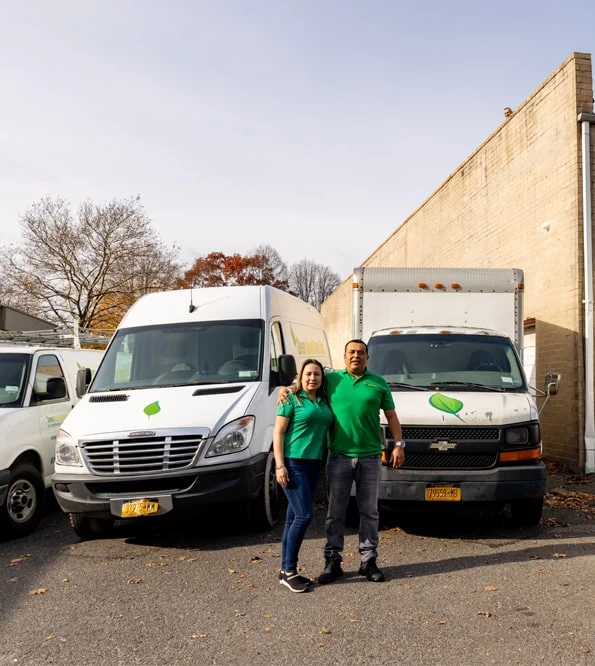
Every job is handled by the same crew from start to finish, with one project manager you can reach directly. No subcontractors showing up on day three who’ve never spoken to the technician who was there on day one. That’s just how a locally-run operation works when the owner is accountable to the community we serve.
Emergency Water Damage Service South Farmingdale, NY
What Actually Happens From Your First Call to Final Walkthrough
The first call sets everything in motion. You describe what you’re dealing with — flooded basement, burst pipe, water coming through the ceiling — and we dispatch a crew immediately. Response time matters here more than it does in a lot of other areas. South Farmingdale’s flat outwash plain means water spreads laterally across a basement floor almost immediately, and in a ranch-style home, that can mean the entire living level is at risk before the damage is even visible upstairs.
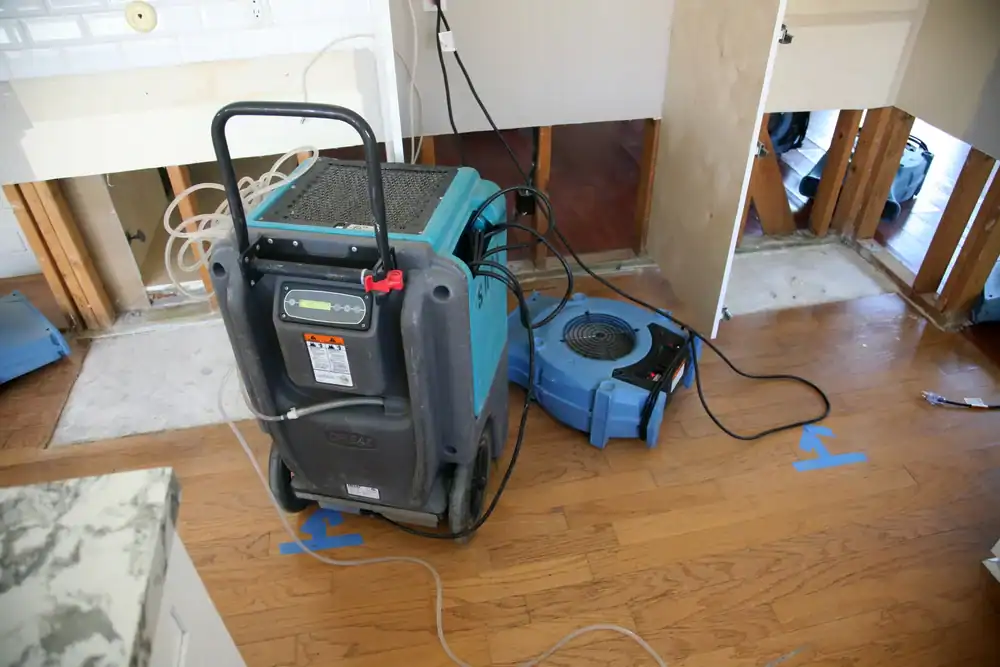
When our crew arrives, the first priority is stopping the source and extracting standing water. From there, the process moves into drying and dehumidification — and this is where the work gets more involved than most people expect. Industrial air movers and dehumidifiers run continuously, sometimes for several days, depending on how far moisture has migrated into wall cavities and subfloor materials. Thermal imaging cameras are used throughout to map moisture that can’t be seen with the naked eye. In a home with plaster walls over wood lath — common throughout South Farmingdale — this step is non-negotiable.
Once drying is confirmed with moisture meter readings, the documentation phase begins. Every affected area is photographed, measured, and logged in a format that insurance adjusters recognize and accept. If the restoration involves structural repairs — anything that touches framing, electrical, or plumbing — we file the necessary permits through the Town of Oyster Bay Building Department. You don’t have to manage that process. That’s part of the job.
Water Damage Restoration Service South Farmingdale, NY
What's Included When South Farmingdale Calls Us
Water damage restoration isn’t one thing — it’s a sequence of connected steps that have to be done in the right order to actually work. Emergency water extraction removes the standing water. Structural drying addresses the moisture that’s already migrated into materials. Moisture mapping confirms that drying is complete before any reconstruction begins. And mold remediation — when it’s needed — is handled under New York State’s Mold Law, which requires separate licensing for assessment and remediation work. We hold both licenses. Not every company advertising in the 11735 ZIP code does.
For South Farmingdale homeowners, the insurance piece is often where the process gets complicated. Nassau County insurance adjusters are experienced, and they know how to minimize a payout if the documentation isn’t thorough. We handle all communication with your carrier — Allstate, State Farm, and all major providers serving this area — and submit documentation that reflects the actual scope of damage, not the minimum they can get away with approving.
Our service also accounts for what’s specific to homes in this area. Older foundations common throughout South Farmingdale are assessed for long-term waterproofing needs after restoration is complete. Homes near the lower-lying corridors along Massapequa Creek and Seaford Creek may face recurring groundwater risk, and that context shapes the recommendations that come out of the final walkthrough. You leave the job knowing what was done, why it was done, and what — if anything — needs attention before the next nor’easter rolls through.
How quickly can water damage cause mold in a South Farmingdale home?
Mold can begin growing within 24 to 48 hours of water intrusion — and in South Farmingdale’s humid summer months, that window can feel even shorter. The South Shore of Long Island carries elevated ambient moisture levels, and when you combine that with the older wall assemblies common in 1940s-era homes throughout this area, you have conditions where mold establishes itself quickly inside wall cavities and under flooring, well before it’s visible on any surface.
This is why response time isn’t just a convenience factor — it’s a health and structural issue. A flooded basement that gets addressed within a few hours has a fundamentally different outcome than one that sits overnight while you wait for a callback. The goal isn’t just to dry what you can see. It’s to get moisture readings down throughout the entire affected area before the mold clock runs out. That’s what thermal imaging and continuous dehumidification are for, and it’s why those steps are part of every job regardless of how minor the damage looks at first.
Does homeowners insurance cover basement flooding and water damage repair costs?
It depends on the cause, and the distinction matters. Standard homeowners insurance in Nassau County typically covers water damage from sudden and accidental causes — a burst pipe, a washing machine overflow, a water heater failure. What it generally does not cover is flooding from external groundwater, which is a separate flood insurance product. For South Farmingdale homeowners, this is a relevant distinction: if your basement flooded because a sump pump failed during a storm, that’s usually covered under your standard policy. If groundwater seeped in because the water table rose, that may require flood coverage.
The claims process itself is where a lot of homeowners run into trouble. Insurance companies require specific documentation — scope of damage, moisture readings, drying logs, photographic evidence — and adjusters are trained to work with what they’re given. If the documentation is incomplete or doesn’t follow the formats carriers use, the payout reflects that. We handle the documentation and communicate directly with your carrier from the start, which typically results in more complete settlements and fewer disputes about what’s covered.
What should I do immediately after discovering water damage in my home?
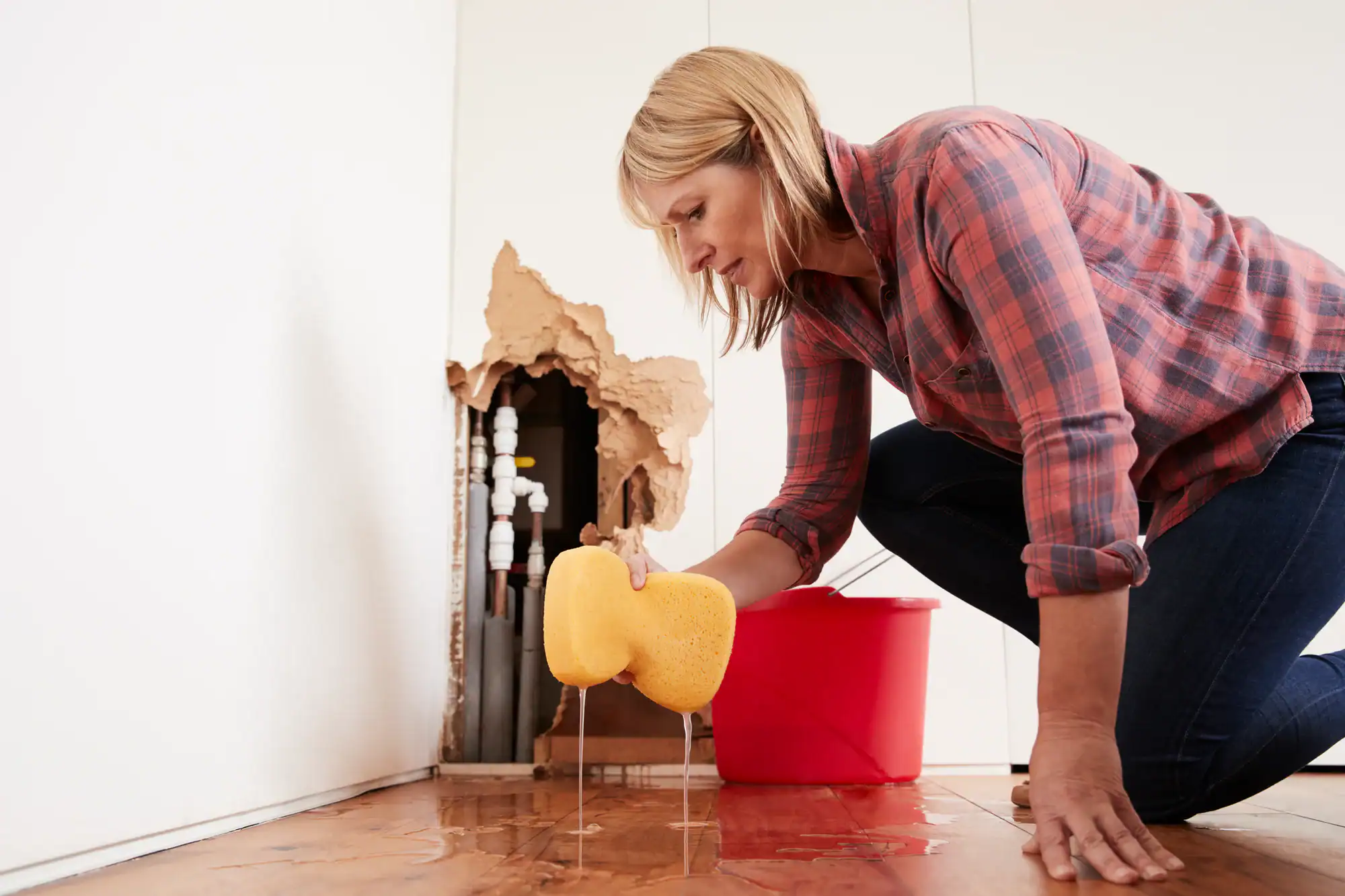
The first thing to do is stop the source if you safely can — shut off the water supply valve if it’s a pipe, or unplug appliances if the water is near anything electrical. Don’t wade into standing water if there’s any chance the electrical system has been compromised. Once the source is controlled, call a restoration company immediately. Do not wait to see if it dries on its own, and do not run a box fan and call it handled. In a South Farmingdale ranch home, where a single floor covers the entire living area, water that looks contained to one room has often already spread under the flooring and into adjacent wall cavities.
Document everything before cleanup begins — photos and video of all visible damage, including water lines on walls, affected furniture, and any personal property. This documentation is important for your insurance claim and should be done before anything is moved or removed. When you call us, we’ll walk you through what to preserve and what needs to happen before the crew arrives. That conversation costs nothing and can prevent documentation mistakes that complicate your claim later.
How long does the water damage restoration process take from start to finish?
The extraction phase — removing standing water — typically takes a few hours depending on volume. The drying phase is where most of the time goes, and it usually runs three to five days for a standard basement or single-room water loss. Homes with more extensive damage, or older construction like what’s common throughout South Farmingdale, can take longer because moisture migrates deeper into plaster walls, wood lath, and older subfloor assemblies than it does in newer drywall construction.
Reconstruction — replacing drywall, flooring, or any structural elements — begins only after moisture readings confirm that drying is complete. Skipping ahead on this is one of the most common mistakes in the industry, and it leads to mold growth inside newly installed materials. If the restoration involves structural work that requires a permit from the Town of Oyster Bay Building Department, that timeline is factored in from the start. The total process from first call to final walkthrough can range from one week to several weeks depending on the scope, and you’ll have a realistic timeline before any work begins.
Is Green Island Group licensed for mold remediation under New York State law?
Yes. New York State’s Mold Law, which took effect in 2016, requires separate licensing for mold assessment and mold remediation — and it specifically prohibits the same company from performing both on the same job. This law exists because water damage in older homes almost always creates conditions where mold can develop, and improper remediation can spread contamination rather than contain it. We hold the required New York State licenses for both assessment and remediation work.
This matters more than it might seem on the surface. A number of companies advertising water damage restoration services in South Farmingdale and throughout Nassau County are not properly licensed under this law. For homeowners with children — and roughly a third of South Farmingdale households have kids under 18 — the health implications of improperly handled mold remediation are serious. Before any company begins mold-related work in your home, ask to see their New York State license number. It’s a straightforward question, and any legitimate operator will answer it without hesitation.
Why does sump pump failure cause so much water damage in South Farmingdale specifically?
South Farmingdale sits on a flat glacial outwash plain — there’s almost no topographic gradient to carry water away from residential properties. The hamlet is positioned between two creek drainage systems, Massapequa Creek and Seaford Creek, and during heavy rain events the water table rises quickly across this entire area. That means virtually every home with a basement here is actively dependent on a functioning sump pump during any significant storm. When the pump fails — because of age, mechanical breakdown, or a power outage from a nor’easter — there’s no backup system redirecting the water. It comes in.
The situation is compounded by the age of the housing stock. Sump pumps in homes built in the 1940s are often original or minimally updated, and the basins, discharge lines, and check valves that support them haven’t always been maintained. A pump that’s been running reliably for years can fail without warning during the exact moment it’s needed most — a sustained storm event with continuous groundwater pressure. We respond to sump pump failure flooding throughout the South Farmingdale area on a regular basis, and the response protocol is built specifically for this scenario: rapid extraction, immediate dehumidification, and a full moisture assessment to catch everything the water touched before it had a chance to settle in.