When Water Hits a South Huntington Split-Level, Speed Matters More Than You Think
When water gets into a 1960s split-level off Jericho Turnpike, it doesn’t wait and neither should your water damage restoration call. In South Huntington’s older housing stock, water moves fast and hides deeper than most homeowners expect.
I needed a professional consultation explanation of procedure for safe removal of Asbestos in my apartment complex. Without having an account yet, I was very impressed with the caring, knowledgeable and generous advice offered by Jessica, and will look forward to doing business in the future. Thank you so much! I feel much more informed about a sometimes scary endeavor. Peace. Nancy Silva Mineola, NY.
Mia Munoz
Used this company to clean up some water flood in my house. They were fast and easy to work with.very professional, Would recommend to anyone!
Nini Valle
Great company, had a flood and they responded quickly and efficiently. Billed my insurance company directly. I highly recommend this company!
joe colapietro, jr
I had pipe freeze in my basement right before a snow storm and they made to within an hour to help start the clean up process. They we by our side throughout the entire process and even helped with the insurance company. They did such a great job with the cleanup, repair, remidiation, I contracted them to perform the repairs and finishes in the basement. They came with enough manpower and material to get the job done. Leo and Jessica were nothing but a pleasure to deal with!!
Cristian Arredondo c
I had some water damage in my home and Green Island was able to take care of my issue quickly and effectively. I am very pleased with the work they did. They responded quickly and were very professional.
Michael M
Outstanding service! From the office to the field crew everyone was friendly, helpful and responsive. I highly recommend Green Island Group.
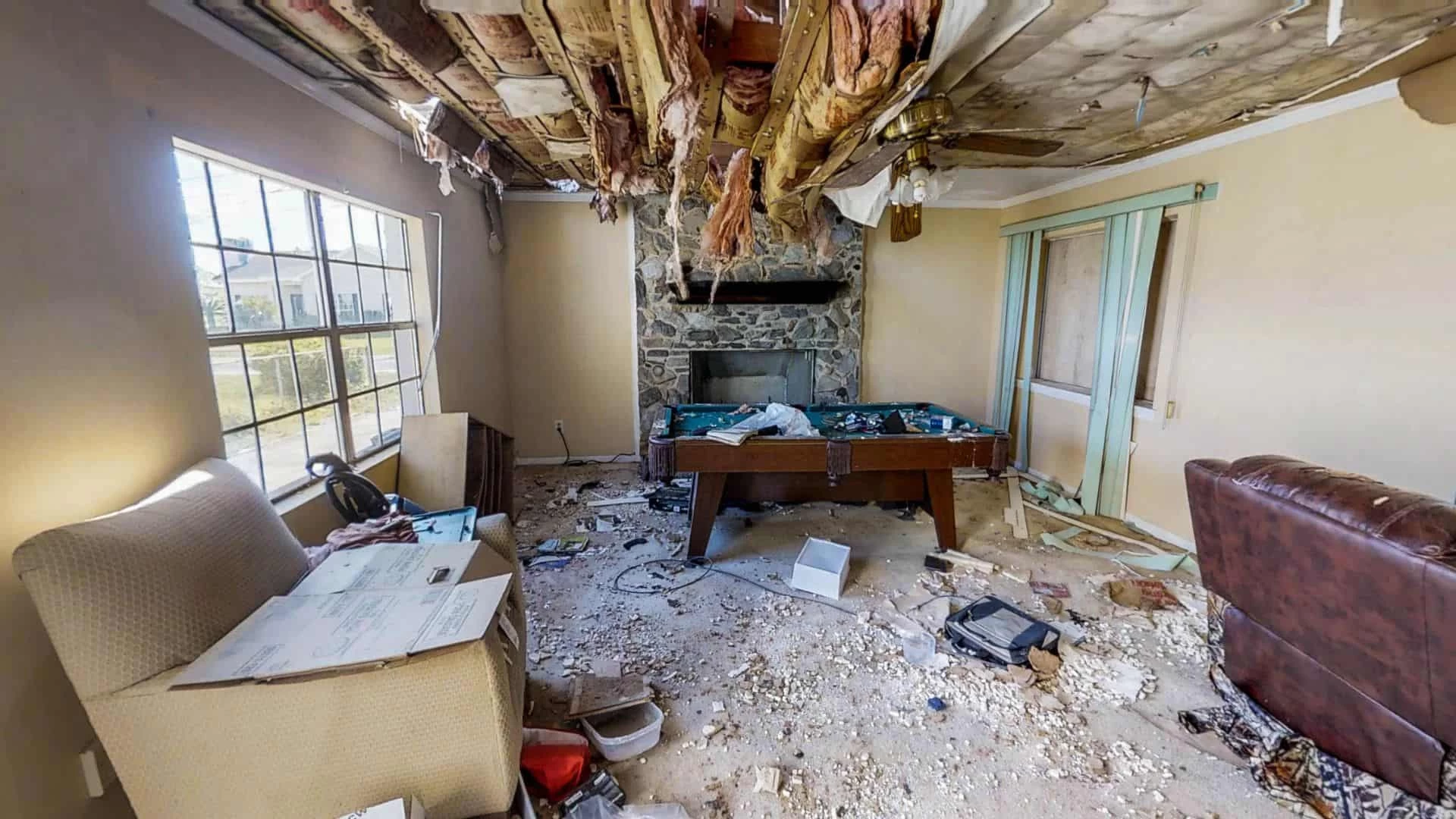
Most homeowners in South Huntington don’t realize how far water travels before it stops. It follows the path of least resistance under your subfloor, into wall cavities, behind the original plaster in a home that was built when Walt Whitman High School was brand new. By the time you see a stain or smell something off, the real damage is already behind the surface.
When water damage is handled completely not just dried on the outside you stop the mold clock. The IICRC standard is clear: mold can begin growing in saturated materials within 24 to 48 hours. In South Huntington’s older housing stock, that timeline is compressed. Homes built in the 1950s and 1960s use organic materials real wood framing, original insulation, plaster walls that absorb moisture faster and hold it longer than modern construction. Getting it fully dry, the first time, is what keeps a manageable water event from turning into a months-long mold remediation.
There’s also the bigger picture. South Huntington’s median home value sits around $702,000. That’s not just a house that’s a financial asset, and an incomplete restoration creates hidden liability. Moisture left inside a wall doesn’t just cause mold. It weakens structure, compromises air quality, and becomes a disclosure issue if you ever sell. A thorough, documented restoration protects what you’ve built here.
Local Knowledge Doesn't Come From a Franchise Manual
We’re a Long Island-based environmental and restoration company not a franchise, not a call center routing your emergency to whoever’s available. When you call, you reach a real local team that serves South Huntington, Huntington Station, and the surrounding areas along the Route 110 corridor.
What sets us apart isn’t just the 24/7 availability it’s the scope. Water damage in a pre-1978 South Huntington home often means more than extraction and drying. It can mean asbestos-containing pipe wrap behind a saturated wall, or lead paint disturbed during material removal. We handle water damage, mold remediation, asbestos testing and abatement, and air quality testing under one roof. That means no contractor handoffs, no gaps in the process, and no moment where the job stalls because someone else needs to be called in.
That kind of complete capability matters here, in this specific housing stock, in this specific community.
No Guesswork Here's Exactly What We Do When You Call
It starts with a call any hour, any day. When you reach out, our first priority is stopping the source and understanding the scope. A technician arrives, assesses the affected areas, and uses professional moisture meters and thermal imaging to find water that isn’t visible to the eye. In South Huntington’s older homes, that step matters more than most people expect. Water hides in places a visual inspection won’t catch.
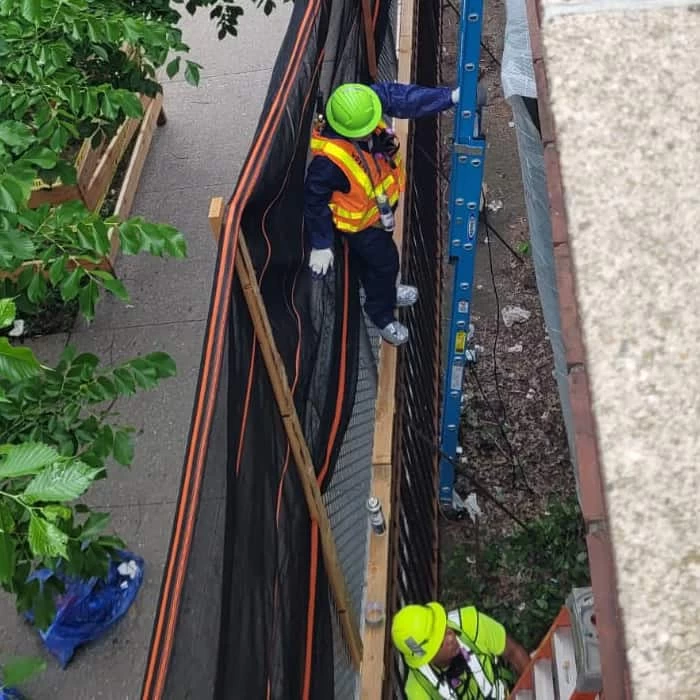
From there, extraction comes first. Standing water is removed, and then the structural drying process begins using commercial-grade drying equipment not the kind of dehumidifier you’d rent from a hardware store. This phase is monitored and documented over time, because drying is not an event, it’s a process. If the assessment reveals asbestos-containing materials or lead paint in the affected area which is a real consideration in homes built before 1978, and most of South Huntington’s housing stock qualifies that gets addressed before any demolition or material removal proceeds, in compliance with New York State Department of Labor regulations.
Once the structure is confirmed dry and the affected materials are safely handled, restoration begins. That means returning the space to its pre-loss condition not just patching the visible damage. Throughout the process, damage is documented in a format that works directly with your insurance adjuster, so the claims process doesn’t fall on you to manage alone.
One Company Covers What South Huntington Homes Actually Need
Water damage restoration here isn’t a single-step job. South Huntington sits in a community where the housing stock is primarily mid-century construction homes built during the same postwar expansion that funded Walt Whitman High School in 1950. That era of building comes with specific complications: aging galvanized plumbing prone to failure, original sump systems that weren’t designed for today’s storm intensity, and materials that predate modern moisture-resistant construction standards.
Our water damage service covers the full range of what that means in practice. Water extraction and structural drying are the foundation, but the service extends to mold remediation when moisture has been present long enough, asbestos testing and abatement when wall or ceiling materials need to be disturbed, lead paint compliance for pre-1978 homes under EPA RRP rules, and post-restoration air quality testing to confirm the space is safe before the job is considered complete. The Town of Huntington has documented flooding events severe enough to warrant emergency stormwater discharge waivers from the Supervisor’s office we’ve worked in those conditions and understand what that level of saturation does to a basement, a subfloor, and the materials around it.
Insurance coordination is part of our process, not an afterthought. Damage documentation is handled in a way that supports your claim from the start, so you’re not piecing it together after the fact.
How quickly does mold start growing after water damage in South Huntington homes?
The professional standard, per IICRC guidelines, is 24 to 48 hours from the time building materials become saturated. That’s the window before mold colonization can begin and in South Huntington’s older housing stock, that window can feel even shorter. Homes built in the 1950s and 1960s use organic materials like real wood framing, original plaster, and older insulation that absorb moisture quickly and hold it longer than modern drywall or engineered lumber.
This is why the response timeline matters so much. A basement that floods during a nor’easter on a Friday night and doesn’t get professional attention until Monday morning is already at serious risk. The mold won’t be visible yet, but the conditions for it are fully established. Professional extraction and structural drying started quickly is what interrupts that process before it becomes a remediation job on top of a restoration job.
Does homeowners insurance cover water damage restoration in South Huntington, NY?
It depends on the cause, and that distinction matters a lot. Most standard homeowners insurance policies in New York cover sudden and accidental water damage a burst pipe, an appliance failure, a roof leak from storm damage. What they typically don’t cover is gradual damage from a slow leak that’s been going on for months, or flooding from an external source like a storm surge or overland water, which requires separate flood insurance through the National Flood Insurance Program.
For South Huntington homeowners, the most common covered scenarios are burst pipes especially in older homes with aging galvanized plumbing and storm-related water intrusion. If you’re filing a claim, the documentation we provide is critical. We document damage in a format that supports insurance adjuster review from the start, which makes a real difference in how smoothly the claim moves and how accurately the scope of loss is captured.
What happens if asbestos is found during water damage repairs in my older home?
If your home was built before the mid-1980s and most of South Huntington’s housing stock was built in the 1950s and 1960s there’s a real possibility that asbestos-containing materials are present. Common locations include pipe insulation, floor tiles, ceiling tiles, and exterior siding. Under New York State Department of Labor regulations, those materials must be tested and, if asbestos is confirmed, safely abated by a licensed contractor before any demolition or disturbance can proceed.
This is where a lot of homeowners get caught off guard. They hire a water damage company, work starts, asbestos is discovered mid-job, and suddenly everything stops while they scramble to find a separate abatement contractor. We handle both water damage restoration and asbestos testing and abatement so the job doesn’t stall. The process stays continuous, the compliance requirements are met, and you’re not coordinating between two different companies during an already stressful situation.
How long does water damage restoration typically take?
The honest answer is that it varies, and anyone who gives you a flat timeline without seeing the property first isn’t being straight with you. A straightforward water loss a washing machine overflow caught quickly in a finished basement might be fully dried and restored in five to seven days. A more significant event, like a burst pipe in a wall that went undetected for a day or two, or a basement flood following a major storm, can take two to three weeks or longer when you factor in drying time, material removal, and restoration work.
In South Huntington’s older homes, the timeline can extend further if asbestos or lead paint testing is required before materials can be removed. That’s not a complication unique to any one company it’s a regulatory requirement under New York State and federal EPA rules that applies to pre-1978 construction. The more complete the initial assessment, the more accurate the timeline estimate will be. A thorough walkthrough at the start prevents surprises in the middle.
What are the most common causes of water damage in South Huntington, NY?
Burst and failed pipes are the leading cause, and South Huntington’s housing stock makes this a particularly relevant risk. Homes built in the 1950s and 1960s frequently have galvanized steel or cast-iron plumbing that is now 60 to 70 years old. That material corrodes from the inside out, and it doesn’t give much warning before it fails. A single cold snap the kind Long Island gets every winter can rupture a pipe in an uninsulated exterior wall or crawl space that’s been quietly deteriorating for years.
Beyond plumbing failures, basement flooding from storm drainage stress is a well-documented issue in the Town of Huntington. The municipality has experienced flooding events severe enough that the Town Supervisor issued emergency waivers allowing residents to discharge stormwater from flooded basements directly into roadways. Sump pump failures during heavy rainfall, appliance malfunctions, and roof leaks from nor’easter wind damage round out the most common calls. South Huntington’s inland location means it doesn’t face coastal storm surge risk the way South Shore communities do, but it gets the full force of every major storm system that moves through Long Island.
How do I choose the right water damage restoration company in South Huntington?
The first thing to look at is whether the company is actually local. Several businesses that appear in South Huntington search results operate with out-of-state phone numbers a sign that you’re dealing with a lead-generation service, not a company that will show up at your door. A genuine local company will have a 631 area code, named staff, and reviews that reference specific employees and specific jobs not generic five-star ratings with no detail.
Beyond that, scope matters. In South Huntington’s older housing stock, water damage jobs frequently involve complications asbestos, lead paint, mold that a single-service restoration company isn’t equipped to handle. A company that can take the job from initial water extraction through mold remediation, asbestos abatement, and final air quality clearance is a fundamentally different offering than one that dries the floor and hands you off to someone else. Ask directly: what happens if you open a wall and find asbestos? The answer tells you a lot about whether that company is actually prepared for the homes in this community.