When a Pipe Bursts at Midnight in January, We're Already Moving
Southeast homeowners don’t get a warning. A pipe bursts at midnight in January, a sump pump quits during a nor’easter, and suddenly you’re standing in water damage restoration territory fast. We respond 24/7, work directly with your insurance, and handle everything from extraction to rebuild under one roof.
I needed a professional consultation explanation of procedure for safe removal of Asbestos in my apartment complex. Without having an account yet, I was very impressed with the caring, knowledgeable and generous advice offered by Jessica, and will look forward to doing business in the future. Thank you so much! I feel much more informed about a sometimes scary endeavor. Peace. Nancy Silva Mineola, NY.
Mia Munoz
Used this company to clean up some water flood in my house. They were fast and easy to work with.very professional, Would recommend to anyone!
Nini Valle
Great company, had a flood and they responded quickly and efficiently. Billed my insurance company directly. I highly recommend this company!
joe colapietro, jr
I had pipe freeze in my basement right before a snow storm and they made to within an hour to help start the clean up process. They we by our side throughout the entire process and even helped with the insurance company. They did such a great job with the cleanup, repair, remidiation, I contracted them to perform the repairs and finishes in the basement. They came with enough manpower and material to get the job done. Leo and Jessica were nothing but a pleasure to deal with!!
Cristian Arredondo c
I had some water damage in my home and Green Island was able to take care of my issue quickly and effectively. I am very pleased with the work they did. They responded quickly and were very professional.
Michael M
Outstanding service! From the office to the field crew everyone was friendly, helpful and responsive. I highly recommend Green Island Group.
There’s a difference between a contractor who pulls the water out and hands you a bill, and one who makes sure your home is actually safe when the job is done. That difference matters a lot in Southeast, where older homes in the Brewster village area and historic hamlets like Milltown and Dingle Ridge can hide moisture behind plaster walls and under original hardwood floors for weeks before anyone notices.
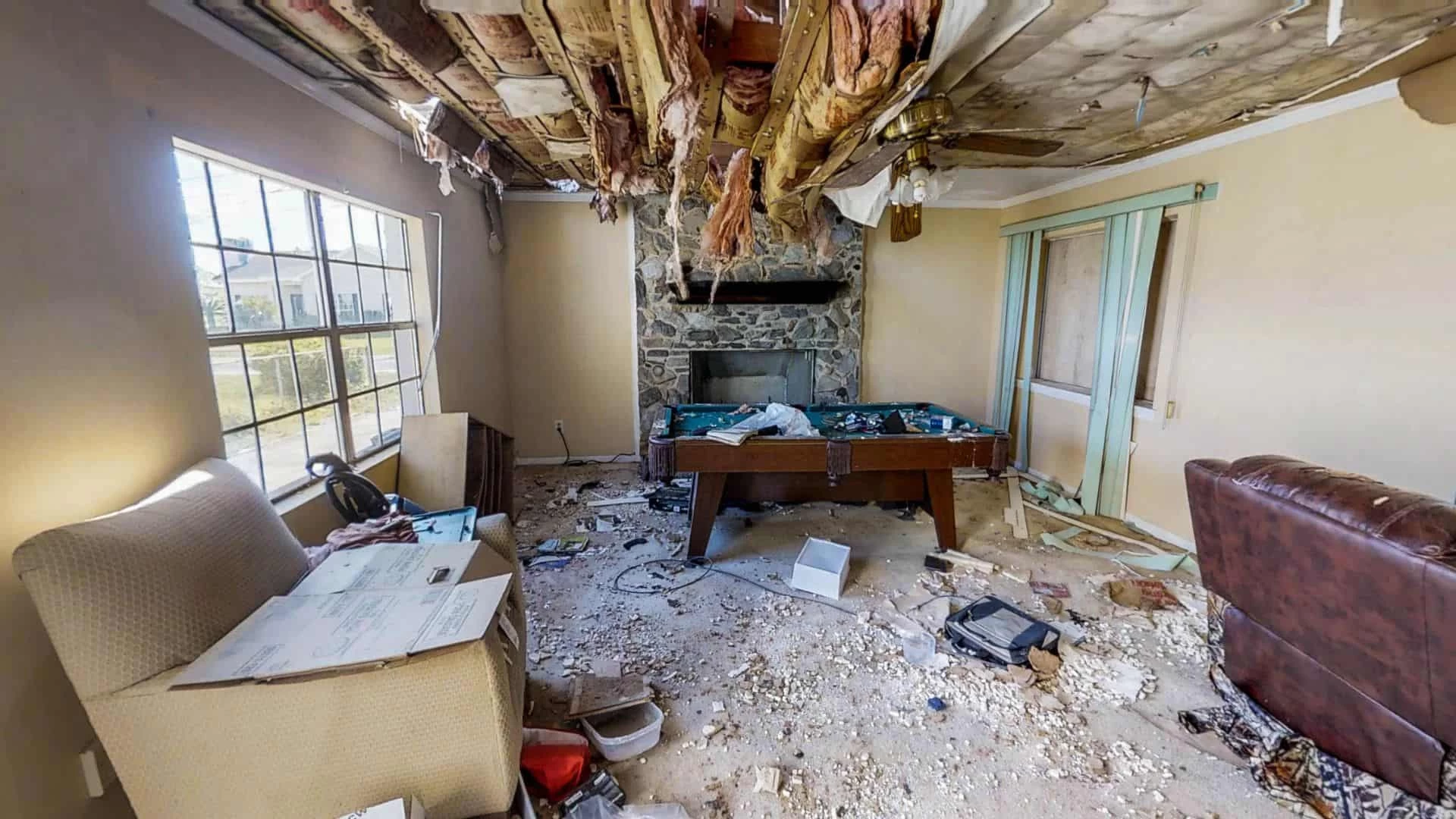
When water gets into a finished basement the kind that doubles as a home office or family room in most owner-occupied homes here the clock starts immediately. Mold colonization begins within 24 to 48 hours of exposure. The longer the moisture sits, the deeper it travels, and the more expensive the remediation becomes. Getting the right team in fast isn’t just about drying things out. It’s about stopping a $15,000 problem from becoming a $60,000 one.
Southeast’s rural hamlets outside Brewster village also carry a risk that doesn’t get talked about enough: septic-related flooding. When the ground saturates during a heavy spring thaw or a sustained nor’easter, septic systems in areas like Dykemans, Gayville, and Budd’s Corners can back up into lower-level fixtures and basements. That’s not clean water it’s a biohazard, and it requires a completely different remediation protocol than a burst pipe. Knowing the difference, and being equipped to handle both, is what separates a real restoration company from a generalist with a wet vac.
We’ve been doing environmental restoration work in the New York region for over 12 years not as a franchise, and not as a pop-up that shows up after a storm and disappears before the drying is confirmed. We’re a fully certified, fully insured restoration company with a track record that holds up to scrutiny in Southeast and across Putnam County.
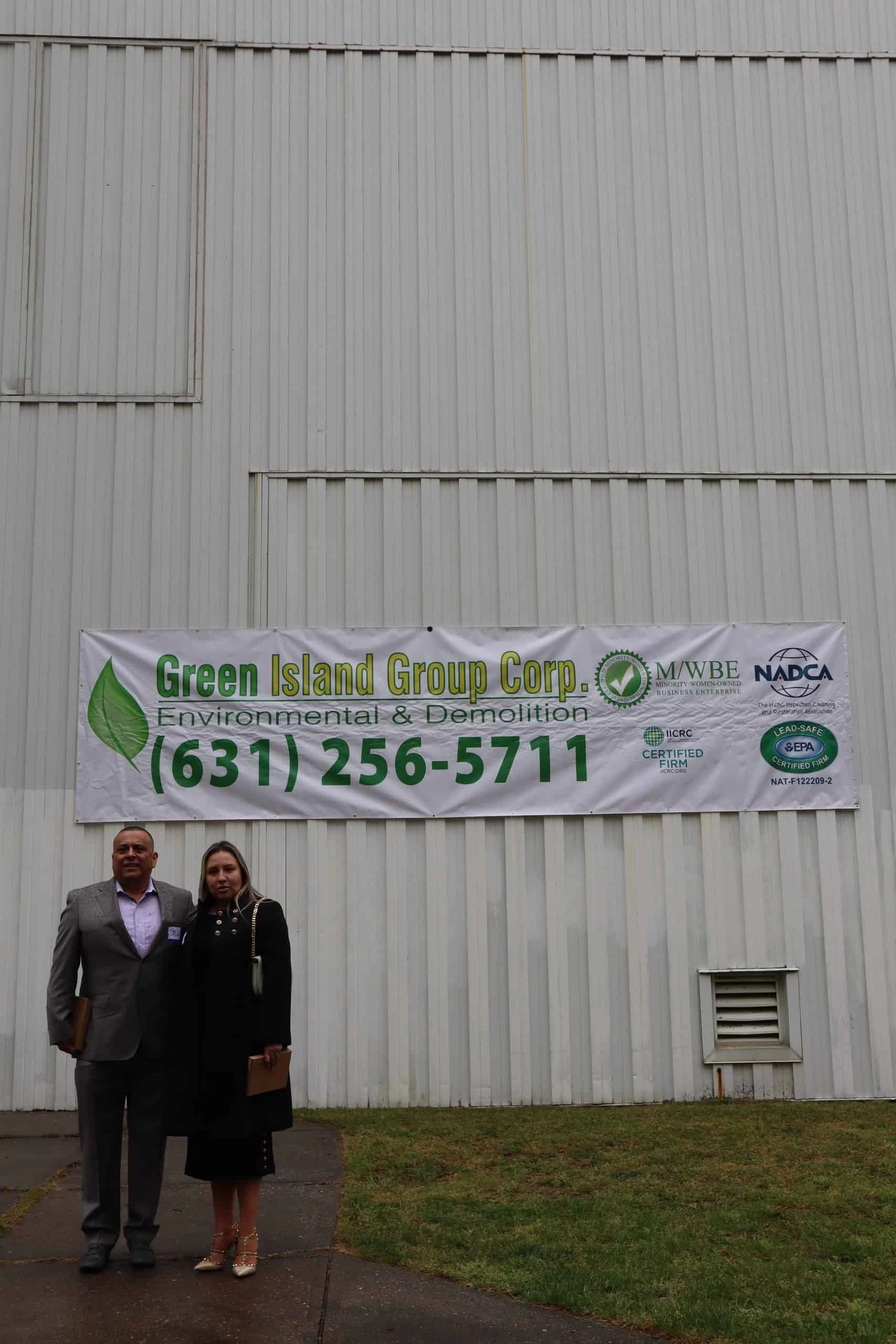
We hold IICRC certification the water damage industry’s recognized standard for training and process along with NYS and NYC M/WBE Certified Contractor status, which requires documented vetting by the state of New York. Full liability insurance and Workman’s Compensation coverage are standard, not optional. And for homeowners in Southeast dealing with pre-1980 homes near Starr Ridge Road, Dingle Ridge Road, or the Milltown historic area, our asbestos abatement capabilities mean the job doesn’t stall mid-project if hazardous materials turn up because in this area’s older housing stock, they sometimes do.
Emergency Water Damage Restoration Process Southeast
From the First Call to the Final Walkthrough Here's What Happens
It starts with a call, any hour of the day or night. When you reach out, you get a live response not a voicemail, not a callback window. We assess the situation over the phone, confirm the damage type, and dispatch immediately. For Southeast homeowners, that means someone is moving toward your home in Brewster, Drewville, or Sanford’s Corners while you’re still figuring out where the water is coming from.
On arrival, our first priority is stopping the source and assessing the full scope of damage. That includes moisture mapping behind walls and under flooring not just what’s visible on the surface. If the damage involves septic-related flooding, which is a real and recurring issue in Southeast’s rural hamlets, we identify the contamination category before any extraction begins, because Category 3 black water requires containment and biohazard protocols that go well beyond standard water removal.
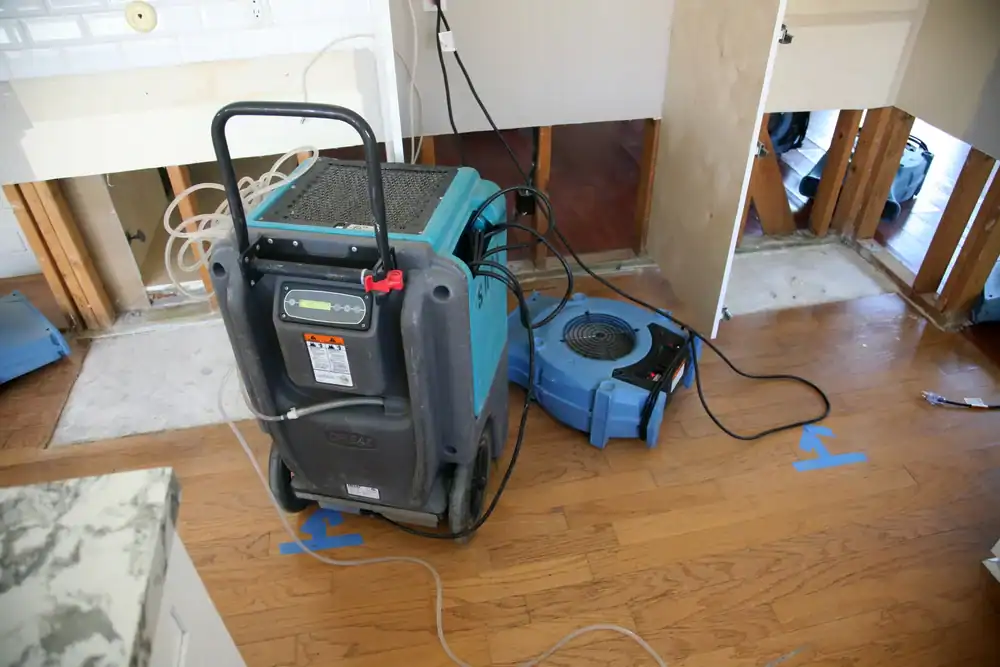
From there, the process moves through extraction, structural drying, and air quality testing. If mold is present or at risk of developing which, given Southeast’s humidity levels and the prevalence of finished basements in the area, is more common than most homeowners expect we address that as part of the same job. The Town of Southeast Building Department requires permits for any structural work resulting from water damage, including framing and drywall replacement, and we handle that documentation as part of the project. When the work is complete, you get a final walkthrough and post-remediation verification not just a bill.
Full-Service Water Damage Restoration near Southeast
One Company Handles It All Start to Finish
Most restoration companies do one part of the job. They extract, they dry, they leave. What happens to the framing, the drywall, the flooring, the HVAC that’s your problem to coordinate. We don’t work that way. Our full scope runs from emergency water extraction through mold remediation, structural rebuilding, and final inspection, all under one contractor.
For Southeast homeowners, that matters for a few specific reasons. The town’s housing stock spans everything from late-1800s construction in the Brewster village core to mid-century homes in the hamlet areas to newer finished-basement builds throughout the surrounding residential neighborhoods. Each of those building types carries different risks older homes may have asbestos-containing materials that need abatement before any demolition begins, while newer finished basements amplify the total cost of any water event significantly. Our asbestos abatement capability means work doesn’t stop when something unexpected turns up in a pre-1980 structure.
The financing piece is worth knowing about before you need it. We offer up to $200,000 in financing at 0% APR a real product, not a promotional placeholder. For a homeowner facing a $50,000 restoration with a $10,000 deductible and a policy that doesn’t cover the full scope, that gap is real and it’s stressful. This financing closes it without forcing you to carry high-interest debt or liquidate savings. No other restoration company serving Southeast, NY advertises this. It’s available, it’s significant, and it’s worth asking about on your first call.
Does water damage restoration in Southeast, NY include mold remediation too?
Yes and in Southeast, the two are almost always connected. Mold colonization begins within 24 to 48 hours of water exposure, which means by the time most homeowners call for help, the conditions for mold growth are already in place. In a town where finished basements are common and older homes in areas like Milltown and the Brewster village core have limited ventilation behind walls, mold can establish itself quickly and spread further than the original water damage footprint.
Our restoration process includes mold testing, full remediation, and post-remediation air quality verification as part of the same job not as a separate contract you have to chase down later. If mold is found, we handle it before any reconstruction begins. If testing shows it hasn’t developed yet, you get documentation confirming that, which matters both for your peace of mind and for any future real estate transaction or insurance claim involving the property.
How fast can someone actually respond to a water emergency in Southeast?
We operate 24/7 with live dispatch no voicemail, no answering service that takes a message and passes it along in the morning. When you call, you reach someone who can assess the situation and get a team moving. For Southeast homeowners, that response time matters more than it might in a more urban area, because the town’s older housing stock particularly in the Brewster village area and the historic hamlet sections can absorb water quickly into plaster walls, original hardwood flooring, and aging insulation that doesn’t dry easily.
The faster the extraction begins, the more of your home’s structure can be saved rather than replaced. Every hour of delay after a water event increases the total remediation cost and the likelihood of secondary damage like mold growth and structural softening. The 24/7 response isn’t a marketing claim it’s the single most important factor in whether a water damage event stays manageable or becomes a major reconstruction project.
Will my homeowner's insurance cover water damage restoration in Southeast?
It depends on the source of the water and the specifics of your policy and the answer isn’t always what homeowners expect. Standard homeowner’s insurance typically covers sudden and accidental water damage, like a burst pipe or an appliance failure. It generally does not cover flooding from external sources, gradual leaks, or sewer and septic backups unless you’ve added specific riders for those scenarios. In Southeast, where septic systems are common in the rural hamlet areas and nor’easter flooding is a recurring event, that distinction matters.
We work directly with insurance companies, handling the documentation, moisture readings, and scope-of-work communication that adjusters require. This takes you out of the middle of a process that can otherwise become a months-long back-and-forth. For any portion of the restoration that falls outside your coverage whether it’s a high deductible, an excluded loss type, or a scope that exceeds your policy limits our 0% APR financing up to $200,000 is available to close that gap without forcing you into a difficult financial position.
What's the difference between water damage categories, and why does it matter?
Water damage is classified into three categories based on contamination level, and the category determines everything about how the remediation is handled. Category 1 is clean water a burst supply line, an overflowing sink, a failing appliance. Category 2 is gray water, which carries some contamination a washing machine overflow, a dishwasher leak, a sump pump failure. Category 3 is black water, which is grossly contaminated and includes sewage backups, septic failures, and floodwater that has contacted soil or waste systems.
This distinction is particularly relevant in Southeast because of the town’s reliance on private septic systems in areas outside the Brewster village core. When a septic system backs up into a basement during a heavy rain event which happens in hamlets like Dykemans and Gayville when the ground saturates that’s a Category 3 event requiring containment, personal protective equipment, and biohazard disposal protocols that go well beyond standard water extraction. Treating it like a clean-water event is not just ineffective it’s a health risk. Knowing which category you’re dealing with before any work begins is non-negotiable.
What causes basement flooding in Southeast, NY homes specifically?
Southeast’s combination of older housing stock, inland elevation, and Putnam County’s weather patterns creates a fairly specific set of recurring causes. Burst pipes are the most common winter event temperatures in this area regularly drop below 20°F, and homes with uninsulated crawl spaces, older plumbing, or exterior walls that weren’t built to modern thermal standards are particularly vulnerable. The Brewster village area has a significant concentration of pre-1950 construction where this risk is highest.
Spring thaw is the second major driver. When snowpack melts quickly which happens along the I-84 corridor and in the higher-elevation hamlet areas the ground can’t absorb the runoff fast enough, and water finds its way into foundations through cracks, window wells, and aging drainage systems. Sump pump failures during power outages, which accompany many of the nor’easters that hit Putnam County, are a close third. And for homes on private septic in the rural parts of town, sustained ground saturation can push septic effluent back through the system and into lower-level plumbing fixtures. All of these are situations we handle regularly in this area.
Does Green Island Group handle the permits and paperwork for restoration work in Southeast?
Yes. Any structural work resulting from water damage in Southeast framing replacement, drywall installation, HVAC repair or replacement requires building permits through the Town of Southeast Building Department. This is a step that homeowners often don’t think about until a project is already underway, and it can create real delays if the contractor isn’t handling it proactively.
We manage the permit documentation as part of the restoration project, which means you’re not left coordinating between a restoration contractor and a building department while your home is mid-demo. For properties in Southeast’s historic areas particularly homes near Milltown, Starr Ridge Road, or Dingle Ridge Road there may be additional considerations around materials and methods if the structure carries any historic designation. Our experience working with NYS Office of General Services and state agency projects means the regulatory side of a restoration job isn’t unfamiliar territory. It’s handled, documented, and done correctly the first time.