When Your St. James Home Floods, You Need More Than a Dry-Out
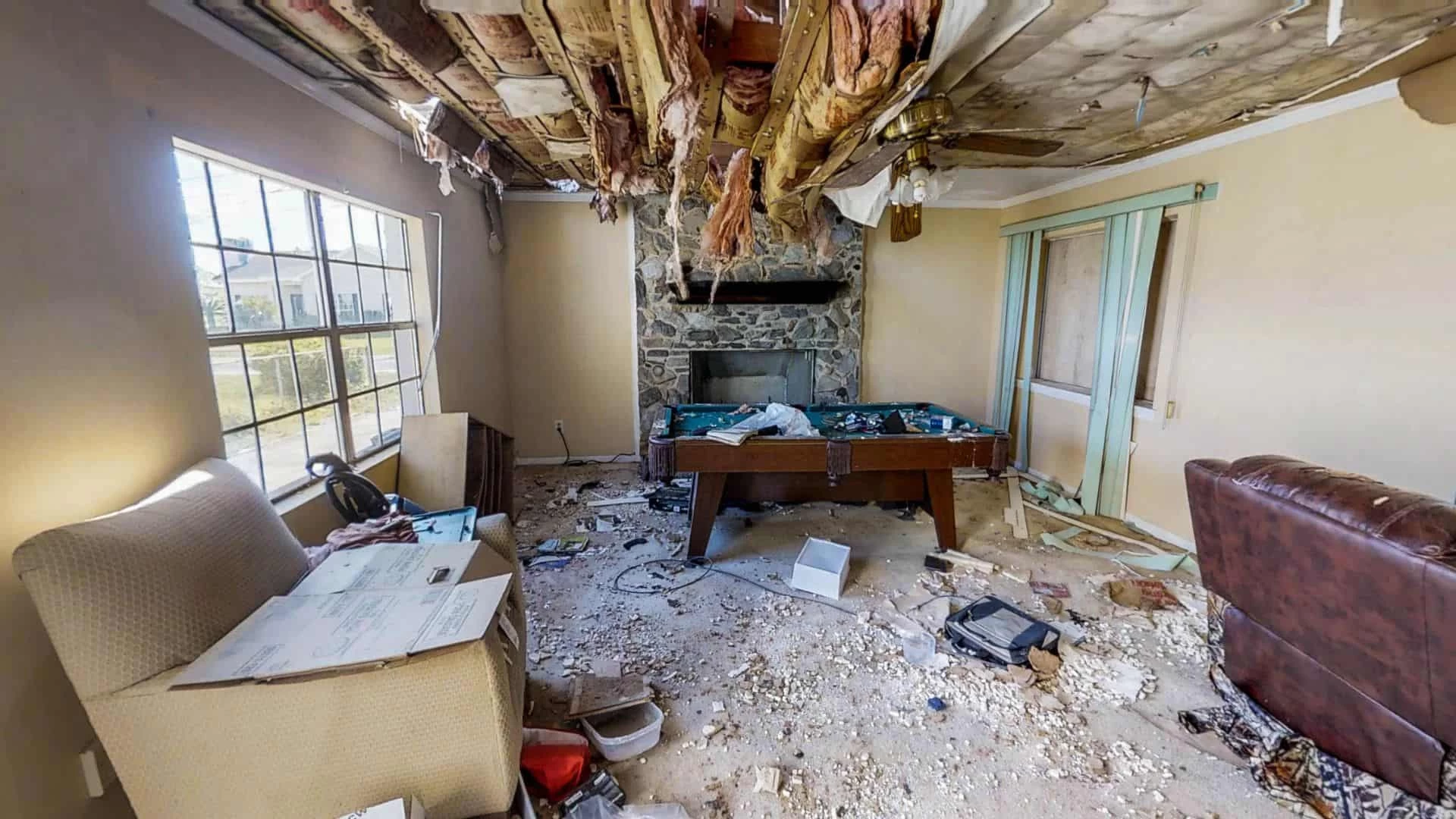
Water damage in an older North Shore home doesn’t stop at the surface and neither do we. We respond 24/7 with the full scope to handle what’s behind your walls in St. James, not just what’s on the floor.
I needed a professional consultation explanation of procedure for safe removal of Asbestos in my apartment complex. Without having an account yet, I was very impressed with the caring, knowledgeable and generous advice offered by Jessica, and will look forward to doing business in the future. Thank you so much! I feel much more informed about a sometimes scary endeavor. Peace. Nancy Silva Mineola, NY.
Mia Munoz
Used this company to clean up some water flood in my house. They were fast and easy to work with.very professional, Would recommend to anyone!
Nini Valle
Great company, had a flood and they responded quickly and efficiently. Billed my insurance company directly. I highly recommend this company!
joe colapietro, jr
I had pipe freeze in my basement right before a snow storm and they made to within an hour to help start the clean up process. They we by our side throughout the entire process and even helped with the insurance company. They did such a great job with the cleanup, repair, remidiation, I contracted them to perform the repairs and finishes in the basement. They came with enough manpower and material to get the job done. Leo and Jessica were nothing but a pleasure to deal with!!
Cristian Arredondo c
I had some water damage in my home and Green Island was able to take care of my issue quickly and effectively. I am very pleased with the work they did. They responded quickly and were very professional.
Michael M
Outstanding service! From the office to the field crew everyone was friendly, helpful and responsive. I highly recommend Green Island Group.
Your St. James Home Restored Not Just Dried and Left Behind
If you’ve dealt with a flooded basement or a burst pipe in St. James, you already know the cleanup is only part of it. The real concern is what you can’t see moisture sitting inside wall cavities, under original hardwood floors, or behind the plaster walls that are common throughout this area. Left alone, that hidden saturation is what turns a manageable water damage situation into a mold problem that shows up months later.
St. James has a housing stock that goes back generations. A lot of homes here were built in the 1950s and 60s, and some in the historic district along Moriches Road are well over a century old. That matters when water hits, because older construction original framing, plaster walls, cast iron pipes absorbs and holds moisture differently than modern builds. It also means there’s a real chance of running into asbestos-containing materials or lead paint once remediation starts, which requires licensed handling under New York State law, not just a shop vac and a dehumidifier.
When restoration is done right, you get your home back not a patched version of it. Drywall replaced, floors restored, structure dried to IICRC standards, and documentation your insurance company can actually use. That’s the difference between a job that’s finished and a job that’s complete.
Local Accountability Built Into Every St. James Job
We’re a Long Island-based environmental and restoration company independently operated, not a franchise. When you call our 631 number, you’re reaching people who actually work here in St. James and the surrounding North Shore communities, not a national routing system that dispatches whoever’s available. That distinction matters when your home is the one with water in it.
What sets us apart in the St. James market specifically is scope. Most water damage companies handle water, maybe mold. We handle water damage restoration, mold remediation, asbestos testing and abatement, lead paint removal, and air quality testing all under one roof. For a community where a significant portion of homes predate 1978, that’s not a bonus service. It’s the difference between a complete remediation and one that stops short of what the job actually requires.
From the Moriches Road corridor to the neighborhoods along Route 25A, we understand what North Shore homes are made of and what they need when things go wrong.
From the First Call to a Fully Restored St. James Home
It starts with a free assessment someone comes out, looks at what actually happened, and gives you a clear picture of the scope before any work begins. No vague estimates, no pressure. Just an honest read on what you’re dealing with and what it will take to fix it correctly.
Once the assessment is done, the extraction and structural drying phase begins. This is where professional-grade equipment moisture meters, thermal imaging, commercial drying systems does the work that consumer fans and dehumidifiers can’t. In St. James homes with plaster walls or original subfloors, this step is especially important. Moisture hides in places that look dry on the surface, and thermal imaging finds it before it becomes a mold issue. If the job involves a pre-1978 home, any materials that need to be tested for asbestos or lead are handled by our licensed technicians under New York State Department of Labor requirements not skipped over or worked around.
After the structure is dry and any hazardous materials are properly addressed, the repair phase begins. Drywall, flooring, trim whatever was damaged gets restored. The goal is to return your home to the condition it was in before the water hit, with full documentation for your insurance claim every step of the way. If you’re navigating a homeowner’s policy or a flood insurance claim through FEMA which a number of St. James residents have dealt with since the August 2023 storm that paperwork support is part of the process.
Complete Restoration Built for Older North Shore Homes
Our water damage restoration services cover the full range emergency water extraction, structural drying, mold prevention, sewage backup cleanup, and complete repairs. But in a town like St. James, the job often goes deeper than what most restoration companies are equipped to handle.
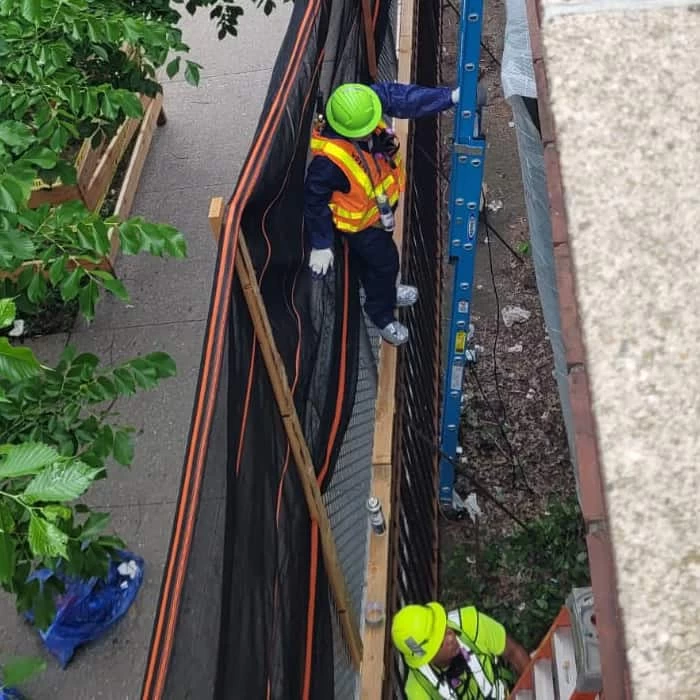
Because so much of the housing stock in St. James predates 1978, there’s a real likelihood that water damage remediation will uncover asbestos-containing materials floor tiles, pipe insulation, drywall joint compound or lead paint on trim and walls. Under New York State law, disturbing those materials without proper licensing isn’t just bad practice, it creates legal exposure for the homeowner and health risk for everyone in the home. We hold the required NYS Department of Labor asbestos abatement licensing and EPA RRP certification for lead paint work, so when something turns up during a job, it gets handled correctly without stopping the project or sending you to find another contractor.
Insurance documentation is built into every job. Whether you’re filing a standard homeowner’s claim or dealing with a flood insurance policy something that became far more relevant for St. James residents after the federally declared August 2023 storm that flooded streets throughout the Smithtown area we handle adjuster communication and documentation directly. You focus on getting your home back. The paperwork gets handled.
How quickly does mold develop after water damage in my St. James home?
Mold can begin growing within 24 to 48 hours of water exposure and that window doesn’t pause for weekends or holidays. In a St. James home with plaster walls or original wood framing, moisture gets absorbed quickly and holds longer than it would in a newer build with modern materials. That means the clock starts the moment water enters the structure, not when you get around to calling someone.
This is exactly why the August 2023 storm was so damaging for homeowners in St. James. Flooding that came in on a Friday night or Saturday morning had a full weekend to sit before many residents could even reach a contractor. If you’re in a situation where water has been sitting for more than a day or two, the question isn’t just about drying it’s about whether mold remediation is already part of what you need. A proper assessment will tell you where things stand, and it’s worth getting that answer quickly rather than assuming the visible damage is the whole story.
Does homeowners insurance cover water damage restoration costs in New York?
It depends on the source of the water, and that distinction matters more than most people realize before they file a claim. Standard homeowners insurance in New York typically covers sudden and accidental water damage a burst pipe, a washing machine that failed, a roof leak from a storm. It generally does not cover flooding from outside the home, which falls under a separate flood insurance policy through the National Flood Insurance Program.
For St. James residents who experienced basement flooding or street-level water intrusion during the August 2023 storm, this distinction became very real very fast. If you have flood insurance and filed a claim after that event, documentation from a licensed restoration contractor is essential to getting a full payout. If you’re unsure what your policy covers, the assessment process includes a review of what happened, how the water entered, and what documentation your insurer or FEMA will need. That’s not a service you should have to figure out on your own while also dealing with a damaged home.
What should I do immediately after discovering water damage in my St. James home?
The first thing is to stop the source if you can shut off the water supply if it’s a burst pipe, or stop using any fixtures connected to the affected line. If the flooding came from outside during a storm, that step isn’t always possible, but limiting additional water entry matters. After that, call us before you start pulling up floors or tearing out drywall on your own. What looks like a straightforward cleanup can get complicated fast, especially in older homes.
In St. James specifically, a lot of homes were built before materials like asbestos floor tiles and lead paint were regulated or phased out. If you start demo work without knowing what’s in your floors or walls, you can create a hazardous situation that costs significantly more to address than the original water damage. A professional assessment first protects you legally and financially, and it gives you a clear picture of the full scope before any work begins. Document everything with photos before touching anything your insurance company will want that record.
Can water damage restoration uncover asbestos or lead paint in older St. James homes?
Yes, and it happens more often than people expect. St. James has a significant inventory of homes built between the 1940s and 1970s, and many of them contain asbestos in floor tiles, pipe insulation, or drywall joint compound and lead paint on trim, walls, and window frames. These materials aren’t a problem when they’re intact and undisturbed. Water damage changes that. When drywall needs to come out or flooring needs to be removed, those materials get disturbed, and at that point New York State law requires licensed abatement.
Under NYS Department of Labor regulations, asbestos abatement must be performed by a licensed contractor it’s not optional, and it’s not something a general contractor or unlicensed restoration crew can legally handle. The EPA’s RRP Rule applies to lead paint work in pre-1978 homes. We hold both credentials, which means if something turns up during your job, the work continues without you having to stop everything and find a separate licensed firm. For homeowners in St. James, that in-house capability is a practical and legal protection, not just a convenience.
How long does a full water damage restoration job typically take to complete?
The drying phase alone typically takes three to five days with professional equipment running continuously moisture meters confirm when the structure has reached acceptable levels, not a set calendar date. The full restoration timeline, including repairs, depends on the extent of the damage and whether secondary issues like mold or regulated materials are involved.
For a St. James home with original hardwood floors, plaster walls, or older framing, the drying process can take longer than it would in a newer build because those materials hold moisture differently. If asbestos or lead paint is identified and needs to be abated before repairs can proceed, that adds time but it’s time that protects you legally and keeps the job compliant. A realistic timeline gets communicated upfront during the assessment, so you’re not left guessing. Most straightforward jobs are fully restored within one to two weeks. More complex situations, particularly those involving structural repairs or regulated materials, may run longer, and that scope gets explained before work begins.
How does Green Island Group handle insurance claims for water damage in St. James?
We work directly with your insurance company throughout the process documenting the damage, communicating with adjusters, and providing the written scope and photo documentation that carriers require to process a claim. You don’t have to act as the go-between while also managing a damaged home.
This matters especially in St. James because of how many residents were navigating insurance claims for the first time after the August 2023 flooding event, which resulted in a federal emergency declaration and activated FEMA assistance programs across Suffolk County. Standard homeowner’s claims, NFIP flood insurance claims, and FEMA disaster assistance applications each have different documentation requirements and timelines. Having a restoration contractor who understands those differences and handles the paperwork directly takes a significant burden off homeowners who are already dealing with enough. From the initial loss documentation through the final repair invoice, the process is managed so that your claim reflects the full, accurate scope of what was done not a partial picture that leaves money on the table.