When water gets in, the clock starts immediately. We deliver 24/7 water damage restoration in Stony Brook, NY with the local knowledge and equipment to stop the damage before it compounds.
I needed a professional consultation explanation of procedure for safe removal of Asbestos in my apartment complex. Without having an account yet, I was very impressed with the caring, knowledgeable and generous advice offered by Jessica, and will look forward to doing business in the future. Thank you so much! I feel much more informed about a sometimes scary endeavor. Peace. Nancy Silva Mineola, NY.
Mia Munoz
Used this company to clean up some water flood in my house. They were fast and easy to work with.very professional, Would recommend to anyone!
Nini Valle
Great company, had a flood and they responded quickly and efficiently. Billed my insurance company directly. I highly recommend this company!
joe colapietro, jr
I had pipe freeze in my basement right before a snow storm and they made to within an hour to help start the clean up process. They we by our side throughout the entire process and even helped with the insurance company. They did such a great job with the cleanup, repair, remidiation, I contracted them to perform the repairs and finishes in the basement. They came with enough manpower and material to get the job done. Leo and Jessica were nothing but a pleasure to deal with!!
Cristian Arredondo c
I had some water damage in my home and Green Island was able to take care of my issue quickly and effectively. I am very pleased with the work they did. They responded quickly and were very professional.
Michael M
Outstanding service! From the office to the field crew everyone was friendly, helpful and responsive. I highly recommend Green Island Group.
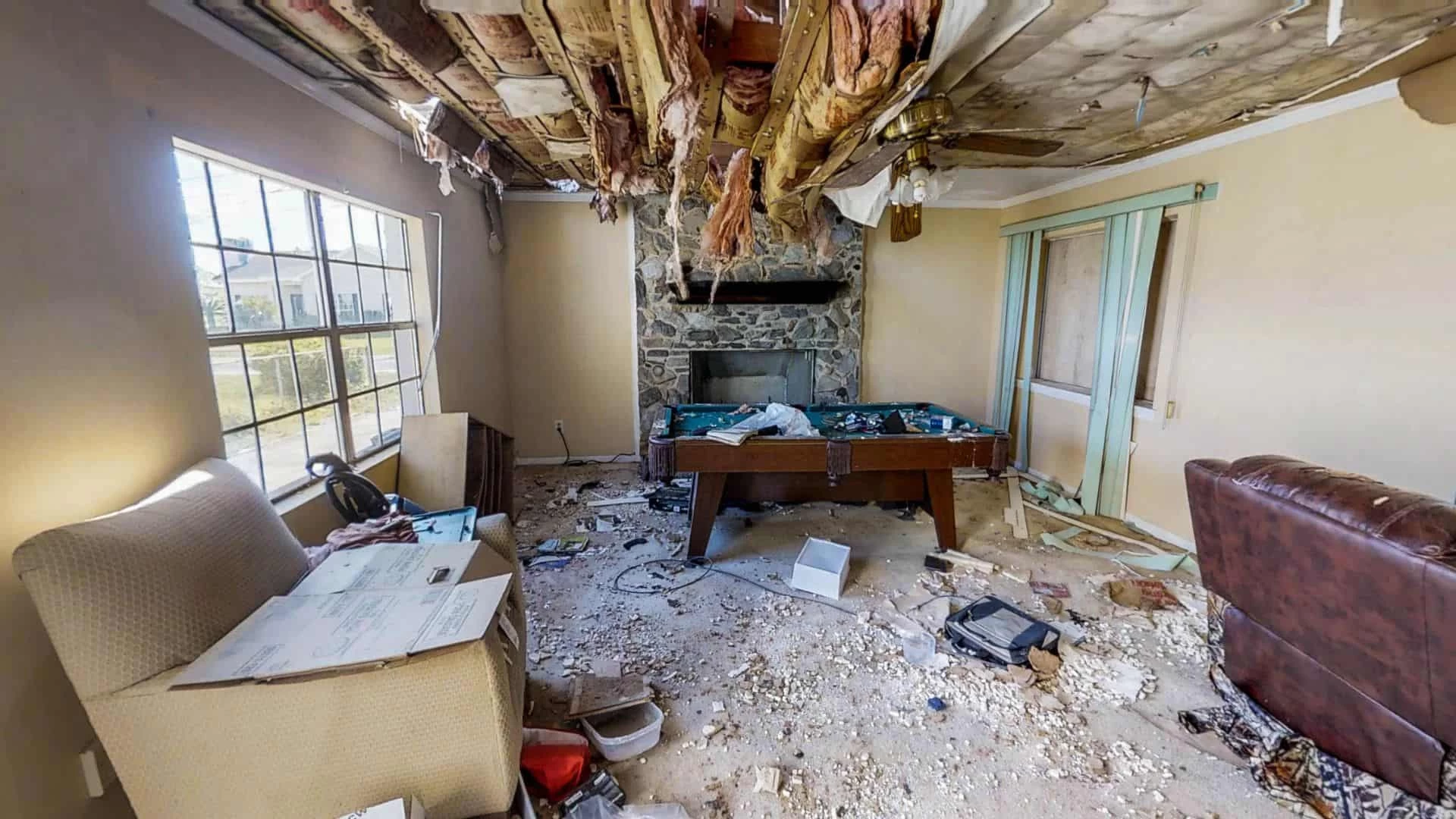
Most homeowners don’t realize how far water travels before it stops. It moves behind drywall, under subfloors, into insulation and in a Stony Brook home built in the 1960s, it finds every gap that decades of settling have created. By the time the floor feels dry underfoot, moisture has already been sitting inside your walls for hours. That’s where the real damage starts.
The 24-to-48-hour window matters more than most people know. That’s the documented range in which mold begins to colonize wet building materials and in older North Shore construction, where wall assemblies weren’t built with modern moisture barriers, it doesn’t take long for a manageable water event to become a mold remediation job. Getting everything actually dry not just surface-dry is what separates a clean recovery from a problem that resurfaces three months later.
After the August 2024 flooding that destroyed Mill Pond and collapsed Harbor Road in Stony Brook, a lot of homeowners learned this the hard way. Water damage doesn’t pause while you figure out next steps. The homes that came through it cleanest were the ones where professional drying equipment and moisture detection were deployed fast before hidden saturation had time to set. That’s exactly the outcome we’re here to help you get.
Local Accountability Doesn't Come From a Franchise
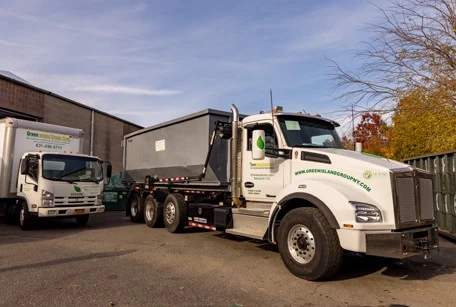
We’re a Long Island-based restoration company not a national franchise with a local phone number. When you call, you’re reaching people who actually work here, know Stony Brook and the Three Villages, and have served homeowners across Suffolk County through the kind of events that affected the area in the summer of 2024. There’s no call center between you and the crew.
That matters in a community like Stony Brook, where homes are older, values are high, and the work genuinely needs to be done right. The area has a housing stock that carries real risk original plumbing in homes built before modern waterproofing standards, basements that were never designed for the kind of rainfall Long Island has been seeing. We understand that context, and we bring the full-service capability to handle it: water damage, mold remediation, asbestos abatement, and air quality testing, all under one roof.
No handoffs. No delays waiting for a second contractor. Just one accountable team that sees the job through from extraction to full restoration.
From the First Call to a Dry, Restored Stony Brook Home
The first thing that happens when you call is an honest conversation not a sales pitch. You describe what you’re dealing with, and we give you a clear picture of what needs to happen and how fast. If it’s an active emergency, we move immediately. If it’s something you discovered after the fact, we assess the urgency honestly and get you scheduled without unnecessary pressure.
On-site, the first priority is moisture mapping. We use thermal imaging cameras and calibrated moisture meters to find every area of saturation including the ones you can’t see. In a Stony Brook home with 1960s-era wall construction, water doesn’t stay where it entered. It migrates, and finding all of it before any drying equipment is placed is what determines whether the job is actually finished or just looks finished. This documentation also builds the foundation for your insurance claim, which matters when you’re dealing with a carrier who has their own interests in limiting the scope.
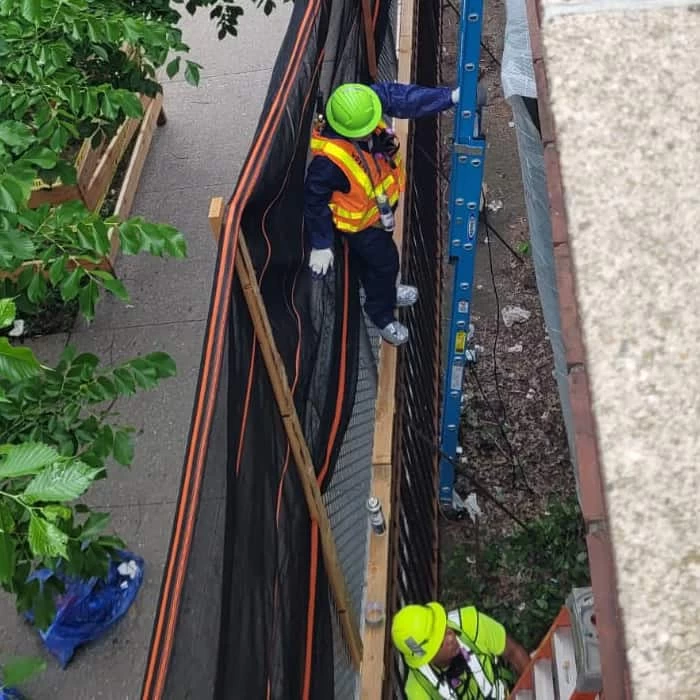
From there, commercial-grade drying equipment is placed strategically based on the moisture map not guesswork. We monitor drying progress, adjust as needed, and don’t close out the job until readings confirm the structure is genuinely dry. Any work that falls under New York State’s mold remediation licensing requirements, or that involves pre-1978 materials requiring asbestos or lead protocols, is handled in-house no subcontractors, no scheduling gaps, no liability gaps.
A lot of restoration companies stop at drying. They extract the standing water, run equipment for a few days, and hand you back a home that’s technically dry but missing drywall, flooring, and finishes. That’s mitigation. What Stony Brook homeowners typically need especially in homes where water damage has reached structural materials is full restoration: the property returned to the condition it was in before the loss.
We handle both. Water extraction and structural drying, yes but also mold remediation when the timeline or conditions require it, asbestos abatement for pre-1978 materials that get disturbed during demo work (which applies to a significant portion of Stony Brook’s housing stock given the median construction year of 1966), lead paint protocols where required, and air quality testing to confirm the environment is safe before the home is reoccupied. Suffolk County and New York State have specific licensing requirements for each of these scopes, and we carry them all.
We also work directly with insurance carriers. That means handling documentation, adjuster communication, and direct billing on your behalf not leaving you to navigate a claims process alone while also managing a restoration project. In New York, you have the right to choose your own contractor. Choosing one who understands how to document damage thoroughly and communicate it accurately to an adjuster is one of the most financially important decisions you’ll make after water damage strikes.
How quickly does mold actually start growing after water damage in my Stony Brook home?
Mold can begin colonizing wet building materials within 24 to 48 hours of water exposure and that window is not a worst-case scenario, it’s the documented standard from the IICRC S500, the technical protocol that governs professional water damage restoration. In practice, the timeline depends on temperature, humidity, and the type of material affected, but in a Stony Brook home during a warm-weather event like the August 2024 flooding, conditions are close to ideal for rapid mold growth.
The more important point is that mold doesn’t start where you can see the water. It starts in wall cavities, under subfloors, and inside insulation places that feel dry on the surface but are saturated underneath. In older North Shore construction, where wall assemblies lack modern moisture barriers, this hidden saturation can persist for days without visible signs. By the time you notice a musty smell or a stain appearing on drywall, the colonization is already underway. That’s why the speed of professional response with moisture detection equipment, not just visual inspection is what actually determines whether mold becomes part of your recovery or not.
Does homeowner's insurance cover water damage restoration costs in Stony Brook, NY?
The honest answer is: it depends on the source of the water, and the distinction matters more than most homeowners realize until they’re in the middle of a claim. Standard homeowner’s insurance policies in New York typically cover sudden and accidental water damage a burst pipe, a washing machine supply line failure, an appliance leak. They generally do not cover flooding from an external source, which falls under separate flood insurance through the NFIP or a private carrier.
For Stony Brook homeowners, this distinction became very real after the August 2024 flooding event when Mill Pond overflowed and stormwater entered homes from outside. That was flood damage and homeowners without flood coverage found themselves in a difficult position. If your damage is from an internal source, your standard policy likely applies, but the scope of what’s covered and how it’s documented significantly affects your payout. We work directly with insurance carriers, handle the documentation and adjuster communication, and bill insurers directly where coverage applies. Having a restoration company that understands how to present a claim accurately is not a small thing it can be the difference between a full recovery and a partial one.
What's the difference between water mitigation and full water damage restoration?
Water mitigation is the emergency response phase extracting standing water, removing unsalvageable materials, and drying the structure to stop active damage from progressing. It’s critical, and it needs to happen fast. But mitigation alone doesn’t return your home to livable condition. It leaves you with a dry structure that may be missing drywall, flooring, cabinetry, and finishes.
Full water damage restoration picks up where mitigation ends. Once the structure is confirmed dry and any required remediation work mold, asbestos, lead is complete, restoration rebuilds what was removed or damaged: drywall, flooring, trim, paint, and any structural materials that couldn’t be saved. For homeowners in Stony Brook dealing with damage to older homes where original materials may have included asbestos-containing floor tiles or pipe insulation, the transition from mitigation to restoration has to be managed carefully. Disturbing those materials without proper abatement protocols creates a legal and health liability. We handle the full continuum from the first extraction through the final coat of paint so there’s no gap between the mitigation crew and the restoration crew, because it’s the same team throughout.
My Stony Brook basement flooded how do I know if the damage is worse than it looks?
If your basement flooded, assume the damage extends further than what’s visible. Water doesn’t stay on the floor it wicks upward into drywall, travels along framing, and saturates insulation before you can see any of it on the surface. In a basement built in the 1960s or 1970s, which describes a large portion of Stony Brook’s housing stock, you’re also dealing with construction that predates modern waterproofing membranes and vapor barriers. Water gets in and stays in places that standard visual inspection won’t catch.
The only way to know the true scope is thermal imaging and moisture metering. Thermal imaging cameras detect temperature differentials caused by wet materials behind walls and under floors areas that look and feel dry but are holding moisture. Moisture meters confirm saturation levels in specific materials. Together, they produce a map of everywhere the water went, not just where it stopped. This matters for two reasons: it ensures that nothing gets missed during drying, and it creates the documentation record that supports a complete insurance claim. A basement that looks like a minor cleanup can have significant hidden damage and finding it now costs a fraction of what finding it six months later will cost.
How long does the water damage restoration process typically take from start to finish?
The honest range is anywhere from three days to several weeks, depending on the extent of the damage, the materials affected, and whether secondary issues like mold or regulated materials are involved. Structural drying alone after water extraction and material removal typically takes three to five days with commercial-grade drying equipment, monitored and adjusted daily. That’s the mitigation phase.
If mold remediation is required, New York State’s Article 32 licensing requirements govern how that work is scoped and conducted, and it adds time to the process. If the home contains pre-1978 materials which is common in Stony Brook given the median construction year of 1966 and those materials were disturbed by water damage or demo work, asbestos abatement protocols apply before restoration can proceed. After all remediation is confirmed complete, the rebuild phase begins: drywall, flooring, finishes. A straightforward water loss in a single room might be resolved in a week to ten days. A more significant event like the kind of flooding that affected homes near Stony Brook Harbor in August 2024 can take considerably longer, particularly when insurance documentation and adjuster coordination are part of the process.
Does Green Island Group handle water damage in older Stony Brook homes with asbestos or lead paint?
Yes and this is one of the more important questions a Stony Brook homeowner can ask before hiring any restoration company. Homes built before 1978 frequently contain asbestos in floor tiles, pipe insulation, joint compound, and ceiling texture. Homes built before 1978 may also have lead-based paint. When water damage occurs and demo work is required removing wet drywall, pulling up flooring, cutting into walls those materials can be disturbed. At that point, federal and New York State regulations require licensed abatement before restoration work can continue.
A water-only restoration company will stop the job and tell you to find a licensed abatement contractor. That means delays, additional scheduling, and a gap in accountability between two separate companies. We hold the New York State Department of Labor licensing for asbestos abatement and the EPA RRP certification for lead paint work, in addition to the NYS Mold Remediation Contractor License. Given that a significant portion of Stony Brook’s housing stock was built in the 1950s through the 1970s, this isn’t an edge case it’s a realistic scenario for a large number of local homeowners. Having one company that can handle the full scope, without stopping work to bring in a second crew, keeps the timeline moving and keeps accountability in one place.