When Terryville's Older Homes Take On Water, Act Fast
Most homes in Terryville were built in the 1950s through the 1970s and when water gets in, it doesn’t stay where you can see it. We respond 24/7 with the equipment and experience to stop the damage before it becomes something much worse.
I needed a professional consultation explanation of procedure for safe removal of Asbestos in my apartment complex. Without having an account yet, I was very impressed with the caring, knowledgeable and generous advice offered by Jessica, and will look forward to doing business in the future. Thank you so much! I feel much more informed about a sometimes scary endeavor. Peace. Nancy Silva Mineola, NY.
Mia Munoz
Used this company to clean up some water flood in my house. They were fast and easy to work with.very professional, Would recommend to anyone!
Nini Valle
Great company, had a flood and they responded quickly and efficiently. Billed my insurance company directly. I highly recommend this company!
joe colapietro, jr
I had pipe freeze in my basement right before a snow storm and they made to within an hour to help start the clean up process. They we by our side throughout the entire process and even helped with the insurance company. They did such a great job with the cleanup, repair, remidiation, I contracted them to perform the repairs and finishes in the basement. They came with enough manpower and material to get the job done. Leo and Jessica were nothing but a pleasure to deal with!!
Cristian Arredondo c
I had some water damage in my home and Green Island was able to take care of my issue quickly and effectively. I am very pleased with the work they did. They responded quickly and were very professional.
Michael M
Outstanding service! From the office to the field crew everyone was friendly, helpful and responsive. I highly recommend Green Island Group.
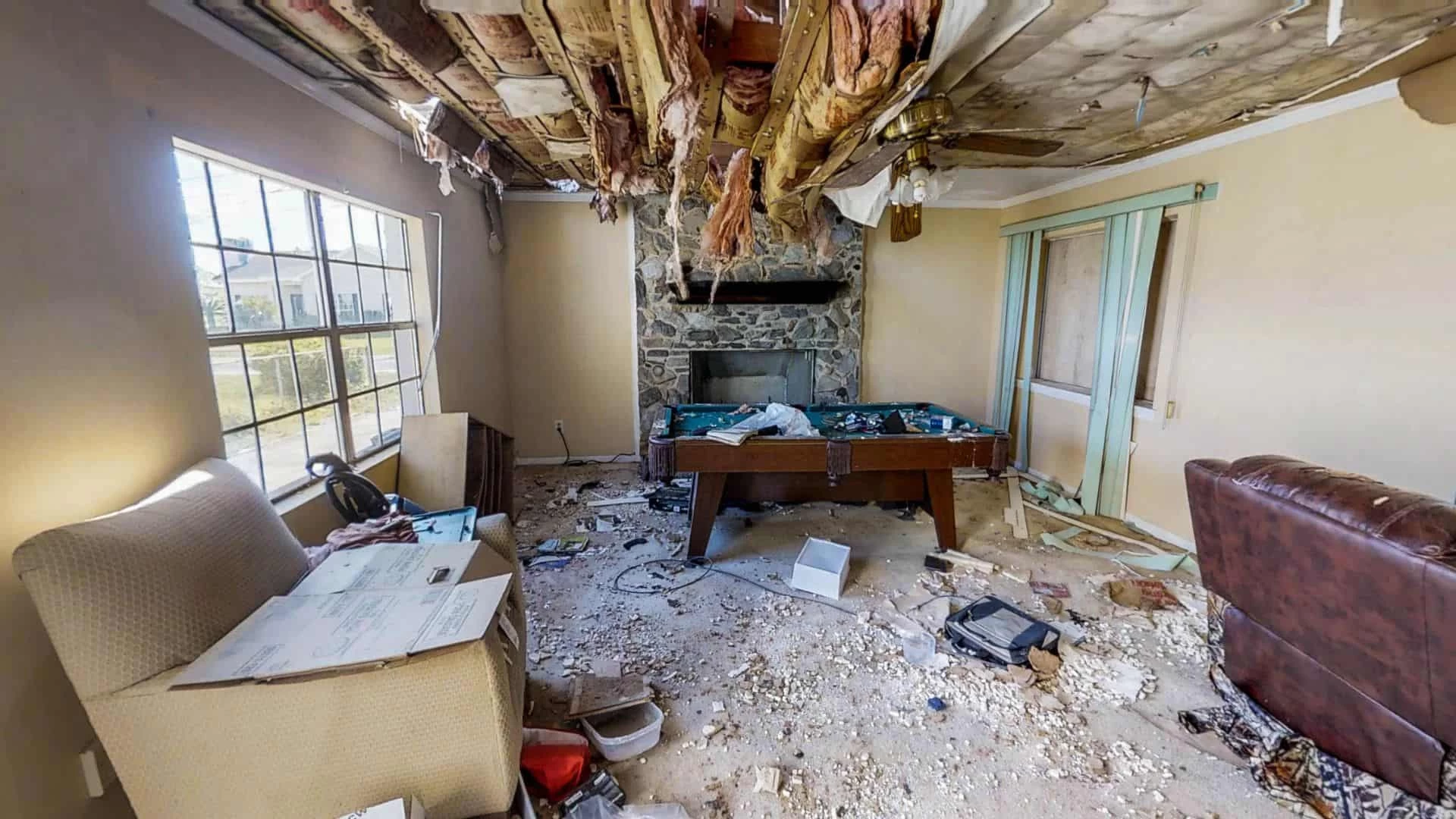
Water damage in a Terryville home rarely looks like what it actually is. You might see a wet corner of the basement or a stain on the ceiling but behind that, there’s often saturated insulation, soaked subfloor, and moisture working its way into wall cavities that have been there since the Eisenhower administration. By the time you smell something, the mold has already started. The IICRC the governing body for restoration standards documents that mold can begin growing within 24 to 48 hours of water exposure. That window is not forgiving.
Here’s what changes when the job is done correctly: you get a home that’s actually dry, not just one that looks dry. That means moisture readings taken at the wall, not just the surface. It means commercial drying equipment positioned based on airflow science, not guesswork. For Terryville homeowners sitting on homes now worth $500,000 to $700,000 or more, the difference between a thorough job and a surface-level one can show up months later as a mold problem or worse, as a disclosure issue when you go to sell.
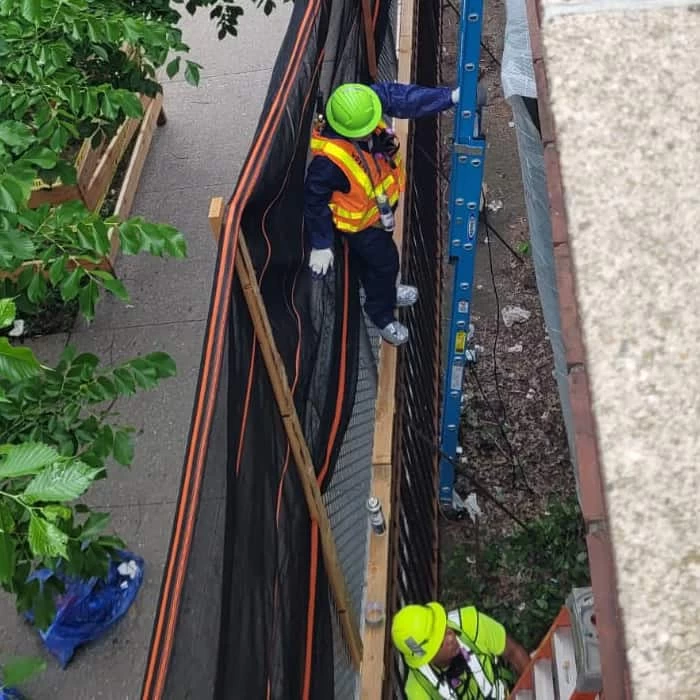
One more thing worth knowing: because most Terryville homes were built before 1980, there’s a real chance that any water damage job involving demo or drying of affected materials will run into asbestos-containing floor tiles, pipe insulation, or ceiling materials. We can handle abatement in-house without stopping the job to coordinate a separate contractor which keeps your restoration moving and your liability clean.
We’re a Long Island-based environmental and property restoration company not a franchise call center, not a national brand routing your emergency to whoever’s available. When you call, you reach a real local team that knows this area, knows the housing stock in Terryville, and knows the Town of Brookhaven’s permitting process because we’ve worked in it.
The communities around Terryville Port Jefferson Station, Coram, Selden, Mount Sinai are all part of our service area. We’ve been operating in this region for years and understand what it means to work in a 1960s ranch house off Terryville Road, where the floor tiles might be original and the pipe insulation hasn’t been touched since it was installed.
What sets us apart isn’t a tagline. It’s the combination of services under one roof: water damage mitigation, mold remediation, asbestos abatement, lead paint removal, and air quality testing. That matters here, in a community where the homes are older and the complications are real.
When you call us, the first thing that happens is triage someone knowledgeable picks up, asks the right questions, and gets a crew moving. Whether it’s a burst pipe at 2am in January or a basement that’s been slowly taking on water through an aging foundation wall, the response is the same: fast, local, and equipped.
On arrival, our team conducts a full moisture assessment using professional meters and thermal imaging cameras. This step matters more than most people realize. Water in a Terryville home from the 1960s or 1970s doesn’t stay in one place it travels through subfloors, along joists, and into wall cavities where a visual inspection won’t find it. Thermal imaging shows you what’s actually happening inside the structure, not just what’s visible on the surface.
From there, we extract standing water, set commercial-grade drying equipment, and monitor moisture levels until the structure reaches safe, documented dryness. If the job uncovers asbestos-containing materials which is a realistic scenario in most pre-1980 Terryville homes that work is handled in-house under New York State Department of Labor licensing requirements, without stopping your restoration to bring in a separate contractor. Once drying is complete, we handle the full restoration: drywall, flooring, structural repairs, and finishing work, bringing the home back to its pre-loss condition.
Everything Terryville Homes Actually Need After Water Damage
Water damage restoration in Terryville isn’t one-size-fits-all and we don’t treat it that way. For a community where the majority of homes were built between the 1950s and 1970s, the scope of a proper restoration often goes beyond extraction and drying. Here’s what’s typically included and why it matters for homes in this area.
Emergency water extraction and structural drying form the foundation of every job. Commercial dehumidifiers, air movers, and drying systems are placed based on the specific layout and construction of your home not a generic formula. For older Terryville homes with plaster walls, hardwood subfloors, and original framing, drying protocols are adjusted accordingly. Moisture documentation is maintained throughout the process, which matters significantly when an insurance claim is involved.
Mold assessment and remediation are available in-house when moisture intrusion has gone undetected common in homes where a slow leak behind a wall or under a floor has been quietly doing damage for weeks. We also provide asbestos abatement and lead paint management under the applicable New York State and EPA RRP requirements, which apply to virtually all renovation and restoration work in Terryville’s pre-1978 housing stock. Insurance claim support is part of our process as well we handle documentation, work directly with adjusters, and make sure you understand what your policy covers before any work begins. You have the right to choose your own restoration contractor in New York, and we’ll make sure you know that.
Does homeowners insurance cover water damage from a burst pipe in Terryville?
In most cases, yes sudden and accidental water damage from a burst pipe is covered under a standard homeowners insurance policy. The key word is “sudden.” If your insurer can show that the damage resulted from a slow leak or gradual deterioration that went unaddressed, they may try to deny or reduce the claim on the grounds of negligence or lack of maintenance.
For Terryville homeowners with older homes, this distinction matters. Cast-iron and galvanized steel plumbing common in homes built in the 1950s through 1970s can corrode from the inside over decades before showing any outward signs of failure. When a pipe finally gives, it often looks sudden even when it’s been weakening for years. Thorough documentation from the start of the restoration process is critical. We handle that documentation directly and work with your adjuster to support the full scope of the claim.
How quickly does mold start growing after water damage in my home?
According to the IICRC S500 Standard the governing protocol for professional water damage restoration mold can begin colonizing within 24 to 48 hours of water exposure. That’s not a worst-case scenario. That’s the standard timeline under normal indoor conditions.
In older Terryville homes, that window can feel even shorter. Homes built in the 1950s and 1960s often have organic materials in their wall cavities older drywall, wood framing, cellulose insulation that mold feeds on readily. Basements with limited ventilation and high humidity accelerate the process further. The practical takeaway: if you’ve had any water event in your home, even one that seems minor, getting a professional assessment done quickly is far less expensive than addressing an established mold problem weeks later. Mold remediation after the fact costs significantly more than proper drying done right the first time.
Do I need an asbestos test before water damage repairs in a Terryville home?
If your home was built before 1980 which describes the majority of homes in Terryville it’s worth taking seriously. Asbestos-containing materials were commonly used in floor tiles, pipe insulation, ceiling tiles, and joint compound in homes built through the late 1970s. Water damage restoration that involves removing or disturbing these materials without proper testing and handling puts you, your family, and your contractor at risk.
Under New York State Department of Labor regulations, asbestos abatement work must be performed by licensed contractors following specific protocols. If a restoration crew opens a wall or pulls up flooring in a pre-1980 Terryville home without assessing for asbestos first, they’re creating a liability problem and a potential health hazard. We handle asbestos testing, abatement, and restoration in-house meaning the job doesn’t stop, no separate contractor needs to be coordinated, and the work is done under the correct licensing from start to finish.
What causes most basement flooding in Terryville, and how is it fixed?
Unlike communities on Long Island’s south shore, Terryville doesn’t face coastal flooding or storm surge. The water damage here is driven by different factors: sump pump failures during heavy rain, water infiltration through aging foundation walls, and plumbing failures in homes with 50- to 70-year-old pipe systems. Spring is particularly active snowmelt combined with sustained rain saturates the ground, and sump pumps that have been dormant through a dry winter sometimes fail exactly when they’re needed most.
Fixing it properly starts with extraction removing all standing water as quickly as possible. From there, the focus shifts to structural drying: getting moisture out of the concrete, the framing, the insulation, and any materials that absorbed water during the event. A moisture meter reading at the surface isn’t enough. Professional equipment maps the full extent of saturation, including areas that won’t dry on their own with a consumer dehumidifier. Once the structure is confirmed dry, any damaged materials drywall, flooring, insulation are restored or replaced.
How long does water damage restoration typically take in a Terryville home?
The honest answer is that it depends on the scope, but a typical residential water damage job in Terryville runs anywhere from three to seven days for the drying phase alone. Commercial drying equipment needs time to pull moisture out of structural materials and in older homes with plaster walls, original hardwood floors, and dense framing, that process can take longer than it would in newer construction.
After drying is confirmed through moisture documentation, the restoration phase begins drywall repair, flooring work, painting, and any structural repairs. That timeline varies based on how much was affected. If the job uncovers complicating factors like asbestos-containing materials or lead paint both realistic in Terryville’s pre-1978 housing stock those need to be handled under the appropriate regulatory protocols before restoration work continues. We manage all of that in sequence, so there’s no gap in the timeline waiting for a separate contractor to come in.
Can water damage behind walls in a Terryville home cause long-term structural problems?
Yes and it’s one of the more common outcomes when water damage is addressed at the surface level but not fully dried. In Terryville’s older homes, water that migrates into wall cavities can saturate wood framing, sit against the subfloor, and wick into structural members that were never designed to stay wet. Over time, that leads to wood rot, weakened joists, and in more serious cases, compromised structural integrity that’s expensive to repair.
The issue is that none of this is visible from the outside. A wall can look and feel dry while the framing behind it is still holding significant moisture. This is exactly why professional moisture mapping using thermal imaging and calibrated meters matters so much. It’s not about being thorough for the sake of it. It’s about catching the damage that will absolutely show up later if it’s left behind. For homeowners in Terryville with significant equity in their homes, that hidden moisture is a real financial risk both in repair costs down the road and in what it can mean for a home inspection if you ever go to sell.