When a pipe bursts or a basement floods in Thornwood, every hour counts. We deliver 24/7 water damage restoration near Thornwood, NY fully licensed, IICRC-certified, and ready to move fast before mold takes hold.
I needed a professional consultation explanation of procedure for safe removal of Asbestos in my apartment complex. Without having an account yet, I was very impressed with the caring, knowledgeable and generous advice offered by Jessica, and will look forward to doing business in the future. Thank you so much! I feel much more informed about a sometimes scary endeavor. Peace. Nancy Silva Mineola, NY.
Mia Munoz
Used this company to clean up some water flood in my house. They were fast and easy to work with.very professional, Would recommend to anyone!
Nini Valle
Great company, had a flood and they responded quickly and efficiently. Billed my insurance company directly. I highly recommend this company!
joe colapietro, jr
I had pipe freeze in my basement right before a snow storm and they made to within an hour to help start the clean up process. They we by our side throughout the entire process and even helped with the insurance company. They did such a great job with the cleanup, repair, remidiation, I contracted them to perform the repairs and finishes in the basement. They came with enough manpower and material to get the job done. Leo and Jessica were nothing but a pleasure to deal with!!
Cristian Arredondo c
I had some water damage in my home and Green Island was able to take care of my issue quickly and effectively. I am very pleased with the work they did. They responded quickly and were very professional.
Michael M
Outstanding service! From the office to the field crew everyone was friendly, helpful and responsive. I highly recommend Green Island Group.
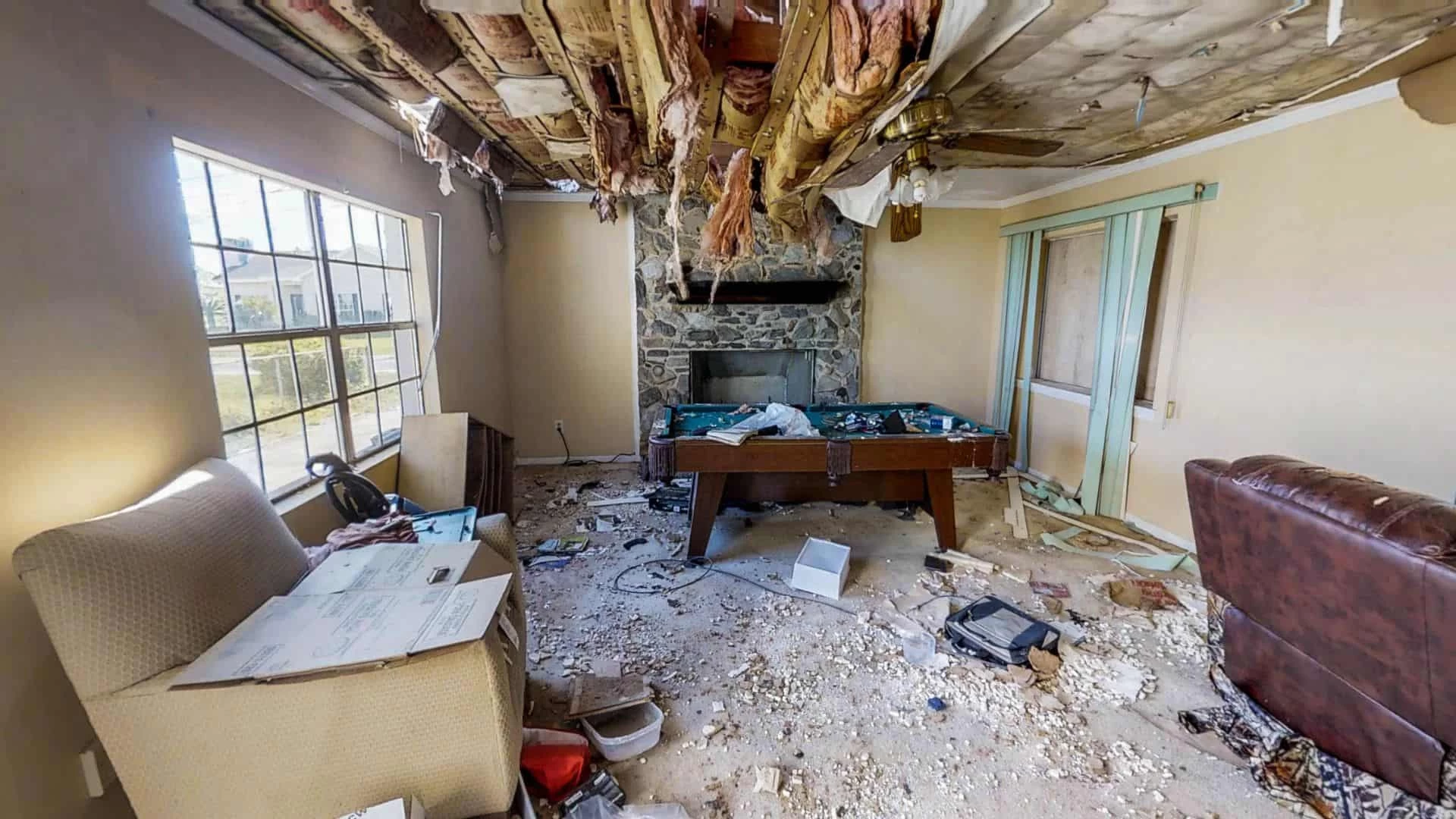
Water damage doesn’t stop when the water stops. What’s left behind soaked insulation, wet drywall, moisture trapped in crawl spaces is where the real problem starts. Mold can begin growing within 24 to 48 hours, and in Thornwood’s older housing stock, where homes were built anywhere from the 1920s through the 1970s, that window closes fast.
Most of the single-family homes in this hamlet weren’t built with modern waterproofing in mind. Finished basements, older plumbing, and limited airflow in below-grade spaces all create conditions where water sits longer and spreads further than you’d expect. Getting the moisture out completely not just off the surface is what separates a real restoration from a temporary fix.
When the job is done right, you’re not just dry. You’re protected. No hidden moisture behind walls, no secondary mold issue three weeks later, no contractor coming back to redo what should have been done the first time. You get your home back and the confidence that it’s actually been handled.
We’ve been handling water damage restoration in Thornwood and the surrounding Westchester area for over 12 years. That’s not a tagline it’s a track record. We’re IICRC-certified, fully insured for both liability and workers’ compensation, and hold NYS and NYC M/WBE Certified Contractor status. These aren’t boxes checked on a website they’re credentials that require active verification and ongoing compliance.
Thornwood sits in the Town of Mount Pleasant, and we understand what that means in practice: the Town’s building permit requirements for reconstruction work, the flooding patterns that hit Kensico Road and the surrounding streets during heavy rain events, and the type of housing stock that makes up this compact, 1.1-square-mile hamlet. That local knowledge shapes how every job gets scoped and executed.
You also get direct insurance billing, a 100% satisfaction guarantee, and financing up to $200,000 at 0% APR a combination no other local restoration company in this market offers.
From First Call to Final Walkthrough Here's the Process
It starts the moment you call. We operate 24/7, so whether it’s a burst pipe at 2 a.m. in January or a flooded basement after a summer storm rolls through the Pocantico River corridor, a crew can be dispatched immediately. The first step on arrival is assessment moisture mapping, identifying the source, and understanding the full scope of what’s wet, not just what’s visible.
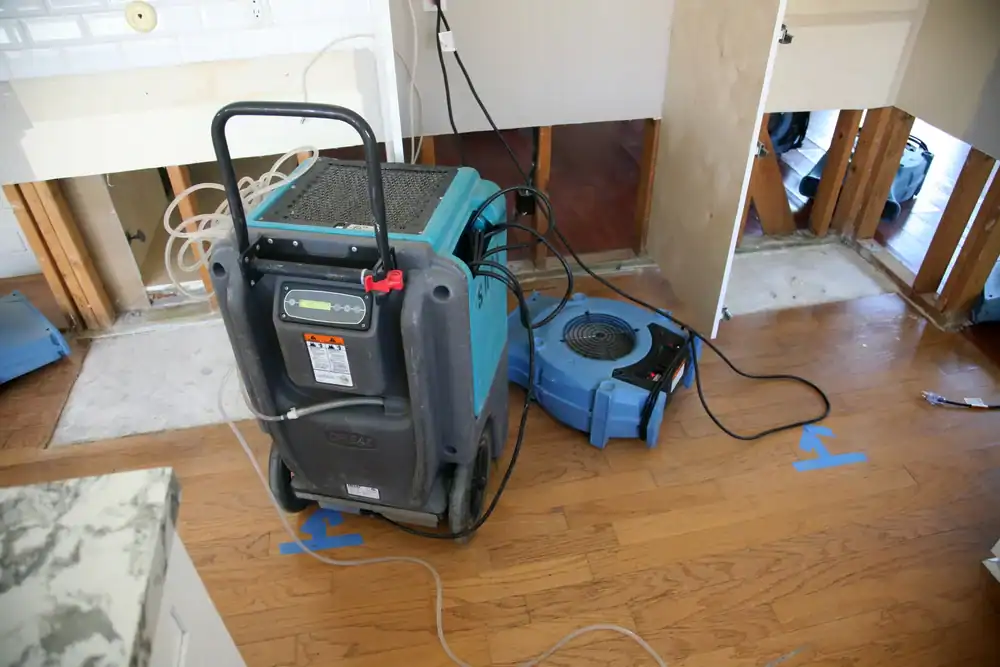
From there, extraction and structural drying begin. Industrial-grade equipment pulls water from flooring, walls, and subfloor materials. Dehumidification runs continuously until moisture readings confirm the structure is dry at depth not just on the surface. If your home’s age raises the possibility of asbestos-containing materials in pipe insulation, floor tiles, or joint compound (common in Thornwood homes built before 1978), we handle that in-house. No referrals, no second contractor, no delay.
Once the structure is fully dry and cleared, reconstruction begins. Drywall, flooring, trim, paint whatever the water took, we restore it. Any work requiring a permit through the Town of Mount Pleasant Building Department is handled as part of the process. You get one point of contact from start to finish, and a final walkthrough before the job is closed.
Water damage restoration isn’t one thing it’s a sequence of steps that only works if every one of them is done correctly. We cover the full scope: emergency water extraction, structural drying, moisture monitoring, mold prevention treatment, asbestos abatement when required, and complete reconstruction. That last part matters more than most homeowners realize. A lot of restoration companies handle the mitigation phase and then hand you off to a general contractor for repairs. That gap can add weeks to your timeline and leave you coordinating between two separate crews while living in a partially gutted home.
In Thornwood specifically, the combination of older homes and documented flooding risk the Town of Mount Pleasant has declared a state of emergency following severe flooding events that named Thornwood directly means the service scope here regularly includes more than just drying out a finished basement. It can involve asbestos-containing materials in walls and pipe chases, storm drain overflow affecting multiple entry points, and structural damage that requires permitted reconstruction through the Town.
Financing up to $200,000 at 0% APR means you don’t have to wait for an insurance check to authorize the work. And direct insurance billing means you don’t have to manage the adjuster process yourself. The work starts when it needs to not when the paperwork catches up.
Does homeowner's insurance cover water damage from a burst pipe in Thornwood?
In most cases, yes standard homeowner’s insurance policies cover sudden and accidental water damage, which includes burst pipes, supply line failures, and appliance malfunctions. What they typically don’t cover is gradual seepage, long-term leaks that went unaddressed, or external flooding from surface water. That last category is particularly relevant in Thornwood, where the Town of Mount Pleasant has issued flash flood warnings and declared a state of emergency following severe storm events. Surface water flooding from those events generally requires a separate National Flood Insurance Program (NFIP) policy.
The average water damage insurance claim in New York pays out around $15,400, but the actual payout depends heavily on documentation what was damaged, when, and how the scope is presented to the adjuster. We handle direct insurance billing, which means the documentation and communication with your insurer is managed on your behalf. That process alone can be the difference between a full payout and a partial one.
How quickly does mold start growing after water damage in my home?
Mold can begin colonizing wet materials within 24 to 48 hours under the right conditions and most flooded basements and water-damaged walls provide exactly those conditions. Warmth, moisture, and an organic material like drywall or wood framing are all it needs.
In Thornwood’s older single-family homes, the risk is compounded by construction characteristics that weren’t designed with modern waterproofing in mind. Finished basements with older drywall, limited airflow in crawl spaces, and plumbing that runs through unheated areas all create environments where moisture lingers. The key isn’t just getting the visible water out it’s confirming through moisture mapping that the structure is dry at depth before any reconstruction begins. Closing up a wall that’s still holding moisture is one of the most common causes of mold problems that appear months after a restoration job was supposedly completed.
What happens if my Thornwood home has asbestos and water damage at the same time?
This is a real scenario in Thornwood, and it’s more common than most homeowners expect. A significant portion of Thornwood’s housing stock was built between the 1920s and 1970s well within the era when asbestos was commonly used in pipe insulation, floor tiles, ceiling texture, and joint compound. When a water damage event requires opening walls, pulling up flooring, or accessing pipe chases, those materials can be disturbed.
Most restoration companies cannot legally handle asbestos and will stop work, refer you to a separate abatement contractor, and leave you managing two schedules and two invoices while your home sits partially open. We handle asbestos abatement in-house, which means the job doesn’t stop when asbestos is identified it continues under the appropriate protocols without adding a second contractor to the timeline. For homeowners in a pre-1978 Thornwood property, this single capability can save days of delay and significant coordination headache.
How long does water damage restoration typically take from start to finish?
The honest answer is that it depends on the scope, but most residential water damage restoration projects move through a predictable sequence. The initial extraction and emergency mitigation phase typically takes one to three days. Structural drying the process of pulling moisture out of walls, floors, and framing until readings confirm the structure is dry usually runs three to five days depending on how much material was affected and how long the water sat before extraction began.
Reconstruction replacing drywall, flooring, trim, and finishes varies based on the extent of the damage. A straightforward basement job might be completed in a week. A more involved project that includes permitted reconstruction through the Town of Mount Pleasant Building Department will take longer, since permit inspections are required at specific stages. We manage the permit process as part of the job, so you’re not chasing down the Town on your own. The goal is always a single, continuous timeline not a series of stops and starts.
What's the difference between water mitigation and full water damage restoration?
Water mitigation refers specifically to the emergency phase stopping the source, extracting standing water, and beginning the drying process to prevent further damage. It’s the first response. Restoration is everything that comes after: structural drying, moisture monitoring, mold prevention treatment, and the reconstruction of whatever the water damaged. Flooring, drywall, insulation, trim, paint bringing the home back to its pre-loss condition.
A lot of companies in the Westchester market offer mitigation but subcontract or refer out the restoration and reconstruction phase. That split creates a real problem for homeowners: two contractors, two timelines, and a gap period where the home is in a partially demolished state. We cover both phases under one roof, which means you’re not left coordinating between a mitigation crew and a separate general contractor. For a Thornwood homeowner managing a demanding schedule and a high-value property, that continuity matters.
Can Green Island Group work directly with my insurance company on the claim?
Yes and for most Thornwood homeowners, this is one of the most valuable parts of the service. Filing a water damage claim, documenting the scope accurately, communicating with the adjuster, and negotiating the payout is a process most people have never done before. It’s time-consuming, it requires specific documentation, and the outcome often depends on how well the damage is presented not just how bad it was.
We handle direct insurance billing, which means we manage the communication and documentation process with your insurer on your behalf. This doesn’t mean the claim is guaranteed to be approved at a specific amount, but it does mean the documentation is thorough, the scope is clearly presented, and the process isn’t left to a homeowner who’s already dealing with a disrupted household. Combined with financing up to $200,000 at 0% APR, this also means work can begin immediately without waiting for the insurance timeline to resolve before authorizing repairs.