Water Damage Restoration near University Gardens, NY
Your 1920s Tudor Needs More Than a Generic Crew
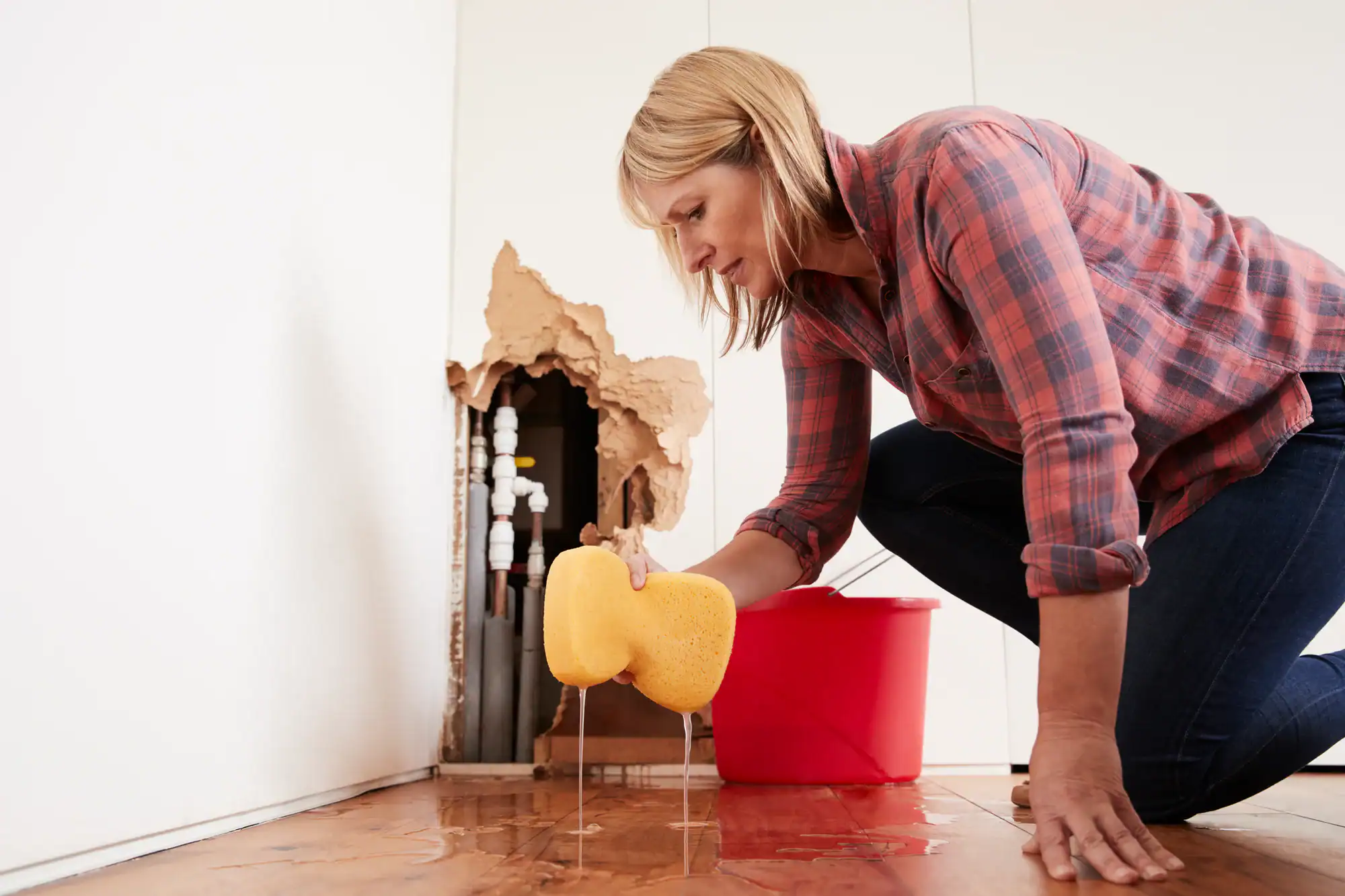
When water gets into a home built in the original University Gardens subdivision, it doesn’t behave the way it does in a modern house. We know what’s behind those plaster walls — and how to dry it the right way before mold makes the decision for you.
I needed a professional consultation explanation of procedure for safe removal of Asbestos in my apartment complex. Without having an account yet, I was very impressed with the caring, knowledgeable and generous advice offered by Jessica, and will look forward to doing business in the future. Thank you so much! I feel much more informed about a sometimes scary endeavor. Peace. Nancy Silva Mineola, NY.
Mia Munoz
Used this company to clean up some water flood in my house. They were fast and easy to work with.very professional, Would recommend to anyone!
Nini Valle
Great company, had a flood and they responded quickly and efficiently. Billed my insurance company directly. I highly recommend this company!
joe colapietro, jr
I had pipe freeze in my basement right before a snow storm and they made to within an hour to help start the clean up process. They we by our side throughout the entire process and even helped with the insurance company. They did such a great job with the cleanup, repair, remidiation, I contracted them to perform the repairs and finishes in the basement. They came with enough manpower and material to get the job done. Leo and Jessica were nothing but a pleasure to deal with!!
Cristian Arredondo c
I had some water damage in my home and Green Island was able to take care of my issue quickly and effectively. I am very pleased with the work they did. They responded quickly and were very professional.
Michael M
Outstanding service! From the office to the field crew everyone was friendly, helpful and responsive. I highly recommend Green Island Group.
What Changes When the Job Is Done Right in University Gardens
The difference between a restoration job that holds and one that doesn’t usually comes down to what happened inside the walls. Most of the original University Gardens subdivision was built in 1927, and the materials behind your plaster — old-growth wood framing, original subfloor, wood lath — absorb moisture deeply and hold it long after the surface feels dry. A crew that doesn’t account for that leaves you with a mold problem six weeks later.
When the work is done correctly, you get more than a dry floor. You get confirmation — through actual moisture readings, not a visual check — that the structure is dry all the way through. That matters especially in a University Gardens home with original hardwood floors and plaster walls, where the cost of getting it wrong the second time far exceeds the cost of doing it right the first time.
University Gardens also sits on Nassau County’s North Shore, where the groundwater table runs naturally high. Basement seepage here isn’t always the result of a dramatic storm — sometimes it’s just a wet week and a 90-year-old foundation doing what 90-year-old foundations do. Understanding that distinction changes how the job gets scoped, what equipment gets deployed, and what the finished result actually looks like.
Local Water Restoration Company near University Gardens, NY
One Company, One Number, No Runaround
Green Island Group is a Long Island-based water damage restoration company — not a franchise, not a call center, not a brand name licensed to a local operator. When you call, you reach the people who will actually show up. That’s a structural difference, not a marketing line.
We’ve worked on homes throughout Nassau County’s North Shore, including the pre-war construction that defines the original University Gardens subdivision. We know what original plaster walls look like when they’ve absorbed water. We know what the groundwater situation is in this part of North Hempstead. And we know that homeowners in University Gardens governed by the UGPOA since 1927 have an extra layer of process to navigate when restoration work involves structural changes — something most restoration companies have never even heard of.
That local knowledge isn’t incidental. It’s the reason jobs here go differently than they do when a national dispatch system sends whoever’s available.
Water Damage Restoration Process near University Gardens, NY
No Guesswork — Here's Exactly How We Work Through It
The first call triggers a same-day response. We don’t route you through a national system or put you on a callback list. A crew comes out, assesses the situation, and starts documenting immediately — photographs, moisture meter readings, written scope of loss. That documentation isn’t just for your records; it’s what your insurance adjuster will use to evaluate the claim.
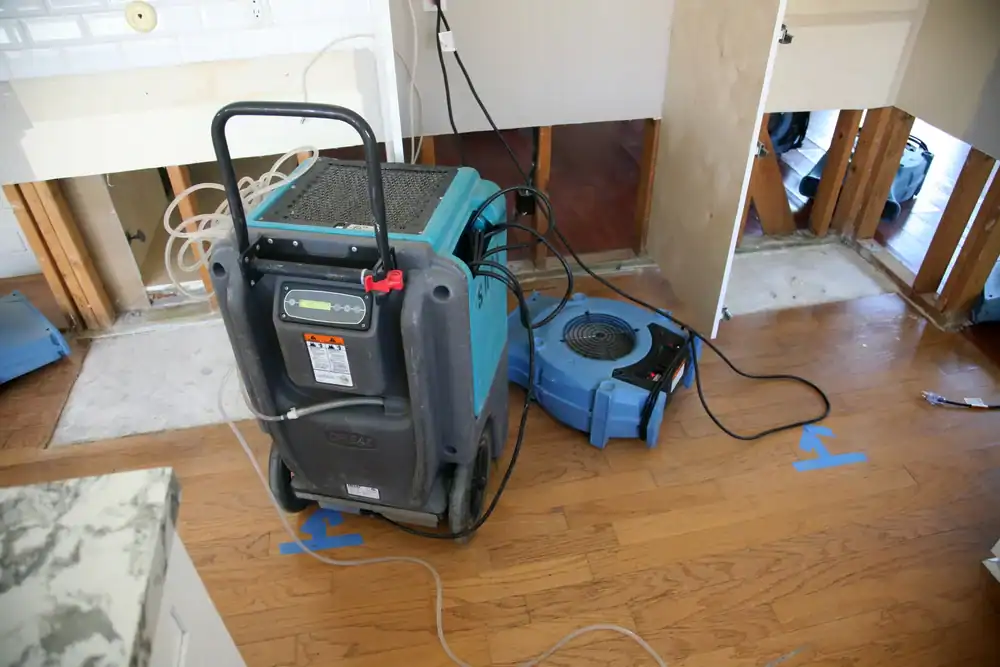
From there, we extract standing water and set up industrial drying equipment. This isn’t the kind of equipment you can buy at a hardware store. Desiccant dehumidifiers and high-velocity air movers are built to pull moisture out of structural cavities — not just move surface air around. In a University Gardens home with plaster walls and original framing, that distinction is the difference between apparent dryness and actual dryness.
We monitor moisture levels throughout the drying process, adjusting equipment placement as readings change. If the work involves structural repairs — demo of water-damaged materials, for example — and your home is in the original University Gardens subdivision, we’ll flag what may require UGPOA Board review before work proceeds. Most restoration companies won’t know to mention that. We do. Once moisture readings confirm the structure is dry, we walk you through the documentation, coordinate directly with your adjuster, and make sure nothing gets left open-ended.
Water Restoration Services near University Gardens, NY
Built for Older Homes, Not Generic Square Footage
Water damage restoration in University Gardens isn’t one-size-fits-all, and we don’t treat it that way. The service covers water extraction, structural drying, moisture mapping, mold assessment, and full insurance documentation — but how that plays out depends heavily on what your home is made of and what actually happened.
For homes in the original 1927 University Gardens subdivision, that means accounting for plaster walls, wood lath, original hardwood floors, and aging drainage that wasn’t designed for today’s rainfall intensity. For units in the Great Neck Terrace complex — the 652-unit garden apartment development within the hamlet — it means understanding how water migrates between units in a shared-structure building, which requires a different assessment approach entirely.
We’re also fully licensed under New York State’s 2016 Mold Law, which requires separate licensing for mold assessment and remediation. A lot of operators working in Nassau County don’t hold those licenses — and work performed by unlicensed contractors may not be recognized by your insurance carrier. That’s not a risk worth taking in a home valued near $870,000. We carry the required state licenses and can provide license numbers before any work begins.
Does homeowners insurance cover water damage in University Gardens, NY?
Most standard homeowners insurance policies cover sudden and accidental water damage — a burst pipe, an appliance failure, a roof leak from a storm. What they typically don’t cover is gradual damage: a slow leak that’s been going on for months, or seepage that results from long-term drainage failure. In University Gardens, where a significant portion of the housing stock is 70 to 100 years old, the line between “sudden” and “gradual” can get complicated when aging pipes or original drainage systems are involved.
The best thing you can do is call us before you call your insurance company. When we arrive, we document the source, the timeline, and the extent of damage in a way that supports your claim. That documentation matters — adjusters are looking for specific information, and a thorough scope of loss from the first hour of response gives you a much stronger position than a homeowner’s description after the fact. We work directly with major carriers and can communicate with your adjuster throughout the process.
How fast does mold actually start growing after water damage?
The EPA and IICRC both put the window at 24 to 48 hours. The more important question for University Gardens homeowners is where that mold starts growing, because in a pre-war home, it’s usually somewhere you can’t see.
Modern drywall releases moisture relatively quickly and fails visibly — you see the bubble, the stain, the deterioration. Plaster walls and old-growth wood framing absorb moisture deeply and can appear completely normal on the surface while harboring active mold growth inside the wall cavity. That’s why we use thermal imaging cameras and calibrated moisture meters, not just a visual inspection. If there’s moisture behind your walls, we find it. If we can’t confirm it’s dry all the way through, we don’t declare the job done.
Why does my University Gardens basement flood even when there's no major storm?
This is one of the most common questions we get from homeowners on Nassau County’s North Shore, and the answer is groundwater. University Gardens sits in an area with a naturally high water table. During periods of sustained rainfall — even moderate rainfall spread over several days — the groundwater level rises. When it rises high enough, it pushes against your foundation from the outside. A 90-year-old foundation with original drainage wasn’t built to handle that kind of pressure indefinitely.
This is different from a pipe burst or an appliance failure, and it requires a different remediation approach. Groundwater seepage into a basement often means the moisture source is still active when we arrive, which affects equipment placement, drying timelines, and how we scope the job for insurance purposes. If your basement floods regularly without an obvious cause, the answer is almost certainly the water table — and the fix involves more than just drying what’s wet.
How long does water damage restoration typically take to complete?
The drying phase alone usually takes three to five days, depending on how much water entered the structure, how long it sat before extraction, and what materials absorbed it. In a University Gardens home with plaster walls and original hardwood floors, drying can take longer than in a modern home with drywall and engineered wood — those older materials are more porous and hold moisture at a deeper level.
After structural drying is confirmed through moisture readings, the scope of remaining work depends on what needs to be repaired or replaced. If the damage is limited to finishes — flooring, baseboards, drywall patches — the timeline is shorter. If water reached structural framing, subfloor, or original millwork, the repair phase extends accordingly. For homes in the original University Gardens subdivision, any structural repair work may also require UGPOA Board review before it proceeds, which is worth factoring into your planning from the start. We’ll walk you through what applies to your specific situation on the first visit.
What's the difference between a local water restoration company and a national franchise?
The structural difference is accountability. A national franchise like SERVPRO or 1-800 Water Damage licenses its brand name to local operators. The quality, the crew, and the communication vary from one franchise owner to the next — and when you call at 2am, you may be routed through a national dispatch system before anyone local even knows your name.
Green Island Group is a Long Island company. There’s no franchise layer, no national call center, no subcontracted crew showing up unfamiliar with your home. In a community as close-knit as University Gardens — where the original subdivision has 218 homes and an active homeowners association that’s been running since 1927 — the company you call will be talked about. Neighbors ask each other who they used, how fast they showed up, and whether the insurance claim got handled properly. That accountability is something a national brand operating through a franchise model simply doesn’t have to answer to the same way we do.
Do I need a permit for water damage restoration work in University Gardens?
It depends on the scope of work. Water extraction and structural drying typically don’t require a permit. But if the restoration involves structural repairs — replacing damaged framing, significant demolition, electrical work, or anything that changes the structure of the home — a building permit from the Town of North Hempstead is required. University Gardens is an unincorporated hamlet, so the Town’s Building Department governs permit requirements here, not a village government.
There’s also a layer specific to University Gardens that most restoration companies won’t mention: if your home is in the original University Gardens subdivision, the UGPOA’s recorded covenants from 1927 require that construction plans be submitted to the Board for review and approval before structural work proceeds. This applies even to restoration work. It’s not a barrier — it’s a process — but it’s one you want to know about before a crew starts demoing water-damaged walls. We’re familiar with how it works and can help you navigate it alongside the permit process so nothing gets held up unnecessarily.