When a Vacant Hamptons Home Floods, Hours Are Everything
Water damage in a seasonal property doesn’t wait for you to drive out from the city and in Water Mill, the gap between when it happens and when it’s found can cost you tens of thousands of dollars in mold remediation and structural repairs.
I needed a professional consultation explanation of procedure for safe removal of Asbestos in my apartment complex. Without having an account yet, I was very impressed with the caring, knowledgeable and generous advice offered by Jessica, and will look forward to doing business in the future. Thank you so much! I feel much more informed about a sometimes scary endeavor. Peace. Nancy Silva Mineola, NY.
Mia Munoz
Used this company to clean up some water flood in my house. They were fast and easy to work with.very professional, Would recommend to anyone!
Nini Valle
Great company, had a flood and they responded quickly and efficiently. Billed my insurance company directly. I highly recommend this company!
joe colapietro, jr
I had pipe freeze in my basement right before a snow storm and they made to within an hour to help start the clean up process. They we by our side throughout the entire process and even helped with the insurance company. They did such a great job with the cleanup, repair, remidiation, I contracted them to perform the repairs and finishes in the basement. They came with enough manpower and material to get the job done. Leo and Jessica were nothing but a pleasure to deal with!!
Cristian Arredondo c
I had some water damage in my home and Green Island was able to take care of my issue quickly and effectively. I am very pleased with the work they did. They responded quickly and were very professional.
Michael M
Outstanding service! From the office to the field crew everyone was friendly, helpful and responsive. I highly recommend Green Island Group.
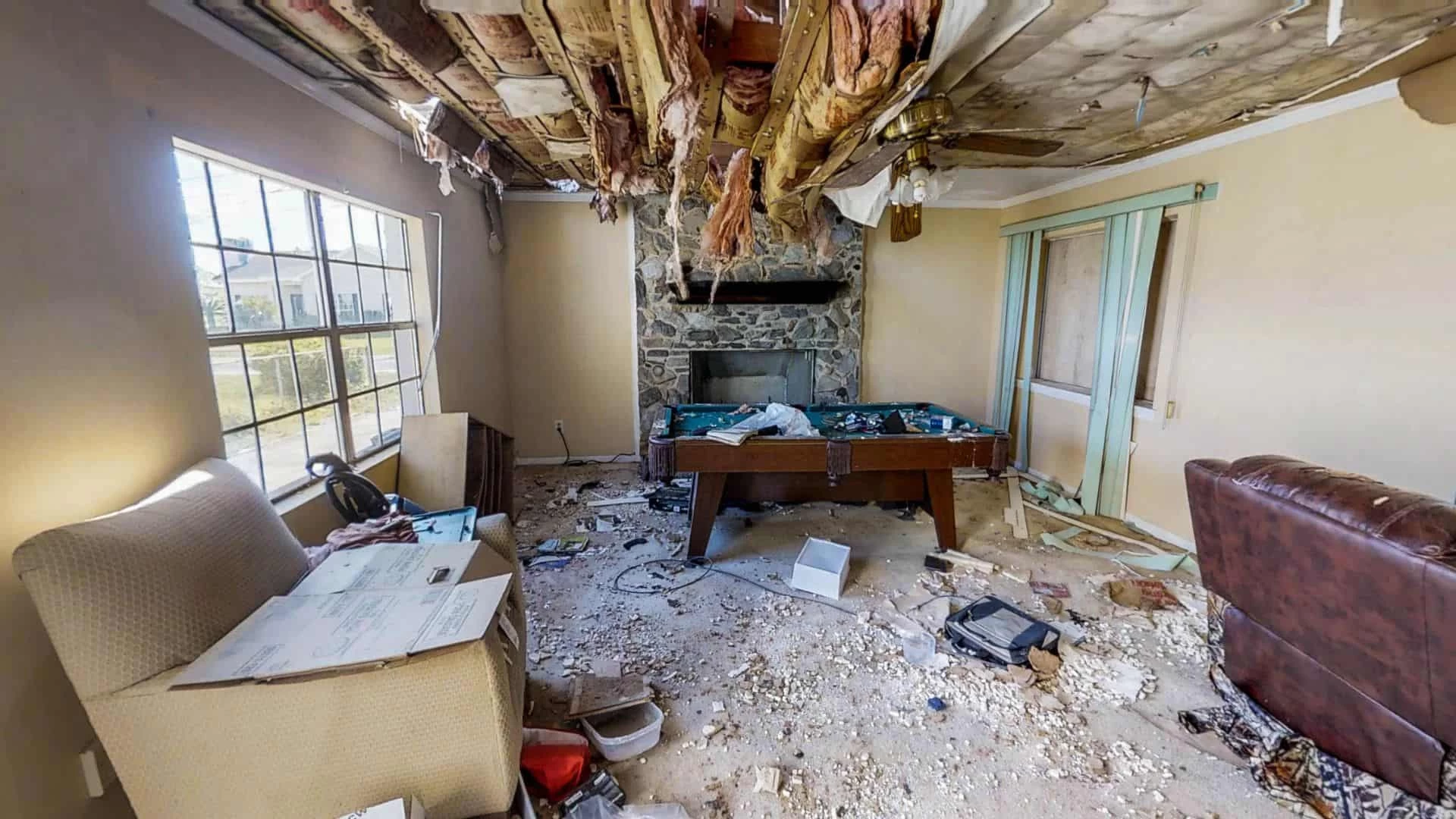
Most water damage jobs in Water Mill aren’t discovered right away. A pipe bursts in January, the house sits empty until March, and by the time a caretaker walks in, what started as a manageable extraction job has turned into a mold remediation project behind walls, under floors, and inside structural framing. Getting ahead of that cascade fast is the only thing that keeps a costly situation from becoming a catastrophic one.
When water damage is handled correctly, you’re not just drying out a floor. You’re protecting the structural integrity of a property that may be worth $3 million, $5 million, or more. In Water Mill, where Mecox Bay waterfront homes and historic estates along Old Mill Road carry enormous value, improperly remediated water damage creates disclosure obligations under New York real estate law that can follow a property for years and reduce its resale value dramatically.
There’s also the mold reality that most people don’t fully absorb until it’s too late: mold can begin growing within 24 to 48 hours of water exposure. In a home that’s been unoccupied all winter, that window closes fast. When the work is done right full extraction, structural drying, moisture mapping, and verified clearance you get your home back in the condition it was in before any of this happened. That’s the actual goal.
Long Island-Based Expertise, Not a National Call Center
We’re a Long Island-based environmental and property restoration company not a franchise, not a lead-generation service routing your call to whoever’s available. When you call us, you’re reaching a real local team that knows what water damage looks like in a 19th-century Water Mill farmhouse versus a modern estate off Scuttle Hole Road, and understands what it means to work in Southampton Town with its own permitting process and building department requirements.
What sets us apart in this market is the scope of what we handle in-house. Water damage, mold remediation, asbestos testing and abatement, lead paint removal, air quality testing it’s all one company. That matters enormously in Water Mill, where a significant portion of the housing stock predates modern building standards and may contain asbestos or lead paint that has to be addressed before restoration work can safely proceed.
One call starts the whole process. No contractor handoffs, no coordination gaps, no waiting on a separate abatement crew before the real work can begin.
Water Damage Restoration Service near Water Mill, NY
From the First Call to a Fully Restored Water Mill Property
It starts the moment you call 24 hours a day, seven days a week. Whether you’re standing in a flooded basement on Flying Point Road or getting a call from your property manager while you’re still in the city, our response begins immediately. A crew is dispatched, and the priority is stopping the damage from spreading before anything else.
On-site, the first step is a full moisture assessment using thermal imaging cameras and professional moisture meters. Water migrates behind custom millwork, under wide-plank hardwood floors, into insulation and wall cavities and in a luxury home, the hidden damage is often more expensive than what’s visible on the surface. Every affected area gets mapped before any drying equipment is placed, so nothing gets missed and nothing gets dried in the wrong order.
From there, commercial-grade extraction and structural drying equipment runs until verified clearance is reached not until it looks dry, but until the readings confirm it. If the property is older and materials like asbestos or lead paint are a factor, that’s identified and addressed in-house before any demolition or restoration work begins. Southampton Town permits are handled as part of the process when structural repairs are required, and throughout all of it, your insurance carrier is kept in the loop with the documentation they need to process the claim.
Full-Scope Restoration Built for Water Mill's High-Value Properties
Water damage restoration in Water Mill isn’t a one-size-fits-all job. The properties here range from historic structures near the Water Mill Museum on Old Mill Road to modern estates along Mecox Bay and each one comes with its own construction profile, its own flood exposure, and its own set of complications. Our restoration process is built to handle that full range, not just the straightforward cases.
Every job we handle includes emergency water extraction, structural drying with commercial-grade dehumidification, complete moisture mapping with thermal imaging, and mold prevention treatment. For properties with older construction anything built before 1978 is a candidate we screen for asbestos and lead paint in-house before any invasive work begins. That’s not an add-on or a referral to another company. It’s part of the same scope, handled by the same team, under one roof.
For Water Mill’s second-home owners specifically, there’s also the insurance piece. We work directly with carriers including the high-net-worth specialty policies common in this market managing documentation, adjuster communication, and direct billing so the claims process doesn’t fall on the homeowner to navigate alone. The goal from start to finish is a property that’s fully restored, fully documented, and protected against what comes next.
How quickly can water damage turn into a mold problem in a vacant Water Mill home?
The honest answer is faster than most people expect. According to IICRC standards the governing body for professional water damage restoration mold can begin colonizing water-damaged materials within 24 to 48 hours of initial exposure. In a Water Mill home that’s been unoccupied since November, that window doesn’t just close quickly it may have already closed by the time anyone discovers the problem.
This is the defining risk for seasonal properties on the South Fork. A burst pipe in a vacant estate in Water Mill isn’t a $4,000 extraction job if it goes undetected for two weeks. It becomes a major remediation project with mold potentially established behind walls, under subfloor, and inside structural framing. The most important thing you can do if you suspect water damage in a property that’s been sitting empty is to call for an emergency assessment immediately not after you’ve driven out to look at it yourself, because by then the 48-hour window is long gone.
Does homeowner's insurance typically cover water damage restoration in Water Mill, NY?
It depends on the source of the water and the specific policy, but most standard homeowner’s insurance policies cover sudden and accidental water damage a burst pipe, a failed appliance, an overflow event. What they typically don’t cover is flooding from an external source, like storm surge from Mecox Bay or Atlantic-driven flooding during a nor’easter or hurricane. For that, you’d need a separate flood insurance policy through FEMA’s National Flood Insurance Program or a private flood carrier.
Many Water Mill homeowners particularly those with waterfront or near-waterfront properties carry both. High-net-worth specialty carriers like Chubb, AIG Private Client, and PURE Insurance are common in this market and have their own documentation requirements and adjuster relationships. We work directly with all of these carriers, handling the documentation and adjuster communication on your behalf so the claim is processed correctly and completely without you managing it from a distance.
What's the difference between water mitigation and full water damage restoration?
Mitigation is the emergency phase stopping the damage from getting worse. That means extraction, drying, and containment. It’s the immediate response that happens in the first 24 to 72 hours, and it’s critical. But mitigation alone doesn’t restore your home to the condition it was in before the event. That’s where full restoration comes in.
Restoration covers everything that comes after drying is complete: repairing or replacing damaged drywall, flooring, insulation, cabinetry, and structural elements. In a Water Mill property with high-end finishes custom millwork, imported tile, wide-plank hardwood restoration isn’t just functional repair, it’s matching materials and quality to what was there before. We handle both phases under one roof, which matters because the handoff between a mitigation-only company and a separate restoration contractor is where projects stall, where scope gets disputed, and where homeowners end up managing a process they shouldn’t have to manage.
Do you need permits for water damage repairs in Water Mill, NY?
For surface-level work drying, extraction, replacing drywall in kind permits are generally not required. But once the scope expands into structural repairs, framing, electrical, or plumbing, you’re in Southampton Town Building Department territory, and permits are required before that work can legally proceed. This is one of the areas where working with a company unfamiliar with Southampton Town’s specific process creates real problems.
Southampton Town has its own building department, its own code requirements, and its own inspection schedule separate from other Long Island municipalities. An out-of-area contractor who files incorrectly or skips the permit process can create delays that stretch a restoration project by weeks, or worse, create compliance issues that surface during a future sale. We’re familiar with Southampton Town’s permitting process and handle the filing and coordination as part of the restoration scope when structural work is involved.
How do you handle water damage in older Water Mill homes that might have asbestos or lead paint?
This is one of the most important questions to ask before hiring any restoration company in Water Mill, and most homeowners don’t think to ask it until it becomes a problem mid-project. Any home built before 1978 is a candidate for asbestos-containing materials insulation, floor tiles, pipe wrapping, joint compound and lead paint on walls, trim, and windows. Water Mill has a significant inventory of pre-1978 homes, including historic farmhouses and estates that date back much further.
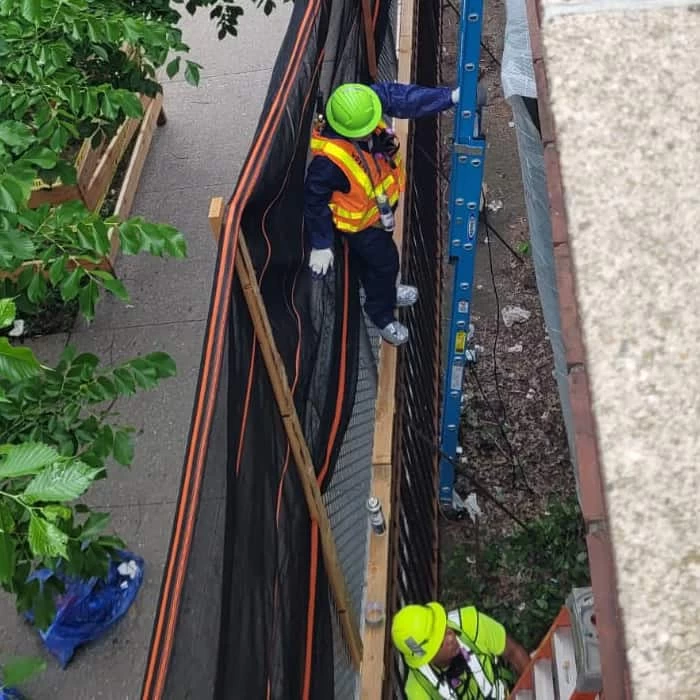
When water damage restoration requires opening walls, removing flooring, or disturbing building materials in these older homes, those materials have to be tested and addressed before any demolition or restoration work can safely proceed. We handle asbestos testing and abatement, lead paint testing and removal, and air quality testing in-house the same company, the same crew, no referrals to a separate abatement contractor. That means no delays waiting for another company to clear the site, and no gap in accountability between the abatement work and the restoration work that follows.
What should I do first if I find water damage in my Water Mill property?
Call for professional help before you do anything else. The instinct to start pulling up wet carpet or running box fans is understandable, but improper drying moving air across saturated materials without first mapping where the moisture actually is can spread contamination and push water deeper into structural cavities. In a home with plaster walls, wood framing, or older construction, that makes the remediation significantly more complicated and expensive.
If the water source is still active a burst pipe, a failed sump pump, an overflowing appliance shut off the water supply to the property if you can do so safely, then call. If you’re not on-site, call your property manager or caretaker and have them do the same while you reach out to us directly. Our 24/7 emergency line exists precisely for this situation a Water Mill homeowner who’s 90 miles away in Manhattan, getting a call at 11pm about a flooded basement, needs someone who can respond immediately and start the process before the damage compounds overnight.