When the Bay Shore Floods, West Bay Shore Pays the Price
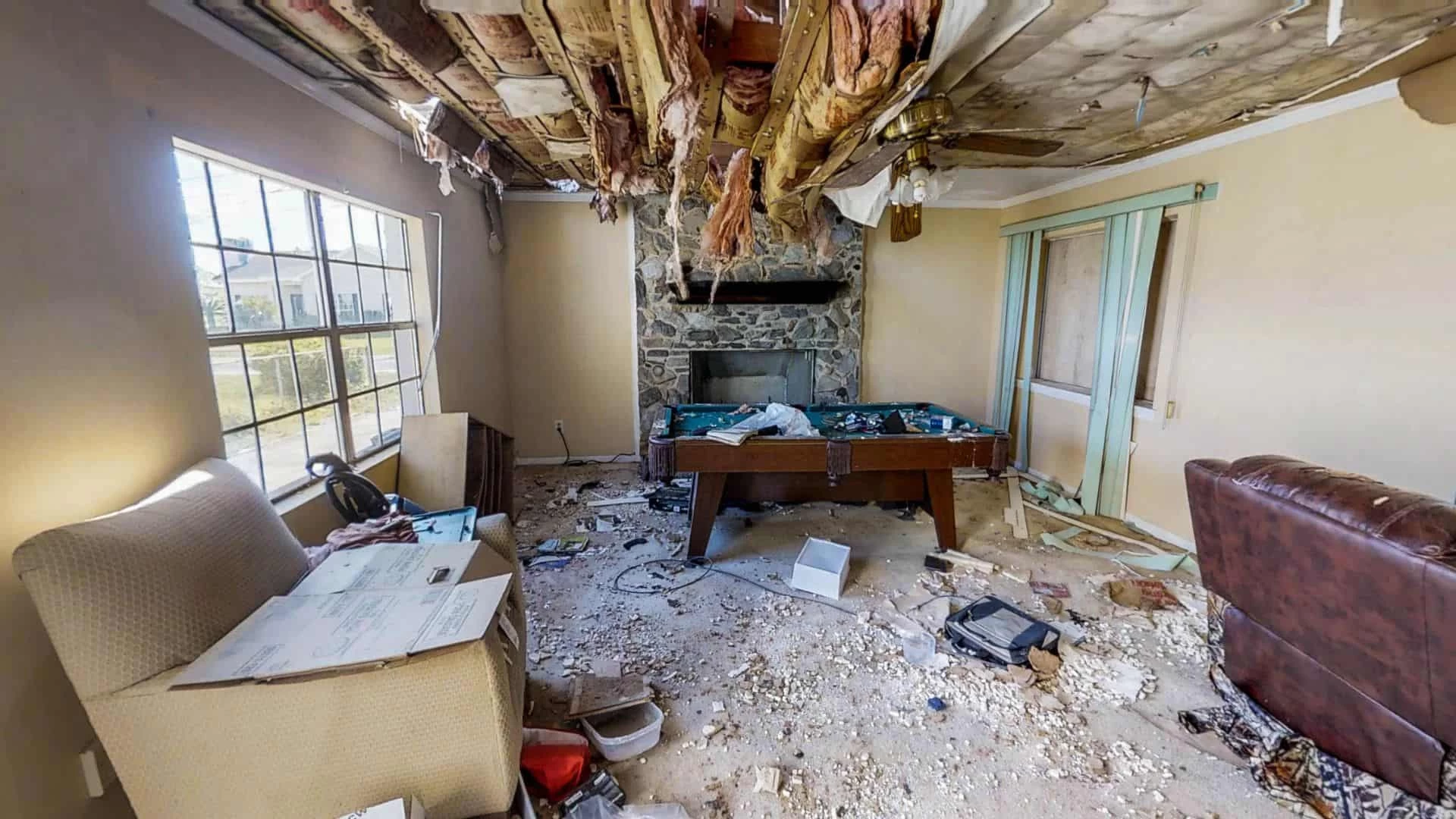
Water damage moves fast on the South Shore and in West Bay Shore, the Great South Bay, a high water table, and aging post-war homes make every storm hit harder. We respond 24/7 with local crews who know exactly what they’re walking into.
I needed a professional consultation explanation of procedure for safe removal of Asbestos in my apartment complex. Without having an account yet, I was very impressed with the caring, knowledgeable and generous advice offered by Jessica, and will look forward to doing business in the future. Thank you so much! I feel much more informed about a sometimes scary endeavor. Peace. Nancy Silva Mineola, NY.
Mia Munoz
Used this company to clean up some water flood in my house. They were fast and easy to work with.very professional, Would recommend to anyone!
Nini Valle
Great company, had a flood and they responded quickly and efficiently. Billed my insurance company directly. I highly recommend this company!
joe colapietro, jr
I had pipe freeze in my basement right before a snow storm and they made to within an hour to help start the clean up process. They we by our side throughout the entire process and even helped with the insurance company. They did such a great job with the cleanup, repair, remidiation, I contracted them to perform the repairs and finishes in the basement. They came with enough manpower and material to get the job done. Leo and Jessica were nothing but a pleasure to deal with!!
Cristian Arredondo c
I had some water damage in my home and Green Island was able to take care of my issue quickly and effectively. I am very pleased with the work they did. They responded quickly and were very professional.
Michael M
Outstanding service! From the office to the field crew everyone was friendly, helpful and responsive. I highly recommend Green Island Group.
Your Home Dried Out, Documented, and Back to Normal
When water gets into your home, the clock starts immediately. Mold can begin forming within 24 to 48 hours and in West Bay Shore, where the water table sits naturally high thanks to the coastal plain geology along the Great South Bay, moisture doesn’t just come from above. It comes up through basement floors and seeps through block walls even when there’s no storm surge and no burst pipe. That’s a different kind of problem, and it needs a different kind of response.
What you get when this is handled correctly isn’t just a dry floor. It’s walls that are structurally sound, air that’s safe to breathe, and documentation your insurance company can actually use. For homeowners in West Bay Shore’s post-World War II housing stock homes that are 50 to 70 years old with original plumbing, original materials, and potentially asbestos or lead in the walls that documentation matters more than most people realize before they need it.
The goal isn’t to get your home looking dry. It’s to get it actually dry, fully restored, and confirmed safe so you’re not dealing with a mold problem six weeks from now because someone set up a fan and called it done.
Water Restoration Companies Serving West Bay Shore
One Company That Handles the Whole Job
We’re a Long Island-based environmental and restoration company serving West Bay Shore and the broader Town of Islip. This isn’t a national franchise routing your call to whoever’s available in a 50-mile radius. We’re a local company with real crews, real accountability, and direct knowledge of what South Shore homes in West Bay Shore face from nor’easter flooding along Montauk Highway to basement water intrusion in the neighborhoods between the Southern State and the Bay.
What makes the difference here isn’t just the water extraction equipment. It’s that we handle water damage, mold remediation, asbestos testing and abatement, and air quality testing all under one roof. In a community where a significant portion of homes were built before 1978, that matters. Water damage in an older West Bay Shore home can quickly become a multi-layered problem and having one company that can handle every layer means no handoffs, no delays, and no gaps in the work.
When you call, you reach someone who knows where West Bay Shore is, knows what the August 2024 flooding did to this area, and can get a crew moving without putting you on hold.
Water Damage Restoration Service in West Bay Shore
What Actually Happens From First Call to Final Walkthrough
The first call triggers an immediate assessment. We dispatch a crew not scheduled for next week, not routed through a call center and when they arrive, the first thing they do is find all the water, not just the water you can see. Thermal imaging cameras and professional moisture meters go into the walls, under the floors, and into the ceiling cavities where water migrates and hides. In West Bay Shore’s older homes, with plaster walls and original subfloor construction, water travels further and faster than most people expect.
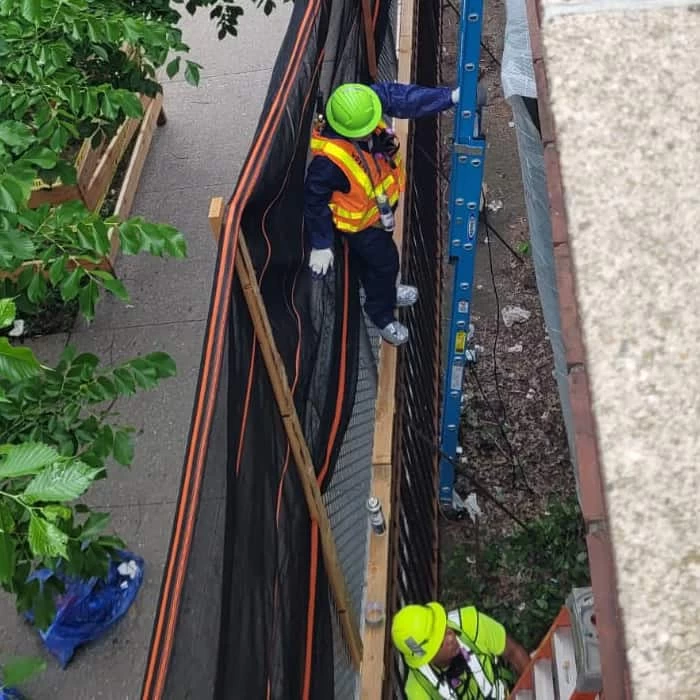
Once the full scope is mapped, extraction and structural drying begin. This isn’t consumer-grade equipment it’s commercial drying systems calibrated to the specific moisture load in your home. If the damage involves materials that may contain asbestos or lead which is a real possibility in pre-1980s homes throughout the Town of Islip that gets identified before demolition begins, not after. The Town of Islip has building permit requirements for structural repairs and reconstruction, and work that involves opening walls or replacing framing needs to comply. We handle that process as part of the job.
Throughout the project, damage is documented in a format that insurance adjusters can work with directly. When the drying is complete, moisture readings confirm it not a visual check, not a guess.
Full Restoration, Not Just Extraction and a Dehumidifier
Water damage restoration in West Bay Shore covers the full scope of what the work actually requires here not a stripped-down version of it. That means water extraction, structural drying, moisture mapping, mold prevention treatment, and complete property restoration back to pre-damage condition. For homes in the 11706 zip code corridor Bay Shore, Baywood, Brightwaters, and the surrounding neighborhoods that often means addressing materials and conditions that a company focused only on drying simply can’t handle.
When water damage in an older home requires opening walls or removing flooring, the presence of asbestos-containing materials is a legitimate concern. We carry the New York State Department of Labor certifications required for asbestos abatement, which means the job doesn’t stop at the point where other contractors have to bring in someone else. If mold is already present when the crew arrives common in West Bay Shore homes where basement moisture has been a slow, ongoing issue mold remediation is handled as part of the same project.
Insurance documentation is built into the process from the start. We work directly with your adjuster, handle the communication, and bill the insurance company directly where coverage applies. If you’ve never filed a water damage claim before, that guidance alone is worth a significant amount of the stress you’d otherwise carry through the process on your own.
Does homeowners insurance cover basement flooding in West Bay Shore, NY?
It depends on what caused the flooding and that distinction is the most important thing to understand before you file a claim. Standard homeowners insurance typically covers sudden and accidental water damage, like a burst pipe or a washing machine that failed unexpectedly. What it generally does not cover is flooding from an external water source storm surge from the Great South Bay, groundwater infiltration from West Bay Shore’s naturally high water table, or heavy rainfall that overwhelms drainage systems. That type of flooding requires a separate NFIP flood insurance policy.
Sewage backup is also typically excluded unless you’ve added a specific rider to your policy. If the August 2024 flooding event affected your home in West Bay Shore and you’re still sorting out what was and wasn’t covered, that’s a conversation worth having with your adjuster directly and one we can help you navigate. The documentation of damage scope, timing, and cause is often what determines whether a claim gets approved or denied, and having that documentation prepared professionally makes a real difference.
How quickly can mold develop after water damage in my home?
Mold can begin colonizing within 24 to 48 hours of water exposure. The catch is that mold doesn’t need standing water to grow. It needs moisture, and in West Bay Shore homes especially older ones with basement walls that absorb groundwater through hydrostatic pressure that moisture can be present in materials that look and feel dry on the surface.
The reason professional moisture mapping matters so much here is that mold establishes itself in the places you can’t see: inside wall cavities, beneath subfloor, behind insulation. By the time it’s visible, it’s already been growing for days or weeks. Getting a crew in quickly, mapping the full moisture load, and beginning structural drying within that first 24-hour window is what prevents a water damage call from turning into a mold remediation project. If there’s already mold present when the team arrives, we address that as part of the same scope not handed off to a separate contractor weeks later.
What should I do immediately after discovering water damage in my home?
The first thing to do is stop the source if you can shut off the main water supply if it’s a plumbing failure, or move away from any area where structural safety is a concern. After that, avoid the instinct to start pulling up carpet or running fans before a professional has assessed the damage. Moving materials around before moisture mapping is done can spread contamination, push water further into structural cavities, and actually complicate the drying process.
Document what you can with photos and video before anything is moved or removed this becomes part of your insurance claim record. Then call a restoration company that can respond the same day. In West Bay Shore, where the combination of coastal proximity, high water table, and older home construction means water damage tends to be more complex than it initially appears, the assessment phase is critical. What looks like a wet basement floor is often moisture that’s already traveled up into wall framing and insulation. Getting that mapped early determines how the entire job is scoped and priced.
Can water damage in an older West Bay Shore home expose asbestos or lead?
Yes and it’s more common than most homeowners expect. A significant portion of West Bay Shore’s housing stock was built between the 1950s and 1970s, which means homes in this area frequently contain asbestos in pipe insulation, floor tiles, ceiling materials, and joint compound. Lead paint is also a real possibility in any home built before 1978. Under normal conditions, these materials aren’t a health hazard. The problem is that water damage restoration often requires opening walls, removing flooring, and demolishing damaged materials and that’s when undisturbed asbestos or lead becomes an active risk.
New York State requires specific NYSDOL licensing for any asbestos abatement work, and that work has to be done before the surrounding restoration can continue. We carry those certifications, which means the job doesn’t get stalled at the point where another contractor would have to stop and bring in a specialist. If you’re in a pre-1980 home in the Town of Islip and water damage requires opening walls, it’s worth asking any company you’re considering whether they’re equipped to handle what they might find inside those walls.
How long does water damage restoration typically take from start to finish?
The drying phase alone typically takes three to five days for most residential water damage scenarios but that’s the middle of the process, not the whole thing. Assessment and extraction happen first, and full property restoration replacing drywall, flooring, paint, and any structural elements that were removed happens after drying is confirmed complete through moisture readings.
For a straightforward pipe burst in a finished basement, the total timeline from first call to completed restoration might be one to two weeks. For more complex situations storm surge damage, sewage backup, or water damage in an older home where asbestos testing or mold remediation is part of the scope the timeline extends accordingly. In West Bay Shore, where post-WWII homes often have original construction materials that absorb moisture more readily than modern materials, the drying phase sometimes takes longer than it would in a newer home. The honest answer is that the timeline depends on what the moisture mapping reveals, not on a number quoted before anyone has seen the damage.
How does Green Island Group handle the insurance claim process for water damage?
We work directly with your insurance company throughout the restoration process handling adjuster communication, preparing damage documentation, and billing the insurer directly where coverage applies. For homeowners who have never filed a water damage claim before, this is often the part of the process that causes the most stress, and having someone who understands how claims are evaluated makes a practical difference in the outcome.
The documentation we prepare moisture readings, thermal imaging results, photo records, and a detailed scope of damage is built in the format that adjusters use to evaluate claims. That matters because vague or incomplete documentation is one of the most common reasons claims get delayed or underpaid. For West Bay Shore homeowners who went through the August 2024 flooding and are now better prepared for what the next storm might bring, knowing that the restoration company you call will handle the insurance side of the job not just the physical work is a meaningful part of why you’d choose one company over another.