When the Bay Backs Up, Your Home Needs More Than a Fan
We respond 24/7 to water damage in West Sayville and we handle everything from extraction to mold and asbestos, so you’re not managing three contractors while your walls stay wet.
I needed a professional consultation explanation of procedure for safe removal of Asbestos in my apartment complex. Without having an account yet, I was very impressed with the caring, knowledgeable and generous advice offered by Jessica, and will look forward to doing business in the future. Thank you so much! I feel much more informed about a sometimes scary endeavor. Peace. Nancy Silva Mineola, NY.
Mia Munoz
Used this company to clean up some water flood in my house. They were fast and easy to work with.very professional, Would recommend to anyone!
Nini Valle
Great company, had a flood and they responded quickly and efficiently. Billed my insurance company directly. I highly recommend this company!
joe colapietro, jr
I had pipe freeze in my basement right before a snow storm and they made to within an hour to help start the clean up process. They we by our side throughout the entire process and even helped with the insurance company. They did such a great job with the cleanup, repair, remidiation, I contracted them to perform the repairs and finishes in the basement. They came with enough manpower and material to get the job done. Leo and Jessica were nothing but a pleasure to deal with!!
Cristian Arredondo c
I had some water damage in my home and Green Island was able to take care of my issue quickly and effectively. I am very pleased with the work they did. They responded quickly and were very professional.
Michael M
Outstanding service! From the office to the field crew everyone was friendly, helpful and responsive. I highly recommend Green Island Group.
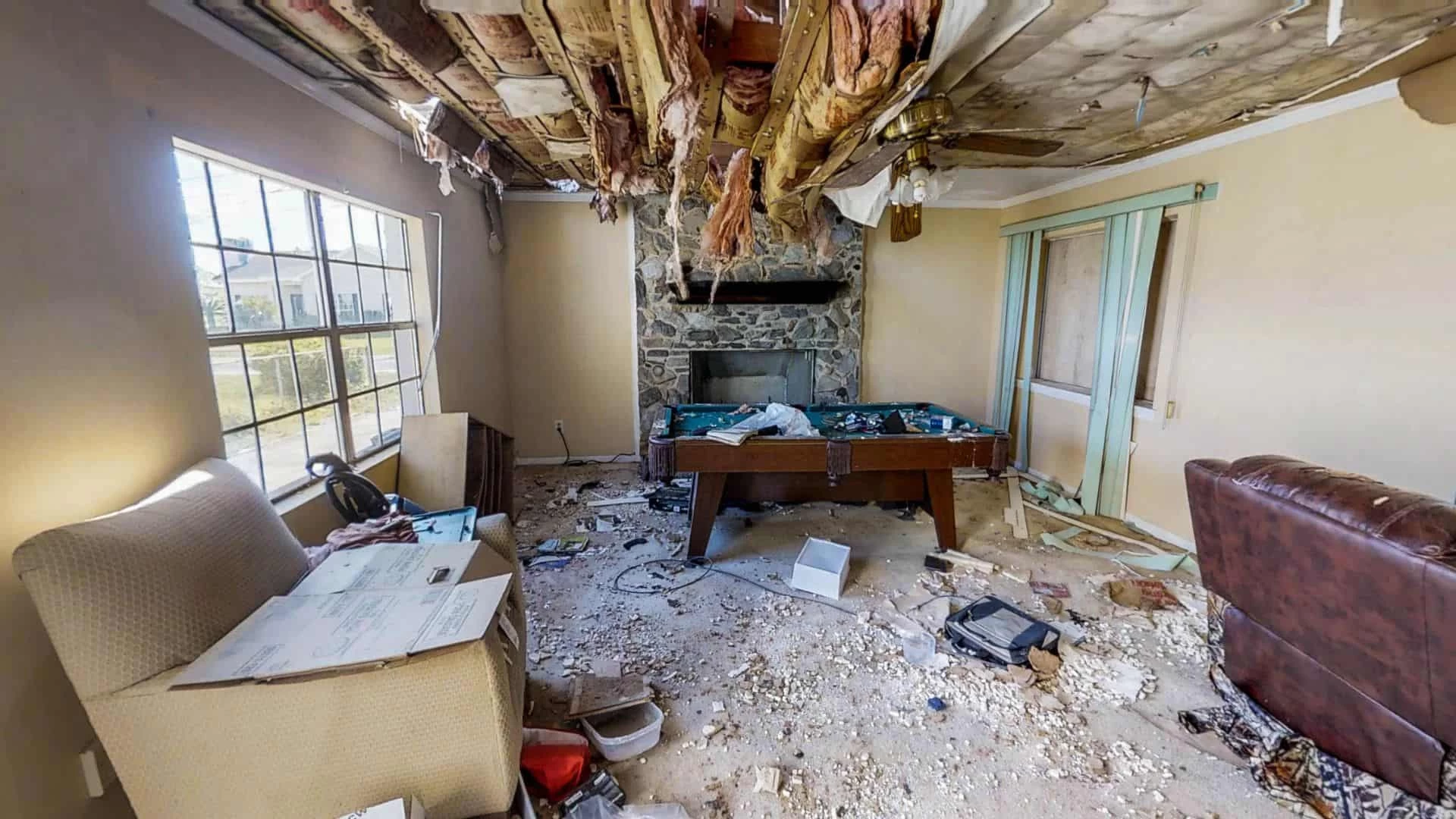
When water gets into your home, the visible damage is rarely the whole story. Moisture hides in wall cavities, under subfloors, and inside insulation and in West Sayville, sitting directly on the Great South Bay, ambient humidity slows the drying process in ways a box fan simply cannot overcome. What looks dry on the surface can stay saturated for weeks without professional equipment. That’s where the real problems start.
West Sayville’s housing stock is largely mid-century construction homes built in the 1950s, 60s, and 70s that carry their own set of complications. When water damage requires opening walls or pulling up flooring, there’s a realistic chance of encountering asbestos-containing materials or lead paint. Most water damage companies stop at the drying phase and leave you to sort out the rest. We handle water damage restoration, mold remediation, asbestos abatement, and air quality testing under one roof which means one call, one crew, and no gap between the water leaving and the job being finished.
The outcome you’re looking for isn’t just “dry.” It’s knowing the moisture is actually gone, the air quality is clean, and nothing was left behind to become a bigger problem in six months.
Local Crew, Full Credentials, No Subcontracted Guesswork
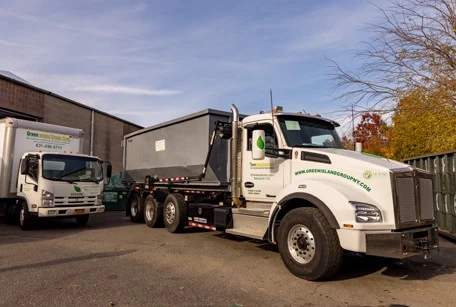
Green Island Group is a Long Island-based environmental and restoration company not a franchise, not a call center, and not a referral network that dispatches whoever’s available. When you call, you reach a real local team that serves West Sayville and the South Shore corridor from Bay Shore to Bayport. We know the Town of Islip permitting process, the coastal flood dynamics of the Great South Bay, and what it means to work inside a 1960s West Sayville cape where asbestos in the floor tiles isn’t a hypothetical.
The credentials matter here because New York State law requires NYSDOL licensing for any work involving asbestos and in West Sayville, where most homes predate 1980, that’s not a rare edge case. We hold those licenses, along with EPA RRP certification for lead paint and IICRC-standard training for water damage restoration. Every job is documented for insurance purposes, and we work directly with your adjuster so you’re not navigating the claims process alone while managing an active water situation in your home.
What Actually Happens From First Call to Finished Job
The first step is getting eyes on the damage with the right equipment. When we arrive, we use thermal imaging cameras and moisture meters to map exactly where water has traveled not just where it’s visible. In a West Sayville home with a high water table and bay-adjacent humidity, moisture migrates further and faster than in drier inland environments. You need to know the full picture before any drying or demolition begins.
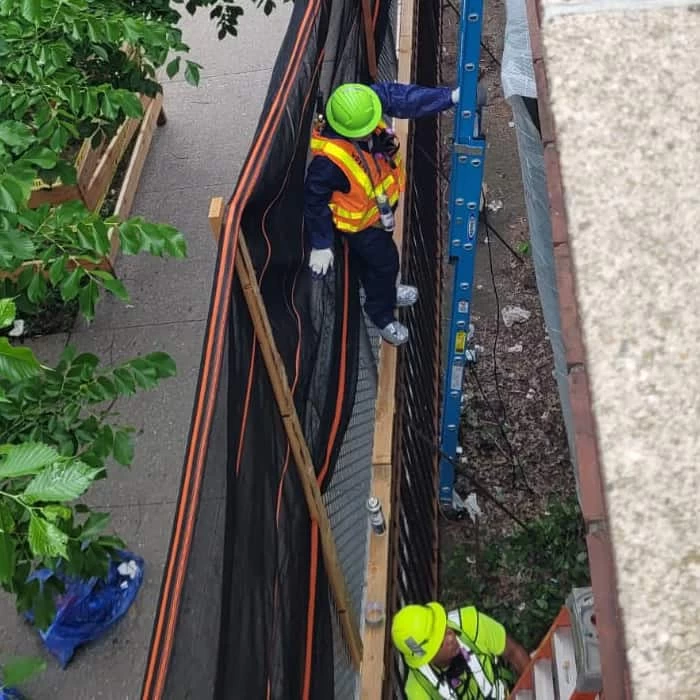
Once the scope is confirmed, we extract standing water, set up industrial drying equipment, and begin the structural drying process based on IICRC S500 protocols which means calculated drying times, monitored moisture readings, and documented verification before the job is considered complete. If the assessment turns up asbestos or lead paint in materials that need to be removed, we handle that in-house. No stopping work to find a separate abatement contractor. No gap in the timeline while you wait on a second company to schedule.
Throughout the process, we document everything for your insurance claim. If you carry both a standard homeowners policy and a separate flood policy which is common for West Sayville properties in the coastal zone we’re familiar with navigating both. The job isn’t done when the equipment comes out. It’s done when the moisture readings confirm the structure is dry and you have everything you need to close the claim.
Water Restoration and Mold Remediation West Sayville
One Company Handles the Water, the Mold, and What's Behind the Walls
Water damage restoration in West Sayville isn’t a straightforward dry-and-done job the way it might be in a newer inland community. The combination of direct bay exposure, a naturally high water table, and a housing stock that predates modern moisture management standards means most jobs here involve more than extraction and dehumidifiers. Our service scope reflects that reality.
On the water side, that means emergency water extraction, structural drying with industrial-grade equipment, moisture mapping with thermal imaging, and full documentation for insurance purposes. On the environmental side, it means mold remediation if growth is found or suspected, asbestos testing and abatement if materials are disturbed during the restoration process, lead paint assessment for pre-1978 homes, and post-remediation air quality testing to confirm the space is clean before it’s closed back up. All of this is handled by the same licensed team under one scope of work.
For West Sayville homeowners near the Great South Bay whether you’re dealing with storm surge aftermath, a sump pump failure during a nor’easter, a burst pipe in January, or a slow leak that’s been feeding mold behind a wall for months the process is the same: assess it completely, fix it correctly, document it for your insurer, and leave nothing behind that’s going to cost you more later. That’s the job.
How quickly can mold grow after water damage in my West Sayville home?
Mold can begin colonizing within 24 to 48 hours of water exposure that’s the documented standard from the IICRC, which sets the professional guidelines for water damage restoration. In West Sayville specifically, the bay-adjacent climate creates naturally higher ambient humidity levels than you’d find in an inland community. That humidity slows the evaporation process and creates conditions where mold establishes faster and spreads further than a homeowner might expect.
This is why response time matters so much. A water damage situation that gets professional attention within the first several hours is a fundamentally different job than one that sits for two or three days. The difference isn’t just cosmetic it’s the difference between a drying job and a full mold remediation. If you’ve had standing water in your home, or discovered water damage that’s been sitting for any length of time, the right move is to get a moisture assessment done before assuming it’s fine.
Does homeowners insurance cover water damage restoration costs on Long Island?
It depends on the source of the water, and the distinction matters a lot. Standard homeowners insurance typically covers sudden and accidental water damage a burst pipe, a washing machine overflow, a roof leak from a storm. It generally does not cover flooding from an external source, which is where a separate NFIP flood insurance policy comes in. For West Sayville homeowners with properties in or near the coastal flood zone along the Great South Bay, carrying both policies is common and worth understanding before you need them.
The average water damage insurance claim nationally runs between $11,000 and $13,000. Proper documentation moisture readings, thermal imaging reports, a detailed scope of work is what supports a full payout rather than a disputed one. We document every job specifically for insurance purposes and work directly with adjusters, including when there are two separate policies in play. If you’re not sure what your coverage includes, we can help you understand what’s documented and what your carrier will need to process the claim.
What should I do immediately after finding water damage in my home?
Stop the source if you can shut off the water supply or identify where it’s coming in. After that, don’t wait. The instinct to start mopping up and running fans is understandable, but consumer-grade equipment doesn’t reach the moisture that’s already migrated into wall assemblies and subfloor materials. Surface drying without structural drying leaves moisture behind, and in a coastal environment like West Sayville’s, that moisture has ideal conditions to feed mold growth.
Document what you see before anything is moved or cleaned up. Photos and video of the damage in its original state are important for your insurance claim. Then call a professional restoration company to get an actual moisture assessment using thermal imaging and meters that tell you what’s wet and what isn’t. That assessment gives you a real picture of the scope before any decisions are made.
My West Sayville home was built in the 1960s does that affect the restoration process?
Yes, and it’s worth understanding before work begins. Homes built before 1980 in West Sayville which covers a significant portion of the hamlet’s housing stock commonly contain asbestos in floor tiles, pipe insulation, ceiling tiles, and joint compound. They may also have lead paint on interior surfaces. Under New York State law, any contractor disturbing asbestos-containing materials is required to hold NYSDOL licensing for asbestos work. The EPA’s RRP Rule similarly requires certification for renovation work in pre-1978 homes that disturbs lead paint. These aren’t optional guidelines they’re enforceable legal requirements.
The practical impact on your restoration job is this: if water damage requires opening walls, pulling up flooring, or removing ceiling materials, there’s a real possibility of encountering regulated materials. A restoration company that isn’t licensed for asbestos and lead work either has to stop and bring in a separate abatement contractor adding time and cost or proceeds without the proper credentials, which creates legal and health liability for the homeowner. We hold the environmental credentials to handle both, which means the job doesn’t stop and you don’t have to coordinate a second contractor mid-project.
How do I know if my home has hidden water damage I can't see?
The signs are often subtle until they aren’t. Musty odors, soft spots in flooring, peeling paint or wallpaper, discoloration on ceilings or baseboards, and unexplained increases in allergy symptoms can all indicate moisture that’s been sitting inside wall or floor assemblies for longer than you’d want. In older West Sayville homes with cast-iron or galvanized steel plumbing both common in mid-century construction pinhole leaks can go undetected for months before the visible damage appears.
The only reliable way to find hidden water damage is with professional moisture meters and thermal imaging cameras. Thermal imaging detects temperature differentials behind surfaces that indicate wet materials it shows you what’s happening inside the wall without cutting it open. A moisture meter then confirms the saturation level at specific points. This is the assessment process we use on every job, and it’s available as a standalone evaluation if you have a concern but haven’t had an obvious water event. Knowing what’s there is always better than guessing.
How long does water damage restoration typically take for a South Shore home?
The honest answer is that it depends on the scope, but a typical residential water damage job extraction, structural drying, and verification generally takes between three and five days for the drying phase alone. That timeline can extend if mold remediation is required, if asbestos or lead materials need to be addressed, or if the damage is extensive enough to require significant demolition and reconstruction. In West Sayville’s coastal climate, where ambient humidity is higher than inland areas, drying times can run on the longer end of that range because the air itself is working against the process.
What matters more than a specific number of days is that the job isn’t closed until the moisture readings confirm the structure has returned to acceptable levels not until the equipment has been running for a set number of days. We use documented moisture verification before any job is considered complete, which protects you from a situation where the work stops prematurely and moisture left behind becomes a mold problem three months later. If you’re planning around the timeline for insurance purposes or because you’re displaced from part of your home, we’ll give you an honest estimate based on what the assessment actually shows.