Water damage on the South Shore doesn’t wait and neither do we. Green Island Group responds fast to emergencies in Westhampton Beach, finds what’s hiding behind your walls, and handles everything from extraction to full recovery.
I needed a professional consultation explanation of procedure for safe removal of Asbestos in my apartment complex. Without having an account yet, I was very impressed with the caring, knowledgeable and generous advice offered by Jessica, and will look forward to doing business in the future. Thank you so much! I feel much more informed about a sometimes scary endeavor. Peace. Nancy Silva Mineola, NY.
Mia Munoz
Used this company to clean up some water flood in my house. They were fast and easy to work with.very professional, Would recommend to anyone!
Nini Valle
Great company, had a flood and they responded quickly and efficiently. Billed my insurance company directly. I highly recommend this company!
joe colapietro, jr
I had pipe freeze in my basement right before a snow storm and they made to within an hour to help start the clean up process. They we by our side throughout the entire process and even helped with the insurance company. They did such a great job with the cleanup, repair, remidiation, I contracted them to perform the repairs and finishes in the basement. They came with enough manpower and material to get the job done. Leo and Jessica were nothing but a pleasure to deal with!!
Cristian Arredondo c
I had some water damage in my home and Green Island was able to take care of my issue quickly and effectively. I am very pleased with the work they did. They responded quickly and were very professional.
Michael M
Outstanding service! From the office to the field crew everyone was friendly, helpful and responsive. I highly recommend Green Island Group.
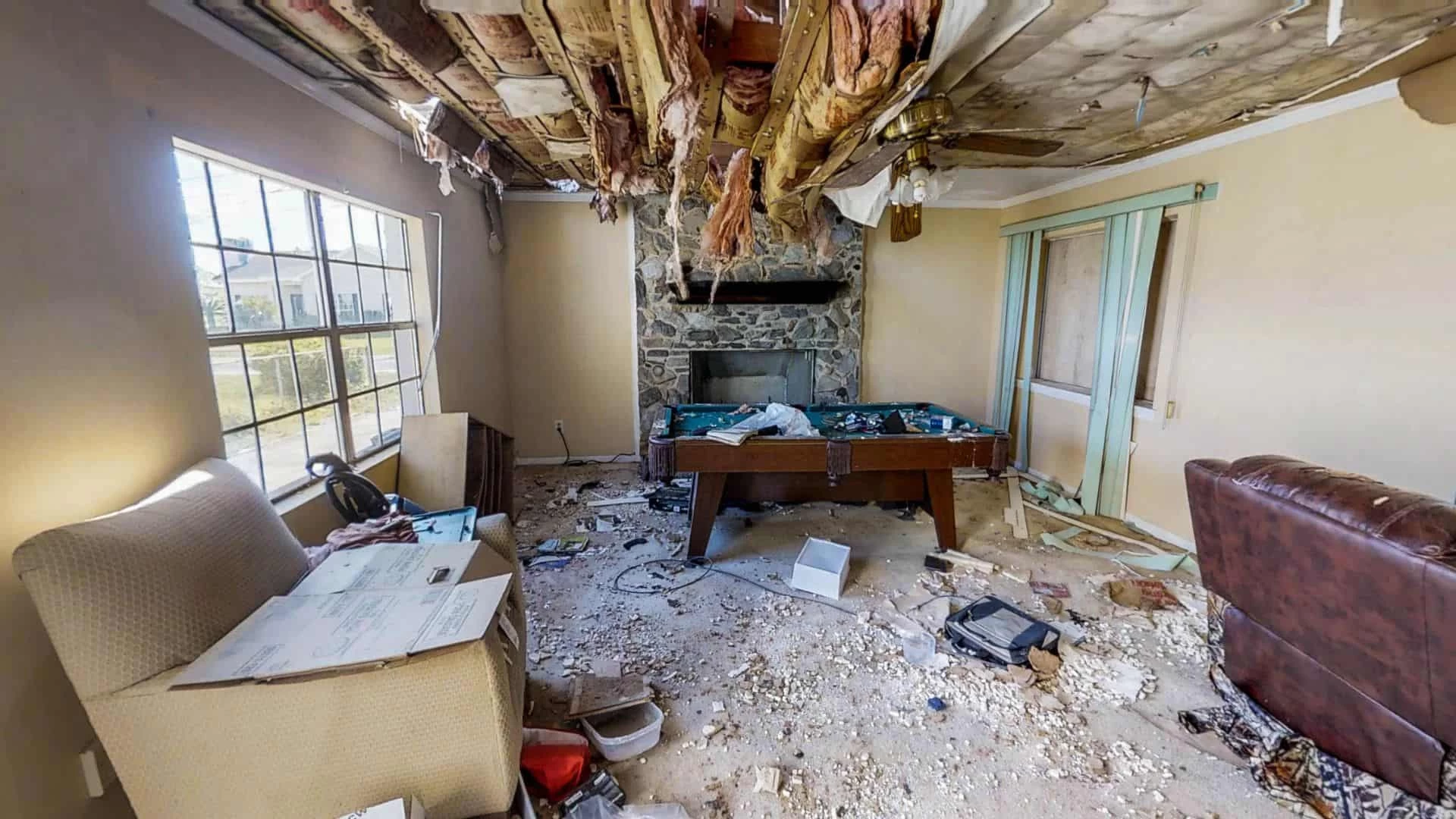
The moment water gets into your home, the clock starts. Mold can begin growing within 24 to 48 hours and in a coastal environment like Westhampton Beach, where summer humidity is already high and storm-driven moisture pushes into walls and subfloors, that window closes fast. Getting a crew in quickly isn’t just about drying things out. It’s about stopping a manageable restoration from becoming a full mold remediation event.
For the significant number of property owners in Westhampton Beach who aren’t on-site year-round, that urgency doubles. A slow drip under a kitchen sink in October, a roof breach after a nor’easter, a burst pipe during a cold snap in January any of these can run undetected for weeks in a vacant seasonal home. By the time you open the house in May, what could have been a few thousand dollars is now a gut-level project. Catching it early, or responding the moment you discover it, is the difference that matters most.
Beyond the immediate damage, there’s the longer-term picture. Westhampton Beach real estate is among the most valuable in New York State. Incomplete restoration hidden moisture, improperly dried cavities, mold that wasn’t fully addressed creates disclosure problems and can reduce your property’s value significantly. A thorough job protects what you’ve built here, not just the floors and drywall.
Water Restoration Companies Serving Westhampton Beach
Local Knowledge Built Into Every Job We Do
We’re a Long Island-based environmental and restoration company not a national franchise routing your call through a distant dispatch center. When you call Green Island Group, you’re reaching a local team that knows Westhampton Beach and Suffolk County’s South Shore, understands the specific risks that come with coastal construction, and has worked in the kinds of homes that line Dune Road and the Moriches Bay waterfront.
That local knowledge matters here more than most places. Westhampton Beach has its own Building Department, its own flood zone regulations under Chapter 91 of the Village Code, and FEMA Special Flood Hazard Area designations that affect how restoration and reconstruction work gets permitted. A company that doesn’t know that can create real compliance problems for you down the road.
We also handle water damage, mold remediation, asbestos testing and abatement, and air quality testing all in-house. For a community where a large portion of the housing stock predates 1978, that matters. When opening walls reveals something beyond water damage, you don’t lose weeks waiting on a separate contractor.
Emergency Water Damage Service in Westhampton Beach
What Happens From Your First Call to a Dry, Documented Home
It starts with a call any time, day or night. We operate 24/7 because water damage doesn’t follow business hours, and in a seasonal market like Westhampton Beach, some of the worst situations are discovered on a Friday evening when a property owner arrives for the weekend and finds standing water. When you call, you get a real response, not a voicemail queue.
Once on-site, our first priority is assessment. That means more than looking at what’s visible. Using thermal imaging and professional moisture meters, we identify saturation behind walls, under flooring, and inside cavities that a visual inspection would miss entirely. In coastal homes especially those that have experienced storm surge, bay flooding, or long-running hidden leaks what you can see is rarely the full picture.
From there, extraction and structural drying begin using industrial-grade equipment. The process follows IICRC S500 standards, which means drying targets are based on science, not guesswork. Throughout the job, everything is documented photos, moisture readings, scope of work in a format that supports your insurance claim from start to finish. If permits are required through the Village of Westhampton Beach’s Building Department, we handle that correctly, not skipped over.
Water Restoration Service in Westhampton Beach, NY
Everything the Job Requires, Handled Under One Roof
Water damage restoration in Westhampton Beach isn’t a single task it’s a sequence. Extraction comes first, then structural drying, then moisture verification, then any necessary remediation for mold, contaminants, or secondary hazards. We handle the full sequence, which means no handoffs, no gaps, and no waiting on a separate company to pick up where another left off.
For properties on or near the barrier island, bay flooding introduces a specific complication: Category 3 water. When Moriches Bay pushes into a structure during a storm event, that’s not clean water it carries contaminants that require a different protocol entirely. The same applies to sewage backup events, which are more common in older plumbing systems throughout the village. We’re equipped to handle contaminated water intrusion safely and completely.
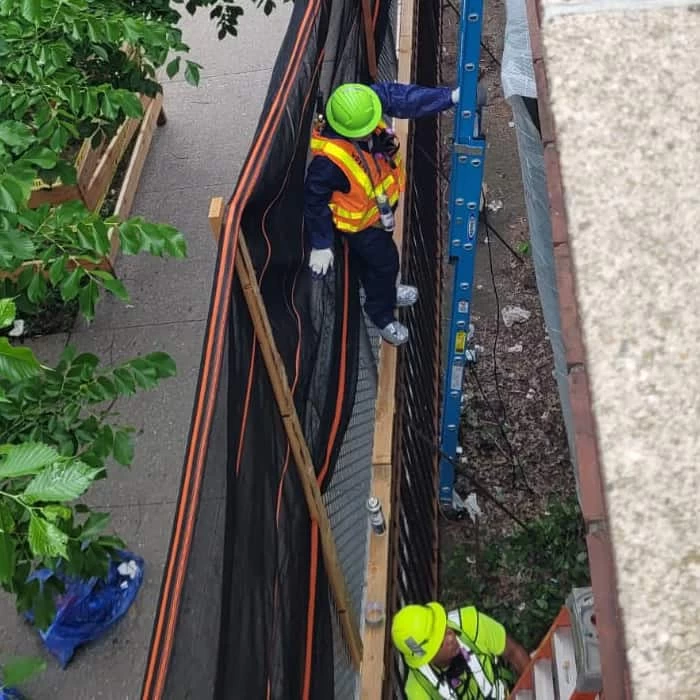
For homes built before 1978 and there are many in Westhampton Beach water damage restoration that involves opening walls or removing flooring can disturb asbestos-containing materials or lead paint. Under New York State Department of Labor regulations, that work requires licensed handling. Because we offer asbestos testing and abatement in-house, your project doesn’t stop mid-job waiting on a separate abatement contractor. The work continues, the timeline holds, and you’re not left managing two separate companies through a single restoration.
My Westhampton Beach vacation home flooded while I was away what do I do first?
Call a restoration company before you call anyone else. The instinct is often to call your insurance company first, but in New York, you have the right to choose your own restoration contractor you’re not required to use whoever your insurer recommends. Getting a qualified crew on-site quickly is the most important move you can make, because every additional hour of standing water or trapped moisture increases the scope of the damage and the cost of fixing it.
For seasonal homeowners in Westhampton Beach, the situation is often more serious than it first appears. A home that’s been sitting with water intrusion for days or weeks whether from a burst pipe during a cold snap, a roof breach after a nor’easter, or a slow appliance leak has almost certainly developed some level of mold growth. The visible damage is rarely the full picture. A professional assessment with thermal imaging and moisture meters will tell you what’s actually happening inside the walls, under the floors, and in the cavities you can’t see and that information is what drives the right restoration plan.
How quickly does mold start growing after water damage in a coastal home?
The IICRC’s documented standard is 24 to 48 hours. That’s the window between water intrusion and the beginning of mold colonization under the right conditions and in a coastal environment like Westhampton Beach, the conditions are often right. Summer humidity along the South Shore is consistently high, and homes that have experienced storm surge or bay flooding carry additional moisture load that accelerates the process.
What makes this especially relevant for Westhampton Beach property owners is the seasonal vacancy pattern. If water gets into a home in November and nobody opens the house until May, you’re not dealing with 24 to 48 hours of mold growth you’re dealing with months of it. That’s the difference between a water damage restoration job and a full mold remediation project, and the cost difference is significant. Responding quickly when you discover the problem even if the damage happened weeks ago still limits how far the remediation needs to go.
Does homeowners insurance cover water damage from a storm or flooding in Westhampton Beach?
It depends on the source of the water, and this is where a lot of property owners get caught off guard. Standard homeowners insurance typically covers sudden and accidental water damage a burst pipe, an appliance failure, a roof breach that lets rain in. What it generally does not cover is flood damage from rising water, including storm surge from the Atlantic or bay flooding from Moriches Bay. For that, you need a separate flood insurance policy through FEMA’s National Flood Insurance Program, which Westhampton Beach participates in.
If your property is in a FEMA-designated Special Flood Hazard Area which applies to much of the Dune Road corridor and bay-facing properties throughout the village flood insurance is typically required by your mortgage lender. Even if it isn’t required, it’s worth reviewing your coverage before storm season, not after. We work directly with insurance companies to document damage thoroughly, support the claims process, and make sure nothing gets missed in the initial assessment that could reduce your settlement later.
What's the difference between water extraction and full water damage restoration?
Extraction is one step in the process it’s the removal of standing water using pumps and wet vacuums. Restoration is everything that comes after: structural drying, moisture verification, treatment of affected materials, mold prevention or remediation if needed, and reconstruction of anything that couldn’t be saved. A company that only does extraction and leaves is not completing the job.
This distinction matters particularly in Westhampton Beach because the homes here especially older construction along the bay and on the barrier island often have complex builds with finished basements, hardwood floors, custom millwork, and wall assemblies that hold moisture long after the visible water is gone. Proper structural drying requires industrial air movers and dehumidifiers placed strategically based on moisture readings, not just running a fan and hoping for the best. The drying process typically takes several days and needs to be monitored and adjusted throughout. Cutting it short, or skipping the verification step, is how hidden moisture problems and mold events develop weeks after a job is supposedly finished.
Can water damage restoration uncover asbestos or lead paint in older Long Island homes?
Yes, and it’s more common than most homeowners expect. Homes built before 1978 which represents a substantial portion of the housing stock throughout Westhampton Beach and the surrounding Suffolk County area were frequently constructed with asbestos-containing materials in insulation, floor tiles, ceiling tiles, pipe wrap, and drywall joint compound. Lead paint was standard in homes built before 1978 as well. When water damage restoration requires opening walls, removing flooring, or disturbing insulation, these materials can be exposed.
Under New York State Department of Labor regulations, disturbing asbestos-containing materials requires licensed abatement it’s not optional, and it’s not something a general restoration crew can handle without the proper credentials. We hold the required licensing and handle asbestos testing and abatement in-house, which means your restoration project doesn’t get put on hold while you track down a separate abatement contractor. The work continues on a single timeline, under a single point of accountability, without the gaps that come from coordinating multiple companies through a single job.
How do I choose a water damage restoration company in Westhampton Beach I can actually trust?
Start with IICRC certification. The Institute of Inspection, Cleaning and Restoration Certification sets the industry standard for water damage restoration methodology, and a company that follows IICRC S500 protocols is working from a science-based framework not guesswork. It’s one of the clearest indicators that a company takes the work seriously.
Beyond certification, look for a company that can show you real reviews from real customers ideally people who had similar situations in similar homes. In a market like Westhampton Beach, where seasonal second-home ownership is common, it’s worth specifically asking whether the company has experience handling damage in properties that sat vacant, dealing with bay flooding or coastal storm damage, and navigating the village’s own permit and flood zone requirements. A company that knows Westhampton Beach’s Building Department, understands FEMA floodplain compliance under Chapter 91 of the Village Code, and has worked with the specific construction types common to this area is going to handle your job differently and better than one that treats every property the same regardless of where it is.