When Water Gets Into a Woodbury Basement, Every Hour Counts
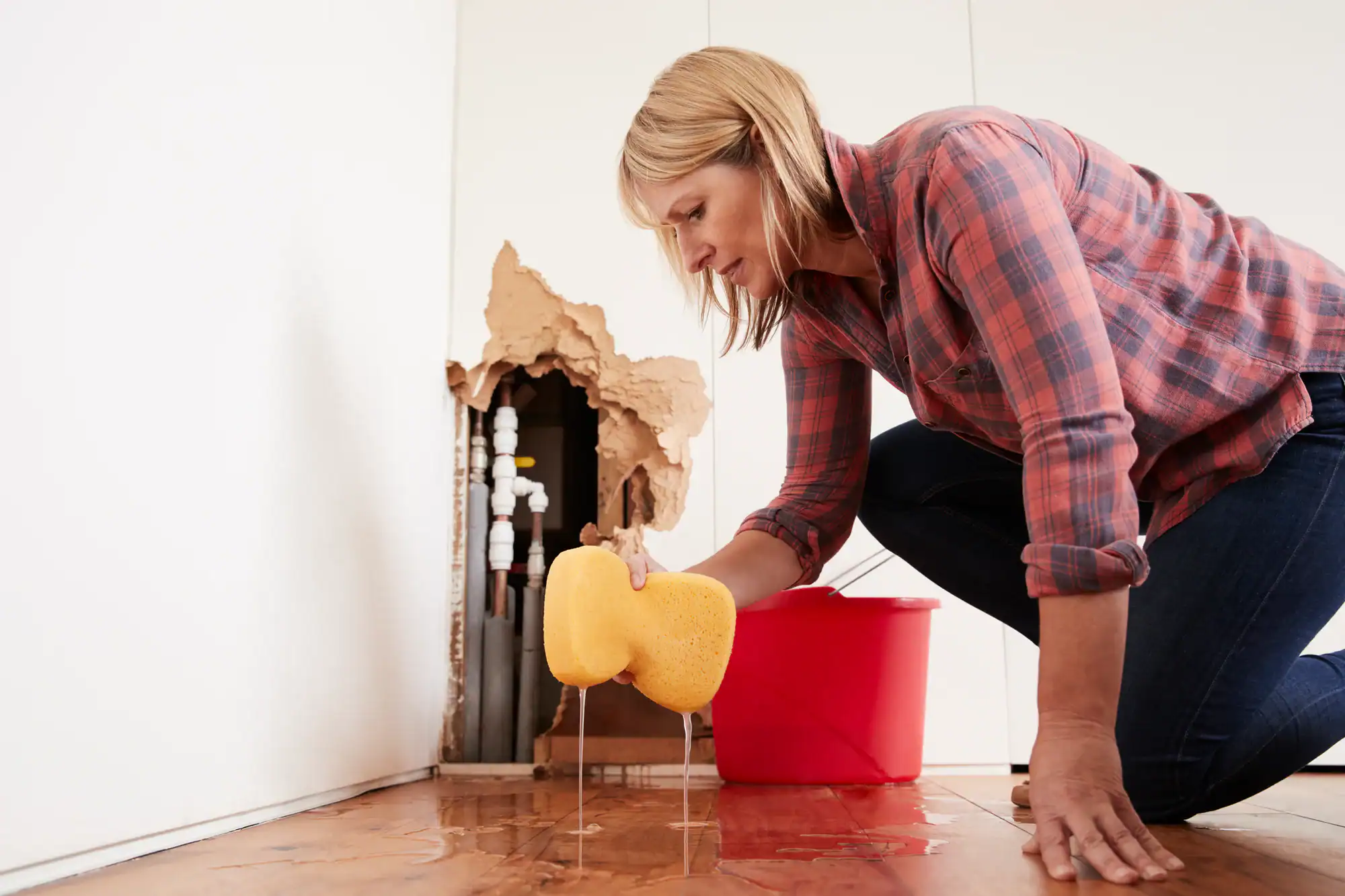
When water gets into a finished basement in a Woodbury home, the clock starts immediately. We’re a Long Island restoration crew already here, ready to move fast before the damage compounds.
I needed a professional consultation explanation of procedure for safe removal of Asbestos in my apartment complex. Without having an account yet, I was very impressed with the caring, knowledgeable and generous advice offered by Jessica, and will look forward to doing business in the future. Thank you so much! I feel much more informed about a sometimes scary endeavor. Peace. Nancy Silva Mineola, NY.
Mia Munoz
Used this company to clean up some water flood in my house. They were fast and easy to work with.very professional, Would recommend to anyone!
Nini Valle
Great company, had a flood and they responded quickly and efficiently. Billed my insurance company directly. I highly recommend this company!
joe colapietro, jr
I had pipe freeze in my basement right before a snow storm and they made to within an hour to help start the clean up process. They we by our side throughout the entire process and even helped with the insurance company. They did such a great job with the cleanup, repair, remidiation, I contracted them to perform the repairs and finishes in the basement. They came with enough manpower and material to get the job done. Leo and Jessica were nothing but a pleasure to deal with!!
Cristian Arredondo c
I had some water damage in my home and Green Island was able to take care of my issue quickly and effectively. I am very pleased with the work they did. They responded quickly and were very professional.
Michael M
Outstanding service! From the office to the field crew everyone was friendly, helpful and responsive. I highly recommend Green Island Group.
What Stops Small Water Damage From Becoming a Major Restoration
The homes in Woodbury aren’t modest. Finished basements, custom flooring, built-in cabinetry — when water gets in, the real cost isn’t just what you can see. It’s what’s sitting inside the walls and underneath the floors, quietly saturating the structure while the surface looks like it’s drying out on its own. That hidden moisture is where mold starts, and mold doesn’t wait for a convenient time to show up.
A lot of Woodbury’s housing stock was built in the 1960s and 70s. That means original plumbing — cast iron and clay pipes that have been through decades of Long Island winters, freeze-thaw cycles, and root pressure from the mature trees that line these neighborhoods near Trail View State Park and Stillwell Woods. When those pipes fail, water doesn’t just pool — it travels. It follows the path of least resistance through drywall, under flooring, into structural cavities that a mop and a fan will never reach.
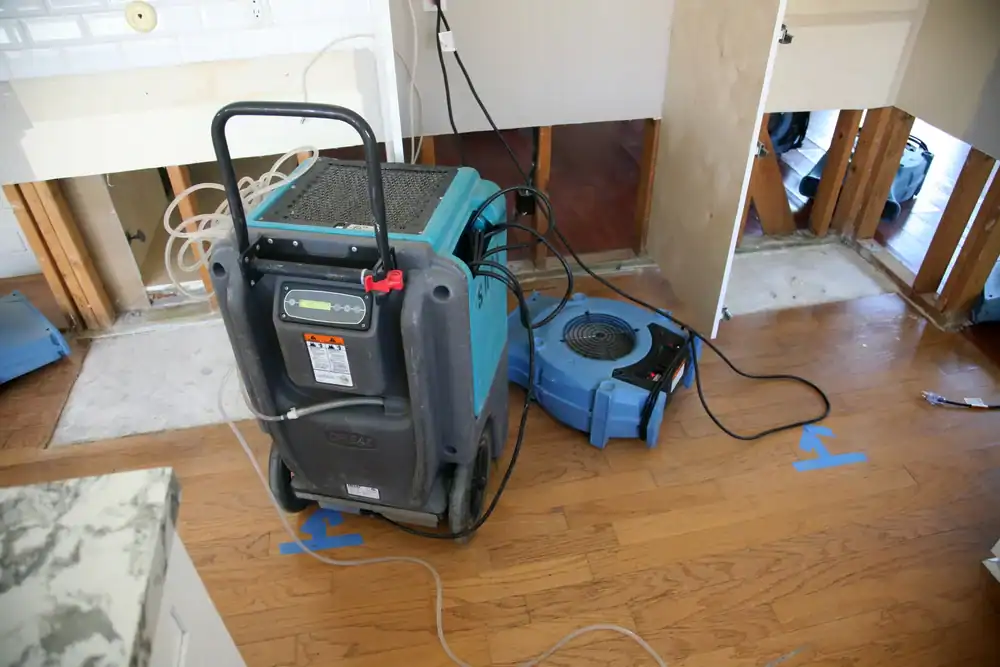
What professional water damage restoration actually does is stop that process before it compounds. Proper extraction, industrial drying equipment, moisture mapping with thermal imaging — it’s not about making things look dry. It’s about verifying they are dry, documenting it, and making sure your insurance claim reflects the full scope of what happened. For a home in the Syosset School District where you’ve made a serious investment, that distinction matters.
Local Crew, Real Accountability, No Franchise in the Middle
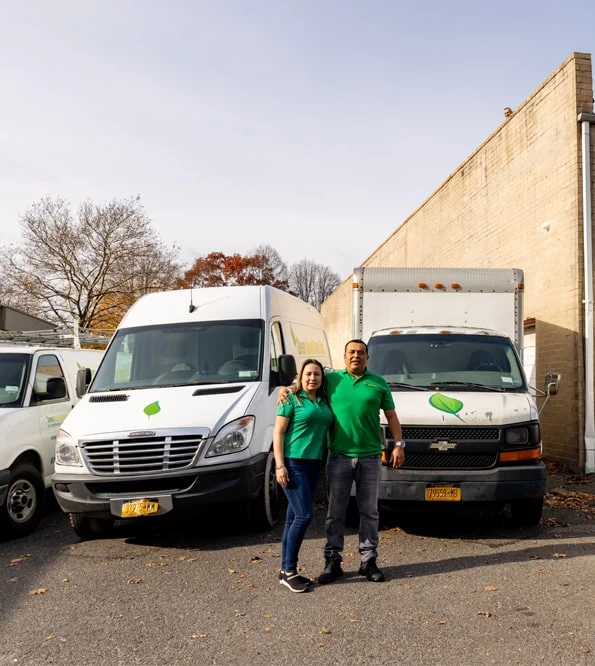
We’re a locally owned and operated restoration company based on Long Island. When you call 631-256-5711, you’re not reaching a national call center that routes jobs to whoever is available. You’re reaching a local team that knows Nassau County, knows the North Shore, and can be dispatched directly to Woodbury — not scheduled for sometime next week.
That matters specifically in Woodbury, where the homes along Jericho Turnpike and throughout the Gates of Woodbury and Hunters Run communities are high-value properties with finished interiors that require a crew that takes the work seriously. Every technician is IICRC-certified and operates under New York State’s mold remediation licensing requirements — which, under the 2016 NY Mold Law, are legally required for any mold-related work performed in the state.
There’s no subcontracting. The team that answers your call is the team that shows up.
From the First Call to a Fully Documented, Dry Home
The first step is getting there fast. Water damage restoration in Woodbury operates on a tight window — mold colonization can begin within 24 to 48 hours of water intrusion, and the longer moisture sits inside a finished wall or under engineered hardwood, the more the scope of work expands. When you call, we dispatch a local Long Island crew directly. Not a callback, not a scheduling queue — a direct response.
On arrival, we do a full assessment using thermal imaging cameras and calibrated moisture meters. This is where the real picture emerges. In a Woodbury home with finished basement walls and flooring, what’s visible on the surface is almost never the full extent of the damage. The imaging maps where moisture has traveled — into wall cavities, under subfloor assemblies, along framing — so nothing gets missed and nothing gets left wet behind a freshly painted wall.
From there, extraction and industrial drying equipment go to work. The process follows IICRC S500 standards, which is the same protocol insurance adjusters reference when they evaluate whether a restoration job was done correctly. Every step gets documented — moisture readings, equipment logs, photo records — because that documentation is what drives a clean insurance claim. We handle the communication with your carrier directly, so you’re not left translating damage reports into adjuster language on your own. Once clearance readings confirm the structure is dry, the job is complete — not before.
Water damage restoration isn’t a single service — it’s a sequence of steps that each depend on the one before it. Emergency water extraction removes standing water fast, which limits how far moisture travels into the structure. Industrial air movers and dehumidifiers then run through a monitored drying cycle — not a set-it-and-forget-it process, but an active one where moisture readings are tracked and equipment is adjusted based on what the numbers show.
For Woodbury homes specifically, that process often involves finished basement spaces where flooring, drywall, and cabinetry have to be assessed for salvageability versus removal. Clay-heavy soil and the drainage challenges common to this part of Nassau County mean basement walls are frequently the first point of intrusion — and older homes near the Woodbury Road corridor with original pipe infrastructure face a different risk profile than a newer build. The scope of work gets determined by what the assessment actually finds, not by a flat package.
Mold remediation is handled under New York State’s licensing requirements and kept fully separate from the restoration scope when required by law. We handle insurance documentation, adjuster coordination, and scope-of-loss reporting as part of the process — not as add-ons. If your home in the 11797 zip code has sustained water damage from a burst pipe, a backed-up drain, a failed sump pump, or storm-driven flooding, our response covers extraction, structural drying, moisture verification, and full claims support from start to finish.
How quickly does mold start growing after water damage in a Woodbury home?
Mold can begin colonizing wet surfaces within 24 to 48 hours of water intrusion — and that timeline doesn’t care whether it’s a small leak or a flooded basement. In a finished Woodbury home where moisture gets trapped behind drywall or underneath flooring, the conditions for mold growth can develop even faster because there’s limited airflow reaching the affected material.
This is why response time is the most important variable in any water damage situation. The longer extraction and drying are delayed, the more likely you’re looking at mold remediation on top of water damage restoration — which is a separate scope of work, a separate cost, and a separate licensing requirement under New York State law. Getting a local crew on site quickly, before that 48-hour window closes, is the single most effective way to keep a water damage event from becoming a mold event.
Does homeowners insurance cover water damage restoration in Woodbury, NY?
It depends on the source of the water. Most standard homeowners insurance policies in New York cover sudden and accidental water damage — a burst pipe, an appliance failure, an overflow from a plumbing fixture. What they typically don’t cover is gradual damage that built up over time, or flooding from an external source like stormwater or a storm surge, which requires separate flood insurance through FEMA’s National Flood Insurance Program.
For Woodbury homeowners, the most common covered claims involve burst pipes during Nassau County’s winter freeze-thaw cycles, water heater failures, and washing machine or dishwasher overflows. Sump pump failures are sometimes covered if you have a water backup rider on your policy — worth checking before an event happens, not after. We document damage to the standard that insurance adjusters require and communicate directly with your carrier throughout the process, which makes a real difference in how smoothly a claim moves and how much of the restoration cost gets covered.
What causes basement flooding in Woodbury, and is my home at risk?
Woodbury’s clay-heavy soil is one of the biggest underlying factors. Clay doesn’t absorb water the way sandy or loamy soil does — during a heavy rain event or a nor’easter, water accumulates at the surface and migrates toward the lowest point it can find, which is usually a foundation wall or a floor drain. Homes near Trail View State Park and the wooded sections of northern Woodbury deal with this regularly, especially in spring when snowmelt and rainfall hit simultaneously.
The other major risk factor is the age of the housing stock. A significant portion of Woodbury homes were built in the 1960s and 70s, and many still have original cast iron or clay drain pipes. Those materials corrode over time, and root pressure from mature trees — which are everywhere in this neighborhood — accelerates the deterioration. A cracked or partially collapsed drain line can back up without warning, particularly during high-volume rain events when the system is already under stress. If your home has a finished basement and hasn’t had its drainage infrastructure inspected recently, it’s worth knowing what you’re working with before something fails.
How long does water damage restoration typically take for a finished basement?
The honest answer is that it depends on how far the moisture traveled and how long it had been sitting before extraction started. A finished basement that gets addressed within a few hours of a pipe burst is a very different job than one where water sat overnight or over a weekend. In a best-case scenario with limited intrusion and fast response, structural drying in a finished space typically runs three to five days. More extensive saturation — into wall cavities, under flooring, into framing — can extend that to a week or longer.
In Woodbury homes where basements have been finished with drywall, hardwood or LVP flooring, and built-in features, the assessment phase is especially important. Some materials can be dried in place. Others — particularly drywall that has been saturated past a certain moisture threshold — need to come out to allow the structure behind it to dry properly and to prevent mold from developing inside the wall cavity. The timeline gets determined by what the moisture readings actually show, not by a fixed schedule. Clearance readings confirm when the job is genuinely complete.
Does Green Island Group handle the insurance claim, or do I have to manage that myself?
We handle the insurance side of the process directly. That includes documenting the damage with the detail and format that adjusters require — moisture readings, thermal imaging reports, equipment logs, photo records, and a written scope of loss. Most homeowners who try to navigate a water damage claim on their own run into friction because the documentation doesn’t meet the carrier’s standard, or because the scope of damage wasn’t fully captured before drying started.
For a Woodbury homeowner with a high-value property and a substantial policy, getting the claim right matters. The difference between a well-documented claim and a poorly documented one can be significant — both in how quickly the claim is processed and in how much of the restoration cost gets approved. We communicate directly with your adjuster throughout the job, so you’re not spending your time translating damage reports or chasing the insurance company for answers. The goal is to make the process as hands-off for you as possible while making sure the claim reflects the full scope of what actually happened.
Is mold remediation included in water damage restoration, or is it a separate service in New York?
Under New York State’s Mold Law, enacted in 2016 and enforced by the NY Department of Labor, mold assessment and mold remediation are legally required to be performed by separately licensed contractors. This means that mold remediation cannot simply be bundled into a water damage restoration job — it has to be scoped, documented, and performed under a distinct license. Any company performing mold work in Woodbury or anywhere else in New York without the proper state license is operating illegally, and work done by unlicensed contractors can create problems with your insurance claim.
We hold the required New York State mold remediation licensing and can handle both scopes of work when a water damage event has progressed to the point where mold is present or suspected. In practice, the two are closely related — water damage that isn’t fully dried within the critical 24 to 48 hour window frequently leads to mold growth, particularly in finished basement spaces where moisture gets trapped behind building materials. If mold is identified during the restoration assessment, the remediation process gets handled correctly, legally, and documented in a way that satisfies both your insurance carrier and state regulatory requirements.