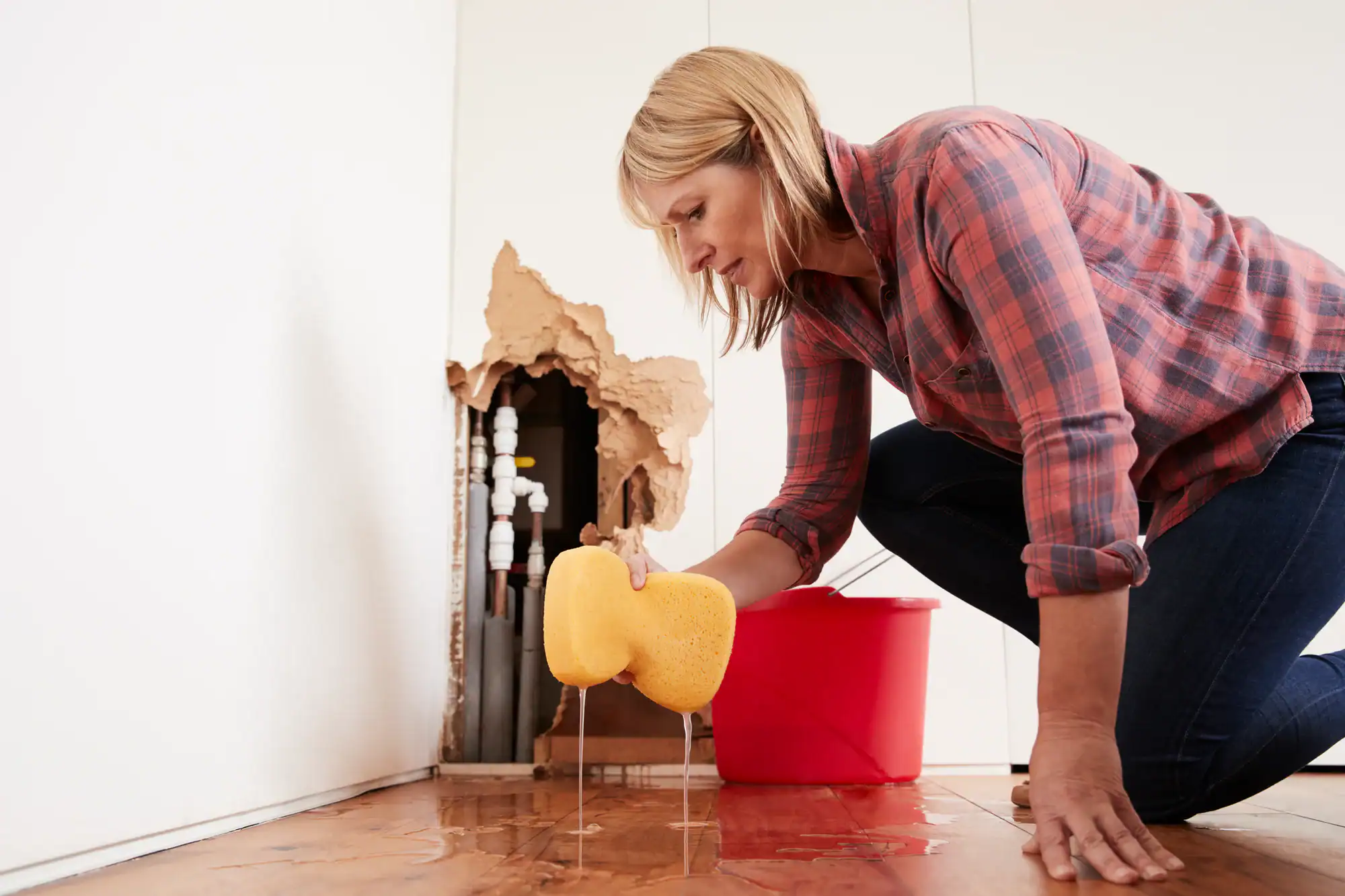
When water gets into a home that’s been standing since the 1940s, every hour counts. We respond fast across the Five Towns — so the damage stops where it started.
I needed a professional consultation explanation of procedure for safe removal of Asbestos in my apartment complex. Without having an account yet, I was very impressed with the caring, knowledgeable and generous advice offered by Jessica, and will look forward to doing business in the future. Thank you so much! I feel much more informed about a sometimes scary endeavor. Peace. Nancy Silva Mineola, NY.
Mia Munoz
Used this company to clean up some water flood in my house. They were fast and easy to work with.very professional, Would recommend to anyone!
Nini Valle
Great company, had a flood and they responded quickly and efficiently. Billed my insurance company directly. I highly recommend this company!
joe colapietro, jr
I had pipe freeze in my basement right before a snow storm and they made to within an hour to help start the clean up process. They we by our side throughout the entire process and even helped with the insurance company. They did such a great job with the cleanup, repair, remidiation, I contracted them to perform the repairs and finishes in the basement. They came with enough manpower and material to get the job done. Leo and Jessica were nothing but a pleasure to deal with!!
Cristian Arredondo c
I had some water damage in my home and Green Island was able to take care of my issue quickly and effectively. I am very pleased with the work they did. They responded quickly and were very professional.
Michael M
Outstanding service! From the office to the field crew everyone was friendly, helpful and responsive. I highly recommend Green Island Group.
What Staying Dry Actually Means for Your Woodmere Home
Woodmere sits right on the South Shore, and that geography has consequences. The proximity to Jamaica Bay and Reynolds Channel, combined with a documented pattern of early fall and late spring flooding, means water intrusion here isn’t a fluke — it’s a recurring reality that older homes on this side of Nassau County deal with more than most. When restoration is done right, you get more than a dry floor. You get confirmation — through actual moisture readings, not just a visual check — that the water is gone from inside the walls, beneath the subfloor, and anywhere else it traveled before you noticed it.
That matters a lot in a neighborhood where roughly 86% of homes were built before 1960. Plaster walls, original hardwood floors, cast iron drains, and aging basement waterproofing don’t behave the way modern construction does. Moisture hides differently in these homes, and drying them requires a different approach than what works in a newer build. Getting it right the first time means you’re not dealing with a mold problem six weeks later — and in a home worth over a million dollars, that’s not a small thing.
The other outcome worth naming is peace of mind on the insurance side. A well-documented claim — with photos, moisture logs, and proper scope of work — gets handled very differently by an adjuster than a vague one. That difference can be significant when the damage is real and the home is valuable.
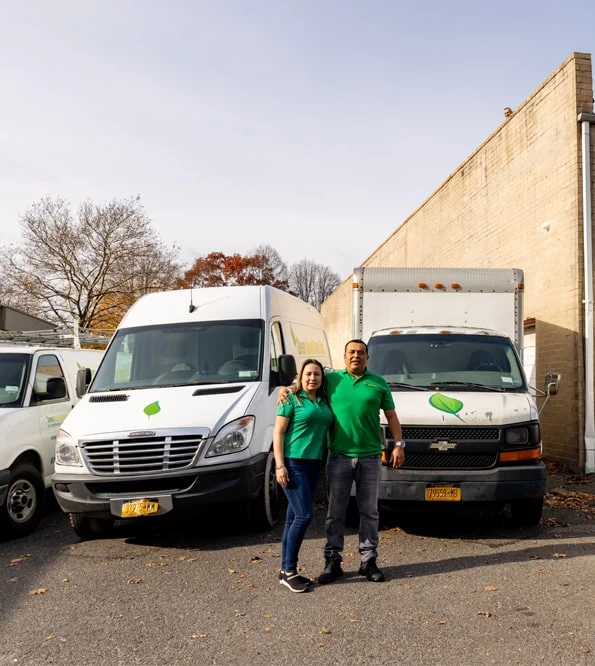
We’re a Long Island-based, independently owned restoration company — not a franchise, not a call center, not a crew that drives in from three counties over. The Five Towns area is part of our regular service territory, which means we know the difference between Old Woodmere’s pre-war construction and the post-war homes closer to North Woodmere. We know Peninsula Boulevard. We know what a 1948 Colonial looks like when the basement takes on water after a nor’easter.
That local familiarity isn’t just a talking point — it changes how we work. We know what to look for in these homes, how the materials behave, and where water tends to travel when it gets in. Our crews are IICRC certified, fully licensed under New York State’s Mold Law, and carry the insurance coverage that a job in a high-value community like Woodmere requires. When you call us, you’re talking to someone who can tell you honestly how long it’ll take to reach you — because we’re already in this area.
The first thing we do when we arrive is assess — not with a quick walk-through, but with thermal imaging cameras and calibrated moisture meters. In a Woodmere home with plaster-and-lath walls, what looks dry on the surface can be holding significant moisture inside the wall cavity. We find it before we start, so we know the full scope of what we’re dealing with.
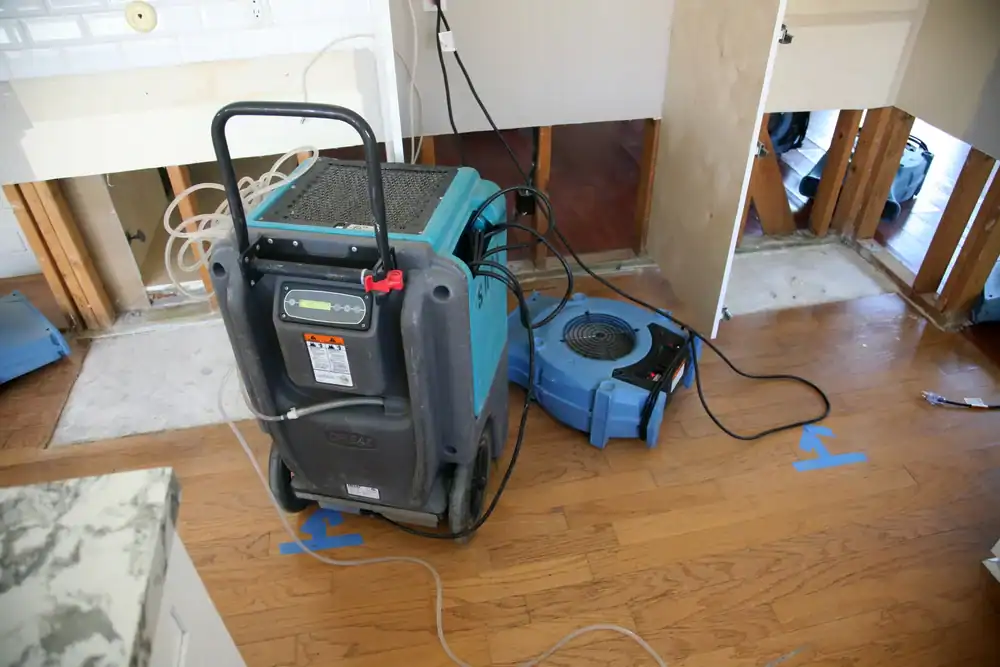
From there, we extract standing water and set up commercial-grade drying equipment — air movers, dehumidifiers, and where needed, desiccant systems — configured specifically for the materials in your home. Hardwood floors, plaster walls, and older framing absorb and release moisture differently than drywall and engineered materials. The drying plan accounts for that. We monitor readings daily and adjust the setup as conditions change, because restoration isn’t a set-it-and-forget-it process.
Once the structure is confirmed dry — by instrument, not by eye — we handle the documentation your insurance carrier needs and walk you through what comes next for any repairs. If mold assessment or remediation is required, we coordinate that under New York State’s Mold Law, which mandates separate licensing for assessment and remediation. That’s a legal requirement in New York, and we follow it — which protects you as much as it protects us.
Every water damage job we handle in Woodmere starts with a full moisture assessment using thermal imaging — not just a visual inspection. That’s standard, not an upsell. From there, water extraction, structural drying, and daily monitoring are all part of the process. We don’t close out a job until the readings confirm the home is at safe moisture levels throughout — walls, floors, and any structural cavities that were affected.
Because so many homes in the 11598 ZIP code were built in the 1940s and 1950s, we work regularly with materials that require careful handling — original hardwood floors, plaster and lath, older masonry foundations, and basement waterproofing systems that haven’t been updated in decades. We adjust our approach accordingly, which means we’re not defaulting to aggressive demolition when material-sensitive drying is the right call for your home.
Insurance documentation is included in every job. We photograph damage before, during, and after, maintain written moisture logs, and communicate directly with your adjuster so you’re not playing middleman during an already stressful situation. We also work with homeowners throughout the Five Towns area — including Lawrence, Cedarhurst, Hewlett, and the surrounding communities — so if the damage crosses property lines or affects a neighboring structure, we’re equipped to handle the full scope.
How quickly can you respond to water damage in Woodmere, NY?
We’re available around the clock, and response time to Woodmere is typically fast because the Five Towns area is part of our regular service territory — we’re not driving in from the other end of Long Island. That matters more than most people realize. Water damage is one of the few home emergencies where every hour of delay has a measurable cost. The longer water sits in contact with building materials, the deeper it penetrates — and in a home with original hardwood floors or plaster walls, that penetration can mean the difference between saving the material and replacing it.
Woodmere is also documented as prone to flooding in early fall and late spring, and the South Shore’s coastal humidity accelerates how quickly moisture moves through a structure. Calling us as soon as you notice the problem — even if it’s late at night — is genuinely the right move. We’d rather get there at 11 p.m. and contain the damage than arrive the next morning to a much larger scope of work.
Does homeowners insurance cover water damage restoration in Woodmere?
It depends on the source of the water, and that distinction matters a lot. Most standard homeowners policies in New York cover sudden and accidental water damage — a burst pipe, a failed appliance, or an overflowing fixture. What they typically don’t cover is flooding from an external source, like storm surge or groundwater, which requires a separate flood insurance policy through the National Flood Insurance Program. Given Woodmere’s proximity to Jamaica Bay and its documented history with storms like Sandy and Irene, flood coverage is worth reviewing if you haven’t recently.
What we do on our end is make sure your claim — whatever the coverage — is documented the way adjusters actually need it. That means photos taken at each stage, written moisture readings, a clear scope of work, and direct communication with your carrier. In a high-value home, a well-documented claim gets treated very differently than a vague one, and we’ve seen that play out enough times to know it’s worth doing right.
How do I know if there's mold growing after water damage in my home?
You often don’t — at least not right away. Mold can begin growing within 24 to 48 hours of water intrusion, and in the older homes that make up most of Woodmere’s housing stock, it tends to grow in places you can’t see: inside wall cavities behind plaster, beneath original hardwood subfloors, and in crawl spaces or basement framing that never fully dried. By the time you see visible mold or smell something musty, the growth is usually well-established behind the surface.
That’s why the drying phase matters as much as the water extraction. If a restoration company declares the job done based on how things look rather than what the moisture meters say, there’s a real chance moisture is still present in the structure. We use thermal imaging to identify hidden wet areas and don’t sign off until readings confirm the home is genuinely dry. If mold assessment is needed, New York State law requires it to be performed by a separately licensed assessor — we coordinate that process and make sure it’s handled correctly, which protects you legally and practically.
What's the difference between water mitigation and water damage restoration?
Mitigation is the emergency phase — stopping the damage from getting worse. That’s the water extraction, the drying equipment, the containment of the affected area. Restoration is what comes after: repairing or replacing the materials that were damaged, bringing the home back to its pre-loss condition. Some companies handle both; some only handle mitigation and hand off the repairs to a general contractor.
We handle both phases, which matters for continuity. When the same team that assessed the damage and monitored the drying also oversees the repairs, nothing gets lost in translation. In a Woodmere home with period details — custom millwork, original plaster, hardwood floors — that continuity is especially important. A repair crew that wasn’t part of the mitigation phase doesn’t have the same understanding of what was affected, where the moisture traveled, or what materials need to be matched carefully. Keeping it under one roof means the job gets finished with the same level of attention it started with.
How long does water damage restoration typically take in an older home?
The drying phase alone usually takes three to five days for a typical water loss, though that timeline extends in older homes with denser materials. Plaster walls, thick hardwood subfloors, and original framing hold moisture longer than modern drywall and engineered lumber, which means the drying equipment needs to run longer and be monitored more closely. Rushing that phase — pulling equipment before the readings confirm the home is dry — is one of the most common causes of mold growth after a “completed” restoration job.
After drying is confirmed, the repair timeline depends on the scope of damage. A contained pipe burst with limited affected area might be fully resolved in a week or two. A more significant event — like a basement flood from a storm or a slow leak that went undetected for months — can take longer, particularly if structural materials need to be replaced and permits are required through the Town of Hempstead. We give you a realistic timeline at the start and keep you updated as the job progresses, so you’re never left guessing.
Why should I hire a licensed restoration company in Woodmere instead of a general contractor?
General contractors are built for construction — framing, finishing, building things. Water damage restoration is a different discipline. It requires moisture science, specific drying equipment, and an understanding of how water moves through building materials. A general contractor who isn’t trained in restoration can make the damage worse by closing up walls before the structure is actually dry, or by missing moisture in areas that aren’t visually obvious.
In New York specifically, there’s also a legal dimension. The 2016 NY Mold Law requires that mold assessment and mold remediation be performed by separately licensed contractors under Article 32 of the Labor Law. An unlicensed contractor doing mold-related work in Woodmere isn’t just cutting corners — they’re operating illegally, and that can void your insurance coverage for the work and expose you to liability if the problem returns. After Superstorm Sandy, the Five Towns area saw its share of contractors who showed up, did surface-level work, and left homeowners with mold problems months later. Hiring a licensed, IICRC-certified restoration company isn’t just about quality — in New York, it’s about making sure the work holds up legally and practically.