Summary:
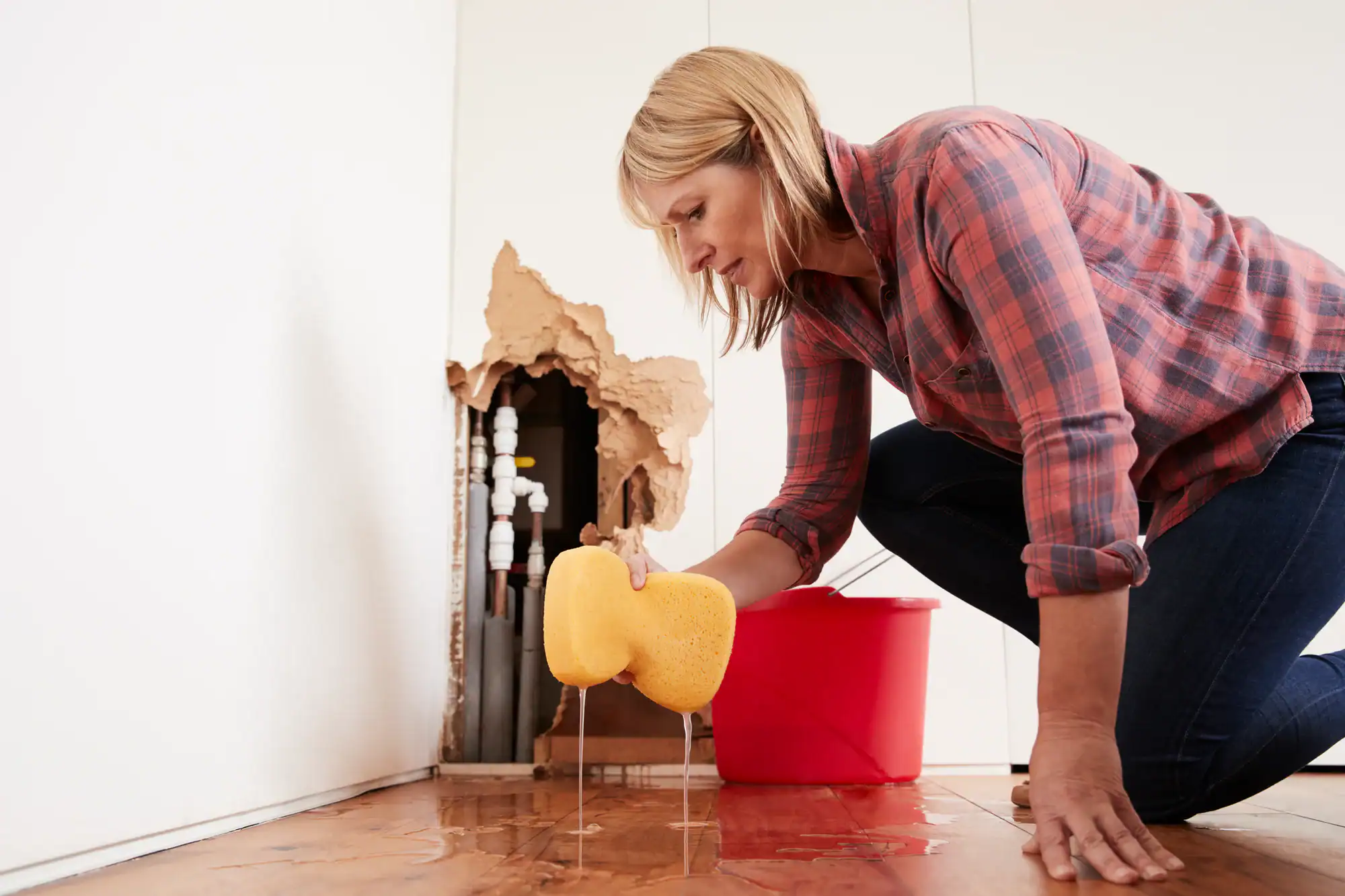
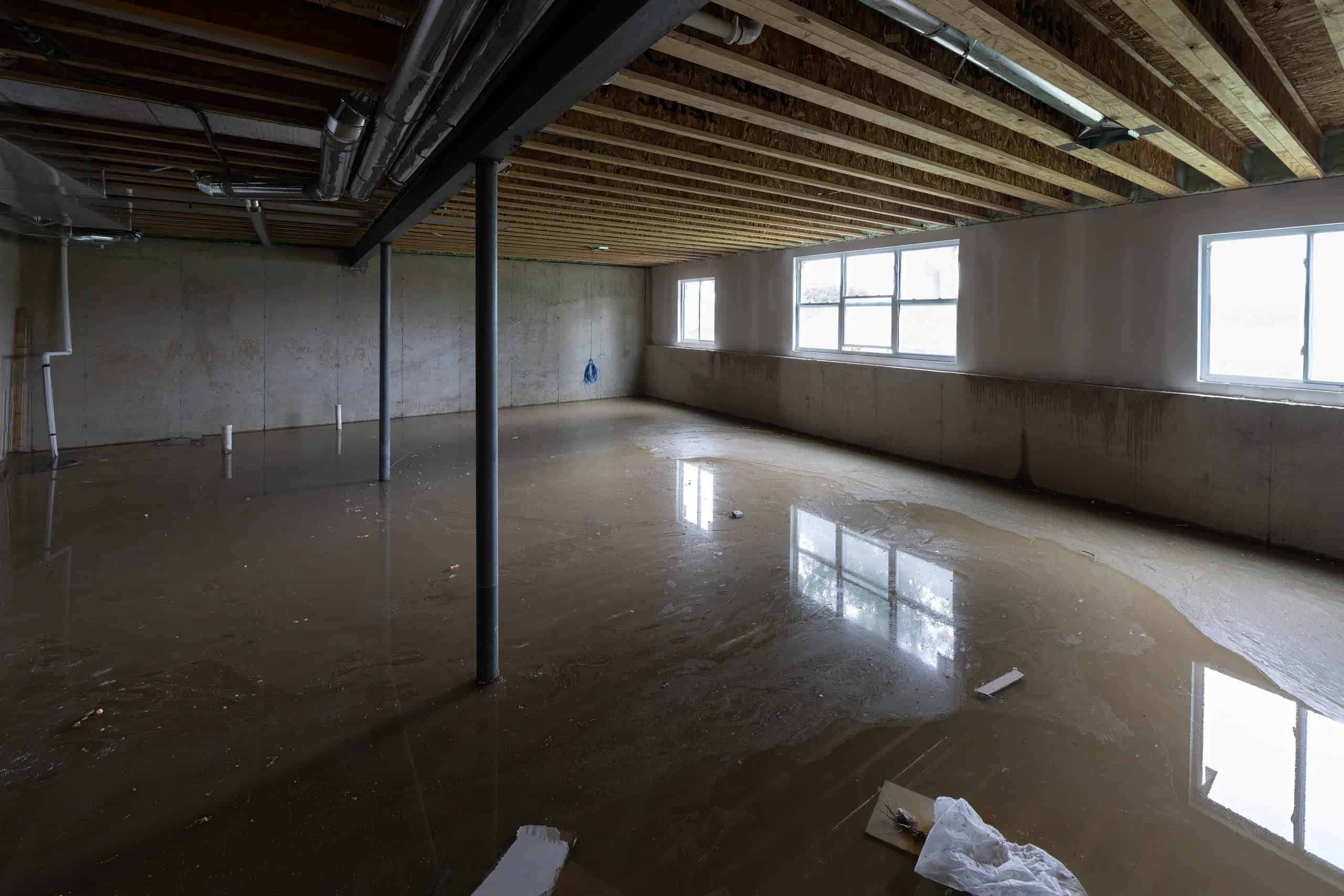
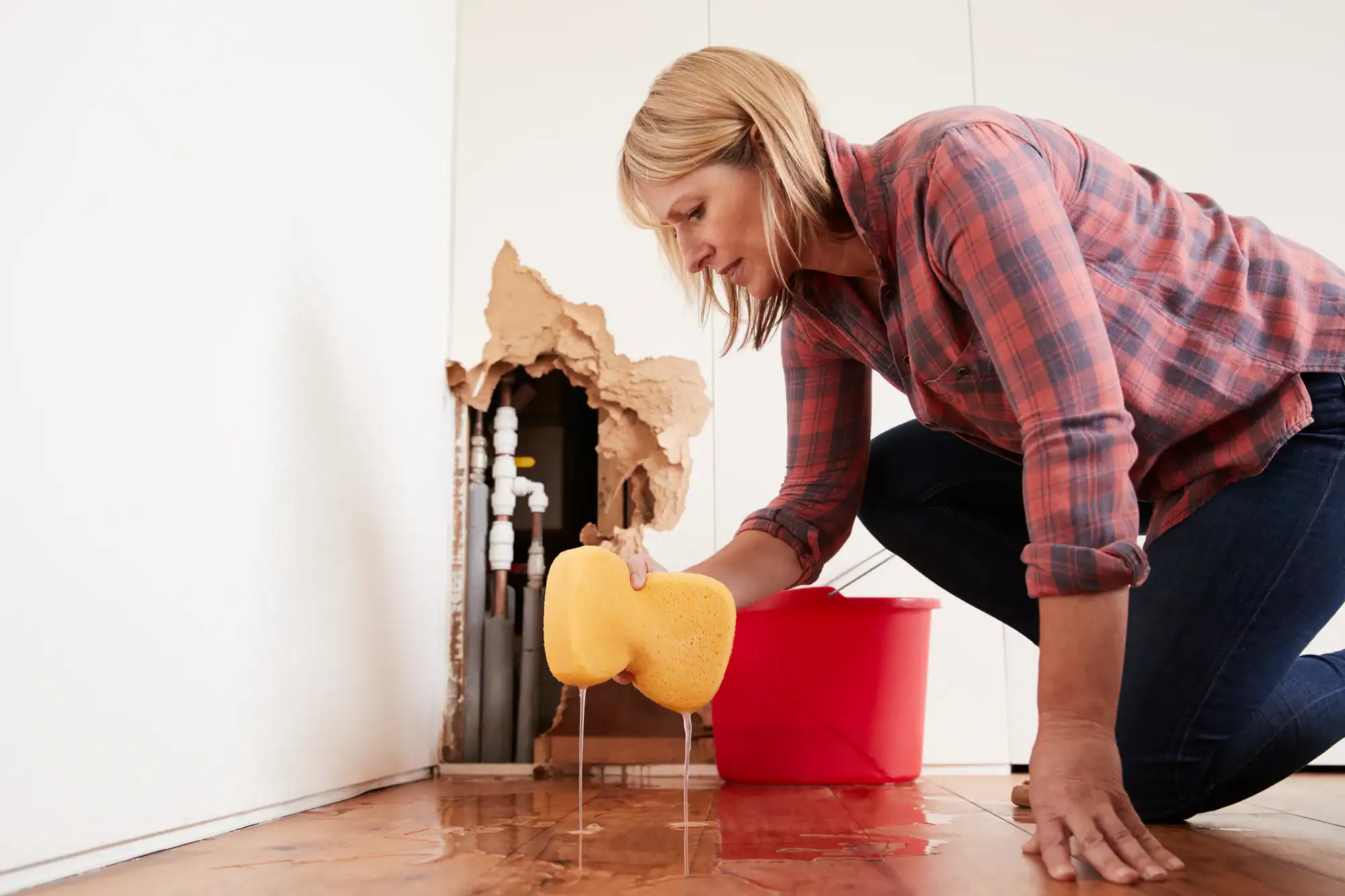
It’s midnight. There’s water on the floor, a smell you can’t place, and you’re not sure if this is a “call someone now” situation or a “deal with it in the morning” situation. That uncertainty is completely normal — and it’s also exactly where the most expensive mistakes get made.
Water damage is one of those problems that looks manageable on the surface while quietly getting worse underneath. In Nassau County, where a significant portion of homes were built before 1970 and more than 300,000 residents live in designated flood zones, the window for effective response is shorter than most people expect. Here’s what you need to know before you decide to wait.
Emergency Water Damage Repair: When Every Hour Has a Price Tag
The reason emergency water damage repair exists isn’t to charge you more for inconvenient timing. It exists because water damage operates on a timeline that doesn’t care about yours. Within the first hour, water migrates through flooring, seeps into wall cavities, and begins saturating materials that were never designed to get wet. By the time 24 hours have passed, mold colonies can already be establishing themselves in the dark, damp spaces you can’t see.
The financial math is straightforward. Mold remediation alone can run anywhere from $1,200 to well over $10,000 depending on how far it spreads. Structural drying handled immediately costs a fraction of what it costs after materials have been compromised. Waiting until morning to save on after-hours rates almost always costs more in the end — sometimes significantly more.
What Happens Inside Your Walls When Water Sits Overnight
This is the part most people don’t think about until it’s too late. What you can see — wet carpet, standing water, a damp ceiling — is only part of the picture. What you can’t see is where the real damage compounds.
Water follows the path of least resistance. It moves through subfloor seams, travels along wall framing, and pools inside insulation where it stays warm and wet long after the surface feels dry to the touch. In Nassau County’s older housing stock — think the Levittown-era homes throughout Hempstead, Uniondale, and East Meadow, or the pre-war construction in places like Mineola and Freeport — that insulation is often fiberglass batts or, in some cases, older materials that shouldn’t be disturbed without proper assessment.
Moisture meters and thermal imaging tell a completely different story than a visual inspection. A floor that feels dry underfoot can register dangerously high moisture levels six inches below the surface. That hidden moisture is what feeds mold growth, weakens structural integrity, and creates the kind of air quality problems that show up weeks later as a persistent musty smell or unexplained respiratory irritation.
The 24 to 48-hour mold window isn’t a scare tactic — it’s confirmed by the EPA, CDC, and FEMA. A proper emergency response that starts at 1 AM with industrial drying equipment running through the night can mean the difference between a $4,000 mitigation job and a $15,000 mold remediation project on top of it.
Does Homeowner's Insurance Cover Emergency Water Damage in Nassau County?
This is one of the most common questions we hear, and the short answer is: most of the time, yes — but only if you act quickly. Standard homeowner policies in New York cover sudden, accidental water damage from events like burst pipes, appliance failures, and storm-related incidents. What they don’t cover is damage that resulted from a lack of timely mitigation.
That last part matters more than most people realize. Insurance adjusters look at the timeline. If you discovered water damage Saturday night and didn’t call anyone until Monday morning, and in that window your drywall became a mold host, your insurer may argue that the mold damage was preventable — and deny that portion of the claim. Calling a professional immediately isn’t just about stopping the damage. It’s also about protecting your claim.
In Nassau County specifically, this plays out frequently after coastal flooding events. The South Shore communities — Long Beach, Oceanside, Merrick, Bellmore, Wantagh — sit in areas that see regular Nor’easter flooding and storm surge from the Great South Bay. When those events happen, the homeowners who document damage immediately and get professional mitigation underway are the ones whose claims go smoothly. The ones who wait, thinking the water will dry on its own, often find themselves in a dispute with their insurer over what was preventable.
We handle insurance documentation directly — photos, moisture readings, damage reports — and communicate with adjusters on your behalf. That’s not a bonus service. It’s part of how we work, because we’ve seen what happens when homeowners try to navigate that process alone while also managing a damaged home.
Emergency Clean Up Services: What a Full-Service Response Actually Looks Like
Emergency clean up services mean different things depending on who you call. Some companies extract standing water and leave fans running. We go further. What you actually need in a true emergency is someone who can assess the full scope of what happened, address every layer of damage — visible and hidden — and take it through to complete restoration without handing you off to three different contractors along the way.
That coordination problem is real. Water damage leads to mold risk. Mold remediation in an older home can uncover asbestos in pipe insulation or floor tiles. Asbestos abatement requires a separate state-issued license. If your water damage contractor isn’t licensed for abatement, work stops — and you’re suddenly managing a situation with multiple vendors, competing schedules, and no single point of accountability.
Emergency Water Clean Up Safety: What You Shouldn't Touch Before We Arrive
There’s a natural instinct to start cleaning up immediately. Grab towels, move furniture, run the shop vac. In some cases that’s fine. In others, it can make things significantly worse — or create a genuine safety hazard.
Standing water in a home with active electrical systems is the obvious concern. But in Nassau County’s older homes, there’s another layer: the materials that water damage disturbs. A burst pipe in a 1960s ranch in Garden City or a 1950s Cape Cod in Valley Stream might saturate walls that contain asbestos pipe insulation or floor tiles with asbestos-containing adhesive. Disturbing those materials without proper containment and licensed abatement isn’t just a code violation — it’s a health risk for everyone in the home.
Sewage backups introduce a different category of hazard entirely. Blackwater contamination — what the industry classifies as Category 3 water damage — carries bacteria, pathogens, and viruses that require full protective protocols to handle safely. This isn’t something to address with rubber gloves and bleach. It requires proper containment, disposal, and antimicrobial treatment by trained technicians.
The practical guidance before a professional arrives: turn off the water source if you can do so safely, avoid walking through standing water if there’s any possibility of electrical contact, and don’t run HVAC systems — they can spread contaminated air and mold spores through ductwork throughout the home. Document what you can with your phone. Then let the professionals take it from there.
We’re IICRC certified for water and fire damage, NYS DOL licensed for both mold and asbestos, and USEPA certified for lead — which means when we assess a Nassau County home and find something unexpected behind the walls, we can handle it legally and safely without stopping work or calling in a separate crew.
Why Nassau County Homes Need a Restoration Company With the Right Licenses — Not Just the Right Equipment
Equipment matters. Industrial air movers, commercial dehumidifiers, thermal imaging cameras, and calibrated moisture meters are what separate a real drying operation from a fan pointed at wet carpet. But in Nassau County, equipment alone isn’t enough.
The county’s housing inventory skews older. A large share of single-family homes here were built between 1945 and 1975 — the Levittown era that defined Long Island’s postwar expansion. Those homes were constructed with materials that were standard at the time and hazardous by today’s understanding. Asbestos in pipe insulation, floor tile adhesive, and ceiling texture. Lead paint on trim, doors, and window frames. These materials are stable when undisturbed. They become dangerous the moment water damage forces demolition of affected areas.
A restoration company without a NYS Department of Labor asbestos license cannot legally perform abatement in New York State. That’s not a technicality — it’s a legal requirement with real consequences for both the contractor and the homeowner. Using an unlicensed contractor for abatement work can expose you to liability and leave hazardous materials improperly handled in your own home.
We hold NYS DOL licenses for both asbestos abatement and mold remediation, along with USEPA lead certification and the Nassau County General Contractor license. We’ve also worked directly with the NYS Office of General Services — which means we’ve been vetted at a level most restoration companies never reach. When you call us for a water damage emergency in Rockville Centre at 3 AM and we find asbestos-containing materials during demo, we don’t stop and tell you to find someone else. We handle it. That’s what full-service actually means.
We also offer financing up to $200,000 at 0% APR — because a flooded home shouldn’t also mean a financial crisis.
What to Do Right Now If You're Dealing With Water Damage in Nassau County
If you’re reading this at midnight with water on your floor, the answer is straightforward: call now. Not because it’s what we want you to do, but because every hour you wait narrows your options and raises the eventual cost. Mold doesn’t wait for business hours. Neither does structural damage.
If you’re reading this before an emergency — good. Nassau County’s coastal geography, aging housing stock, and exposure to Nor’easters and storm surge make water damage a question of when, not if, for a significant number of homeowners here. Knowing who to call before it happens means you’re not making that decision at 2 AM under pressure.
We’ve been responding to water damage emergencies on Long Island since 2012. We answer 24 hours a day, seven days a week, every day of the year — and we show up. Reach out whenever you need us.