Summary:
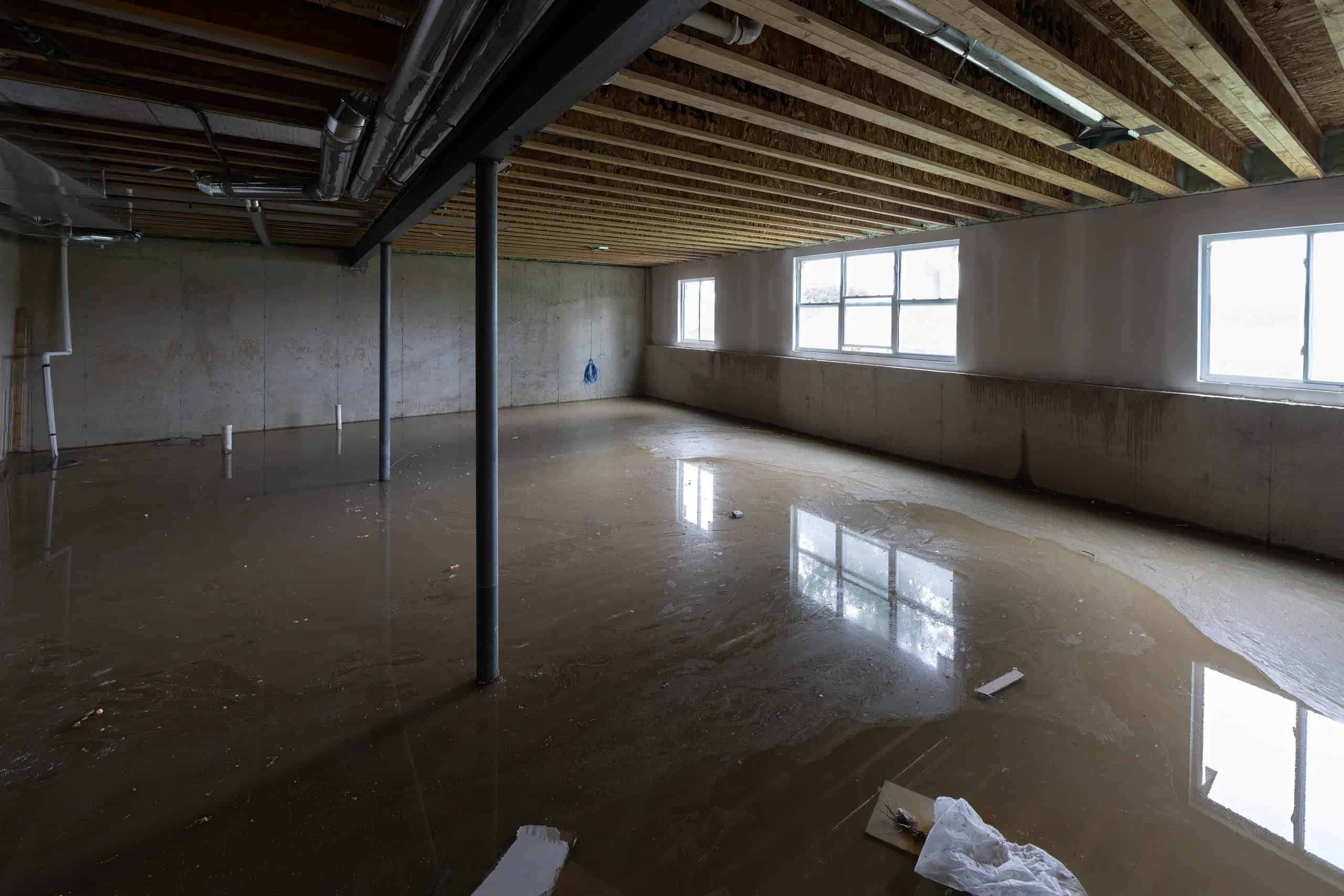
Water damage rarely arrives as just one problem. A flooded basement in Freeport or a burst pipe in Massapequa can turn into a mold issue, a structural concern, and an insurance headache — all within 48 hours. Most homeowners don’t realize that until they’re already managing three different contractors who don’t talk to each other.
This page is for anyone trying to figure out the right way to handle property damage restoration — and whether the company they’re calling can actually handle everything, or just part of it. The difference matters more than most people expect.
What Water Restoration Services Actually Include
Water restoration is not just drying things out. Our scope of work starts with locating all the moisture — including what’s hidden inside walls, under flooring, and inside structural cavities — and ends only when every affected area has been dried, treated, documented, and cleared.
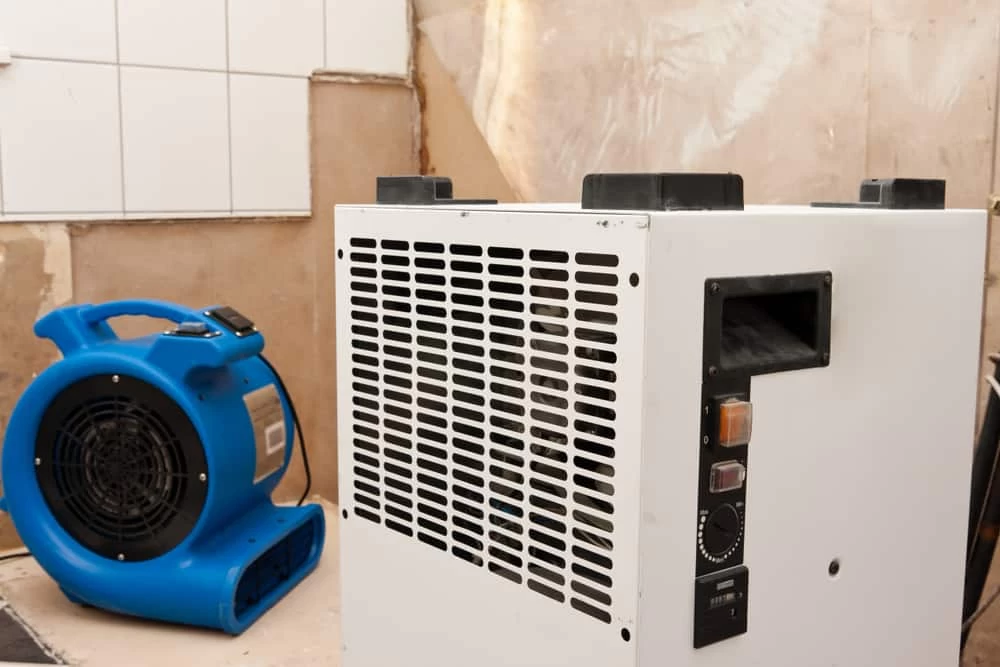
The process typically involves water extraction using truck-mounted pumps, thermal imaging to detect moisture you can’t see, industrial dehumidifiers and air movers running continuously, antimicrobial treatment to prevent biological growth, and detailed documentation for your insurance claim. Done right, it’s a multi-day, multi-phase process. Done partially, it’s a future mold problem.
Why Hidden Moisture Is the Problem Most Companies Miss
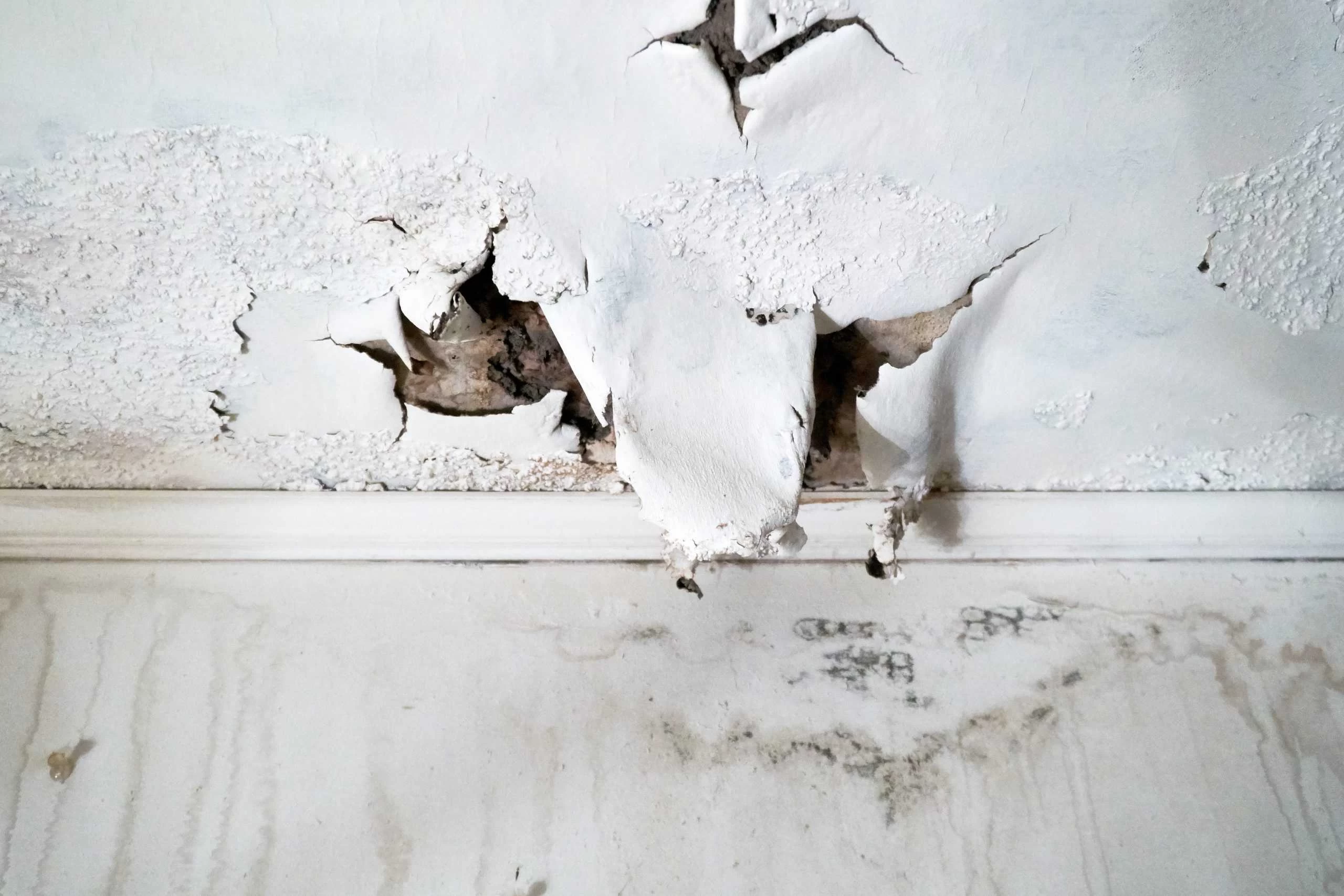
Here’s something that doesn’t get said enough: water moves. When a pipe bursts or a storm pushes water into your home, it doesn’t stay where you can see it. It travels through wall cavities, soaks into subfloor, saturates insulation, and pools in places that look completely dry from the outside. A company that only addresses visible water is leaving a problem behind.
That’s why thermal imaging matters. Infrared cameras show temperature differentials that indicate moisture presence behind surfaces — giving our technicians a complete picture of where the damage actually is, not just where it looks like it is. Digital moisture meters confirm saturation levels and track the drying process to a measurable endpoint, rather than guessing based on how things look or feel.
This distinction is significant for Nassau County homeowners specifically. Much of the county’s housing stock was built between the 1940s and 1970s — in communities like Levittown, Valley Stream, and Hempstead. These homes have older construction methods, materials that absorb moisture differently than modern builds, and wall assemblies that can hide water damage for weeks before it surfaces as visible mold or structural softness. A company relying on visual inspection alone is going to miss things.
The other piece most people don’t think about until it’s too late: incomplete drying is the single most common cause of secondary mold growth. What starts as a manageable water damage job — typically in the $2,000 to $4,000 range for professional extraction and drying — can become a $5,000 to $10,000 mold remediation project if the drying phase is rushed or incomplete. Mold can begin colonizing within 24 to 48 hours of water intrusion. That’s the timeline the EPA and the restoration industry work from.
How Water Damage Restoration Timelines Work — and Where Single-Service Providers Create Gaps
A realistic water damage restoration timeline runs roughly three to five days for drying alone, depending on the extent of saturation and the materials involved. That’s before any reconstruction begins. The sequence matters: you can’t start rebuilding until everything is dry and cleared, and you can’t clear mold risk until drying is confirmed complete with moisture readings.
When you use separate contractors for each phase, the gaps between them are where projects go wrong. The water extraction company finishes and moves on. You wait for the mold remediator’s schedule to open up. They arrive, find structural damage that needs a general contractor. Now you’re coordinating a third company, and the timeline has doubled. Meanwhile, the affected area sits in a partially dried, partially open state — exactly the conditions that allow mold to establish.
This isn’t hypothetical. It’s a pattern that plays out regularly in the restoration industry, and it’s particularly common after major weather events when every contractor in Nassau County is booked out. After the August 2024 Long Island flooding — which dropped 9.4 inches of rain in 24 hours and triggered a Governor’s State of Emergency for Nassau and Suffolk counties — demand for restoration services surged across the south shore. Homeowners in Oceanside, Baldwin, and Long Beach who were working with single-service providers faced weeks-long delays between phases while their properties continued to deteriorate.
When we manage the entire sequence in-house, we control the timeline. Extraction, drying, mold prevention, reconstruction — all on one project schedule, with one point of contact, and one scope of work going to your insurance carrier. That coordination benefit becomes obvious the moment a project hits a complication.
Fire Damage Restoration and Why It's Always a Water Problem Too
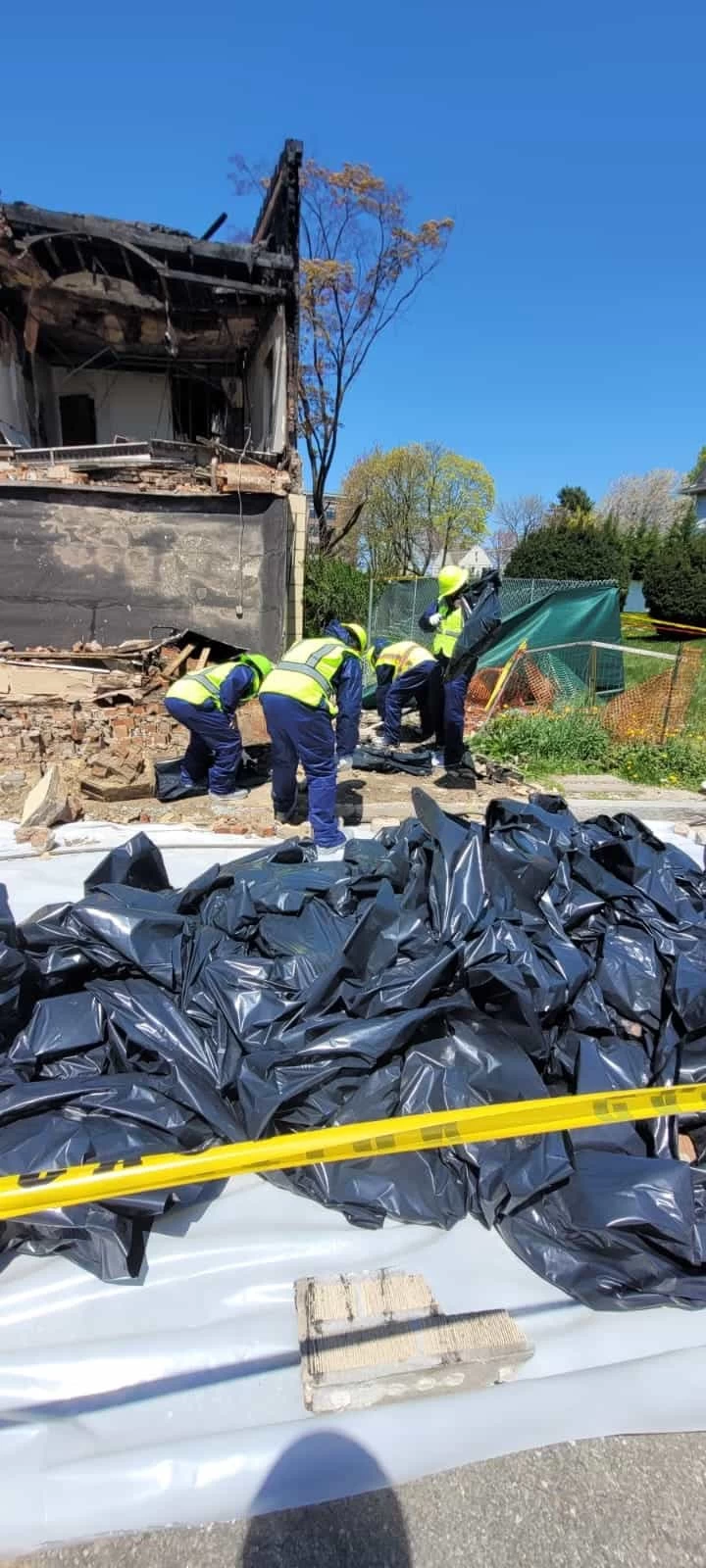
Most people think of fire damage and water damage as separate events. They’re almost never separate. Every residential fire is extinguished with water — hundreds to thousands of gallons of it — which saturates floors, walls, and ceilings on the same timeline that smoke and soot are damaging surfaces and contents.
If you hire a fire damage restoration company that doesn’t also handle water extraction and structural drying, you’re starting a mold clock the moment they finish their work. Soot begins corroding metal, glass, and electronics within the same day as the fire. Mold begins growing within 24 to 48 hours of the water used to suppress it. These are not sequential problems you can address one at a time.
What to Look for in a Fire and Water Damage Restoration Company
When you’re evaluating a restoration company after a fire, the first question to ask is whether they handle both fire and water damage in-house — not as a referral to a partner company, but with their own crews and equipment. If the answer is no, you’re already looking at a multi-contractor scenario with all the coordination risk that comes with it.
Beyond that, licensing matters more than most homeowners realize. New York State requires a dedicated mold license for remediation work — it’s not optional, and not every contractor carries it. Ask to see proof. Ask about liability insurance and workman’s compensation coverage as well. If a contractor is injured on your property and they’re not properly insured, you may bear liability. These aren’t difficult questions to ask, and any legitimate company will answer them without hesitation.
We prepare insurance documentation using the same estimating software as adjusters, which means claims tend to be processed faster and with fewer disputes over coverage scope. That’s a concrete difference in outcomes for homeowners dealing with fire damage in Nassau County.
For Nassau County homeowners dealing with fire damage specifically, there’s one more factor worth raising: asbestos. The majority of Nassau County’s residential neighborhoods were developed in the post-World War II era — Levittown, Merrick, Bellmore, Wantagh, and dozens of others were built when asbestos was standard in floor tiles, pipe insulation, ceiling tiles, and joint compound. When fire or water damage disturbs those materials, asbestos fibers become airborne. A restoration company that isn’t licensed for asbestos abatement will either stop work and wait for a hazmat contractor — adding weeks and cost to your project — or, worse, proceed without addressing it. That’s a health and legal risk that Nassau County homeowners in older homes need to account for before they hire anyone.
Questions Nassau County Homeowners Ask Before Hiring a Restoration Company
One of the most common questions we hear is: does using a full-service company cost more than hiring specialists separately? The honest answer is that it often costs less — not because we charge less per task, but because the coordination gaps between separate contractors create delays, rework, and scope expansion that add up quickly. A project that runs on a single timeline with one company managing all phases tends to close out faster and with fewer surprises on the final invoice.
Another question that comes up often: what happens if we find mold or asbestos during a water damage job? This is where the difference between a full-service provider and a single-service operator becomes concrete. We handle mold remediation and asbestos abatement in-house, so we can assess the situation, adjust the scope, and keep the project moving. For homeowners in Nassau County’s older communities — and over 300,000 county residents live in designated flood zones, many of them in pre-1980 homes — this isn’t an edge case. It’s a realistic possibility on a lot of jobs.
People also ask how quickly a restoration company should arrive after a water damage event. The answer is: the same day, ideally within hours. The 24 to 48 hour mold growth window is real, and every hour of delay increases both the scope of the damage and the cost of the remediation. After major storm events, like the nor’easters that regularly hit Nassau County’s south shore or the kind of flooding that hit communities like Freeport and Long Beach in 2024, response time separates companies that are genuinely prepared for emergency work from those that are overwhelmed and triaging. We commit to same-day response in Nassau County.
Finally, homeowners ask about financing — particularly after a major event where insurance deductibles and coverage gaps leave real out-of-pocket exposure. Restoration projects can run $10,000 to $50,000 or more depending on scope. If cost is a factor in how quickly you call or how thoroughly you address the damage, it’s worth knowing that we offer financing options. Delaying work to manage cash flow almost always increases the total cost of the project.
Choosing the Right Water Restoration Company in Nassau County
The core takeaway here is straightforward: water damage, mold, fire damage, and asbestos are not four separate problems that require four separate companies. They’re connected, they operate on overlapping timelines, and managing them through separate contractors introduces risk at every handoff.
What you want is a company that can handle the full scope — extraction, drying, mold remediation, fire and smoke damage, asbestos abatement, and reconstruction — with the licensing, insurance, and equipment to back it up. In Nassau County, where flooding is a documented recurring reality and a significant portion of the housing stock is old enough to carry real asbestos risk, that capability isn’t a luxury. It’s the baseline for doing the job right.
We’ve been doing this work across Nassau and Suffolk County since 2012, and we handle everything under one roof. If you’re working through a property damage situation right now, or you want to understand your options before something happens, call us.