Summary:
Water damage puts you in a tough spot fast. You’re dealing with wet floors, ruined drywall, and the clock ticking on mold — and someone’s asking you to make a financial decision you haven’t had to make before. Do you file a claim? Will your rates go up? Is this even covered?
These are fair questions, and the answers matter more in Nassau County, NY than most guides will tell you. Before you call your insurance company — or any contractor — here’s what you actually need to know.
What Type of Water Damage Is Covered by Homeowners Insurance?
The short answer: sudden and accidental damage is generally covered. Gradual damage is not. That distinction sounds simple, but it’s where most claims get complicated.
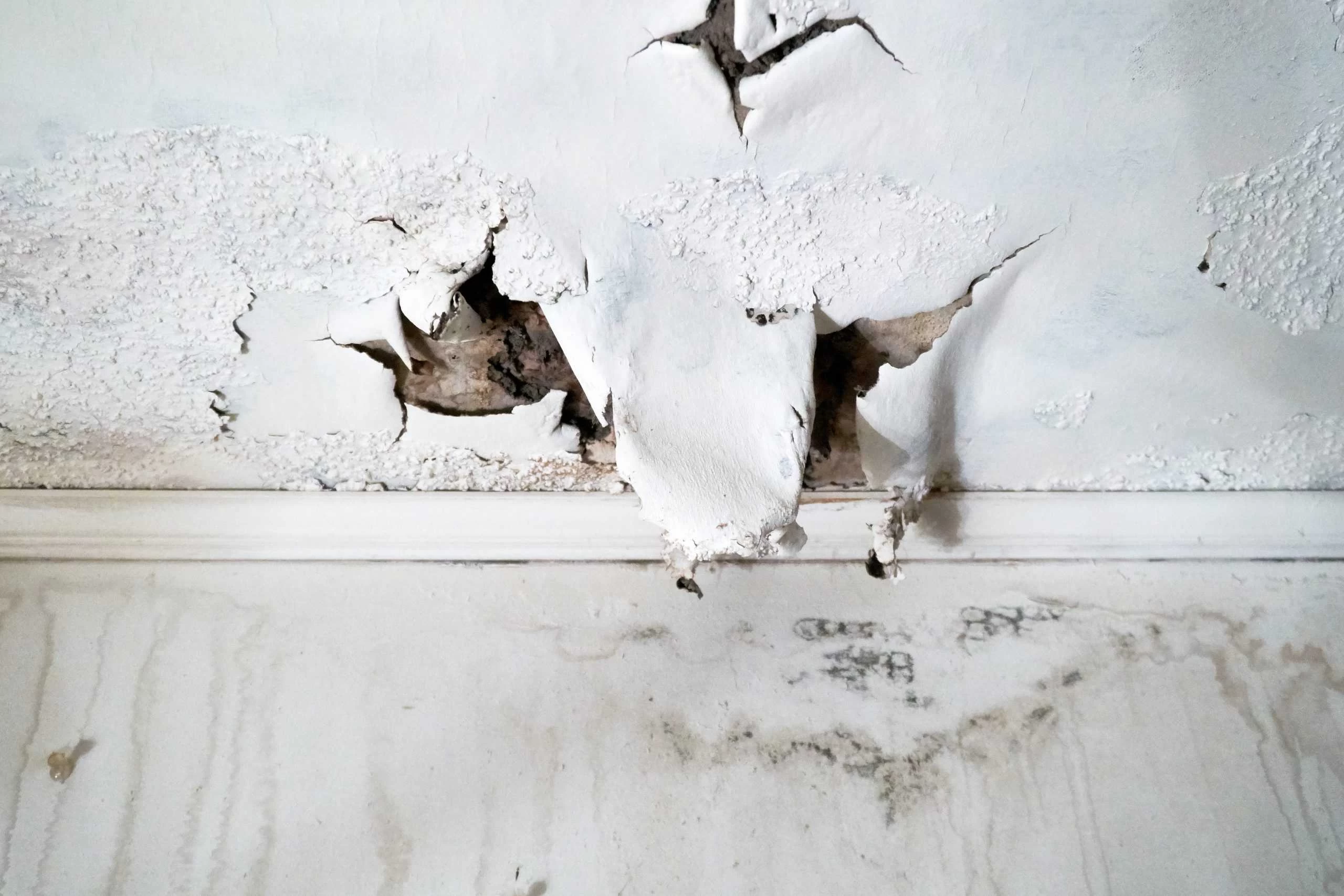
A burst pipe that floods your kitchen overnight? Likely covered. A slow leak behind your bathroom wall that’s been seeping for six months? Your insurer will probably call that a maintenance issue and deny the claim. The burden is on you to show the damage happened suddenly — which is exactly why documentation matters from the moment you discover it.
Standard homeowners policies also draw a hard line between water damage and flood damage. These are not the same thing in the eyes of your insurer, and in Nassau County, NY, that line has cost homeowners real money.
Flood Damage vs. Water Damage: A Distinction Nassau County Homeowners Can't Afford to Confuse
Standard homeowners insurance covers water damage from internal sources — a pipe that bursts, an appliance that fails, a roof leak caused by a windstorm. What it does not cover is flooding, which insurers define as water entering your home from an external source: storm surge, heavy rainfall that overwhelms drainage, or rising groundwater.
This matters enormously on Long Island’s South Shore. Communities like Long Beach, Oceanside, Freeport, Baldwin, and Island Park sit in low-lying coastal areas directly exposed to storm surge. After Hurricane Sandy in 2012, FEMA reclassified large portions of Nassau County, NY into high-risk flood zones — AE and VE designations — making flood insurance mandatory for homeowners with federally backed mortgages in those areas. Many homeowners in those zones now carry two separate policies: a standard homeowners policy and an NFIP (National Flood Insurance Program) flood policy.
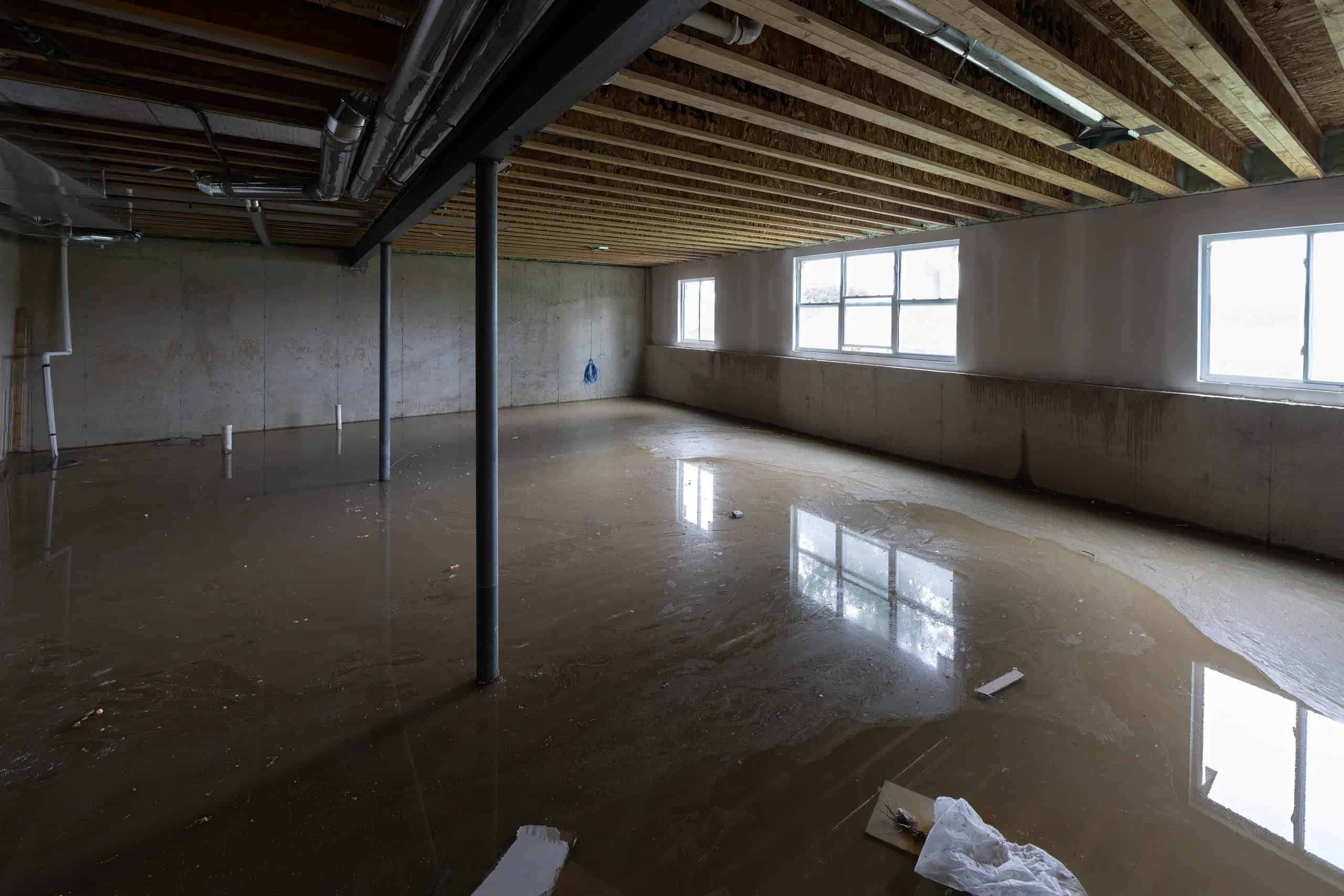
If your basement flooded during a storm, the question of whether that water came from a burst pipe, a backed-up sewer, or surface flooding determines which policy applies — or whether either one does. Sewer backup, for instance, is typically excluded from both standard homeowners coverage and the NFIP unless you’ve added a specific endorsement.
The confusion between these categories didn’t start with Sandy, but Sandy made it undeniable. Thousands of Nassau County homeowners filed claims expecting their standard policy to respond, only to learn the damage was classified as flooding. If you’re not sure which category your damage falls into, that’s the first question to resolve — before you file anything.
Does Home Insurance Cover Foundation Water Leaks?
Generally, no — and this is one of the most common surprises homeowners run into. Water seeping through a foundation wall or floor drain due to groundwater pressure is typically considered a maintenance issue by insurers, not a covered loss. The reasoning is that foundation seepage is a predictable condition, not a sudden and accidental event.
That said, the picture isn’t always black and white. If a pipe inside your foundation bursts and the resulting water causes structural damage, that may be covered as a sudden and accidental event. The key is whether the water originated from a covered source or from external groundwater intrusion.
In Nassau County, NY, this matters more than in most places. Long Island’s geology puts the water table naturally close to the surface across much of the county. In neighborhoods built on fill or near tidal areas — parts of Freeport, Island Park, or the Merrick waterfront — hydrostatic pressure against basement walls is a persistent condition, not a one-time event. Insurers are well aware of this, and they scrutinize foundation-related claims accordingly.
If you’re dealing with a wet basement and you’re not sure whether it’s a covered pipe failure or excluded groundwater seepage, the documentation you gather in the first few hours will heavily influence how that claim is evaluated. Thermal imaging and moisture mapping — tools we use on every water damage job — can identify the source of intrusion in a way that a visual inspection simply cannot. That kind of evidence doesn’t just help with restoration. It helps with your claim.
How to Get Insurance to Pay for Water Damage
Coverage is only half the equation. Even when your damage is clearly covered, a poorly documented or mishandled claim can result in a lower payout — or a denial. The process matters as much as the policy.
The single most important thing you can do after discovering water damage is document everything before anything is moved, dried, or discarded. Photos and video of the affected areas, the source of the damage, and any personal property involved form the foundation of your claim. From there, you notify your insurer promptly — most policies require notification within 48 to 72 hours — and begin mitigation to prevent further damage. Waiting for an adjuster before starting cleanup is a common mistake. Most policies actually require you to take reasonable steps to limit additional loss.
Water Damage Insurance Claim List: What to Document Before Anyone Arrives
Before the restoration crew arrives, before the adjuster schedules a visit, and before anything gets thrown away — document. The quality of your documentation is one of the biggest factors in whether your claim gets approved and for how much.
Start with video. Walk through every affected room and narrate what you’re seeing: the source of the water, the extent of the damage, the condition of floors, walls, ceilings, and any personal property. Then take still photos of the same areas from multiple angles. Get close-ups of the damage itself and wide shots that show the full scope of the affected space.
Save everything that was damaged, even if it seems unsalvageable. Insurers and adjusters may want to inspect damaged items before approving replacement costs. If you throw something away before it’s been documented or inspected, you may lose the ability to claim it.
Write down the timeline as accurately as you can: when you first noticed the damage, what you think caused it, and what steps you took immediately after. This narrative matters because insurers are looking for evidence that the damage was sudden and accidental — not something that had been developing for weeks or months.
Keep records of every expense related to the damage from the moment it happens: emergency plumbing calls, temporary housing if needed, any materials you buy to stop further damage. These out-of-pocket costs may be reimbursable under your policy’s additional living expenses or loss of use coverage.
When a professional restoration company is involved, the documentation gets significantly more thorough. We use thermal imaging cameras to find hidden moisture behind walls and under floors — moisture that’s invisible to the naked eye but that an adjuster needs to see to understand the full scope of the damage. We also produce psychrometric logs: detailed records of temperature, humidity, and moisture readings taken throughout the drying process. Insurance adjusters recognize this kind of documentation. It’s the standard they’re trained to evaluate, and it produces more complete claim outcomes than a homeowner’s photos alone.
The Paperwork a Contractor Asks You to Sign — and Why It Matters
Here’s something most water damage guides don’t tell you: one of the riskiest moments in this entire process isn’t the damage itself. It’s the paperwork.
When a contractor arrives at your home — especially in an emergency — they may present documents for you to sign before work begins. Some of that paperwork is standard and legitimate: a direction-to-pay, for instance, simply authorizes your insurer to pay the contractor directly rather than cutting a check to you first. That’s a normal and often convenient arrangement.
But some contractors use a different document called an Assignment of Benefits, or AOB. An AOB is fundamentally different. When you sign one, you’re not just authorizing payment — you’re transferring your insurance claim rights to the contractor. They gain the authority to file the claim, negotiate with your insurer, make decisions about the scope of repairs, and collect the insurance proceeds, often without your further involvement. The New York Department of Financial Services has flagged aggressive AOB practices as a potential unfair trade practice, and the NAIC has issued consumer warnings about them specifically.
The problem is that in the middle of a water emergency, most homeowners don’t read what they’re signing. They’re stressed, they want the water stopped, and they trust that the contractor is handling things properly. Some contractors count on exactly that.
We handle insurance billing directly — managing all documentation, producing adjuster-ready damage reports, and working with your insurer on your behalf — without requiring you to sign over your claim rights. You stay in control of your claim. We handle the paperwork. That’s a meaningful difference, and it’s worth asking about with any contractor you bring into your home.
Nassau County, NY’s housing stock also adds another layer of complexity here. The average home in the county is about 73 years old, which means the majority were built before 1978. Water damage in a home of that age can disturb asbestos pipe insulation, 9×9 vinyl floor tiles, or lead-based paint — all of which require licensed handling under New York State law. A contractor who isn’t licensed for asbestos and lead abatement can’t legally complete the job in full, which means either the work stops mid-project or it gets done by an unlicensed subcontractor. We hold NYS DOL Asbestos Handler, USEPA Lead, and USEPA RRP certifications in-house, so there are no gaps, no delays, and no handoffs to someone you didn’t vet.
Is Filing a Water Damage Claim Worth It? Here's How to Decide
The honest answer is: it depends on the math. A single water damage claim raises homeowners premiums by roughly 25% on average, and a second claim within a few years can push that figure to 55–60% — or trigger non-renewal entirely. If your repair costs are close to your deductible, it may not be worth the long-term rate impact to file.
But for significant damage — anything well above your deductible, involving structural materials, mold risk, or hazardous materials in an older home — filing is almost always the right move. The average private homeowners insurance payout for water damage is $13,954. That’s not money most homeowners can absorb out of pocket, especially in a market where the median home value in Nassau County, NY exceeds $684,000 and the stakes of getting the restoration right are correspondingly high.
What tips the balance in your favor is how well the claim is documented and handled from the start. Green Island Group has been working with Nassau County, NY homeowners and their insurers for over 12 years, across more than 5,000 restoration projects. If you’re trying to figure out whether to file, what your damage might involve, or what happens next — reach out. We’re available 24/7, and the first conversation costs you nothing.