Summary:
Finding water in your basement is one of those moments where your stomach drops and your brain immediately starts running through worst-case scenarios. How bad is it? Is it covered by insurance? Do you need a professional, or can you handle it yourself? These are the right questions — and the answers matter more than most people realize, especially here on Long Island where the conditions that cause basement flooding also make the damage worse than it looks.
We’ve managed hundreds of basement water damage restoration jobs across Nassau County, and what we’ve learned is that the difference between a basement that’s genuinely restored and one that just looks dry comes down to process, equipment, and speed. This guide covers what basement water damage restoration actually involves, what the process looks like from start to finish, and what Nassau County homeowners specifically need to know before making any decisions.
What Basement Water Damage Restoration Actually Involves
Most people picture flood damage restoration as a cleanup job — get the water out, run some fans, let it dry. That’s not how it works, and closing that gap in understanding is the whole point of this section.
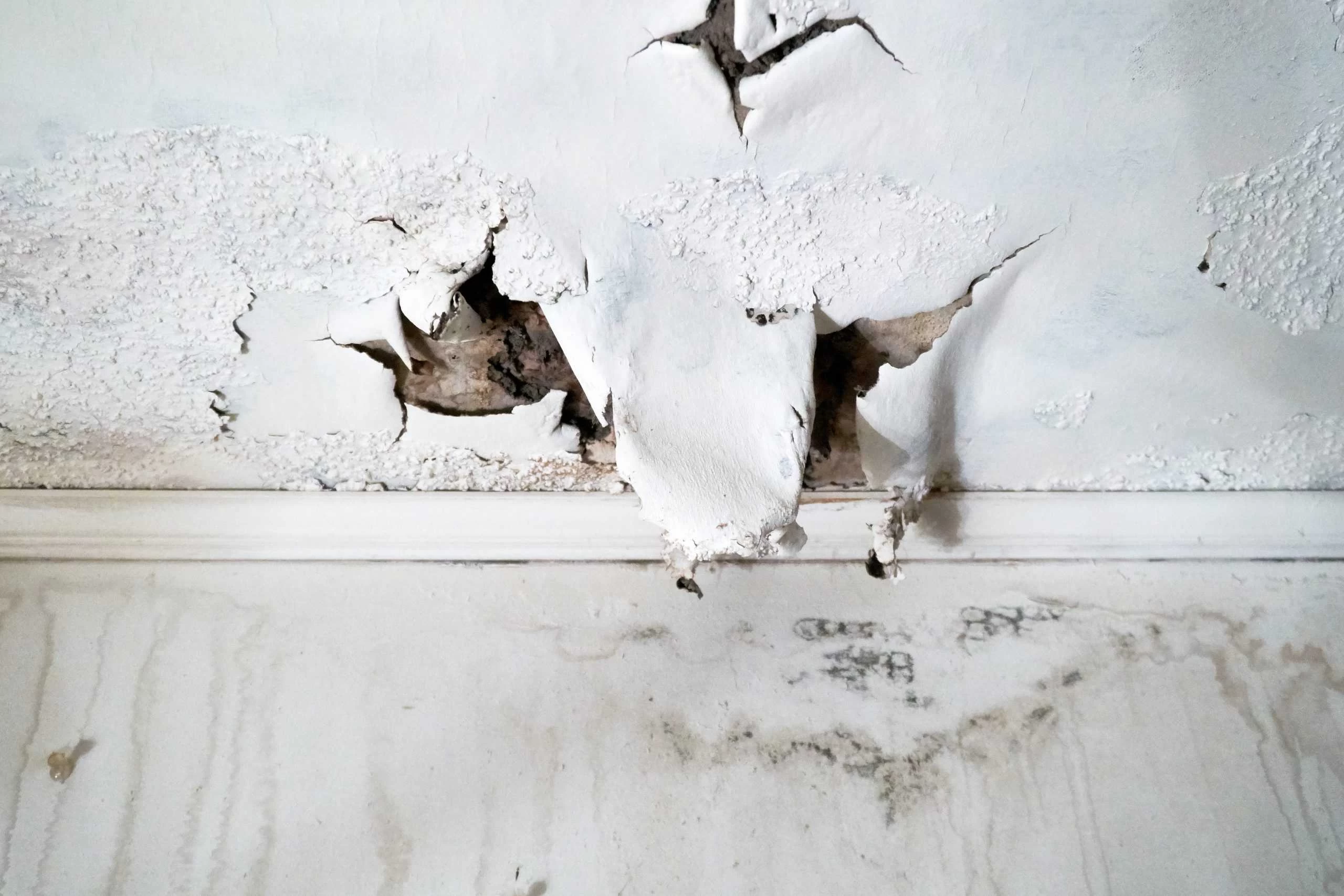
Water doesn’t stay where you can see it. Within minutes of contact, it wicks into drywall, soaks into subfloor materials, travels along framing, and saturates insulation. By the time you’re mopping up the standing water, the moisture has already moved somewhere you can’t reach with a mop.
Professional restoration isn’t about cleaning what’s visible — it’s about finding and eliminating every trace of moisture before it causes secondary damage that’s far more expensive to fix. That’s the core of what water damage restoration means: a systematic, equipment-driven process that follows documented standards, produces verifiable results, and leaves your home genuinely dry — not just dry-looking.
Water Damage Restoration Process: Step by Step
The water damage restoration process follows a clear sequence, and understanding it helps you evaluate whether the company you’re talking to is actually doing the job right.
It starts with a thorough inspection and moisture mapping. Before any equipment gets set up, our technicians assess the full scope of the damage — including areas that aren’t visibly wet. Thermal imaging cameras are a key part of this step. They detect temperature differentials behind walls and under floors that indicate hidden moisture. Research from the restoration industry suggests thermal imaging reveals roughly 30% more affected area than a visual inspection alone. In a Nassau County home where water has been sitting for even a few hours, that gap matters enormously.
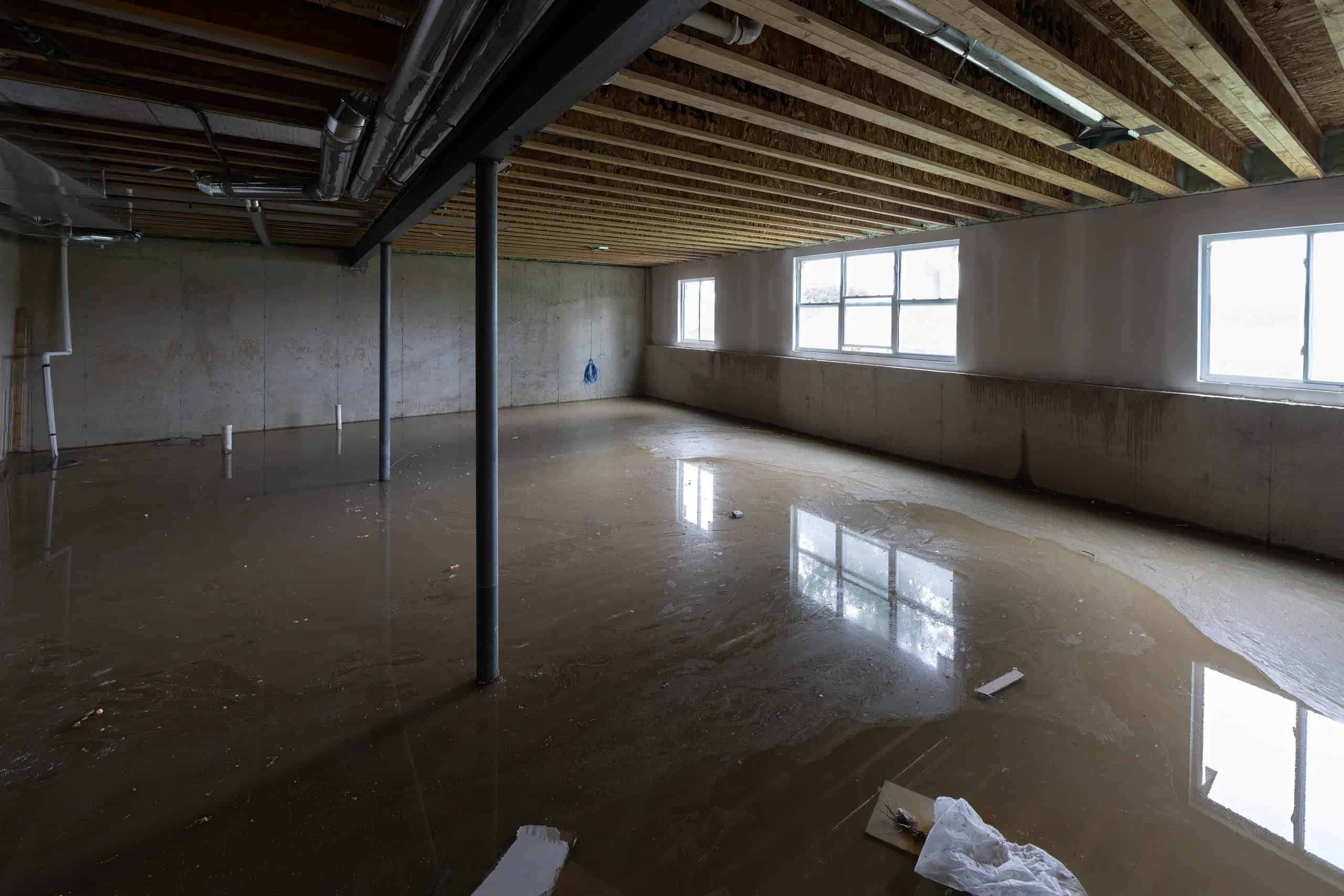
Next comes extraction. Industrial pumps and wet vacuums remove standing water as quickly as possible. The speed of this step directly affects what comes next — the longer water sits, the deeper it penetrates and the more contaminated it becomes. Groundwater and storm runoff that enters a basement from outside is classified as significantly contaminated under industry standards, which means it requires more intensive handling than a burst pipe would.
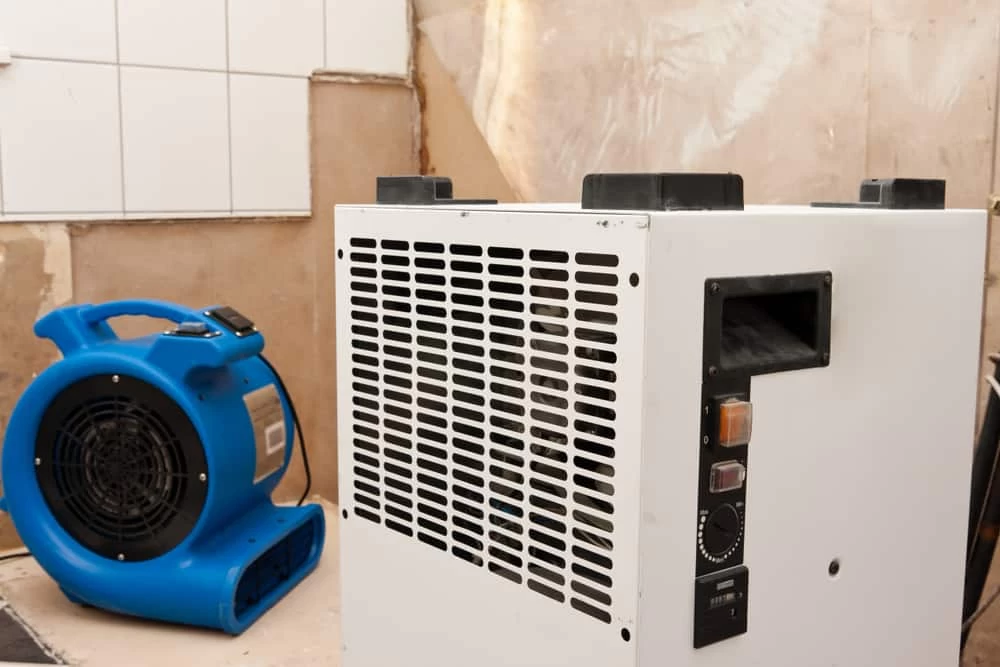
After extraction, the structural drying phase begins. We place commercial dehumidifiers and air movers strategically throughout the affected space. These aren’t the dehumidifiers you’d rent from a hardware store — industrial units remove dramatically more moisture per hour and are sized and positioned based on the specific conditions of your space. This phase typically runs for three to five days for a standard water loss, with daily moisture readings taken to track progress and confirm the structure is actually drying, not just appearing to.
Once moisture readings confirm the space has reached acceptable levels, the reconstruction phase can begin — whether that means replacing drywall, repairing subfloor, or addressing any structural elements that were compromised. Every step is documented, which matters significantly when an insurance claim is involved.
Why the 48-Hour Window Changes Everything for Nassau County Basements
Here’s the fact that drives the urgency behind everything in this industry: according to FEMA and the EPA, mold can begin forming within 24 to 48 hours of a flooding event. That’s not a marketing line — it’s a documented biological reality, and it has a direct bearing on how quickly you need to act.
In Nassau County, that window is even tighter than the national benchmark suggests. The county’s proximity to the Atlantic and Long Island Sound means baseline humidity runs consistently higher than inland markets. In the summer months especially, the conditions that allow mold to establish itself arrive faster than the 48-hour figure implies. A basement that flooded on a humid August evening in Freeport or Wantagh is operating on a shorter clock than the same event in a drier climate.
This matters for two reasons. First, mold remediation is a separate, more involved, and more expensive process than water damage restoration — adding anywhere from $1,500 to $4,000 to a job that could have been contained with a fast response. Second, mold that establishes behind walls or under flooring can go undetected for months, creating ongoing air quality problems that affect everyone in the home.
The other compounding factor specific to Nassau County is the water table. Much of the county — particularly communities south of Sunrise Highway, including Oceanside, Island Park, Baldwin, Merrick, Bellmore, Seaford, and Massapequa — sits on terrain where the water table can rise to within a few feet of finished basement floors during heavy rain events. This means that even after a storm passes, groundwater can continue pushing into a basement for hours. Standard cleanup approaches that assume the water source has stopped once the rain stops are inadequate for this environment. The extraction and drying process has to account for ongoing infiltration, not just what’s already on the floor.
Acting within that first 24-hour window — calling a restoration company that can respond immediately, begin extraction the same day, and get industrial drying equipment in place before mold has a chance to establish — is the single most important decision you can make after a basement flood.
Flooded Basement Cleaning: What Professionals Do That DIY Misses
The instinct to handle it yourself is understandable. You’ve got a shop vac, you can rent a dehumidifier, and the water doesn’t look that bad. For a very minor, contained incident involving clean water from a known source, that might be sufficient. But for most basement flooding events in Nassau County — which typically involve groundwater, storm runoff, or sump pump failure during a power outage — DIY cleaning creates a false sense of resolution that leads to bigger problems later.
The issue isn’t effort. It’s equipment capability and the ability to verify results. Consumer-grade dehumidifiers and fans address surface moisture. They don’t reach the moisture inside wall cavities, beneath flooring materials, or within structural framing. Without thermal imaging and calibrated moisture meters, there’s no way to confirm a space is actually dry — and without that confirmation, reconstruction over still-wet materials is a reliable path to hidden mold growth.
Does Insurance Cover Basement Flooding in Nassau County?
This is one of the most common and most consequential questions Nassau County homeowners ask after a basement flood — and the answer is more complicated than most people expect.
Standard homeowners insurance covers sudden, accidental water damage from internal sources. A burst pipe, a failed water heater, an appliance malfunction — these are typically covered events. What standard homeowners insurance does not cover is flooding, meaning water that enters your home from outside. Storm surge, heavy rain that overwhelms drainage, and groundwater infiltration all fall into this category. For that type of coverage, a separate National Flood Insurance Program policy is required.
This distinction catches a significant number of Nassau County homeowners off guard, particularly after major weather events. The county has experienced 30 declared natural disasters since 1953, including 11 hurricanes and 7 floods. During Hurricane Sandy in October 2012, FEMA documented 74,736 damaged or destroyed structures in Nassau County alone — and a large portion of those homeowners discovered their standard policy didn’t apply to what happened to their basement.
If you do have applicable coverage — whether through a standard policy for an internal cause or through a flood policy for an external event — the documentation you produce immediately after the damage occurs determines how your claim is handled. Insurance carriers require evidence of the damage before remediation, a record of what was affected and to what extent, and documentation that the restoration work performed meets industry standards. When we manage a job, we document everything from the initial moisture readings through the final clearance — the kind of paper trail that supports a claim rather than complicating it. In most cases, we bill your insurance company directly, so your out-of-pocket cost is limited to your deductible rather than the full restoration bill.
Basement Flood Restoration in Nassau County's Older Homes: The Asbestos Factor
There’s a layer of complexity specific to Nassau County’s housing stock that most homeowners don’t know about until they’re already in the middle of a restoration job — and it’s worth understanding before work begins.
The majority of Nassau County’s homes were built during the post-World War II suburban boom, and the median home in the county is now over 70 years old. Homes built before 1980 frequently contain asbestos-containing materials: pipe insulation, floor tiles, ceiling tiles, joint compound, and other building products that were standard at the time. This matters in the context of water damage restoration because restoration work often requires demolition — removing wet drywall, cutting out damaged subfloor, accessing wall cavities to dry structural framing. Under New York State and federal EPA regulations, any demolition in a pre-1980 building requires a pre-demolition asbestos survey. If asbestos-containing materials are present in the affected area, they must be abated by a licensed contractor before demolition can proceed.
This is a step that many restoration-only companies aren’t equipped to handle. They can extract the water and run the drying equipment, but when the inspection reveals that the damaged drywall or flooring contains asbestos, work stops until a separate abatement contractor is brought in. That handoff creates delays, coordination gaps, and additional cost — at a moment when speed is exactly what you need.
We handle asbestos abatement in-house, following NYS, NYC, and USEPA regulations, which means the process doesn’t stall when this issue comes up. For homeowners in communities like Levittown, Hempstead, Uniondale, or any of the South Shore neighborhoods where the housing stock dates to the late 1940s and 1950s, this is a practical reality worth knowing about before the restoration conversation starts.
Beyond asbestos, older Nassau County homes also present aging plumbing systems — original cast-iron pipes that are approaching or past their useful life — as an ongoing source of water damage claims. A pipe that’s been leaking slowly inside a wall for weeks before it fails visibly can saturate framing and insulation far beyond what’s apparent at the surface. Thermal imaging during the initial inspection often reveals the full extent of this kind of damage in a way that nothing else can.
What to Do After a Basement Flood in Nassau County
The short version: act quickly, don’t assume the visible damage is the whole story, and get a professional assessment before deciding anything about cleanup, repairs, or insurance.
The 24 to 48 hour mold window is real, and Nassau County’s humidity makes it tighter than the national figure suggests. Hidden moisture behind walls and under floors is the rule, not the exception. And if your home was built before 1980, there may be regulatory requirements that affect how restoration work can proceed.
If your basement has flooded — or if you’re dealing with the aftermath of a flood that you thought was handled — Green Island Group is available around the clock to assess the damage, manage the restoration process, and work directly with your insurance company so the paperwork doesn’t become another problem on top of the one you’re already dealing with.