Summary:
The terms get thrown around fast after water damage happens — mitigation, remediation, restoration. An insurance adjuster uses one word. A contractor uses another. A neighbor who went through something similar uses a third. And somewhere in the middle of all that, you’re standing in a wet basement trying to figure out what actually needs to happen and who should be doing it.
This isn’t about vocabulary. Understanding the difference between these phases determines whether you hire the right company, ask the right questions, and protect your insurance claim. Let’s walk through what water remediation actually means — and what it looks like in a Nassau County, NY home specifically.
Water Mitigation: The First Phase That Stops the Damage
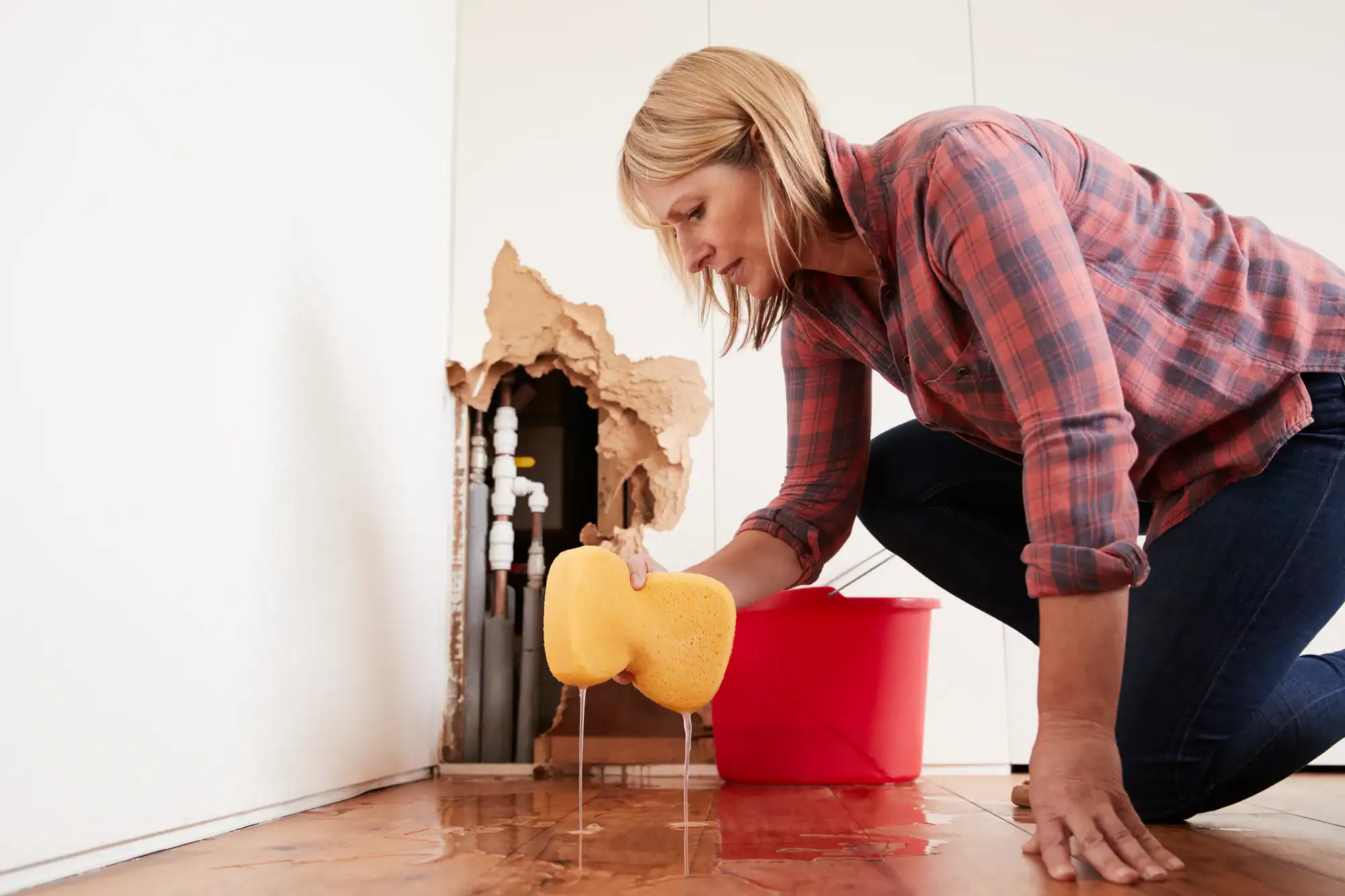
Water mitigation is the first phase of the response — and it’s focused entirely on stopping the damage from getting worse. Before anything can be cleaned, dried, or rebuilt, the source of the water needs to be controlled and the affected area needs to be stabilized. That means extracting standing water, protecting structural materials from further saturation, and getting industrial drying equipment in place as quickly as possible.
Mitigation is not the same as remediation, even though the two words are often used interchangeably. Mitigation is defensive — it’s about limiting the loss. Remediation comes after, once the water is out and the real work of cleaning, drying, and sanitizing begins. Skipping or rushing mitigation almost always makes remediation harder and more expensive.
What a Water Mitigation Contractor Actually Does
Our job in the mitigation phase is to get to your property fast, assess the full scope of the damage — including what’s hidden — and deploy the right equipment to stop the situation from escalating. That last part matters more than most homeowners realize.
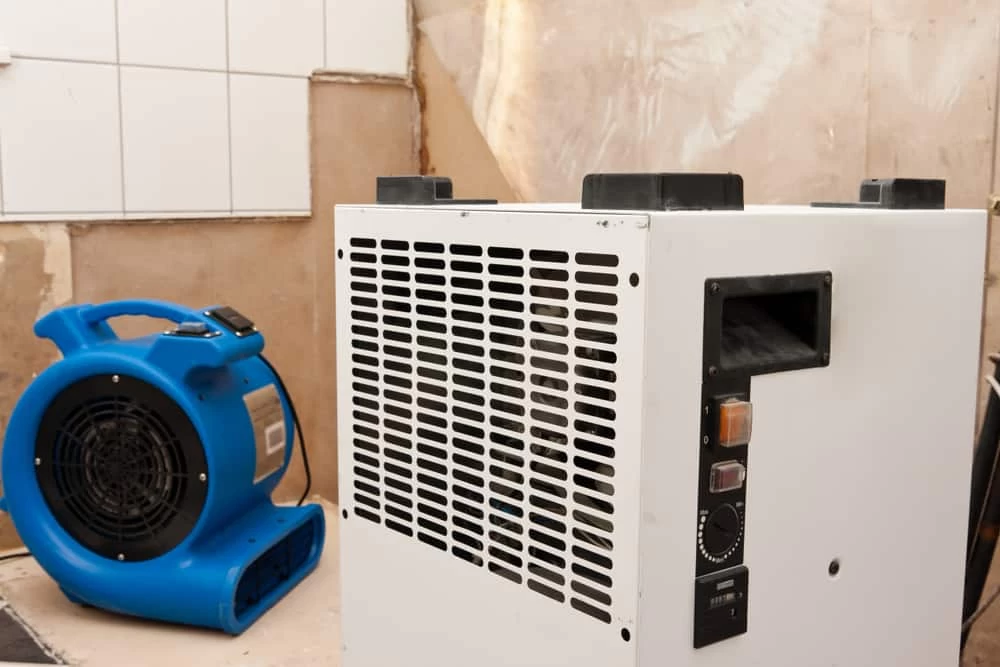
Visible water is only part of the problem. Moisture moves into wall cavities, subfloors, insulation, and structural framing within hours of an event. A contractor who relies on visual inspection alone will miss it. The standard for professional mitigation involves thermal imaging cameras to detect hidden moisture pockets, commercial-grade water extractors (not consumer wet vacs), and industrial dehumidifiers that pull moisture out of structural assemblies — not just the air in the room.
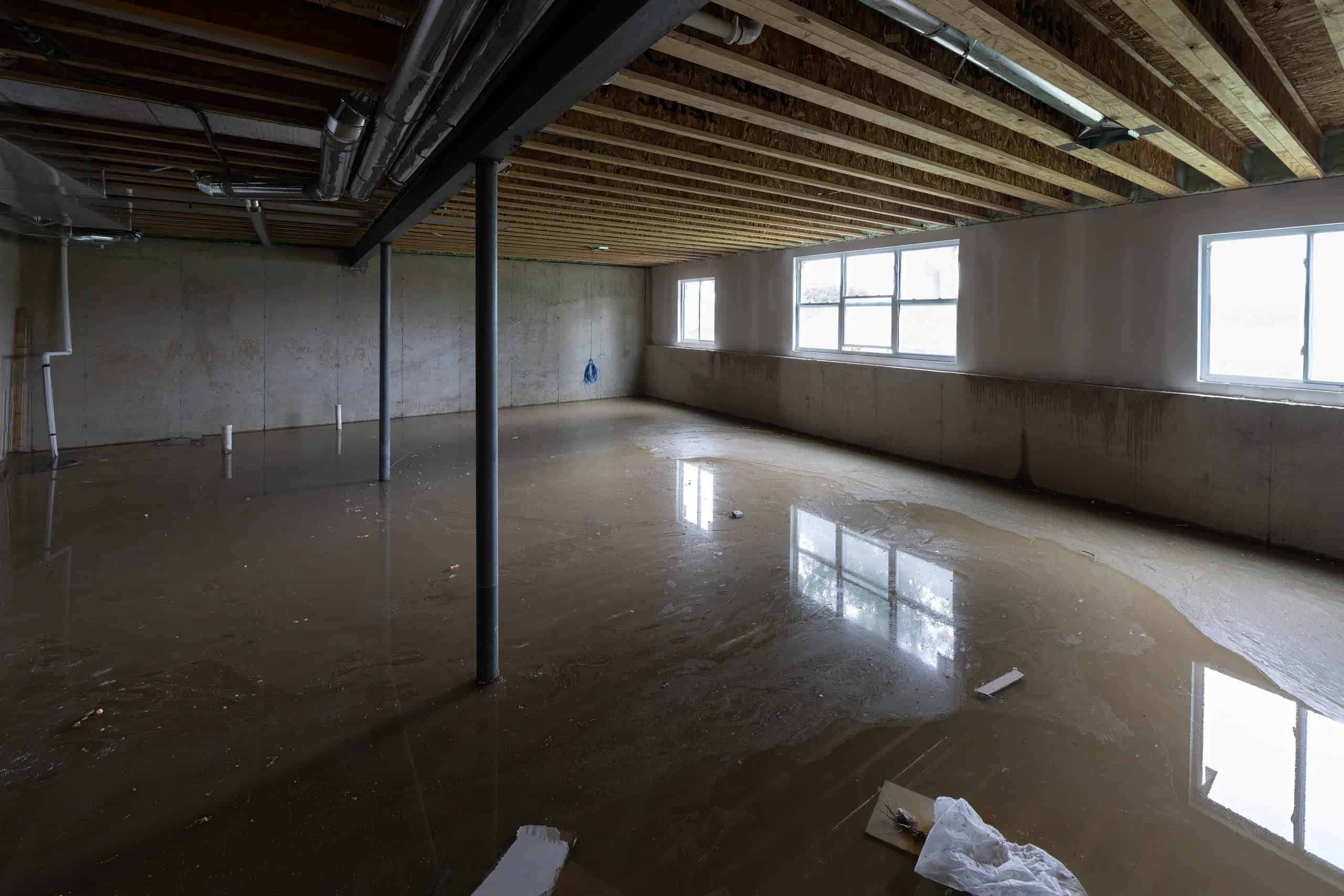
In Nassau County, this matters even more than in most markets. The county’s south shore communities — Long Beach, Merrick, Oceanside, Freeport, Wantagh, and Bellmore — face compound flooding scenarios where water enters from multiple directions simultaneously: storm surge from the bay, canal overflow, and groundwater rising through basement slabs. That groundwater doesn’t stop when the storm does. It keeps infiltrating for hours after the rain ends because the water table in south Nassau sits just four to eight feet below grade in many areas. A mitigation contractor who packs up when the visible water is gone has left the job half-done.
The classification of the water matters too. A burst supply line is Category 1 — clean water, relatively straightforward. Flooding that involves bay water or sewage is Category 3, which requires a completely different set of protocols. Porous materials that contacted Category 3 water — drywall, insulation, carpet, wood framing — typically cannot be dried and saved. They have to come out. A contractor who doesn’t make this distinction on day one will create problems that show up weeks later.
The Water Mitigation Process Step by Step
Professional water mitigation follows a defined sequence, and understanding it helps you evaluate whether a contractor is actually doing the job right.
It starts with inspection and moisture mapping. Before any equipment is placed, we conduct a thorough assessment that identifies all affected areas — including those that aren’t visible. Thermal imaging cameras detect temperature differentials that indicate moisture behind walls and under floors. Hygrometers measure humidity levels throughout the structure. This documentation isn’t just good practice; it’s what your insurance adjuster will need to process the claim accurately.
Water extraction comes next. Commercial extractors remove standing water from floors, carpets, and subfloor assemblies. The volume and speed of extraction in the first few hours directly affects how long the drying phase takes and how much material can be saved.
Structural drying follows extraction. Industrial air movers and commercial dehumidifiers work together — air movers accelerate evaporation from wet surfaces, dehumidifiers remove that moisture from the air before it resettles into surrounding materials. This phase takes days, not hours, and moisture levels need to be monitored throughout to confirm the structure is actually reaching dry standard — not just feeling dry.
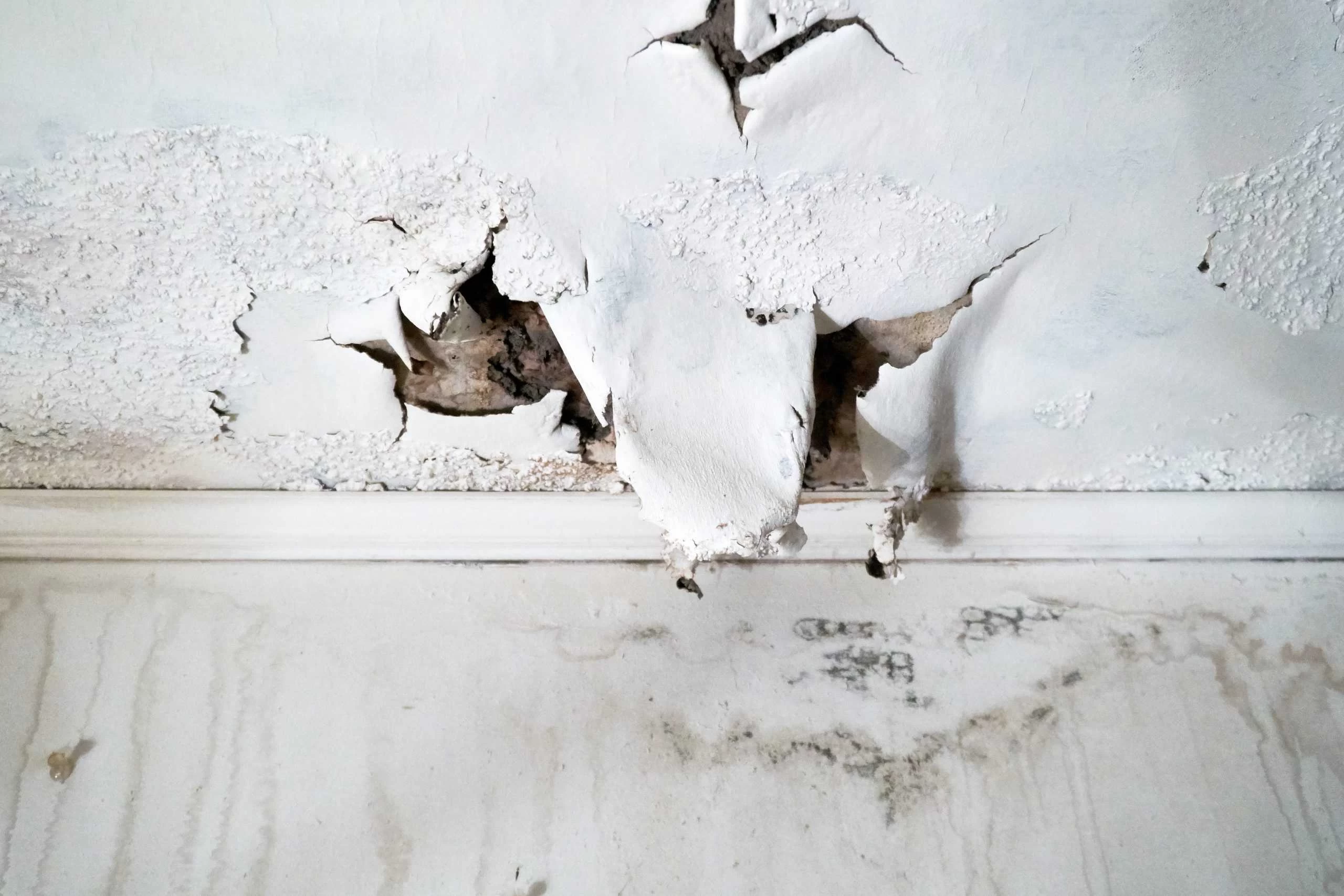
Antimicrobial treatment is applied to surfaces that contacted contaminated water or that are at elevated mold risk. This is especially relevant in Nassau County’s aging housing stock, where homes built between the 1940s and 1970s often have materials that hold moisture longer than modern construction.
Throughout the entire mitigation phase, everything should be documented — photos, moisture readings, equipment logs. That documentation protects your insurance claim and creates a clear record of conditions before any demolition or reconstruction begins.
Water Damage Mitigation vs. Remediation vs. Restoration
Here’s where a lot of homeowners get into trouble. They hire a company for “water remediation,” we extract the water and set up drying equipment, and then we leave. The homeowner assumes the job is done. It isn’t.
Mitigation stops the damage. Remediation cleans up what the damage left behind — sanitizing affected areas, removing materials that can’t be saved, and confirming the structure is free of biological hazards. Restoration is what comes after that: the actual rebuilding, the drywall, the flooring, the finishes. These are three distinct phases, and not every company does all three.
What Happens When Your Water Remediation Company Finishes and Leaves
This is the scenario that plays out regularly after major weather events in Nassau County, and it’s worth understanding before it happens to you.
A single-service water company arrives, extracts the water, runs drying equipment for a few days, and hands you a completion report. Now you need a mold remediator — because the drying wasn’t complete, or because mold established in the 24 to 48 hours before the company arrived. After mold remediation, you need a general contractor to rebuild the damaged areas. If your home was built before 1978 — which describes the majority of homes in communities like Levittown, East Meadow, Uniondale, and Hempstead — that general contractor should be testing for asbestos before cutting into walls. If they’re not licensed for asbestos work, they legally can’t perform that testing themselves. So now you need a fourth company.
Each handoff adds time. Each additional contractor needs to schedule, assess, and mobilize. Meanwhile, the window for preventing secondary damage — mold, structural deterioration, further moisture migration — is closing. After a major storm, when every contractor in Nassau County is booked out by two or three weeks, that coordination problem becomes a serious one.
We handle the job from water extraction through final reconstruction without handing you off. That eliminates the scheduling gaps, keeps the documentation chain intact for insurance purposes, and means one set of eyes on the project from day one through completion.
Why Nassau County Homes Complicate Standard Remediation Advice
Most of the “water remediation” content you’ll find online was written for a hypothetical home with a burst pipe and clean water on a concrete slab. Nassau County properties don’t fit that template, and the differences are significant enough to affect which company you should hire and what questions you should ask.
The county’s housing stock has a median build year of 1955. That means most homes are 70 years old or older — built during the post-World War II boom that turned Nassau County into one of the fastest-growing communities in the country. Levittown alone was the model for an entire generation of American suburban development. Those homes were built with materials that are now known hazards: asbestos floor tiles, asbestos pipe insulation, lead paint. Any water damage job that involves opening walls in a pre-1978 Nassau County home should include asbestos assessment before demolition begins. A company that isn’t licensed for asbestos work can’t legally perform that assessment — and if they proceed without it, they may create a hazard that wasn’t there before they arrived.
The coastal flooding picture adds another layer. Nassau County’s south shore sits on a barrier island and along a network of bays and canals. During storm events, water in communities like Long Beach, Merrick, and Seaford can carry saltwater and sewage — Category 3 contamination under IICRC S500 classification. The remediation protocol for Category 3 water is fundamentally different from a clean-water pipe burst. All porous materials that contacted the water — drywall, insulation, carpet, soft goods — need to come out, not dry out. A company that applies standard drying protocols to a Category 3 loss is doing the wrong job.
We’ve completed more than 400 restoration projects in Long Beach alone, including post-Sandy rebuilds, and we’ve worked across Nassau County for over 12 years. The variables that complicate these jobs — the water table, the housing age, the coastal contamination risk — aren’t surprises to us. They’re the baseline.
Choosing the Right Water Remediation Company in Nassau County
The terminology confusion — mitigation versus remediation versus restoration — isn’t just a vocabulary issue. It’s a practical one. If you don’t know which phase you’re hiring for, you may not realize a company stopped short until the mold report comes back weeks later.
The questions worth asking before you hire anyone: Can you handle the full scope, from extraction through reconstruction? Are you licensed for mold remediation and asbestos work under New York State DOL requirements? Do you bill insurance directly? And can you actually get here in time to matter?
If you’re dealing with water damage in Nassau County, NY and want a straight answer about what your situation involves, we’re available around the clock. Green Island Group handles the full process — and we know what Nassau County homes actually look like on the inside.