Summary:
Most people picture demolition as the loud part — a machine swinging into a wall, debris falling, and a cleared lot waiting for what comes next. The reality is that the visible teardown is just one moment in a much longer process. Before any equipment arrives, there are inspections to complete, permits to file, hazardous materials to assess, and utilities to disconnect. After the structure comes down, there’s excavation, grading, and site preparation before the next phase of construction can begin. If you’re planning a demolition project in Nassau County and you’re not sure what you’re actually buying, this guide is for you.
Excavation and Demolition Services: What Each Phase Actually Means
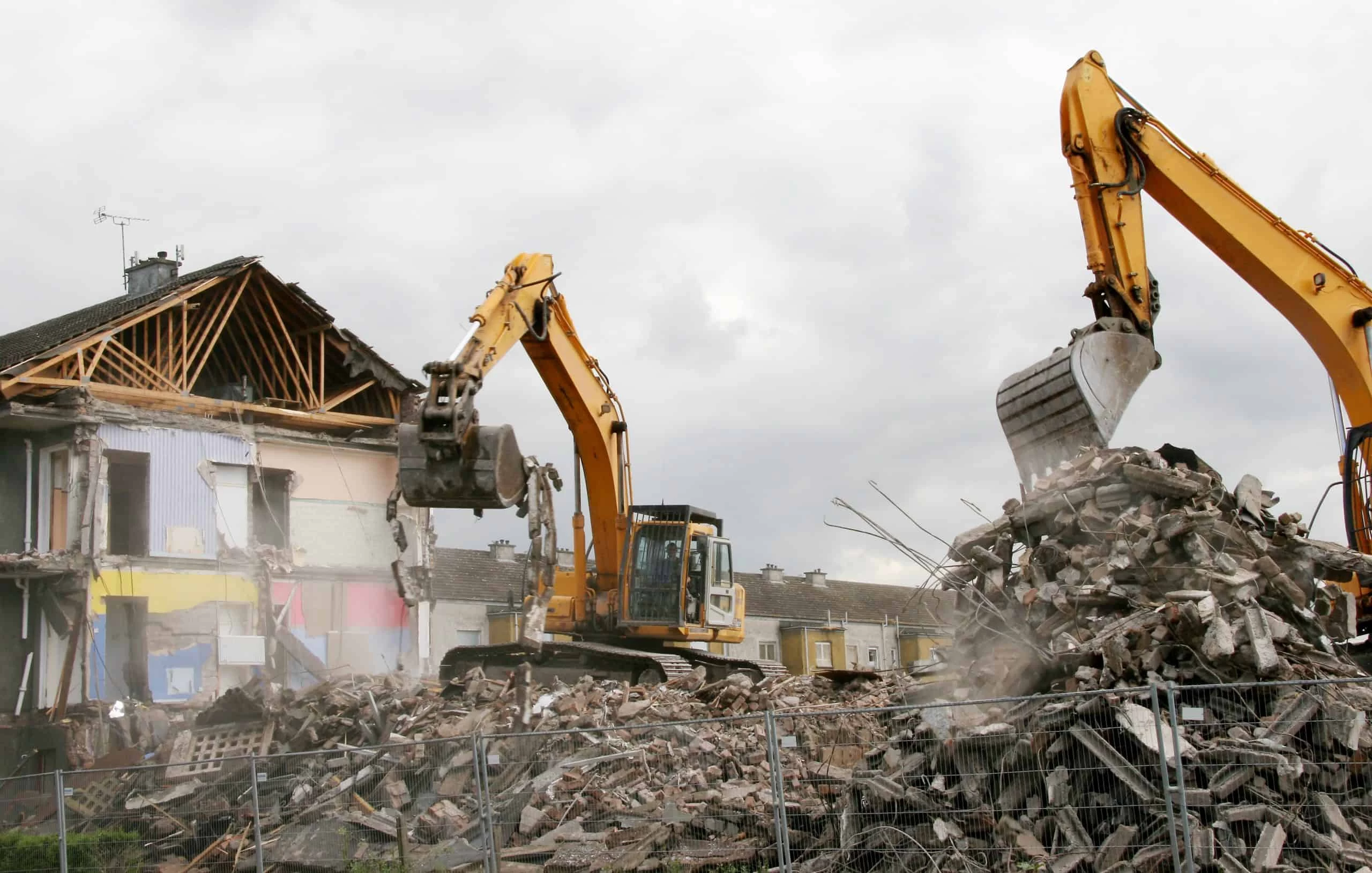
Demolition and excavation are two distinct phases that often get treated as one. Demolition handles everything above grade — tearing down the structure, removing debris, and clearing the site of what was there. Excavation is what happens below grade — moving earth, removing foundations, grading the land, and preparing the site for whatever comes next.
They’re sequential. You can’t excavate a foundation that’s still attached to a standing structure, and you can’t properly prep a site for new construction without addressing what’s underground. Understanding this distinction matters because it affects your timeline, your permit requirements, and whether the contractor you hire can handle both phases or just one.
What Happens Before Demolition Even Starts in Nassau County
This is the part most homeowners don’t know about — and it’s also where projects get delayed when a contractor isn’t prepared for it.
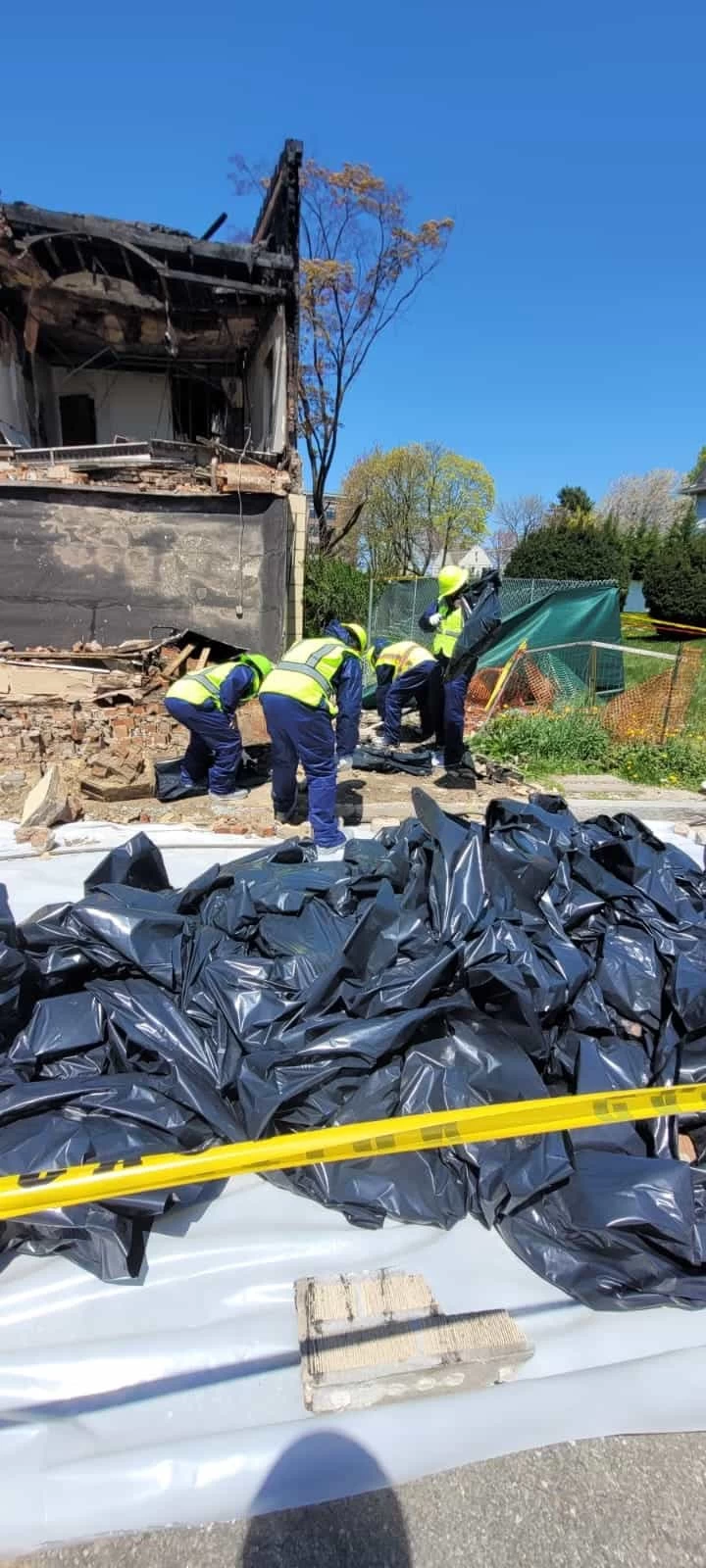
Before a single piece of equipment touches your property in Nassau County, several things need to happen. First, an environmental assessment is required. Nassau County’s housing stock skews heavily toward post-World War II construction — the ranch homes, capes, and colonials built through the 1940s, 50s, and 60s that make up a large portion of communities like Mineola, Hempstead, Garden City, and Wantagh. Structures in that age range almost universally contain asbestos-containing materials somewhere — insulation, floor tiles, ceiling tiles, pipe wrapping, roofing shingles, or joint compound. None of it is visible to the naked eye. A pre-demolition environmental survey is legally required before any work begins, and skipping it isn’t a shortcut — it’s a violation.
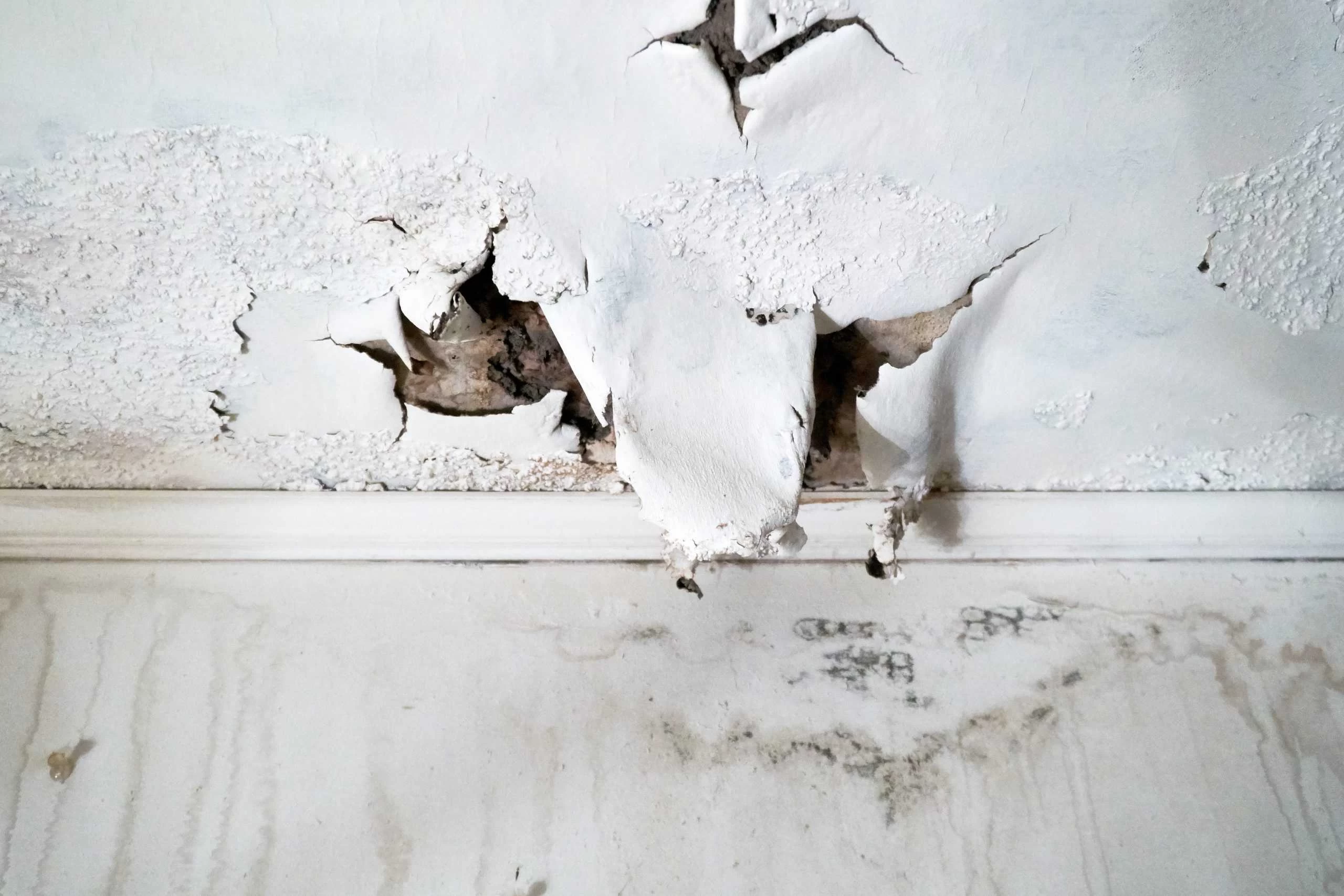
Lead paint is similarly common in pre-1978 structures, which again describes a large portion of Nassau County’s residential inventory. Both asbestos and lead require certified abatement before demolition can proceed.
Beyond the environmental assessment, there’s the permit process. Nassau County’s governance is unusually fragmented — three towns (Hempstead, North Hempstead, and Oyster Bay), two cities (Long Beach and Glen Cove), and dozens of incorporated villages, each with its own building department and its own requirements. What’s required in Port Washington is not necessarily what’s required in Oceanside. A contractor who knows one building department doesn’t automatically know the next.
There’s also the Nassau County Department of Health rodent inspection — a pre-demolition requirement that homeowners are frequently caught off guard by. It has to be cleared before demolition can begin, and it needs to be built into the project timeline from the start, not discovered mid-process.
Finally, under New York State Industrial Code Rule No. 53, contractors are required to contact New York 811 at least 48 hours before any excavation near underground facilities. Utility disconnection — gas, electric, water, sewer — must be coordinated and confirmed before work starts. These aren’t optional steps. They’re the foundation of a project that runs on schedule and without incident.
Why Asbestos Discovery Mid-Project Is a Real Risk — and What It Means for Your Timeline
Here’s a scenario that plays out more often than it should. A homeowner hires a demolition contractor, work begins, and asbestos is discovered. The contractor stops. They’re not certified to handle abatement. Now the homeowner is managing two contractors, two schedules, and a half-demolished structure while an abatement firm gets scheduled, permitted, and mobilized. The original timeline is gone. The original budget is under pressure.
This is not a worst-case scenario — it’s a common one in Nassau County, where the age of the housing stock makes hazardous material discovery nearly routine in teardown projects.
The way to avoid it is straightforward: hire a contractor who holds both a Nassau County General Contractor License and NYS Department of Labor Asbestos Contractor Certification. That combination means the same crew that handles the demolition can handle the abatement in-house, on the same contract, without stopping work and waiting for a second company to arrive.
We hold both. When our environmental assessment turns up asbestos — and in Nassau County’s older housing stock, it often does — we handle it. No work stoppage, no scrambling for a separate abatement contractor, no second permit cycle. The project stays on schedule because we planned for the real scope, not just the visible one.
This is the practical difference between a demolition contractor and a full-scope environmental and demolition contractor. The distinction matters most when something unexpected turns up — which, in Nassau County, it often does.
Landscape Demolition: The Scope Beyond the Structure
Structural demolition gets most of the attention, but a significant portion of residential demolition work in Nassau County involves the site itself — not the house. Landscape demolition covers the removal of concrete driveways, patios, and slabs; retaining walls; detached garages and outbuildings; pool houses; old sheds; and tree stumps that need to come out before grading can begin.
This work requires permits, heavy equipment, and debris disposal logistics that go well beyond what a landscaping company typically handles. It’s demolition work — and it should be treated as such, with the same licensing, permitting, and safety protocols that apply to structural teardowns.
What Does Excavation After Demolition Actually Involve?
Once the structure is down and debris is cleared, excavation begins — and this phase has its own set of considerations that vary significantly depending on where in Nassau County you’re working.
Foundation removal is typically the first step. After a structure comes down, the foundation walls and slab need to come out before the site can be graded. This involves excavators breaking up and removing concrete, which generates a significant volume of material that has to be hauled off-site.
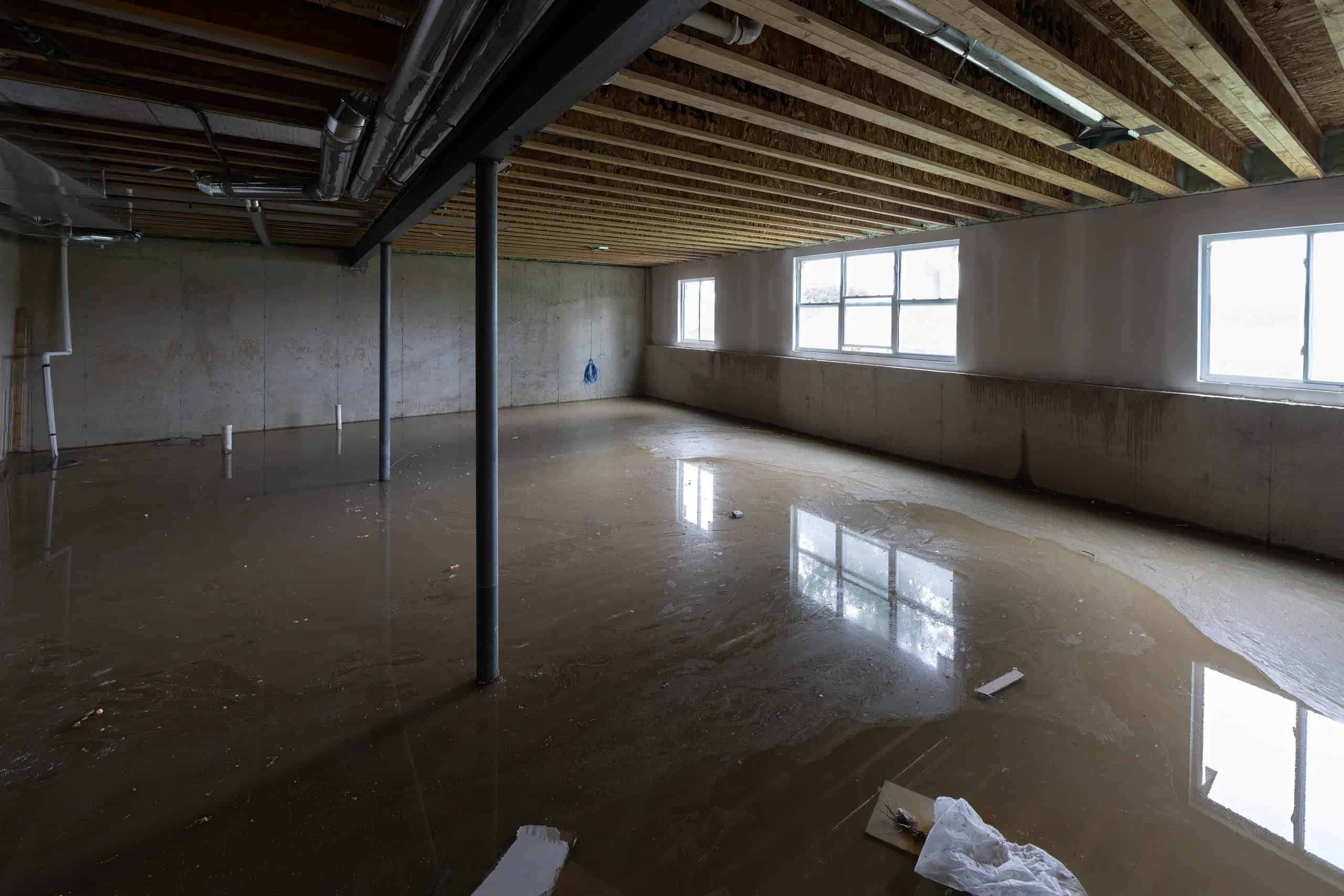
Then comes grading — reshaping the land to the correct elevations and slopes for drainage and for whatever is being built next. In Nassau County, this step requires particular attention. The county’s proximity to Long Island Sound, the Atlantic Ocean, and multiple bays — from Manhasset Bay and Little Neck Bay on the north shore to the Great South Bay on the south shore — means the water table is high across much of the county. Below-grade work in communities like Long Beach, Freeport, Merrick, or Wantagh requires careful water management and drainage planning. Excavation that doesn’t account for the water table creates problems for the next phase of construction.
In coastal communities, excavation within 100 feet of the mean high-water mark triggers additional permit requirements. This applies to a wide range of Nassau County properties — particularly on the south shore barrier islands and in waterfront communities along the north shore. It’s not a surprise if you know the area. It is a surprise if you hired a contractor who doesn’t.
After grading, site preparation wraps up the excavation phase — compaction, drainage infrastructure, and getting the site to the condition the next contractor needs to begin foundation work or landscaping. The excavation phase isn’t glamorous, but it’s what determines whether the new construction goes in level, drains correctly, and holds up over time.
How to Evaluate Demolition and Excavation Companies Before You Hire
The question most homeowners ask first is price. That’s understandable — but it’s also where scope confusion creates the most trouble. A demolition quote that doesn’t include permit fees, asbestos abatement, debris disposal, and site grading is not a lower price for the same service. It’s a quote for a different, narrower scope of work. Comparing those numbers as if they’re equivalent leads to budget surprises midway through the project.
The more useful questions to ask before hiring are about scope and credentials. Does the contractor hold a Nassau County General Contractor License specifically — not just a state license, but the credential required by Nassau County’s own building departments? Do they hold NYS DOL Asbestos Contractor Certification, or will they have to stop work and bring in a separate firm if hazmat is found? Do they handle permit filing, or does that fall to you? Will they manage the Nassau County Department of Health rodent inspection, or is that your responsibility to coordinate?
Insurance coordination is another question worth asking, particularly if your project is connected to a storm damage or fire damage claim. Some contractors handle direct insurance billing and prepare claim documentation — which removes a significant administrative burden from the homeowner. Many do not. Knowing upfront which situation you’re in changes how you plan the project.
Financing is worth asking about too. Full residential demolition in Nassau County — survey, abatement if needed, teardown, debris removal, and site prep — can run in the range of $20,000 to $50,000 depending on structure size and what the environmental survey finds. That’s a real number, and not every homeowner has it available upfront. We offer financing up to $200,000 at 0% APR through Enhancify, which is not something you’ll find at most local demolition contractors.
Longevity and project volume matter as well. A contractor with 12 years in business and 5,000+ completed projects has seen the surprises before. They’ve handled the buried oil tank, the unexpected foundation depth, the asbestos in the floor tile that didn’t show up on the initial survey. Experience doesn’t eliminate surprises — but it does mean your contractor knows what to do when one happens.
What to Know Before Starting a Demolition Excavation Project in Nassau County
Demolition excavation in Nassau County is rarely just a teardown. It’s an environmental assessment, a permit process that varies by town and village, a hazardous materials evaluation, utility coordination, structural demolition, foundation removal, grading, and site preparation — all before the next phase of your project can begin.
The homeowners who end up with the smoothest projects are the ones who understood the full scope before they hired anyone. They asked the right questions, compared quotes with the same scope in mind, and chose a contractor who could handle what was likely to come up — not just what was visible on day one.
If you’re planning a demolition or excavation project in Nassau County and want to talk through what your specific property involves, Green Island Group is available 24/7. We handle the full scope — from the environmental assessment through site prep — under one contract, with one point of contact, and without the delays that come from handing off between contractors.