Summary:
After a flood or a fire, most people’s first instinct is to call whoever comes up first in a search and hope for the best. That’s understandable — you’re dealing with a crisis, not a contractor evaluation. But the company you choose in that first hour shapes everything that follows: how quickly your home gets stabilized, how smoothly your insurance claim moves, and whether you end up coordinating three separate specialists or working with one team that handles it all.
In Nassau County, where aging homes, coastal flooding, and complex insurance claims are the norm, that choice matters more than most people realize.
What Water and Fire Restoration Contractors Actually Do
The term “restoration contractor” gets used loosely, but the scope of what a real one does is much broader than most homeowners expect. It’s not just drying out floors or clearing smoke. A full-service restoration contractor manages the entire process from the moment damage occurs — emergency stabilization, hazardous materials assessment, structural drying, demolition of unsalvageable materials, remediation, and reconstruction — all the way back to a finished, livable space.
What makes this complicated in practice is that water damage and fire damage rarely show up alone. When firefighters put out a house fire, they introduce significant water damage. Smoke and soot penetrate HVAC systems. Structural compromise affects areas that weren’t directly burned.
In Nassau County, where most homes were built before 1980, any work that disturbs building materials has to account for the very real possibility of asbestos or lead — which require separate state licenses to handle legally. That’s not a theoretical concern. It’s a practical reality on nearly every restoration project we handle in this county.
Why One Contractor for Both Water and Fire Damage Makes a Difference
Here’s what happens when you split a restoration project across multiple contractors: the water damage company finishes their scope and leaves. The fire damage company starts theirs and finds moisture the first team didn’t fully document. The mold remediation company shows up and finds that neither of the first two teams flagged the asbestos in the wall they disturbed.
Now you have three separate companies, three separate insurance reports, and a project that’s stalled while everyone figures out whose problem this is. That’s not a hypothetical — it’s what happens on fragmented restoration jobs regularly.
When different contractors handle different phases of the project, communication gaps and misunderstandings arise, and those gaps cost Nassau County homeowners money and time. A single contractor who is licensed and equipped for the full scope — water extraction, structural drying, fire and smoke remediation, mold prevention, asbestos abatement, lead abatement, and reconstruction — doesn’t have those handoff problems.
There’s one point of contact, one set of documentation, and one team that understands the complete picture of what happened to your home. We hold the NYS Department of Labor Mold license, NYS DOL Asbestos Handler certification, USEPA Lead and RRP certifications, and a Nassau County General Contractor license — all in-house. When something unexpected turns up mid-project, we don’t stop. We don’t subcontract it out. We handle it and keep moving.
How the Restoration Process Works From Start to Finish
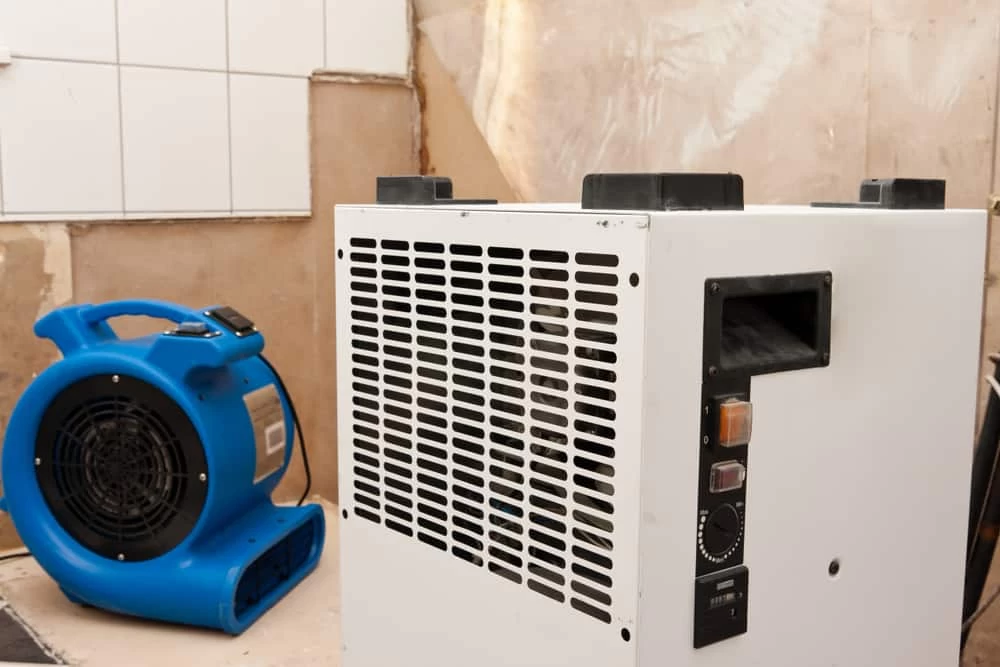
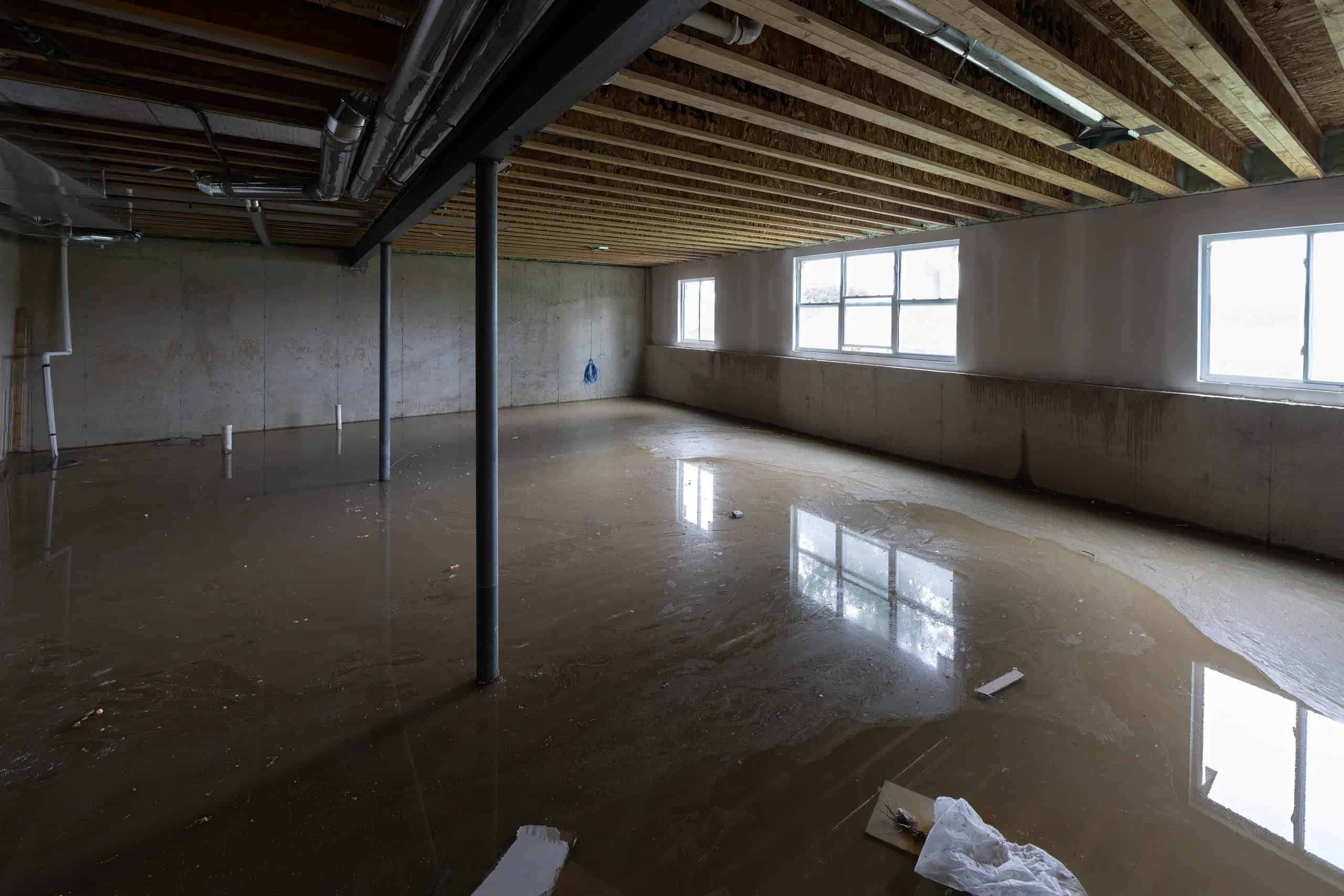
When we arrive at a Nassau County home after a water or fire event, the first priority is always stabilization — stopping the damage from spreading. For water damage, that means deploying industrial water extractors and commercial dehumidifiers immediately, because mold can begin growing on damp surfaces within 24 to 48 hours. Roughly 70% of water-damaged properties develop mold if remediation doesn’t begin within that window.
That timeline is real, and it’s why a fast response matters beyond just the visible damage. For fire damage, stabilization includes assessing structural integrity, boarding up openings, and beginning smoke and soot documentation before any cleaning begins. Soot that gets disturbed without proper containment spreads to unaffected areas of the home and dramatically increases the remediation scope.
After stabilization, we use thermal imaging cameras and moisture detection equipment to map the full extent of the damage — including what’s hidden inside walls and under floors. This documentation isn’t just for our own process. It becomes the foundation of your insurance claim. Detailed, equipment-verified moisture readings and damage assessments are what give an insurance claim its legs. Vague or incomplete documentation is one of the most common reasons claims get underpaid or delayed.
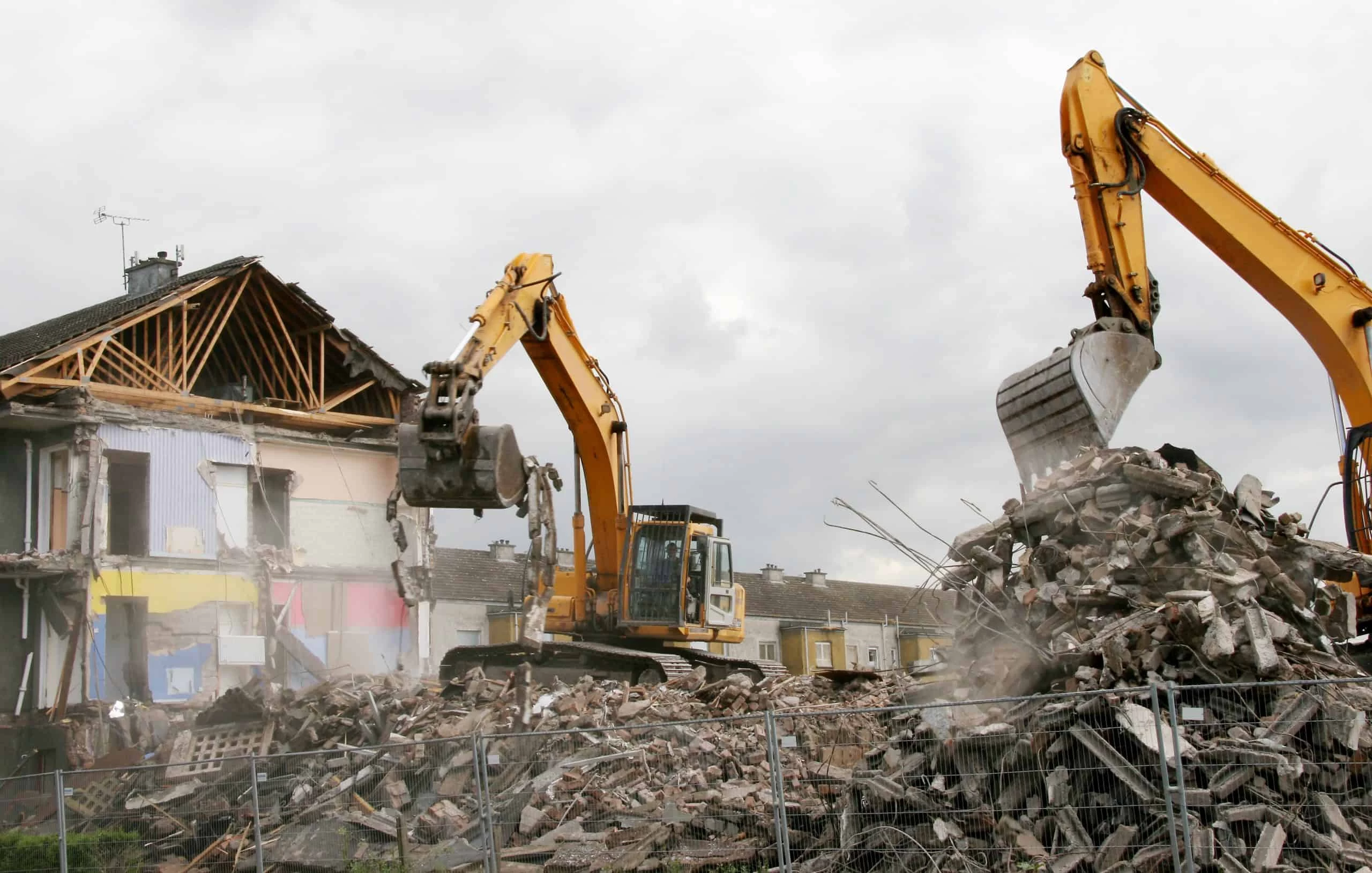
From there, the project moves through demolition of unsalvageable materials, remediation of any hazardous materials present, structural drying verified by moisture readings, and then reconstruction. For homeowners who want to use the restoration as an opportunity to update their space, we also offer kitchen and bathroom remodeling — so the same team that dried out your basement can also renovate it when the work is done.
The whole process is managed under one roof, documented for insurance, and completed by licensed technicians following IICRC standards — the same ANSI-accredited guidelines that insurance professionals and courts reference when evaluating restoration work.
How a Water Damage Insurance Claim Actually Works
Most homeowners go into the insurance claim process with one significant disadvantage: the insurance adjuster does this every day, and you probably haven’t done it before. An adjuster’s job is to process claims efficiently — and in some cases, that means closing them quickly and for less than the full value of the damage.
That’s not an accusation. It’s just the reality of how the process works. The adjuster represents the insurance company’s interests. You need someone in your corner who understands the documentation, knows what a complete restoration scope looks like, and can communicate with the adjuster on equal footing.
Dealing With an Insurance Adjuster After Water Damage
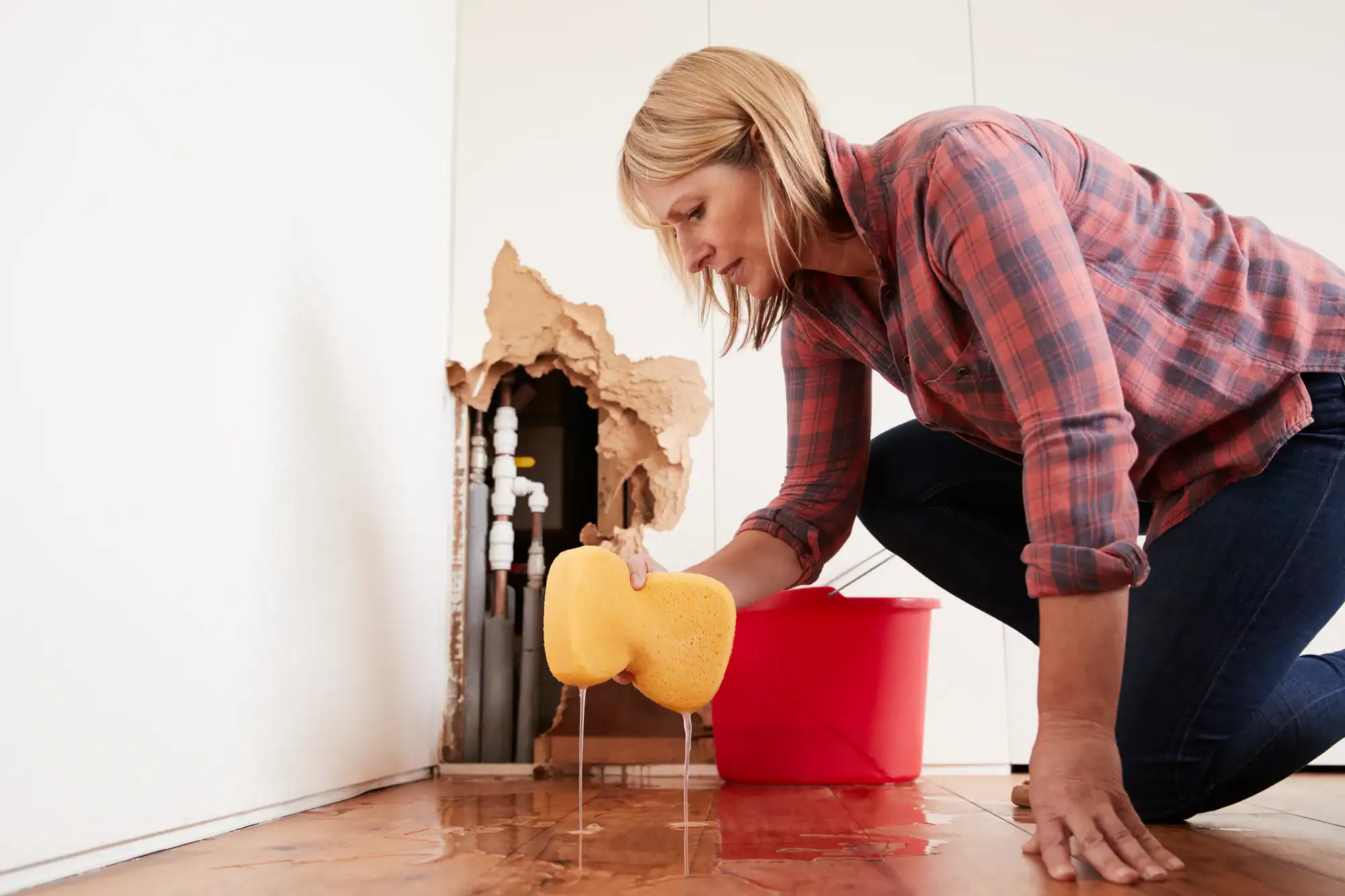
One of the most common mistakes Nassau County homeowners make after a water damage event is waiting for the adjuster’s visit before calling a restoration contractor. The instinct makes sense — you want to know what insurance will cover before you commit to anything. But waiting creates two real problems.
First, every hour you wait is an hour closer to that 24–48 hour mold window. Most homeowner’s insurance policies actually require you to take prompt action to mitigate further damage. Waiting for an adjuster before beginning emergency mitigation can give the insurance company grounds to dispute coverage for secondary damage that developed while you waited.
Second, the adjuster’s assessment of the damage is heavily influenced by what they can see at the time of their visit. A professional restoration contractor who has already documented moisture readings, mapped hidden damage with thermal imaging, and prepared a detailed scope of work gives the adjuster a complete picture — not just what’s visible on the surface. That documentation is what makes the difference between a claim that gets paid in full and one that gets underpaid because the full extent of the damage wasn’t captured.
We handle insurance communication directly. We bill insurance carriers, manage the documentation, and our team has accompanied homeowners to adjuster meetings to make sure nothing gets missed. That’s part of the job for us — because we’ve seen what happens when homeowners navigate that process alone.
It’s also worth knowing: you have the legal right to choose your own restoration contractor. Your insurance company may suggest a preferred vendor, but you are not required to use their recommendation. The contractor you choose determines the quality of the documentation, the completeness of the remediation, and ultimately how well your claim reflects the actual damage to your home.
What to Look for When Comparing Water and Fire Restoration Companies
The restoration market in Nassau County is crowded, and most companies lead with the same claims: licensed, insured, 24/7, works with insurance. Those phrases are so common they’ve lost most of their meaning. What actually separates a qualified restoration company from one that just says the right things?
Start with specific, verifiable credentials. IICRC certification in Water Damage Restoration, Applied Structural Drying, and Fire and Smoke Damage Restoration tells you that technicians have been trained to a recognized industry standard — not just trained internally. The IICRC has more than 60,000 certified technicians and 6,000 certified firms in 22 countries. The certifications are real, and they’re verifiable.
For Nassau County homes specifically, ask whether the company holds NYS DOL Mold and Asbestos licenses. These are separate, state-issued licenses required by New York law — not optional credentials. A company that handles mold or asbestos without them is operating illegally, regardless of what their website says. Given that most Nassau County homes predate 1978, these licenses should be non-negotiable.
Beyond credentials, look at who the company actually works for. We hold NYS OGS Approved Emergency Response Contractor status and have active contracts with New York State agencies including the NYS Office of General Services, NYS Office of Mental Health, and the Dormitory Authority State of New York. Government agencies vet their contractors independently — licensing, insurance, operational capability. If a company is qualified to handle emergency response for the State of New York, the bar for residential work has already been cleared by someone other than the company’s own marketing team.
Watch for red flags, too. Contractors who show up uninvited after a storm, demand large upfront cash payments, or can’t provide specific license numbers when asked are warning signs. A reasonable deposit to hold a start date — typically five to ten percent of the project — is normal. Anything beyond that should prompt questions.
Finally, ask about financing. Restoration projects in Nassau County can run $10,000 to $50,000 or more depending on scope. Insurance deductibles, coverage gaps, and the time between filing a claim and receiving payment create real financial pressure. We offer financing up to $200,000 at 0% APR through Enhancify, which means cost doesn’t have to be a reason to delay calling or to accept incomplete work.
Choosing the Right Water and Fire Restoration Company in Nassau County
When water or fire damage hits a Nassau County home, the company you call first shapes everything — the speed of stabilization, the quality of the insurance documentation, and whether the project gets completed cleanly or drags on while multiple contractors sort out their overlapping scopes.
A multi-service restoration company with the right licenses, the right equipment, and a real track record in this market removes most of the complexity. You get one team, one set of documentation, and no gaps in accountability when something unexpected turns up inside a 70-year-old wall.
If you’re dealing with water or fire damage in Nassau County — or just trying to understand your options before something happens — Green Island Group Corp. is worth a call. We’ve completed over 5,000 restoration projects across New York State over 12 years, and we handle everything from emergency response through finished reconstruction, including direct insurance billing with no upfront costs.