Summary:
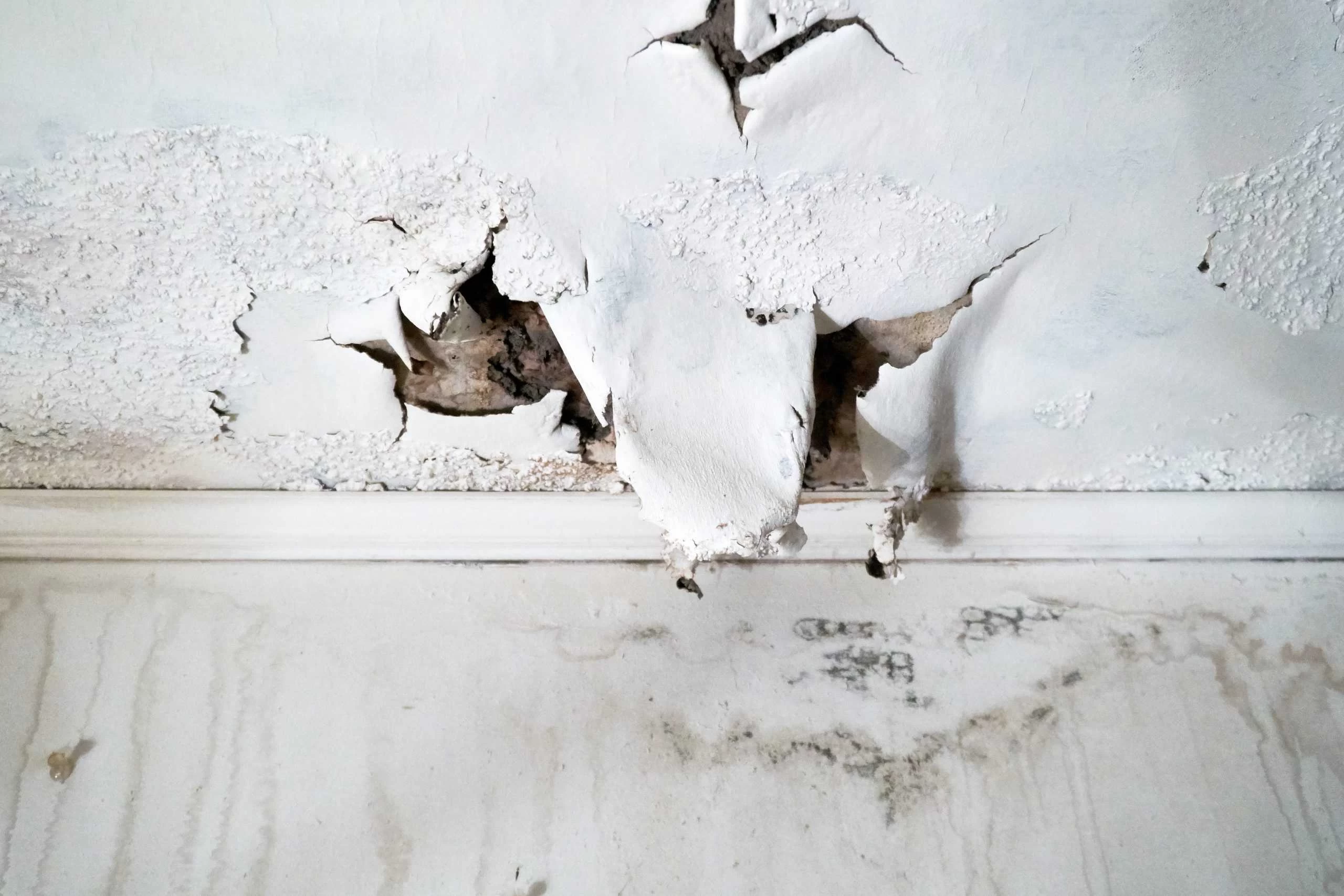
You found mold. Maybe it’s a dark patch behind the bathroom vanity, or that musty smell in the basement that’s been there since last winter. Your first instinct is probably to handle it yourself — grab some bleach, scrub it down, and move on. That’s a reasonable instinct, and for certain situations, it’s the right one. But for most Nassau County homeowners, DIY mold removal either doesn’t finish the job or quietly turns a manageable problem into a much larger one. Here’s an honest breakdown of what actually works, what doesn’t, and how to know which situation you’re in.
Professional Mold Removal vs. DIY: What the Comparison Actually Looks Like
The EPA draws a clear line: DIY mold removal is appropriate for surface mold covering less than 10 square feet — roughly a 3-by-3-foot patch — on non-porous materials like tile or sealed concrete. Within that window, a $50–$300 investment in supplies and proper safety gear can genuinely get the job done. Outside that window, the math and the risk profile shift fast.
Professional mold remediation in Nassau County typically runs between $1,200 and $6,000, depending on the scope. That sounds like a lot compared to a bottle of spray cleaner. But when DIY fails — and it often does — you’re not avoiding that professional cost. You’re paying it later, on top of what you already spent, and often on a problem that’s now bigger than when you started.
When to Call a Mold Professional in Nassau County
There are situations where calling a professional isn’t just a good idea — it’s the only realistic path to actually solving the problem. If the mold covers more than 10 square feet, if it keeps coming back after you’ve cleaned it, if you can smell it but can’t find it, or if anyone in your home has respiratory issues, asthma, or a compromised immune system, those are all signs that what you’re dealing with goes beyond a surface stain.
Black mold — Stachybotrys chartarum — is a specific case where professional involvement is non-negotiable. It releases mycotoxins that can cause serious respiratory and neurological symptoms, and it almost always grows in areas with chronic moisture, meaning it’s rooted deeper than what a spray bottle can reach. The same applies to mold in HVAC systems, where a single contaminated duct can distribute spores throughout the entire house every time the system runs.
Here’s something Nassau County homeowners deal with that doesn’t come up in generic mold guides: the housing stock here is old. The median home in Nassau County was built around 1955, and a large portion of those homes — especially in communities like Levittown, Freeport, and Baldwin — were constructed during an era when asbestos was standard in insulation, floor tiles, and pipe wrap. If you start pulling out drywall or disturbing building materials in a pre-1980 home without knowing what’s behind the walls, you may be releasing asbestos fibers alongside mold spores. That’s a separate and serious hazard, and it’s one reason why a mold problem in an older Nassau County home isn’t always as straightforward as it looks.
One more scenario worth naming: mold discovered during a real estate transaction. Nassau County’s housing market moves fast, and when a home inspector flags mold, buyers and sellers both need documented professional remediation — not a DIY cleaning job — to satisfy lenders, insurers, and the other party’s attorney. A scrub-down with vinegar doesn’t produce the clearance documentation that a real estate transaction requires.
Why Bleach Doesn't Actually Fix the Problem
This is probably the most common misconception in DIY mold removal, and it’s worth addressing directly. Bleach works on non-porous surfaces — ceramic tile, glass, sealed concrete. It kills what’s on the surface and removes the discoloration. On those surfaces, for small areas, it’s a legitimate tool.
The problem is that most mold in homes doesn’t grow on non-porous surfaces. It grows on drywall, wood framing, insulation, grout, and ceiling tiles — all porous materials that bleach cannot penetrate. When you apply bleach to a porous surface, the water component soaks in and the chlorine evaporates. You’re left with a surface that looks cleaner, and a material that’s now slightly more moist than before. The mold roots — the actual biological structure causing the problem — are still there, still growing.
Vinegar is a better option for non-porous surfaces (it kills approximately 82% of mold species on contact), but it has the same penetration limitation. Neither product addresses the moisture source that caused the mold in the first place, which is ultimately why mold comes back after DIY treatment. Mold is always a symptom of a water problem. Fix the water problem and you fix the mold. Ignore it and the mold returns, often within weeks.
We address this differently. Our remediation process starts with identifying the moisture source — using thermal imaging cameras and moisture meters to find water intrusion that isn’t visible to the naked eye. Then we physically remove contaminated porous materials, treat remaining surfaces with professional-grade antimicrobials, and verify through post-remediation clearance testing that spore counts have returned to normal background levels. That’s a fundamentally different process than surface cleaning, and it’s why the results hold.
Mold Removal Safety: The Risks DIY Guides Tend to Understate
Most DIY mold guides mention safety gear — N-95 respirator, gloves, goggles — and they’re right to. Disturbing mold without respiratory protection is a genuine health risk. But the safety issue that gets less attention is containment. When you scrub a moldy surface without sealing off the work area, you release spores into the air. Those spores travel through your HVAC system, settle on other damp surfaces, and start new colonies in rooms that weren’t affected before. A contained problem becomes a whole-house problem.
Our remediation process uses negative air pressure machines, sealed plastic sheeting, and zipper-door containment barriers to create a controlled environment during removal. The goal is to prevent cross-contamination — keeping spores from spreading while the work is being done. Without that infrastructure, even a well-intentioned DIY cleanup can make the situation measurably worse.
What Nassau County's Mold Licensing Law Actually Means for You
New York State passed Article 32 of the Labor Law in 2015, and it took effect January 1, 2016. The law requires any contractor performing paid mold assessment or remediation to hold an active license issued by the NYS Department of Labor. This isn’t a certification you can get from a weekend course — it’s a state-issued credential with real legal weight behind it.
What this means practically: if you hire a general contractor, a handyman, or anyone other than a licensed mold remediation contractor to handle mold removal in your Nassau County home, that person is operating illegally. The fine for unlicensed mold work is $10,000, and the homeowner can be left without recourse if the work is ineffective or causes additional damage. You can verify any contractor’s license through the NYSDOL’s online search tool before anyone sets foot in your home.
Owner-occupants are exempt from the licensing requirement for work on their own property — so technically, you can do your own mold removal without a license. But that exemption only protects you if you’re doing the work yourself. The moment you pay someone else to do it, licensing applies. And regardless of who does the work, New York State requires that remediation be followed by independent clearance testing from a licensed mold assessor — a separate credential from the remediation contractor. That clearance documentation is what proves the job was done correctly, and it’s what insurance companies, lenders, and future buyers will ask for.
We hold an active NYS Licensed Mold Remediation Contractor credential, which you can verify directly through the state. That’s not a marketing claim — it’s a legal requirement that we meet and that not every company operating in Nassau County does.
How DIY Mold Removal Can Affect Your Insurance Coverage
This is the angle most Nassau County homeowners don’t think about until it’s too late. Homeowner’s insurance policies generally cover mold remediation when the mold results from a covered event — a burst pipe, storm damage, appliance failure. But insurers require documentation. They want a professional assessment, a remediation report, and post-clearance verification. A DIY cleanup, however thorough, doesn’t produce any of that.
If you attempt DIY mold removal and then file a claim — or if the mold returns and you file a claim later — your insurer may determine that your attempt at remediation constitutes prior knowledge of the problem. Depending on your policy language, that can reduce or eliminate your coverage. It’s a situation that plays out more often than most people expect, particularly on the South Shore, where storm-related water intrusion is common and insurance claims are a routine part of homeownership.
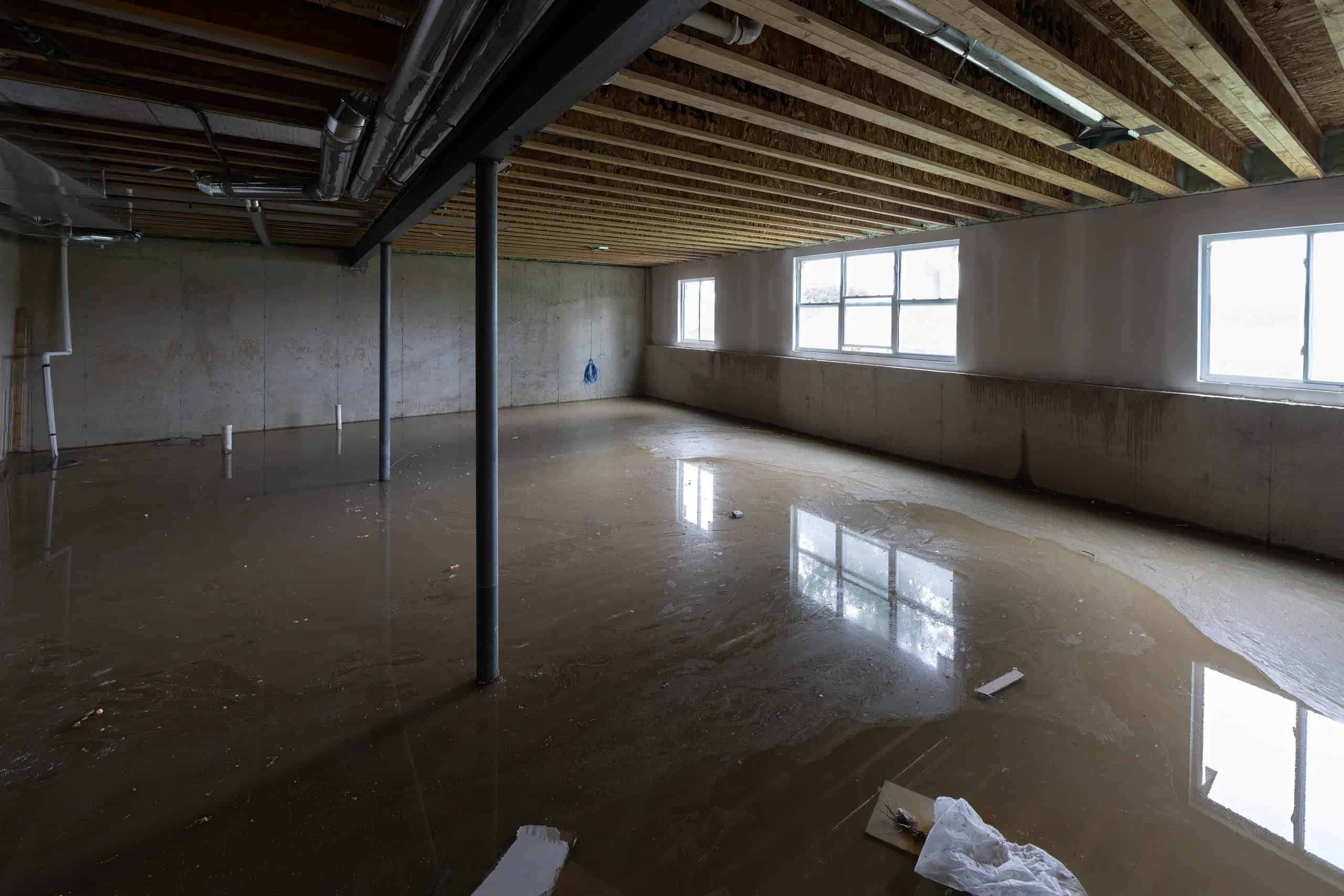
Nassau County’s flood exposure is significant and growing. About 31% of properties in the county face severe flooding risk over the next 30 years, and communities along the South Shore — Long Beach, Oceanside, Merrick, Wantagh, Seaford, Massapequa — have been dealing with repetitive flood events since Hurricane Sandy in 2012. Many of those homeowners have navigated multiple insurance claims over the years and know firsthand how quickly a documentation gap can become a financial problem.
Professional remediation with proper clearance documentation protects your claim. It gives you a paper trail that demonstrates the problem was identified, addressed by licensed professionals, and verified as resolved. That documentation has real value — not just for your current claim, but for your home’s resale history and your ability to obtain coverage in the future. When we work with Nassau County homeowners, we coordinate directly with insurance carriers and help navigate the claims process from start to finish. That’s one of the things our customers consistently mention in their reviews, and it’s a meaningful part of what we do.
So When Does DIY Mold Removal Actually Make Sense?
For a small patch of surface mold — under 10 square feet, on a non-porous surface, in a well-ventilated space, with proper safety gear and a confirmed moisture source that’s already been fixed — DIY is a reasonable and cost-effective approach. That situation exists, and there’s no reason to call a professional for it.
The problem is that most mold situations in Nassau County homes don’t fit that description. Older housing stock, high water tables, coastal humidity, and post-storm water intrusion create conditions where mold grows in wall cavities, under flooring, and in places that a flashlight and a spray bottle simply can’t reach. When that’s the case, the cost of getting it wrong — in health risk, in property damage, in insurance complications, in failed real estate transactions — consistently outweighs the cost of doing it right the first time.
If you’re not sure which situation you’re in, that uncertainty itself is a reason to get a professional assessment. We’ve been working with Nassau County homeowners since 2012, and we offer financing up to $200,000 at 0% APR, so cost doesn’t have to be the deciding factor. If you want to know what you’re actually dealing with before you make any decisions, reach out — we’re available around the clock.