Summary:
Finding mold in your home is stressful enough. Then you start looking up prices and get numbers ranging from a few hundred dollars to tens of thousands — with no clear explanation of why. The truth is, black mold removal cost isn’t one number. It depends on where the mold is, how far it’s spread, what caused it, and whether the contractor you hire is actually equipped to handle it properly. This page walks you through the real cost factors, what to expect for common problem areas like attics and basements, and what separates a thorough remediation from a surface fix that won’t hold.
Black Mold Removal Cost: What's Actually Driving the Price
In Nassau County, professional mold remediation typically runs between $14 and $28 per square foot — already higher than the national average, which reflects the cost of labor here and the regulatory requirements that come with working in New York State. For most residential projects, total costs land somewhere between $1,500 and $9,000, though larger infestations or homes with structural damage can push that number significantly higher.
The size of the affected area is the most obvious cost driver, but it’s not the only one. Mold in a hard-to-reach space costs more to remediate than mold on an open wall. Black mold — specifically Stachybotrys chartarum — typically adds 15 to 25 percent to the total cost because of the additional containment and safety protocols required. And if the moisture source that caused the mold in the first place hasn’t been addressed, you’re looking at additional work on top of the remediation itself.
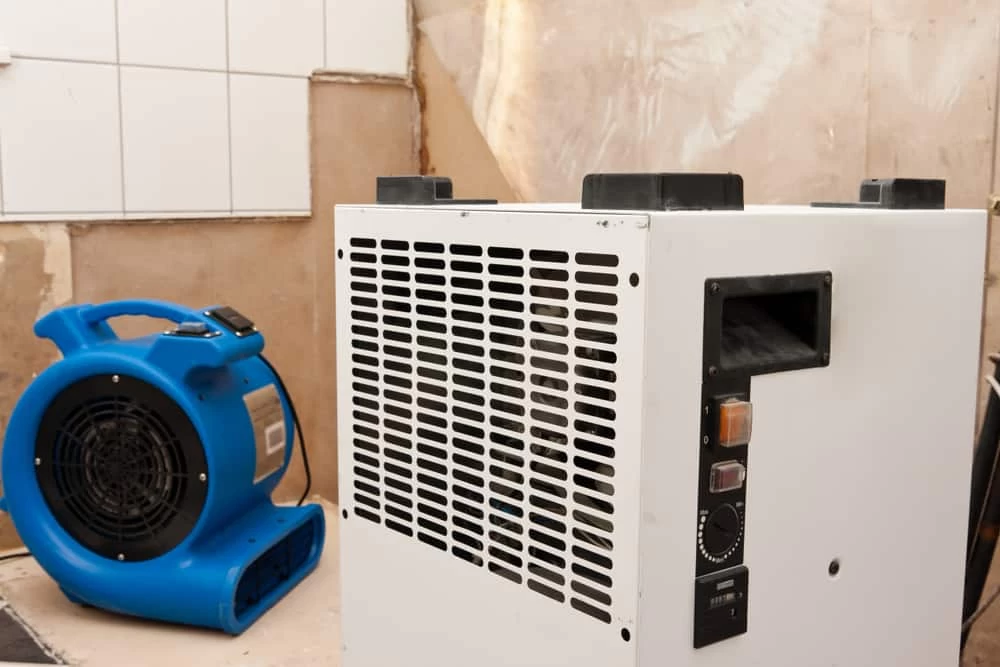
What you’re really paying for with a legitimate contractor isn’t just the mold removal. It’s the containment barriers, the HEPA filtration equipment, the antimicrobial treatment, the proper disposal of affected materials, and the post-remediation clearance testing that confirms the job is actually done.
Why New York's Mold Law Changes What You Should Expect to Pay
New York State enacted Article 32 of the NYS Labor Law in 2016, and it has a direct impact on what professional mold remediation costs — and what it should include. The law came out of the mold crisis that followed Hurricane Sandy, when improper remediation left thousands of Long Island homes with recurring mold problems. Nassau County’s South Shore communities like Long Beach, Oceanside, and Freeport were hit especially hard.
Under Article 32, any mold project covering 10 square feet or more requires a licensed NYS Mold Remediation Contractor. That’s not optional — it’s the law. The contractor performing the work also cannot be the same company that assesses and tests for mold, which is a consumer protection built into the statute. Before work begins, a licensed mold assessor must produce a written remediation plan. When the work is done, a post-remediation assessment is required to verify clearance.
This matters to you as a homeowner because it means a legitimate job has more steps — and more cost — than a contractor who shows up, sprays something on the surface, and leaves. If you get a quote that seems unusually low, it’s worth asking whether clearance testing is included and whether the contractor holds a valid NYS mold remediation license. Skipping those steps isn’t just cutting corners. In New York, it’s illegal.
We follow Article 32 on every project. That means a licensed assessor, a written plan, proper containment, and clearance testing before we close out the job. It adds structure to the process, and it protects you from the kind of remediation that leads to a second call six months later.
One more thing worth knowing: under Article 32, the contractor must carry liability insurance of at least $50,000 and display their license at the work site. If a contractor can’t show you those things, that’s a reason to walk away.
How Mold Location and Accessibility Affect Your Total Cost
Where the mold is located inside your home can shift the cost as much as the size of the affected area. Mold on an open basement wall is far easier to access and remediate than mold inside a wall cavity, behind insulation, or tucked into the peak of a tight attic. Hard-to-reach areas typically add 20 to 50 percent to remediation costs because of the additional time, equipment, and labor involved.
HVAC systems are one of the more expensive scenarios. If mold has colonized your ductwork, the remediation has to account for every part of the system the spores may have traveled through. That’s a different scope of work than a contained patch on a basement wall, and the pricing reflects it.
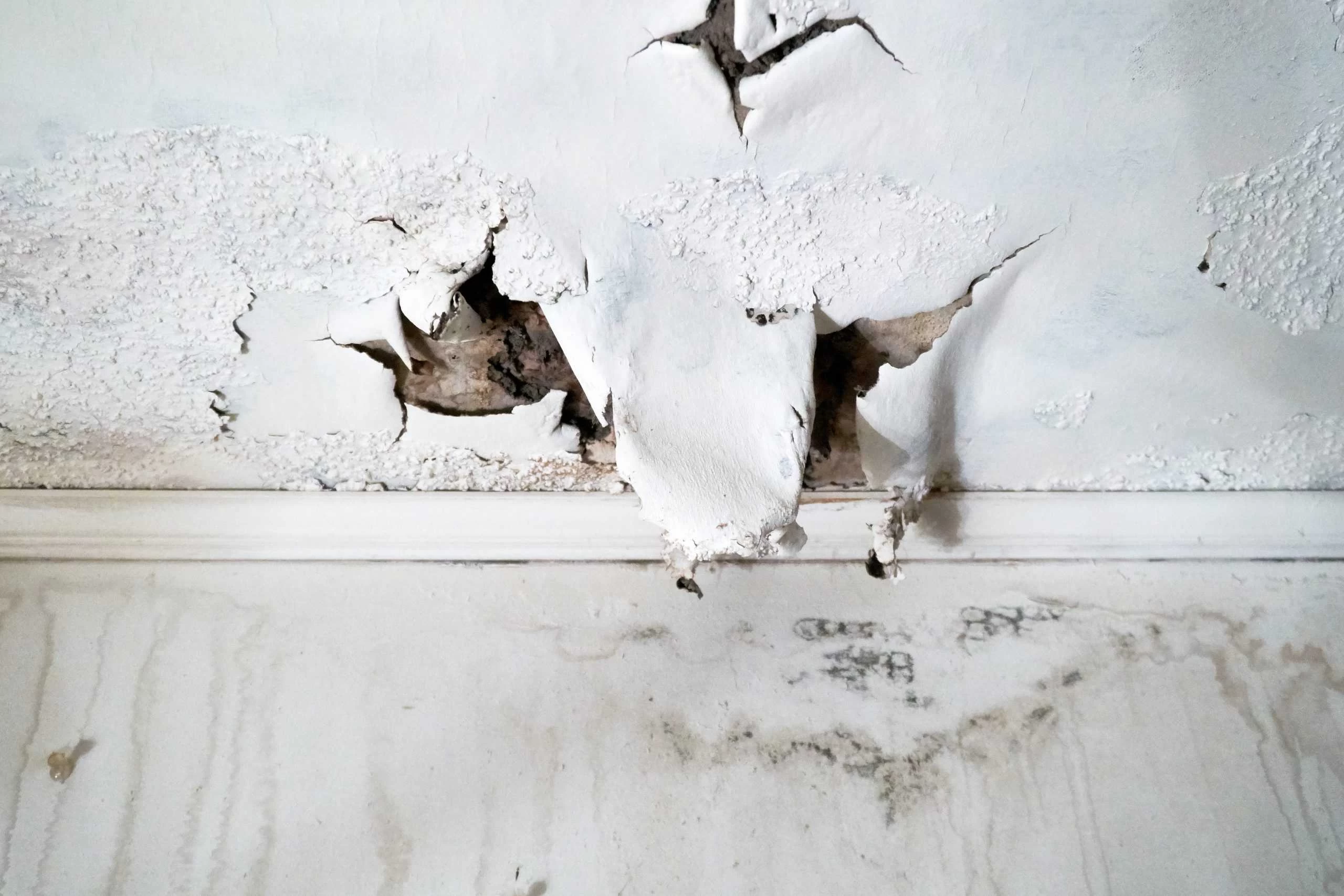
Hidden mold is also a real concern. Mold often grows inside walls, under flooring, and behind insulation long before it’s visible. A musty smell or unexplained allergy symptoms can be the first sign. This is why a thorough inspection — one that uses moisture meters and thermal imaging cameras rather than just a visual walkthrough — matters. We use both on every inspection because the mold you can’t see is often the mold that’s been growing the longest.
In Nassau County’s older housing stock, this comes up often. Many of the Cape Cods and ranches built during the Levittown-era construction boom have bathroom exhaust vents that discharge into the attic rather than outdoors — a code violation by modern standards and a direct cause of attic mold. Those homes also tend to have original insulation that retains moisture and aging plumbing prone to slow, undetected leaks. If your home was built before 1980, there’s a reasonable chance that any mold remediation project will involve areas that aren’t immediately visible, and potentially materials — like certain insulation or floor tiles — that require additional handling.
Attic Mold Removal Cost in Nassau County Homes
Attic mold is one of the most common calls we get from Nassau County homeowners, and it’s also one of the most misunderstood. Most people assume attic mold comes from a roof leak — and sometimes it does — but the more frequent cause is poor ventilation. Warm, humid air from the living space rises into the attic, meets the cold roof deck in winter, and condenses. That moisture, over time, creates ideal conditions for mold growth.
Ice dams make this worse. When heat escapes through an inadequately insulated attic, it melts snow on the roof. That water refreezes at the cold eave, backs up under the shingles, and seeps into the attic structure. It’s a cycle that plays out in Nassau County homes every winter, and the mold that results often isn’t discovered until spring — by which point it’s had months to spread.
What Does Attic Mold Removal Actually Cost?
For most Nassau County homes, attic mold removal runs between $1,000 and $7,000, depending on how much of the attic is affected and whether any structural components need to be replaced. If the roof decking or rafters have sustained damage from prolonged moisture exposure, costs can climb toward $15,000 for a full remediation and rebuild.
The Northeast consistently has the highest regional rates for attic mold remediation — roughly $4.25 to $8.50 per square foot — and Nassau County sits at the upper end of that range given local labor costs and regulatory requirements.
Access is a significant cost factor in attic work. A full-height attic with a proper staircase is a different job than a low-pitch attic accessible only through a small hatch. Tight spaces require more time, limit equipment placement, and increase the physical difficulty of the work. That’s reflected in the quote.
Beyond the mold removal itself, addressing the underlying cause is essential. If the ventilation isn’t corrected, the mold will return. That might mean installing proper ridge and soffit vents, adding attic insulation to prevent heat loss, or rerouting bathroom exhaust fans to discharge outside. We treat those as part of the project, not an afterthought, because a remediation that doesn’t fix the source isn’t really a remediation.
One thing worth noting for Nassau County homeowners specifically: if your home was built before 1980 and has never had the attic insulation updated, there’s a reasonable chance the existing insulation contains materials that require special handling. We’re equipped to manage that in-house, which means you don’t have to coordinate a separate contractor or pause the project mid-stream.
Mold Treatment Cost vs. Full Basement Remediation: Understanding the Difference
There’s an important distinction between treating visible mold and remediating it properly, and it’s one that directly affects what you’ll pay — and whether the problem stays solved.
Mold treatment in the basic sense means applying an antimicrobial solution to affected surfaces. That has a role in the remediation process, but it’s not a standalone fix. On porous materials like drywall, wood framing, and insulation, surface treatment doesn’t reach the mold’s root structure. The mold appears gone. Then it comes back. This is what happens when homeowners try bleach on basement walls and find themselves dealing with the same problem three months later — bleach can’t penetrate porous materials the way mold can.
Full basement remediation means identifying the moisture source, containing the work area to prevent spore spread to the rest of the house, removing all affected porous materials (drywall, insulation, flooring), treating structural surfaces, and verifying clearance through post-remediation testing. It costs more upfront. It doesn’t come back.
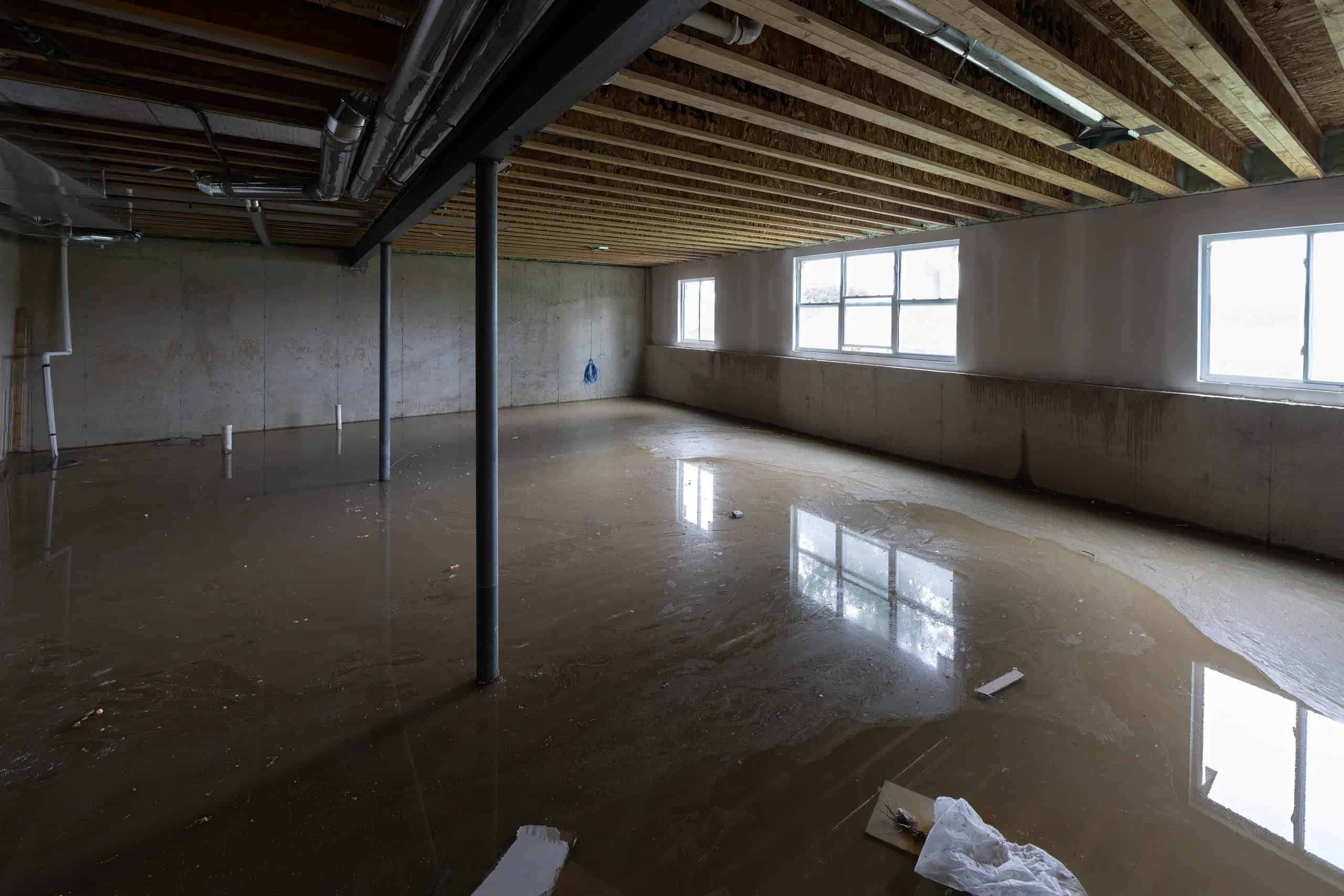
In Nassau County, basement remediation often involves additional work beyond the mold removal itself. If the moisture source is foundation seepage or a failing sump pump, those issues need to be addressed before the remediation is complete. Basement waterproofing runs $6,000 to $18,000 depending on the approach. A sump pump installation adds $600 to $2,500. A dehumidifier with proper installation runs $1,100 to $2,800. These aren’t optional extras — they’re what keeps the remediation from becoming a recurring expense.
We also work directly with homeowners on insurance questions. Mold caused by a sudden, covered event — a burst pipe, storm damage — is often covered under homeowner’s insurance. Mold from long-term moisture issues or deferred maintenance typically isn’t. Knowing that distinction before you file a claim saves time and frustration, and we help our clients navigate that process rather than leaving them to figure it out alone.
How to Choose a Mold Remediation Contractor in Nassau County, NY
The price you pay for mold remediation matters far less than what you get for it. A low quote that skips containment, clearance testing, or moisture source repair is a quote for a temporary fix — and the second remediation always costs more than doing it right the first time.
What you’re looking for is a licensed NYS mold remediation contractor who gives you a written scope of work, explains what’s included and what might add cost, addresses the moisture source, and confirms the job is done through clearance testing. Those aren’t extras. In New York, they’re the baseline.
We’ve been doing this work in Nassau County for over 12 years, across more than 5,000 completed projects. If you’re trying to understand what you’re dealing with and what it’s going to take to fix it properly, reach out. We’ll give you a straight answer.