Summary:
If you’ve lived in Nassau County through a nor’easter or remember what October 2012 looked like on the South Shore, you already know the stakes. Most households intend to get prepared. Few actually are. FEMA’s own data shows that less than half of Americans have updated their emergency supplies in the past year — and only about one in eight has enough to last more than a month.
This page is for Nassau County residents who want a straight answer: where do you actually buy this stuff locally, what do you really need, and how do you keep it from going bad in a basement that’s two feet above the water table. Let’s get into it.
Emergency Supplies Near Me: Where Nassau County Residents Actually Shop
There’s no dedicated emergency supply store in Nassau County — that’s just the reality. What exists is a mix of big-box retailers, wholesale clubs, and specialty hardware stores, each covering different parts of the list. Knowing which store is strong in which category saves you time, especially when you’re not shopping with a storm already in the forecast.
Home Depot locations in Westbury, Carle Place, and Hicksville are the go-to for generators, sump pumps, water storage containers, tarps, and heavy-duty hardware. Their stock gets picked clean within hours of a storm watch, so this is a before-season stop, not a day-before stop. Costco in Westbury and East Meadow is where most families handle bulk water, batteries, and non-perishable food efficiently and affordably. BJ’s Wholesale Club covers similar ground and is worth knowing as a backup. For more specialized gear — water filtration systems, hand-crank radios, quality first aid kits — REI near Garden City carries items that most big-box stores don’t stock. ACE Hardware locations scattered across Nassau County are underrated for specific hardware needs and tend to have staff who actually know what they’re talking about.
Storm Preparation Supplies: What Nassau County's Hazard Profile Actually Demands
National preparedness checklists are written for everywhere, which means they’re optimized for nowhere in particular. Nassau County has a specific risk profile that generic advice doesn’t fully address, and it’s worth understanding before you start buying.
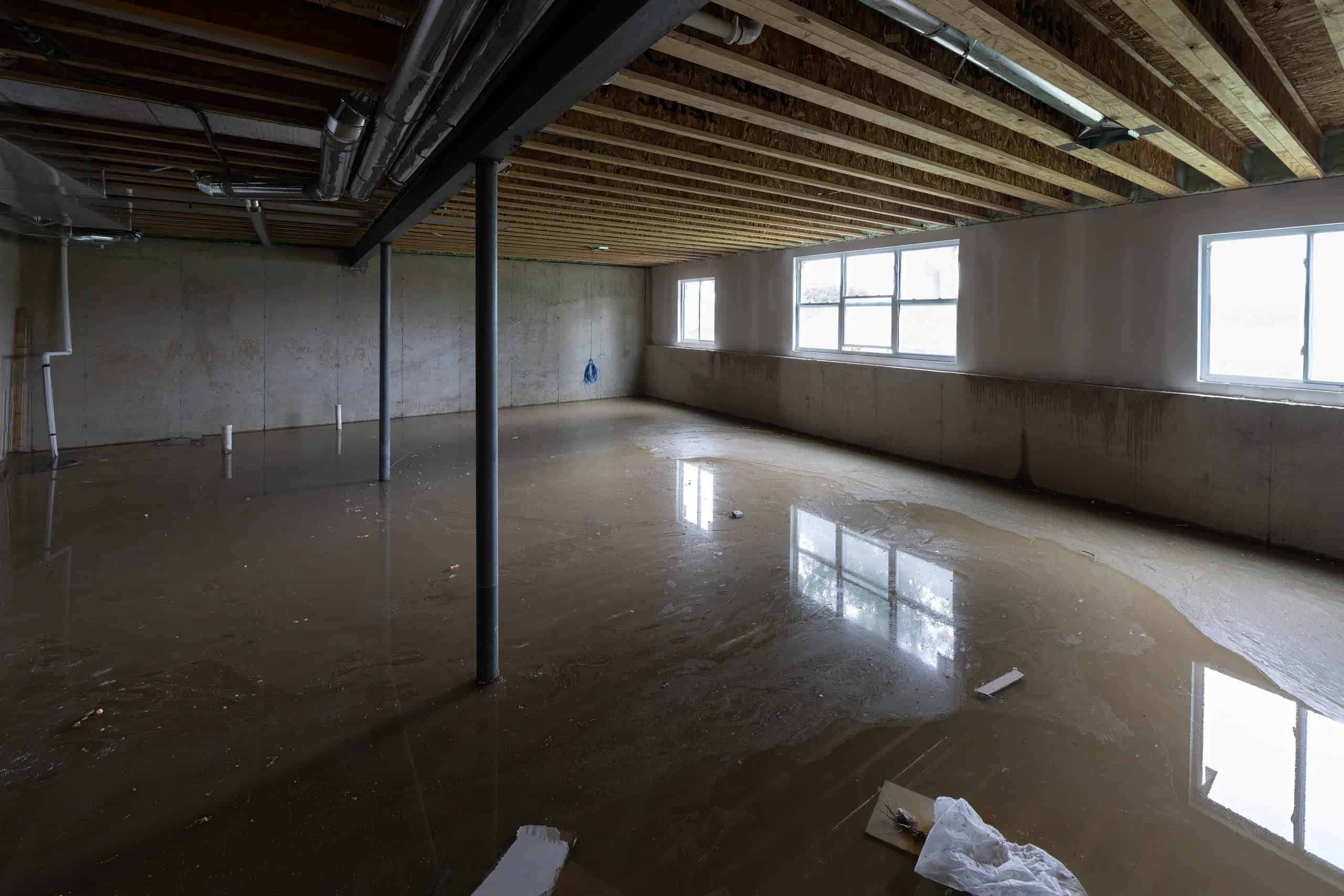
The South Shore — Freeport, Long Beach, Oceanside, Massapequa, Merrick, Baldwin — faces the most direct exposure to Atlantic storm surge. Sandy’s surge reached over 12 feet in some areas, and nearly 4,000 homes in Freeport alone flooded with up to four feet of water. The North Shore communities like Oyster Bay, Glen Cove, and Port Washington face a different threat — more nor’easter wind damage and Sound-side flooding than surge from the Atlantic, but still significant. And across the entire county, a high water table means basement flooding can happen during a heavy rain event with no storm name attached to it at all.
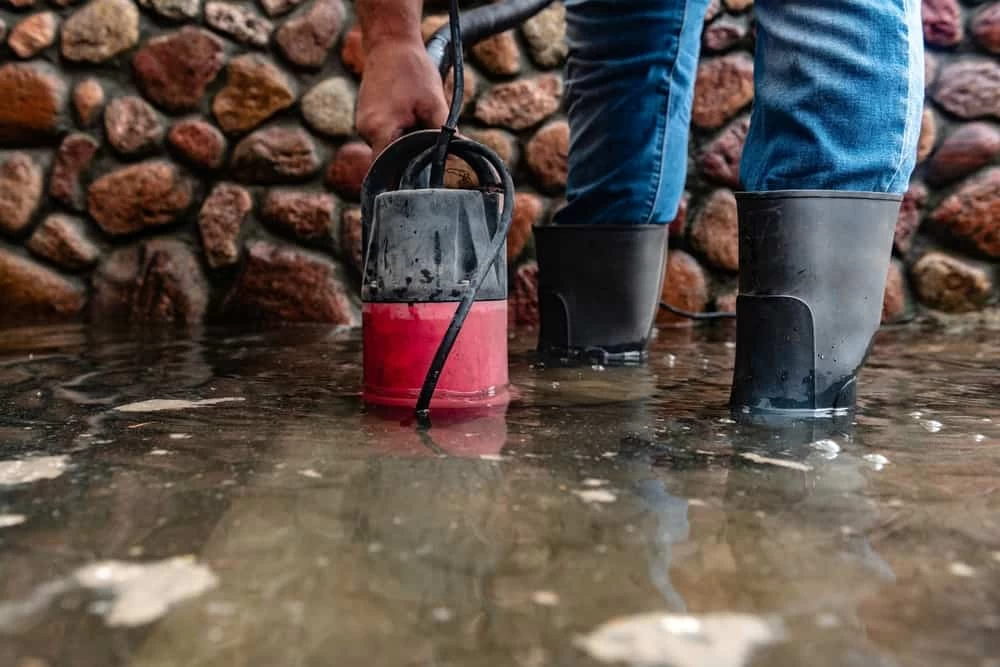
What that means practically: your supply priorities here are different from someone in central Connecticut or upstate. Backup power for a sump pump is not optional in Nassau County — it’s arguably the most important single purchase a homeowner can make. Standard sump pumps run on household electricity, which is exactly what fails when a storm hits. A battery backup sump pump keeps running during an outage, protecting your basement during the hours when surge and rainfall are at their worst. This is the lesson thousands of Nassau County homeowners absorbed the hard way after Sandy, and it’s still underutilized more than a decade later.
Beyond that, water storage needs to account for the real duration of outages here. FEMA’s 72-hour minimum is a floor, not a target. After Sandy, power outages in parts of Nassau County lasted close to two weeks. The Red Cross and CDC both recommend a 14-day supply — one gallon per person per day as a baseline, more in summer heat. For a family of four, that’s 56 gallons. It sounds like a lot until you’re on day five without running water.
Communication equipment is the category most people skip until they regret it. Cell towers lost power during Sandy and stayed down for days in some areas. A battery-powered or hand-crank NOAA Weather Radio receives emergency broadcasts when your phone is useless. Hand-crank models don’t need batteries at all. This is a $30–$50 purchase that most preparedness guides mention and most households still don’t own.
Emergency Supply Storage in Nassau County's Humid Coastal Climate
Where and how you store your supplies matters almost as much as what you buy. Nassau County’s proximity to the Atlantic and Long Island Sound creates storage conditions that most national preparedness guides don’t account for — and it can quietly degrade a kit you spent real money assembling.
Humidity is the primary issue. Coastal air accelerates battery corrosion, causes cardboard and paper packaging to absorb moisture, and can compromise food seals faster than in drier climates. Salt air adds another layer of damage for anything stored in a garage or shed — metal components in generators, tools, and kit hardware corrode measurably faster here than they would inland. Temperature swings between Nassau County’s summers (regularly above 90°F) and winters (well below freezing) affect water container integrity, battery performance, and medication shelf life. FEMA recommends storing water at 50°F–70°F and replacing it every six months. In a Nassau County garage, that rotation schedule is not optional.
The bigger issue is where most people store their supplies: the basement. That’s also the most flood-vulnerable space in the home. Supplies stored at floor level in a Nassau County basement can be destroyed in the same event they were meant to address. Shelving that keeps everything at least 12 inches off the floor is a minimum. Better yet, keep critical items — documents, medications, communication devices, and a 72-hour grab bag — on an upper floor where they’re accessible and protected regardless of what happens below.
Airtight, food-grade containers marked with the #2 HDPE recycling symbol are the standard recommendation for water storage. For food, sealed Mylar bags inside rigid plastic bins outperform cardboard boxes in humid conditions. A simple rotation calendar — noting what expires when and scheduling replacements — is the difference between a functional kit and a false sense of security. The goal isn’t just to buy supplies once. It’s to maintain them so they’re actually usable when you need them.
What Goes Into a Complete Emergency Preparedness Supplies Kit for Long Island
The core categories of a solid emergency kit don’t change much — water, food, power, communication, first aid, and documents. What changes is the depth and specificity within each category when you’re building for Nassau County’s actual conditions rather than a generic scenario.
Start with water and power because those are the two systems most likely to fail here. Everything else builds from there. A 14-day water supply, a generator sized correctly for your home’s actual load, and a battery backup sump pump cover the three failure points that did the most damage to Nassau County households during Sandy and the storms that followed.
How to Size a Generator for a Nassau County Home
Generator sizing is where a lot of Long Island homeowners make an expensive mistake. The right generator for your home depends on what you actually need to run — and the answer is different here than it is in most other suburban markets because of one specific factor: sump pumps.
A typical residential sump pump draws 800 to 1,500 watts at startup. If your home has a sump pump — and in Nassau County, most do — that load needs to be in your wattage calculation before you add anything else. A refrigerator draws another 600 to 800 watts. Basic lighting adds a few hundred more. If you have a well pump, add 1,000 to 2,000 watts. When you add it up, a Nassau County home with a sump pump, refrigerator, and basic lighting needs at least a 5,000-watt generator to run comfortably, and more if you’re trying to power anything beyond the essentials.
Dual-fuel generators — models that run on both gasoline and propane — are specifically worth considering here. Gasoline degrades within 30 days without a stabilizer additive, which means a generator fueled up before last season may not start when you need it this one. Propane stores indefinitely and is less likely to be in short supply after a storm because it’s not as universally purchased as gasoline. The tradeoff is that propane provides slightly less power output per unit of fuel, but for most residential applications, the difference is negligible. The peace of mind from having a fuel source that doesn’t expire is worth it.
Whatever size generator you choose, test it before storm season — not the day a watch is issued. Run it under load for at least 30 minutes to confirm it performs as expected. Keep the exhaust pointed away from any windows or doors; carbon monoxide poisoning is one of the most preventable post-storm fatalities, and it happens every single year.
Budget-Friendly Emergency Preparedness Options for Nassau County Families
Full preparedness doesn’t have to happen all at once, and it doesn’t have to cost a fortune. The framing that stops a lot of households from starting is the idea that it’s all or nothing — that if you can’t buy a $300 pre-made kit and a $1,500 generator in the same week, there’s no point. That’s not how this works.
Start with the highest-impact, lowest-cost items. A hand-crank NOAA Weather Radio runs $30–$50 and works when nothing else does. A quality flashlight and a set of backup batteries costs under $20. A basic first aid kit — the kind that covers cuts, burns, sprains, and fever — runs $25–$40 at any Target or Walmart in the county. These three things together cost less than a single tank of gas and cover real gaps in most households’ current preparedness.
From there, build water storage incrementally. Commercial water jugs at Costco or BJ’s run roughly $1–$2 per gallon. A two-week supply for a family of four (56 gallons) costs $60–$80 and can be assembled over a few shopping trips. That’s not a budget-breaking purchase — it’s a decision about priority.
Pre-made emergency kits are convenient but often incomplete. Disaster preparedness experts consistently note that many commercial kits lack adequate water storage capacity, tools for shutting off utilities, and supplies tailored to specific regional hazards. If you buy one, treat it as a starting point and supplement it based on your household’s actual needs — medical equipment, infant supplies, pet food, medications. The Nassau County Office of Emergency Management, located in Bethpage at 510 Grumman Road W., publishes a free All-Hazards Preparedness Brochure that’s specific to local risks and worth keeping on hand. You can also sign up for Nassau County’s emergency alert system at nassaucountyny.gov/oem, which is free and takes about two minutes.
One more note on timing: Nassau County OEM explicitly warns against waiting until a storm is forecast to buy supplies. Generators, bottled water, and batteries disappear from store shelves within hours of a storm watch announcement. The window to shop calmly and make good decisions is April and May, before hurricane season opens on June 1. That’s when the shelves are full, the prices are normal, and you’re not competing with half the county for the last flashlight at Home Depot.
When Your Emergency Supplies Aren't Enough: What Nassau County Homeowners Should Know
Even a well-prepared household can face damage that goes beyond what any kit can handle. A storm surge that overwhelms a sump pump, water that gets into walls before you can respond, mold that establishes itself within 48 hours in Nassau County’s humid conditions — these are the scenarios where supplies run out and professional help becomes the only real option.
That’s where we come in. We’ve been responding to water damage, flooding, and storm emergencies across Nassau and Suffolk County for over 12 years. We’re available 24 hours a day, every day of the year, and we arrive with industrial-grade equipment — not a van and a shop vac. We handle the insurance billing directly, so you’re not managing paperwork while your house is still wet.
Prepare as well as you can. Know where your supplies are, test your generator before season, and keep your kit current. And if a storm hits and the damage goes further than your supplies can reach, we’re one call away.