Summary:
You found mold. Maybe it’s a dark patch behind the bathroom vanity, a musty smell coming from the basement after last week’s rain, or something your home inspector flagged before closing. Whatever brought you here, you’re probably asking the same question most Nassau County homeowners ask: do I really need to call someone, or can I just handle this myself?
It’s a fair question. And the honest answer depends on a few things — how much mold you’re actually dealing with, where it’s hiding, and what the stakes are if the cleanup goes wrong. Let’s walk through it.
What a Professional Mold Removal Specialist Actually Does Differently
A mold removal specialist isn’t just someone with better cleaning supplies. The difference is in what we find, how we contain it, and what we leave behind when the job is done.
When our trained technicians arrive, we’re not just looking at the patch you can see. We use moisture meters and infrared cameras to find where the water is actually coming from — behind drywall, under flooring, inside wall cavities. Visible mold is almost always the smallest part of the problem. The colony growing in the dark, in places you’d never think to check, is what causes the real damage.
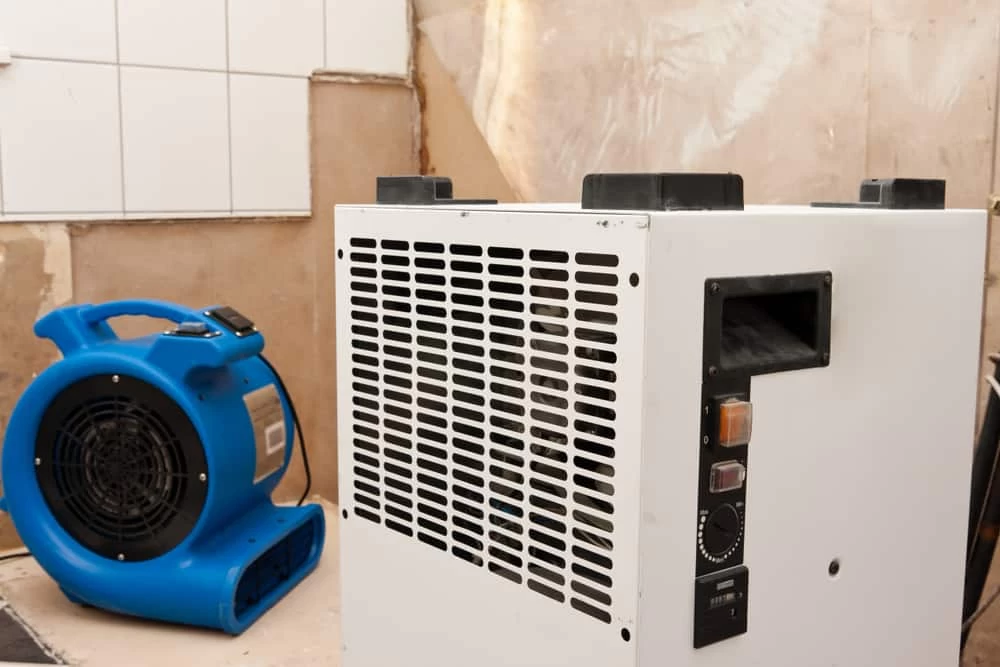
Our process also involves containment — negative air pressure barriers that prevent disturbed spores from drifting into other rooms — and HEPA air filtration running continuously throughout the job. Without those controls, cleaning mold in one room can spread it to three others.
Black Mold Removal: When the Stakes Are Higher
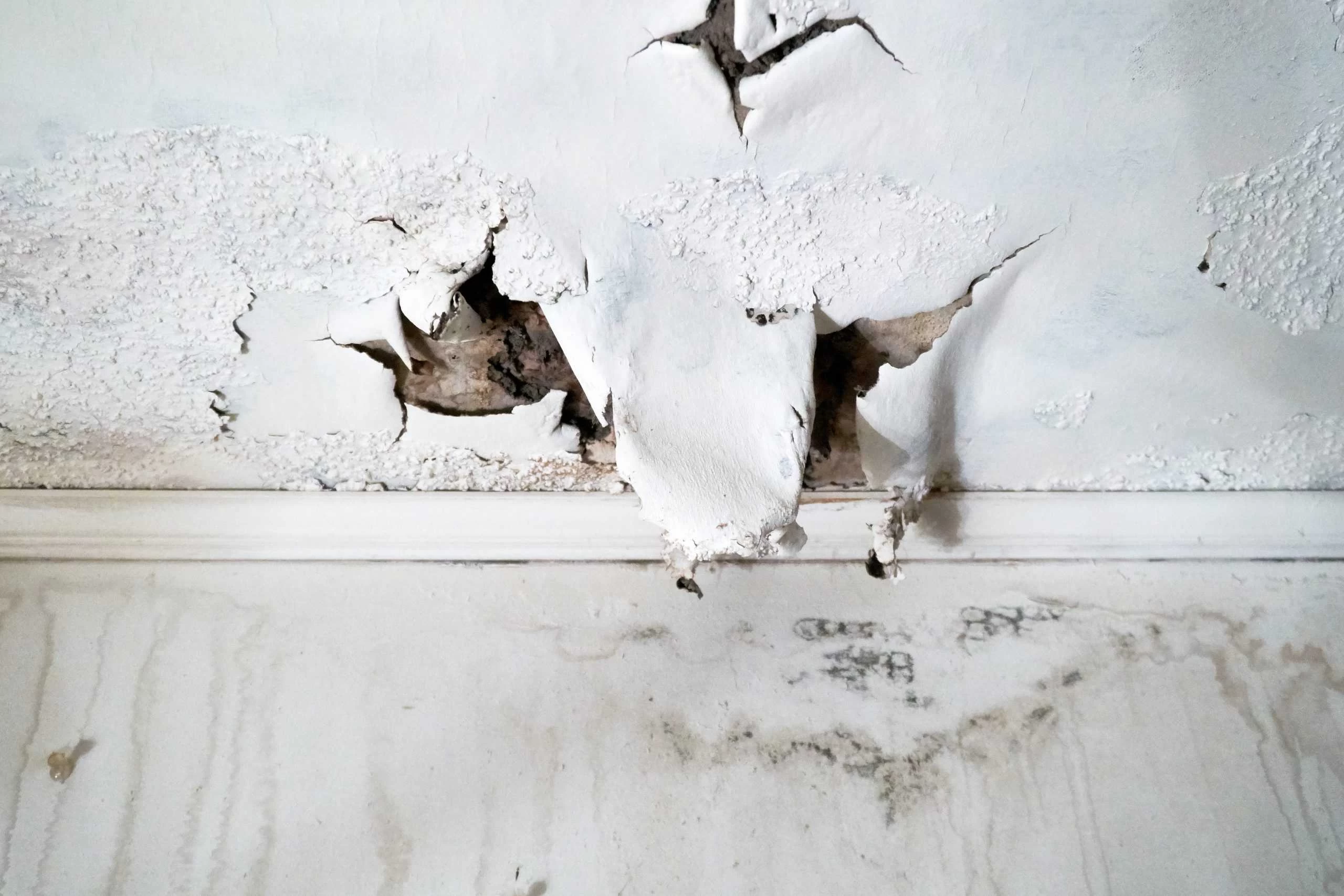
Black mold — Stachybotrys chartarum — gets a lot of attention, and for good reason. It tends to grow in areas with chronic, sustained moisture: behind walls that had a slow leak for months, under flooring in a basement that’s flooded more than once, inside ceiling cavities where a roof has been letting in water. The conditions that produce black mold are usually the same conditions that mean the contamination has spread well beyond what’s visible.
This is where the DIY math starts to break down. The EPA’s guidance is clear: mold covering more than 10 square feet — roughly a 3-by-3-foot patch — requires a licensed professional. That’s not an arbitrary threshold. It reflects the point at which amateur cleanup without proper containment is more likely to spread contamination than eliminate it.
When a homeowner disturbs a larger mold colony without negative air pressure containment, spores become airborne. They travel through the home. They settle in the HVAC system and get distributed to every room every time the heat or air conditioning runs. What started as a $2,500 professional job can become a $15,000 whole-house remediation — not because the mold got worse on its own, but because the cleanup attempt made it worse.
We’re trained specifically to avoid this. We assess the full scope before touching anything, establish containment before disturbing any material, and remove contaminated porous materials — drywall, insulation, subfloor — that can’t be effectively cleaned, only replaced. We also apply EPA-approved antimicrobial treatments to surrounding surfaces after removal.
There’s also the bleach question. Bleach will remove the dark discoloration you see on a surface. It does not penetrate porous materials where mold roots live. And the moisture bleach introduces to a porous surface — drywall, wood framing, grout — can actually promote further growth once it evaporates. It’s one of the most persistent misconceptions in this category, and it’s one of the main reasons homeowners end up calling a professional after a DIY attempt that seemed to work for a few weeks.
Crawl Space Mold Removal: The Problem Nassau County Homes Hide Underneath
Crawl space mold is one of the most underestimated problems in Nassau County’s housing stock. It’s also one of the most common. The county sits on a glacial aquifer system with an extremely shallow water table — in many neighborhoods, basements and crawl spaces sit only a few feet above it. Add Long Island’s coastal humidity, where relative humidity regularly climbs past the 60% threshold that mold needs to grow, and you have conditions where crawl spaces are chronically at risk even in years without a major weather event.
We deal with a specific set of challenges in crawl space remediation that make this work fundamentally different from cleaning surface mold in a bathroom. Access is difficult. Moisture barriers and vapor barriers may be damaged, missing, or inadequate for the conditions. Structural elements — floor joists, sill plates, subfloor sheathing — may already be compromised. And because crawl spaces are typically connected to the living space above through gaps, cracks, and HVAC penetrations, mold growing underneath the house doesn’t stay underneath the house.
For Nassau County homes built in the post-war era — the Levittown-era Capes, the split-levels, the ranch homes on Hempstead’s flat terrain — crawl space conditions are often worse than the homeowner realizes, because no one looks down there until something forces them to. A musty smell in the first floor. A floor that feels soft in one spot. A home inspector’s report that flags elevated moisture readings. These are usually the first signs.
Proper crawl space remediation involves removing contaminated materials, treating the structural wood, installing or replacing vapor barriers to cut off the moisture source, and improving ventilation. Without addressing the moisture pathway, remediation alone won’t hold — the mold will return because the conditions that produced it haven’t changed. This is the part that separates a real fix from a temporary one, and it’s the part that requires both the right equipment and the right expertise.
What Makes a Mold Remediation Specialist Qualified in Nassau County
New York State has some of the strictest mold remediation licensing requirements in the country, and Nassau County adds another layer on top of that. Most homeowners don’t know this going in, and it matters — especially if you’re making an insurance claim or selling your home.
Since 2016, NYS Labor Law Article 32 has required all mold remediation contractors to hold a valid state license. Working without one is illegal. But in Nassau County specifically, contractors must also hold an Environmental Hazard Remediation Provider license — the EHRP — and every technician working on-site must carry an Environmental Hazard Remediation Technician license, the EHRT. These are county-level credentials that go beyond the state requirement, and most homeowners have never heard of them.
We hold the NYS Article 32 license, the Nassau County EHRP contractor license, and our technicians carry EHRT credentials. We’ve also contracted directly with Nassau County government and multiple NYS agencies — the kind of institutional clients who verify licensing, insurance, and compliance before any work begins.
Why Nassau County's Licensing Rules Affect Your Insurance Claim and Home Sale
Here’s where the licensing question stops being abstract and starts having real financial consequences. When mold remediation is complete in Nassau County, the contractor issues a mold remediation certificate of completion. This document is what your insurance company will ask for when processing a covered loss. It’s what a buyer’s attorney or home inspector will request when you go to sell. Without it — or with one issued by an unlicensed contractor — you may find yourself in a very difficult position at exactly the wrong moment.
Nassau County’s real estate market is competitive and heavily scrutinized. Buyers and their inspectors are thorough. A mold history that was handled properly, with licensed contractors and a valid certificate, is a manageable disclosure. A mold history that was handled by an unlicensed contractor — or cleaned up with bleach and painted over — is a problem that can surface at closing and derail a transaction.
Article 32 also requires that the mold assessment and the mold remediation be performed by two separate companies. This is an anti-conflict-of-interest rule unique to New York State. A contractor who offers to test your home and immediately quote you for remediation in the same visit is operating outside the law. The assessor identifies the scope and writes a remediation protocol; a separate licensed contractor carries out the work. After remediation, the original assessor returns to collect clearance air samples and confirm the job is done.
If you want to confirm a contractor’s Article 32 status before hiring anyone, you can check at labor.ny.gov.
Frequently Asked Questions About Professional Mold Removal on Long Island
**How much does professional mold removal cost in Nassau County?**
National cost guides will tell you the average is somewhere between $1,200 and $3,750. Those numbers are real, but they reflect a national average that doesn’t account for Long Island’s conditions. Nassau County projects tend to run higher — Article 32 compliance adds overhead, the county’s EHRP/EHRT licensing requirements add cost to qualified contractors, and the mandatory independent assessment adds a fee that typically runs between $350 and $900 before remediation work even begins. Smaller jobs in Nassau County generally start at $600 to $1,000 at minimum. Larger or more complex projects — whole-basement remediation, attic mold in a Cape Cod with knee-wall spaces, crawl space work — can go significantly higher. If cost is a concern, we offer financing up to $200,000 at 0% APR through Enhancify, which makes larger projects manageable without draining savings all at once.
**Does homeowners insurance cover mold remediation?**
It depends on the cause. Most policies cover mold that results from a sudden, accidental water event — a burst pipe, an appliance failure, storm flooding. They typically don’t cover mold that developed from long-term neglect or a slow leak that went unaddressed. The documentation you provide matters enormously here: moisture readings, photographs, a written remediation protocol, and the certificate of completion are what insurers use to evaluate the claim. We handle all of that directly and bill insurance without requiring upfront payment from you.
**What should I do if I find mold after a flood?**
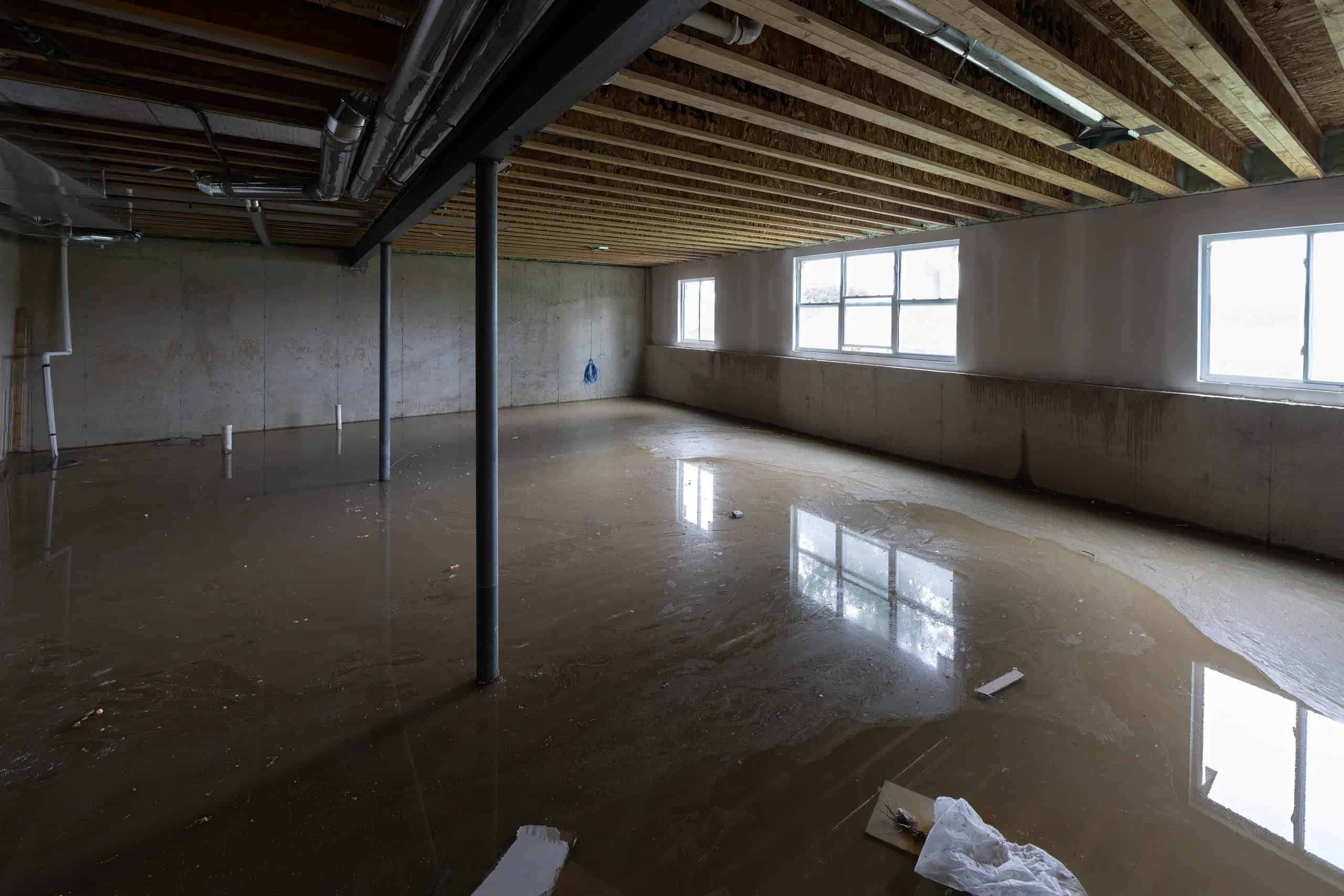
Act fast. Mold begins growing within 24 to 48 hours of moisture exposure. On Long Island’s South Shore — in communities like Long Beach, Freeport, and Oceanside that see storm surge regularly — that window closes quickly. The most important thing you can do in the first hours after a flooding event is remove standing water and get air moving. Don’t disturb visible mold growth before a professional has assessed the scope. Call us and we can typically arrive within two to four hours. The faster the moisture is addressed, the smaller the remediation scope tends to be.
**Will the mold come back after remediation?**
Not if the moisture source is fixed. Mold is a symptom of a moisture problem, not a problem that exists independently of it. A company that removes the mold without identifying and addressing what caused it — a slow roof leak, a plumbing drip behind a wall, inadequate crawl space ventilation, a grading issue directing water toward the foundation — is giving you a temporary fix. We use moisture meters and infrared cameras to find the source, not just the symptom, and our work includes addressing root causes so the remediation actually holds.
When to Stop Researching and Call a Professional
If you’ve been watching a mold patch for a few weeks, tried cleaning it, and watched it come back — that’s the answer. The research phase has done its job. What you’re dealing with is almost certainly larger than what’s visible, and every week you wait gives it more time to spread into the wall cavity, the subfloor, or the HVAC system.
Nassau County’s housing stock, its coastal humidity, and its shallow water table create conditions where mold doesn’t need much of an invitation. And its licensing requirements mean that who you hire matters as much as when you hire them.
Green Island Group has been handling mold remediation on Long Island for over 12 years. We’re licensed under NYS Article 32, hold Nassau County’s EHRP contractor credentials, and our technicians carry EHRT certifications. We work directly with your insurance company, handle all the documentation, and can take the job from mold removal all the way through reconstruction — one call, one point of contact. If you’re ready to stop guessing and get a real answer about what’s in your home, reach out to us.